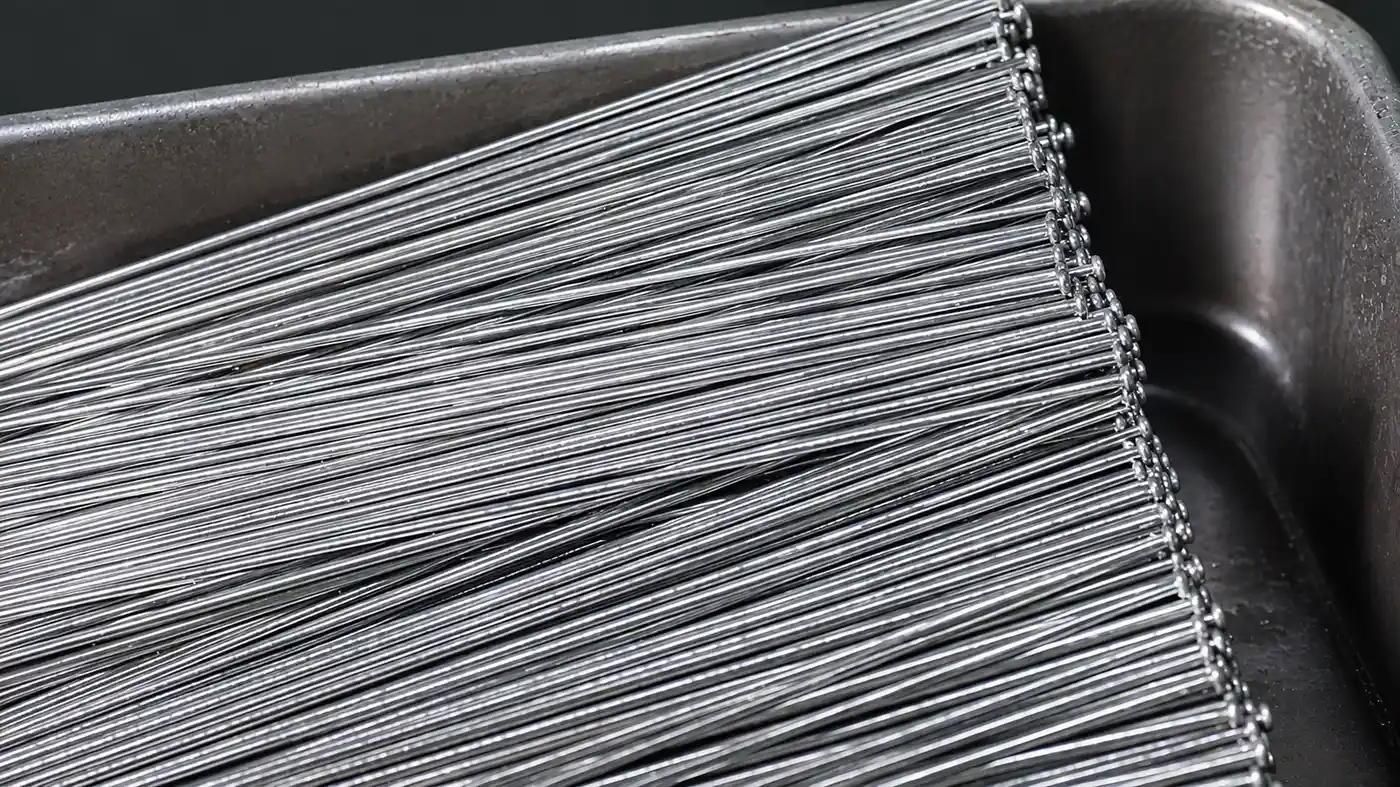
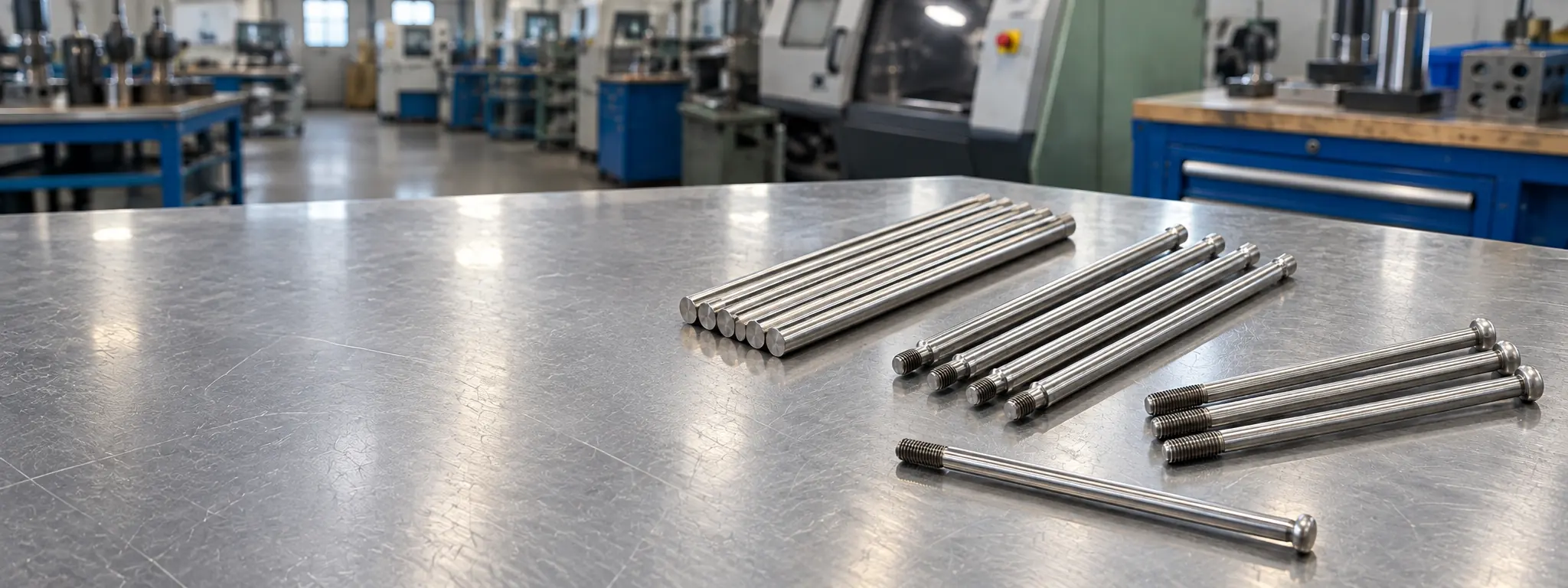
Custom Stainless Steel Long Screws Manufacturer
Shi Shi Tong manufactures stainless steel long screws to customer drawings, coordinating material grade, head and drive geometry, thread coverage, shank design, surface condition and inspection requirements as one complete project.
Final feasibility depends on the complete design, including geometry, stainless steel grade, thread, tolerance, quantity and validation requirements.
What Is a Stainless Steel Long Screw?
A stainless steel long screw combines an extended shank or threaded length with a corrosion-aware material choice. Unlike a standard catalog screw, its manufacturability cannot be judged by diameter and overall length alone. Head volume, drive depth, thread coverage, unthreaded shank, point geometry, material condition, heat treatment and straightness expectations can all influence the production route.
Shi Shi Tong evaluates these variables together before confirming the material, forming method, secondary machining, thread process and inspection plan. This approach is suited to custom equipment, deep-reach fastening, through connections, positioning features and other assemblies where a standard-length screw does not fit the design.
The correct solution is not simply "a longer standard screw." It is a coordinated material and geometry decision.
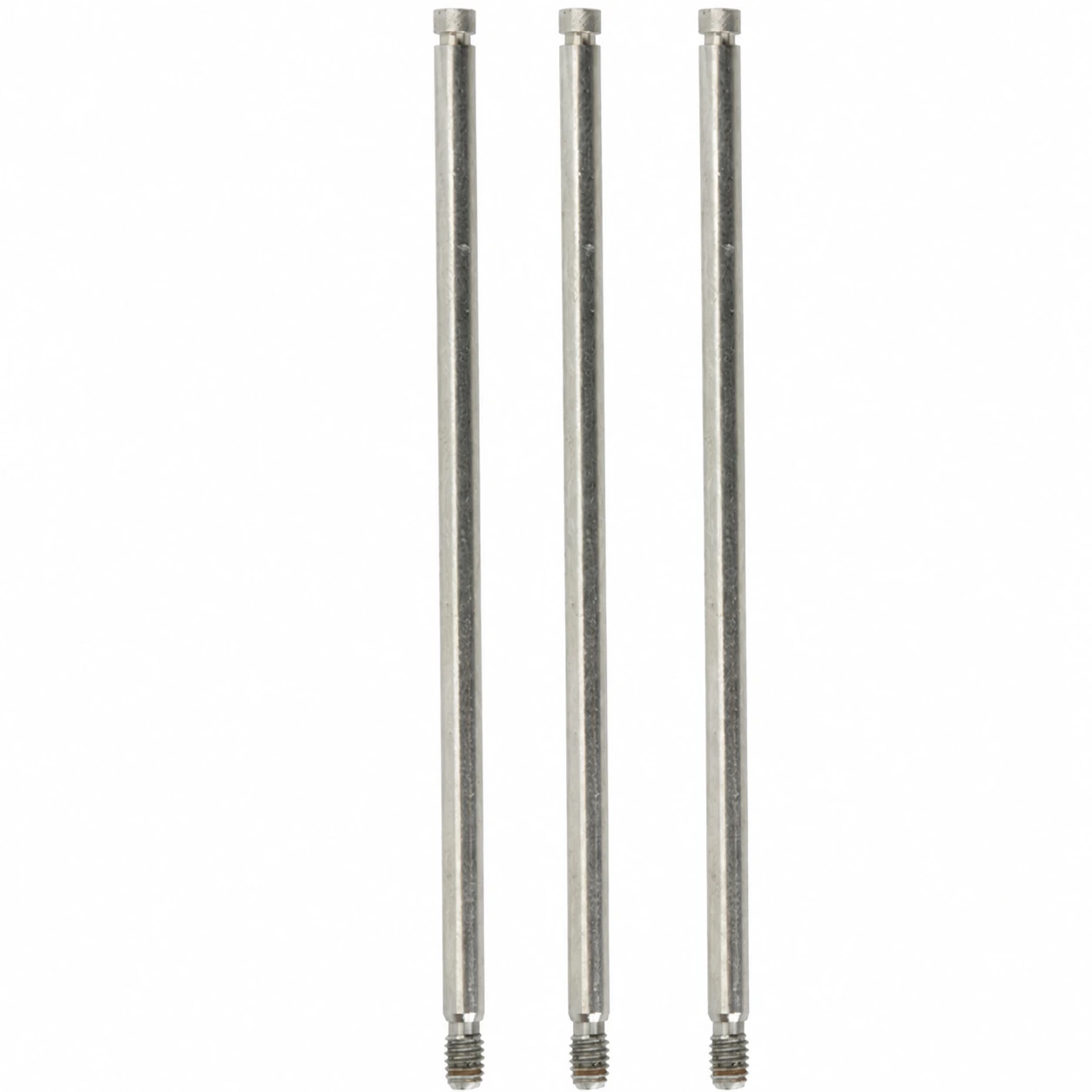
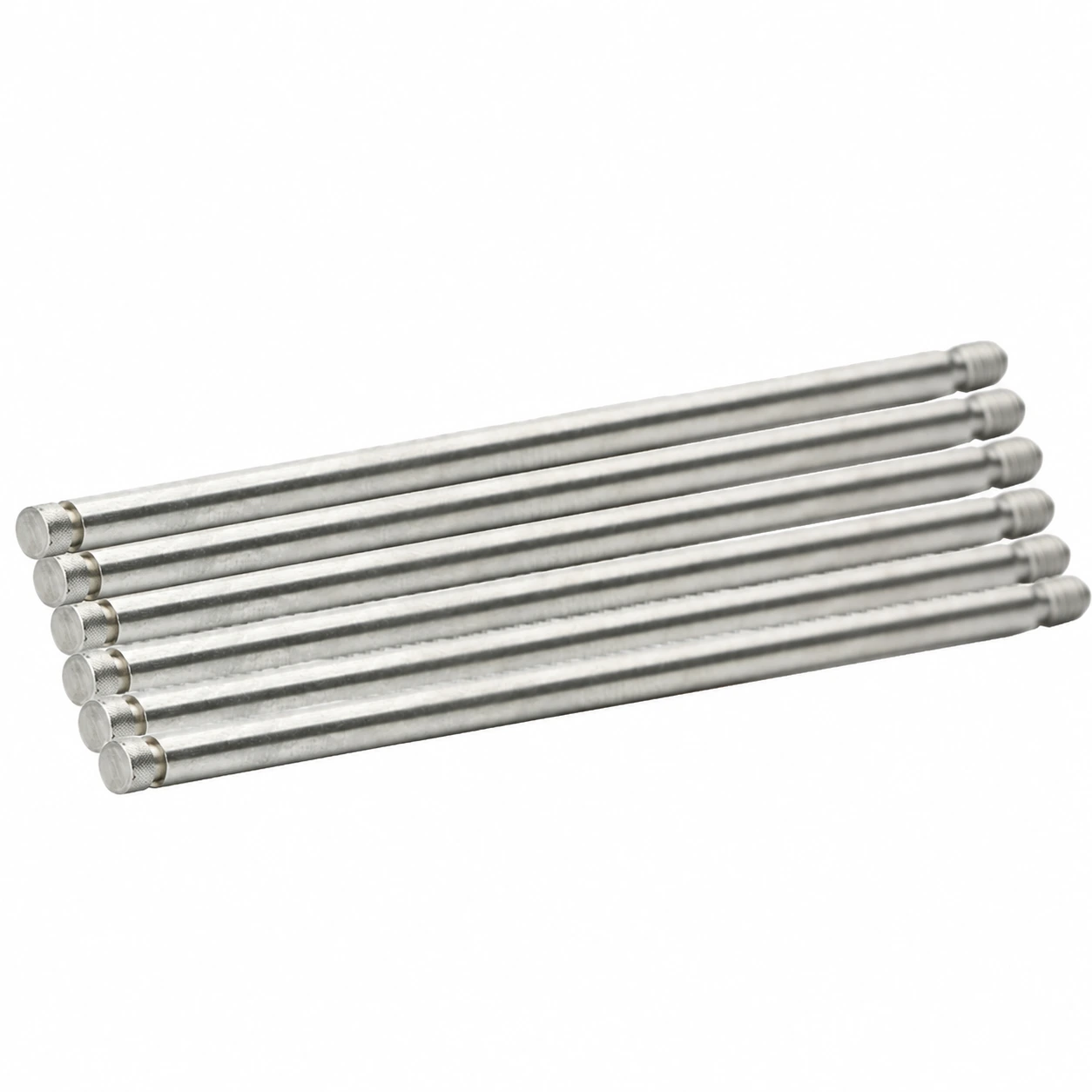
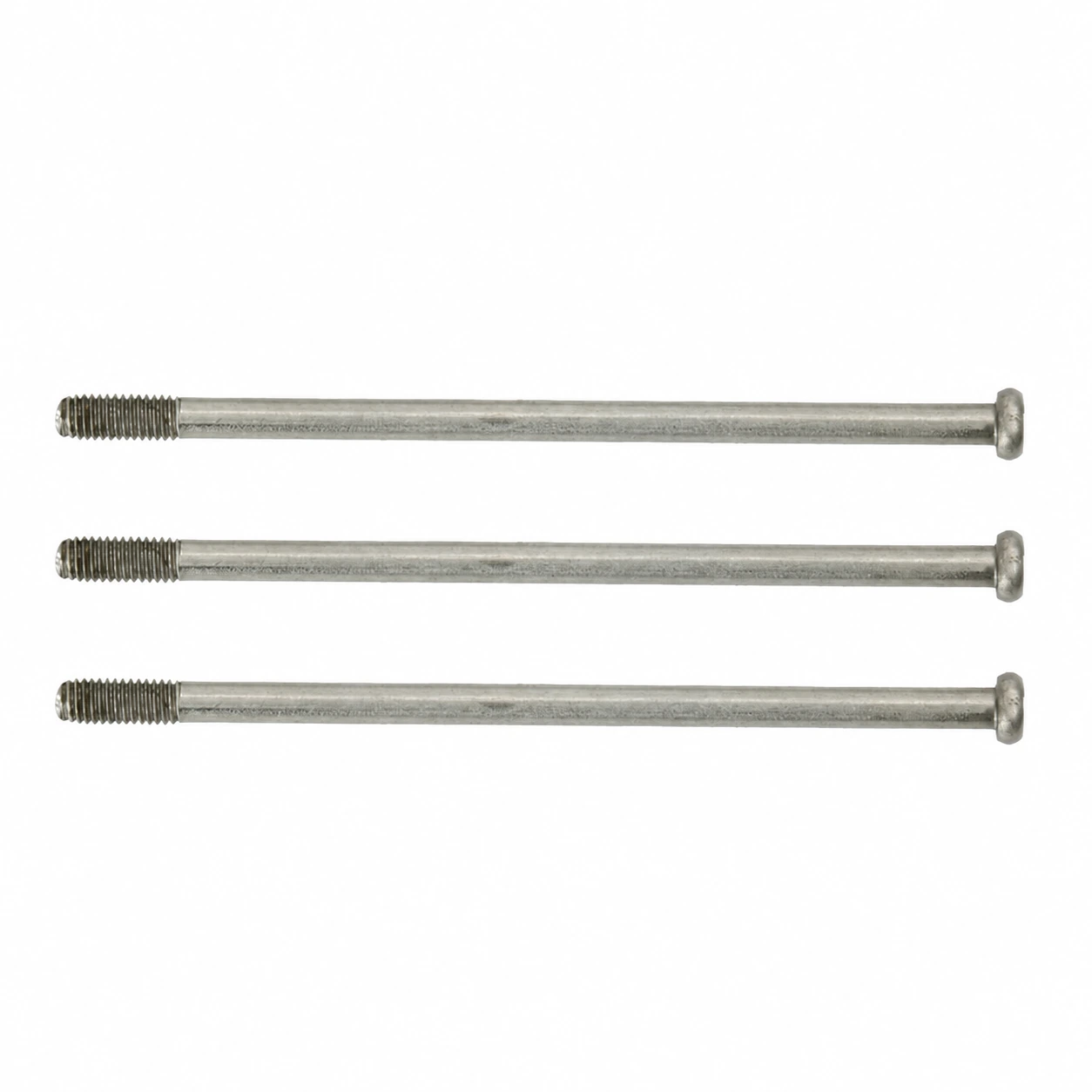
Stainless Steel Long Screw Types
Select the product family closest to your assembly. Head style, drive, thread, shank, point and stainless steel grade can then be reviewed against the drawing and operating environment.
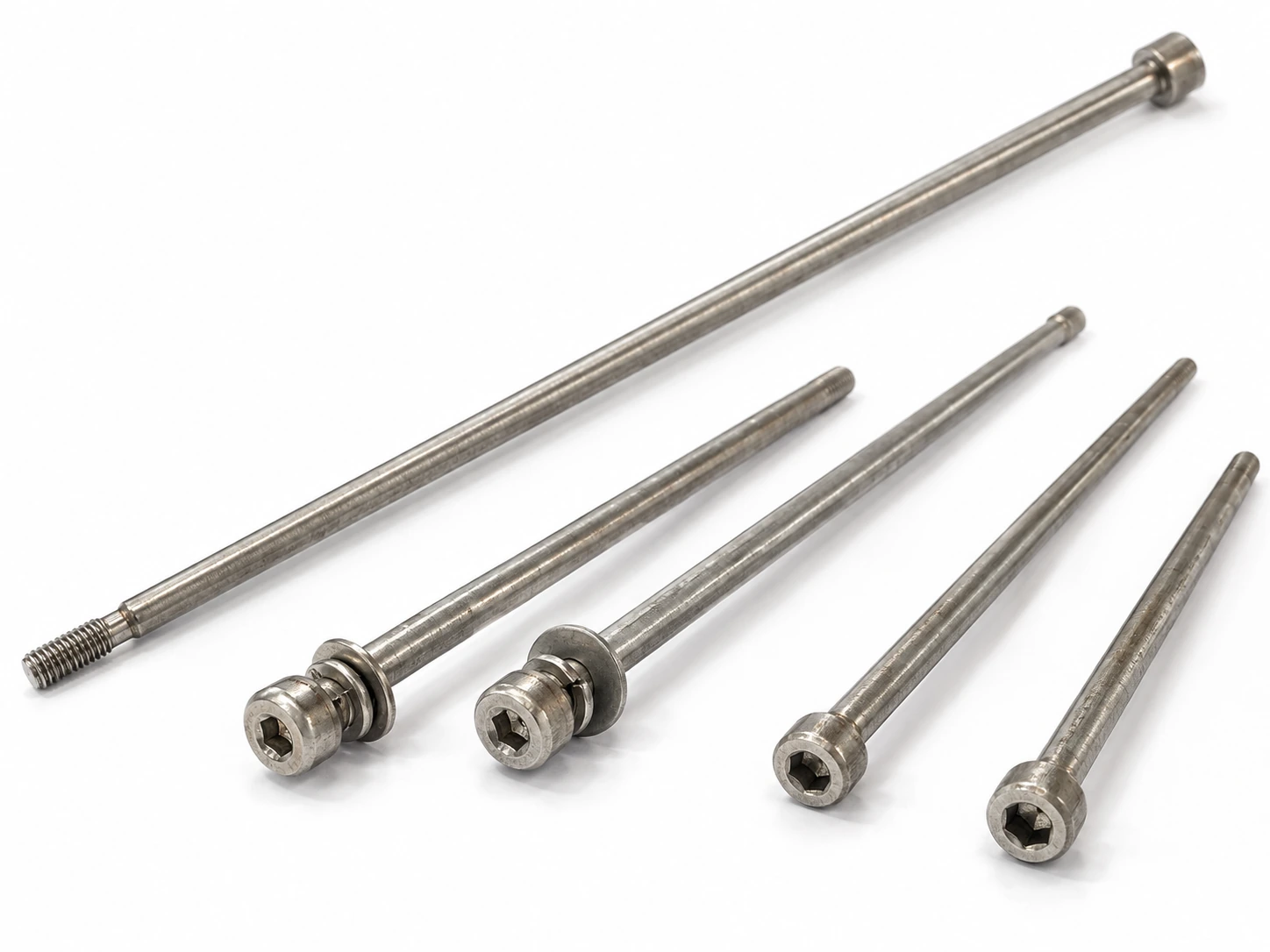
Stainless Steel Long Socket Screws
Long socket screws use an internal hex or selected six-lobe drive where controlled tool engagement and compact head access are important. Cup, cap and button-style head geometries may be evaluated according to the required bearing surface, head clearance and tightening method.
Best evaluated with the required head dimensions, drive depth, tightening method, thread coverage and accessible installation space.
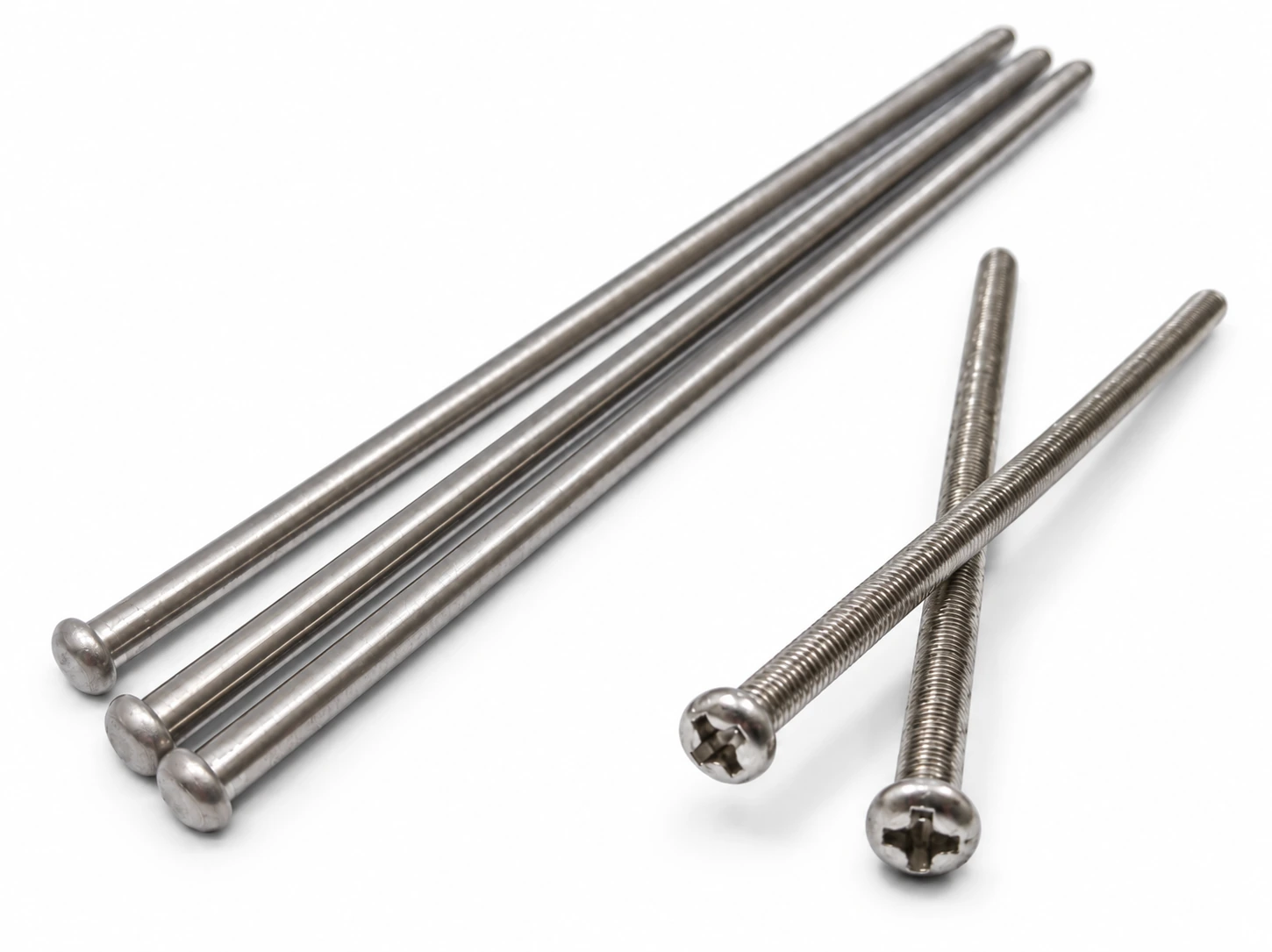
Stainless Steel Long Pan Head Screws
Pan head long screws provide a visible bearing surface and can be developed with Phillips, internal hex, slotted or selected six-lobe drives. The head-to-shank transition, drive depth and material flow require particular attention as the screw length and geometry change.
Consider the mating surface, head clearance, drive access, tightening method and whether the design needs a fully or partially threaded shank.
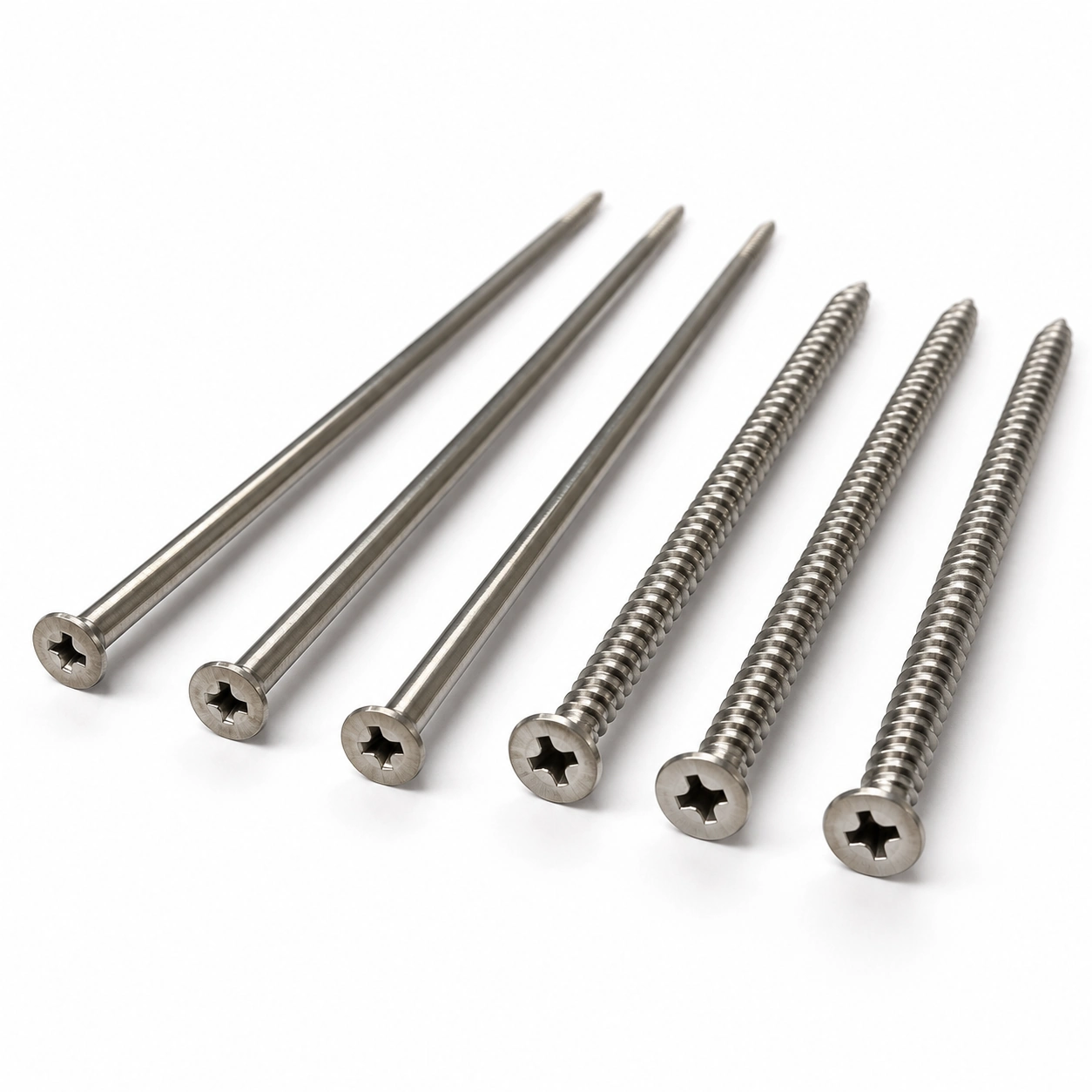
Stainless Steel Long Countersunk Screws
Countersunk long screws are used when the head must sit flush with or below the mating surface. Head angle, head diameter, recess geometry, material thickness and the receiving countersink must be coordinated to avoid relying on the nominal screw size alone.
Provide the required head angle, head diameter, recess type, mating countersink and installed position for an accurate review.
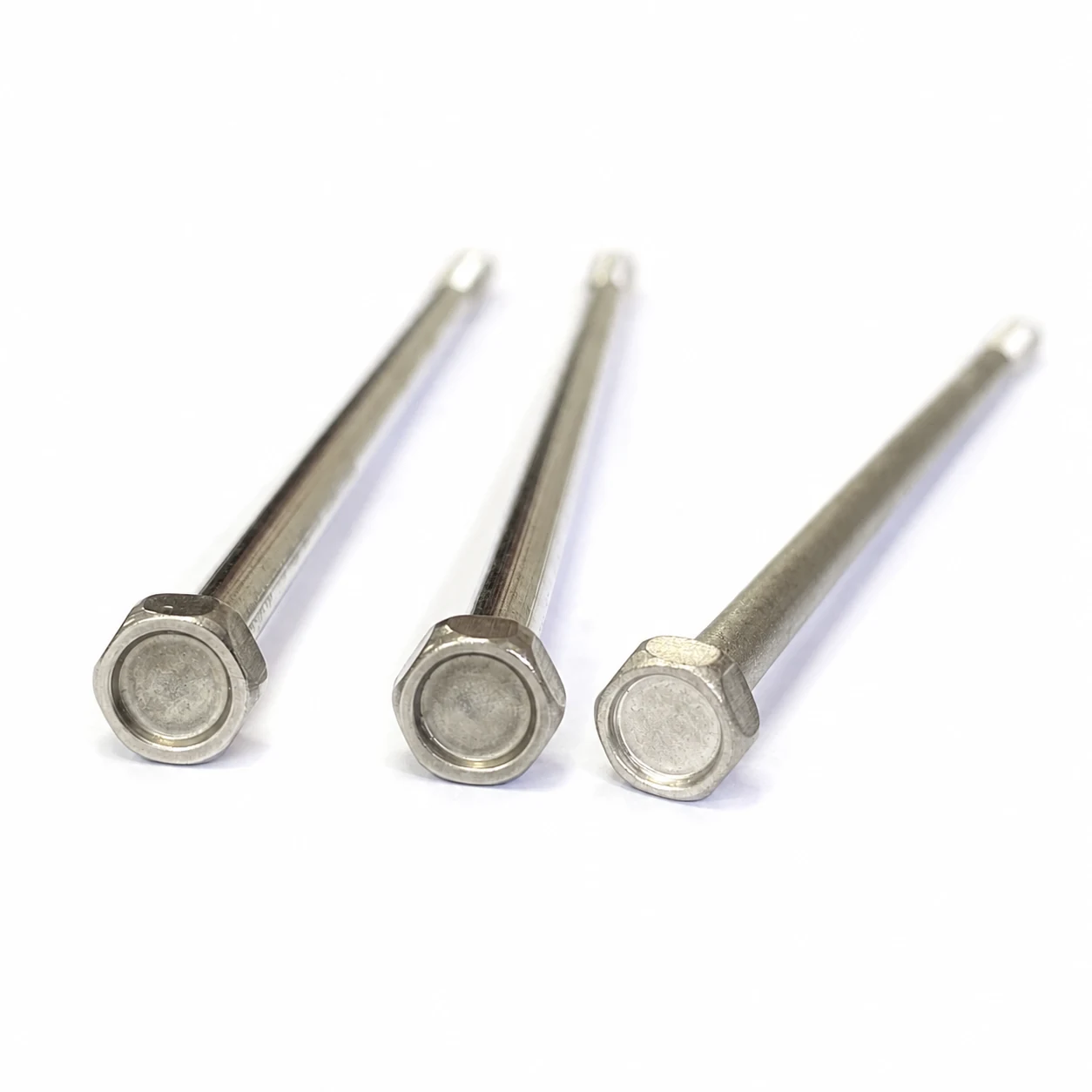
Stainless Steel Long Hex Head Screws
External hex head long screws support wrench or socket access and can incorporate selected washer-face or under-head features. Head dimensions, bearing area, shank length, thread start and installation clearance should be reviewed as a complete fastening interface.
Suitable when external tool access is available and the assembly needs a defined head bearing surface or a substantial unthreaded shank.
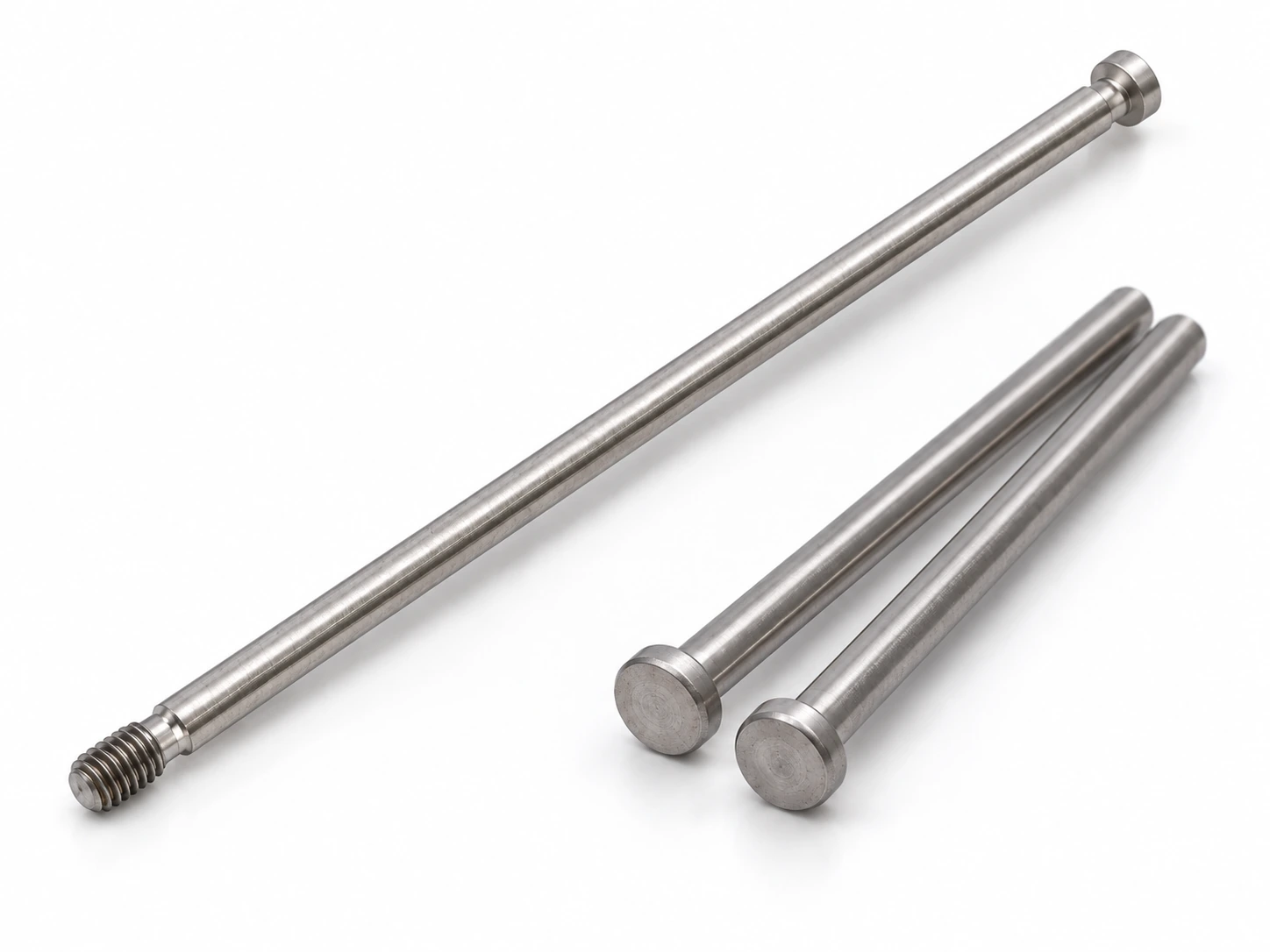
Stainless Steel Long Shoulder & Stepped Screws
Shoulder and stepped screws combine fastening with location, spacing, guidance or bearing functions. Shoulder diameter, step length, concentricity, transition radius and thread position may be more important than the nominal thread size.
Provide the functional diameter, shoulder or step lengths, mating components, load direction and critical concentricity requirements.
Stainless Steel Long Set & Extended-Tip Screws
Headless and extended-tip screw configurations can be developed for positioning, retention, adjustment or contact functions. Drive design, tip geometry, engagement length, thread fit and contact condition determine whether the concept is practical.
Specify the drive, point or tip form, functional contact surface, adjustment range, thread fit and expected installation method.
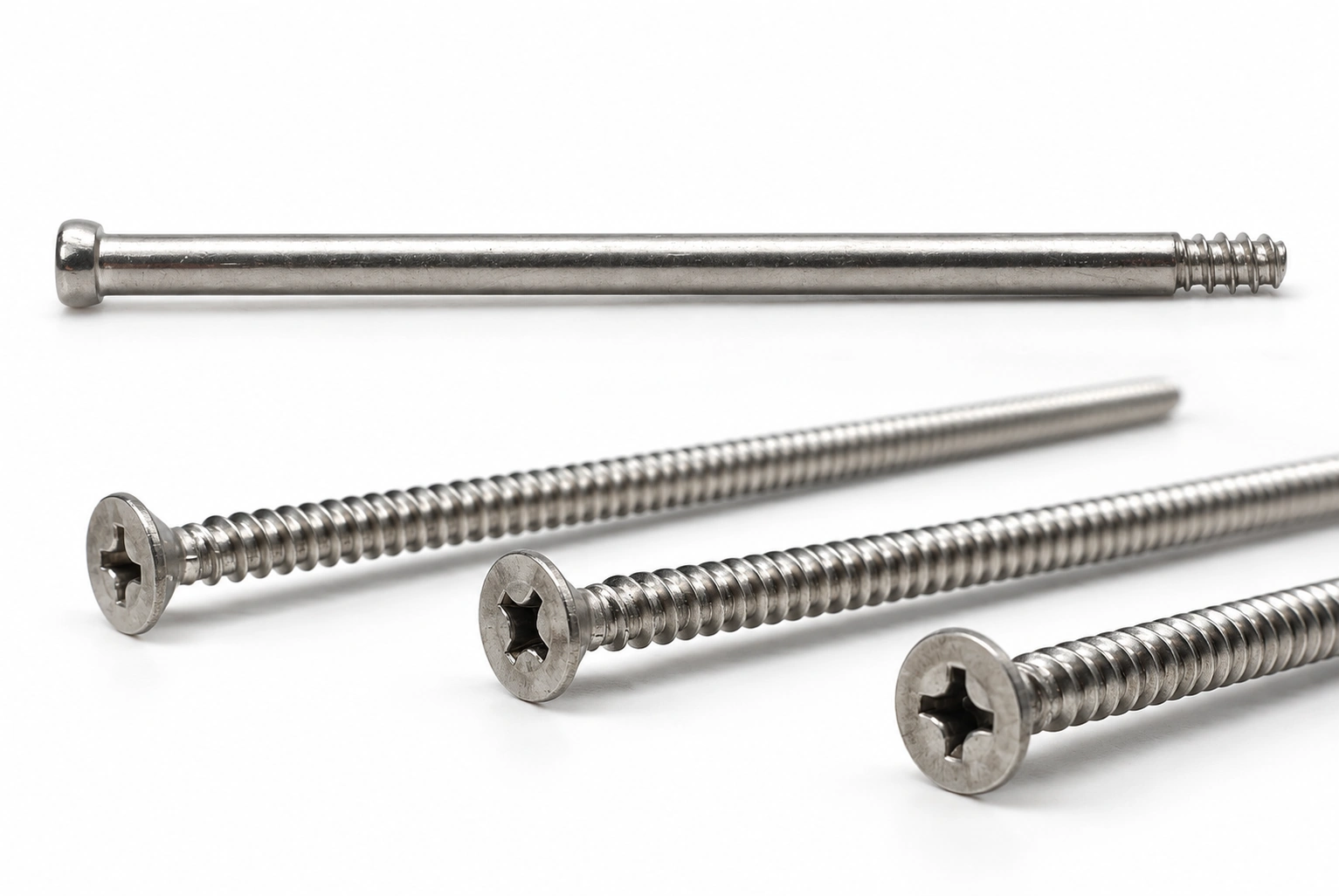
Stainless Steel Long Self-Tapping Screws
Selected long self-tapping configurations can be evaluated when the substrate, pilot hole, thread form, point geometry and installation method are clearly defined. The design must be matched to the receiving material rather than selected from screw length alone.
Provide the substrate material and thickness, pilot-hole condition, required thread engagement, installation torque method and applicable product standard.
Note: This category does not imply universal suitability for decking, structural timber, masonry, roofing or self-drilling applications.
Custom Configuration Overview
The following ranges describe Shi Shi Tong's current evaluation scope, not an automatic guarantee for every combination. Final capability is confirmed after the complete drawing and application are reviewed.
| Parameter | Visible content |
|---|---|
| Thread diameter | M1.4–M12 evaluation range |
| Overall length | Lengths evaluated up to 2000 mm |
| Product forms | Socket, pan head, countersunk, external hex, shoulder, stepped, set, extended-tip and selected self-tapping configurations |
| Thread coverage | Fully threaded, partially threaded or drawing-defined thread position |
| Thread type | Metric and drawing-defined machine or tapping thread forms, subject to standard and feasibility review |
| Head and drive | Phillips, slotted, internal hex, selected six-lobe, external hex and custom drawing-defined features |
| Shank geometry | Straight, reduced, shoulder, stepped, relieved or other drawing-defined sections |
| Stainless steel | Austenitic, martensitic, ferritic, precipitation-hardening and machining-oriented grades evaluated by project |
| Surface condition | Cleaning, passivation, electropolishing and selected functional or decorative treatments evaluated by grade and application |
| Secondary operations | CNC machining, drilling, turning, slotting and other project-specific secondary features where feasible |
| Inspection | Dimensional, thread, optical, hardness, torque, material and project-specific inspection coverage |
| Documentation | Material and inspection documentation can be discussed according to the confirmed project scope |
Do not select a stainless grade, coating or thread form from the table in isolation. The mating material, service environment, load, installation process and applicable standard remain part of the final decision.
How to Select a Stainless Steel Grade
"Stainless steel" is not one universal material. Grade, material condition, forming route, heat treatment, surface condition and service environment can change both manufacturability and in-use behavior.
| Grade group | Visible guidance |
|---|---|
| SUS302HQ / SUS XM7 | Cold-heading-oriented austenitic candidates for selected formed designs. Final suitability depends on head volume, reduction, length, material condition and required mechanical properties. |
| SUS304HC / SUS304 | Common austenitic options for general corrosion-aware applications. The exact grade and condition should be confirmed rather than relying only on the broad "304 stainless" description. |
| SUS316 / SUS316L / SUS316Cu | Candidates for more demanding corrosion environments, subject to exposure, chlorides, cleaning, crevices, mating materials and the complete assembly design. They are not a universal guarantee against corrosion. |
| SUS410 / SUS420J2 / SUS431 / SUS440C | Hardenable stainless grades that may be considered where hardness, wear or mechanical performance is important. Heat treatment, geometry and corrosion trade-offs require project-specific review. |
| SUS303Cu | A machining-oriented grade for CNC or secondary-machined geometries. Do not present it as a cold-heading-optimized grade. |
| SUS430 | A ferritic stainless option that may be evaluated where its forming, magnetic and corrosion characteristics suit the application. |
| SUS310 / SUS321 / AISI 321 | Special stainless options for selected temperature or environment requirements, subject to availability, specification and manufacturing review. |
| 17-4PH / SUS630 | A precipitation-hardening stainless option for selected strength and hardness requirements. Condition, heat treatment and dimensional effects must be defined. |
Note: A2, A4 and 18-8 are useful purchasing descriptions, but they do not always identify one unique chemistry, condition or strength class. Confirm the governing standard, exact grade, property class and certificate requirement on the purchase specification.
Why Long Stainless Screws Need an Engineering Review
Length Changes the Manufacturing Problem
As the length-to-diameter ratio increases, material handling, forming stability, thread position, straightness and inspection access may become more demanding. Shi Shi Tong selects the production route after reviewing the complete geometry rather than treating the part as a standard screw with extra length.
Material Grade Affects Forming and Function
Cold-heading-oriented austenitic material, machining-grade stainless and hardenable stainless do not behave the same way. Grade selection is coordinated with head shape, reduction, secondary machining, heat treatment and the intended environment.
Thread and Shank Must Work Together
A fully threaded design, partial thread, shoulder or stepped shank creates different requirements for engagement, location, load transfer and production. Critical functional lengths should be identified on the drawing.
Inspection Must Follow the Application
The useful inspection plan depends on the drawing and failure risk. Thread GO/NO-GO checks, optical measurement, concentricity, hardness, torque, material verification or other controls are selected according to the confirmed project requirements.
Match the Screw to the Assembly
| If the assembly needs… | Consider… | Confirm before ordering… |
|---|---|---|
| Compact tool access and controlled internal drive engagement | Long socket screw | Drive depth, head clearance, tightening method and recess strength |
| A broad visible head and accessible top drive | Long pan head screw | Bearing surface, drive type and mating material |
| A flush installed surface | Long countersunk screw | Head angle, countersink geometry and material thickness |
| External wrench or socket access | Long hex head screw | Head clearance, bearing face and shank-to-thread transition |
| Location, spacing or guided movement | Long shoulder or stepped screw | Functional diameter, step lengths, concentricity and transition radius |
| Adjustment, retention or a defined contact point | Long set or extended-tip screw | Tip form, thread fit, drive and contact condition |
| Thread formation in a defined receiving material | Selected long self-tapping screw | Substrate, pilot hole, thread form, point, installation method and applicable standard |
If more than one condition applies, send the complete assembly drawing rather than selecting from a product name alone.
A Process Route Built Around Length and Stainless Grade
Drawing and Application Review
Review overall length, diameter, head and drive, thread coverage, shank features, tolerances, mating components, load, environment and order quantity.
Material and Process Selection
Evaluate the stainless steel grade and condition against the geometry, corrosion requirements, forming route, machining needs and any heat-treatment considerations.
Primary Forming
Use single-die cold heading, multi-station forming or selected open-die methods where appropriate for the confirmed design.
Thread and Secondary Features
Apply thread rolling and selected CNC secondary machining according to the drawing, material and required functional geometry.
Surface and Inspection Plan
Coordinate cleaning, passivation, electropolishing or other confirmed treatments with dimensional, thread, material, hardness, torque and project-specific inspection requirements.
Custom Fastener Engineering Partner Since 1998
Shi Shi Tong has focused on custom screw and fastener manufacturing since 1998. Projects are developed around drawings, samples and functional requirements, with manufacturing and inspection planning coordinated before repeat production.
Inspection Planning
Available inspection coverage includes dimensional measurement, thread GO/NO-GO inspection, pitch and depth checks, angle and radius measurement, optical measurement, concentricity evaluation, metallographic analysis, Rockwell or Vickers hardness testing, torque testing and material verification. The actual inspection plan is defined for each project.
Typical Application Scenarios
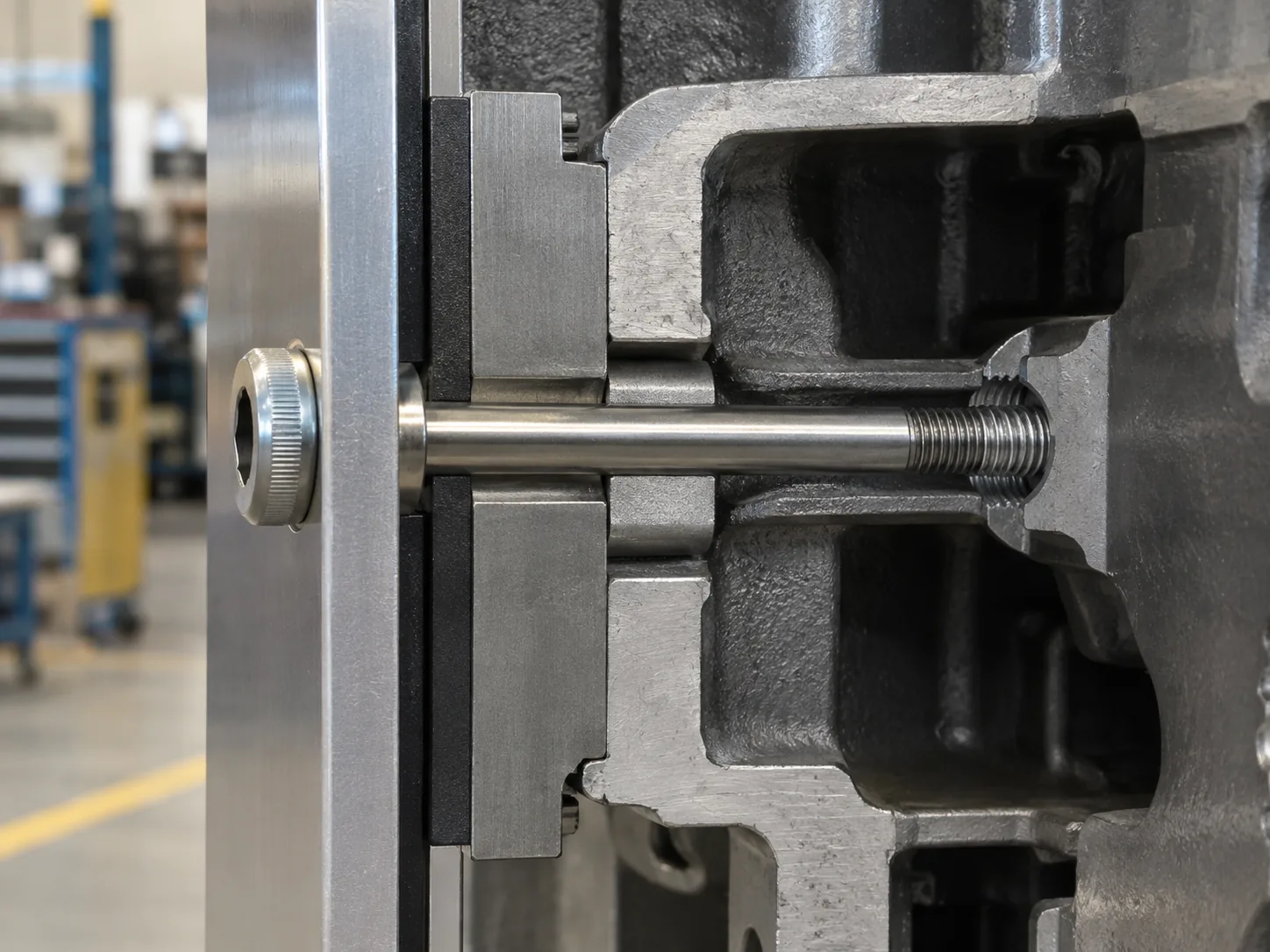
Deep-Reach Fastening
Extended access through housings, spacers, panels or layered components where a standard-length screw cannot reach the mating thread.
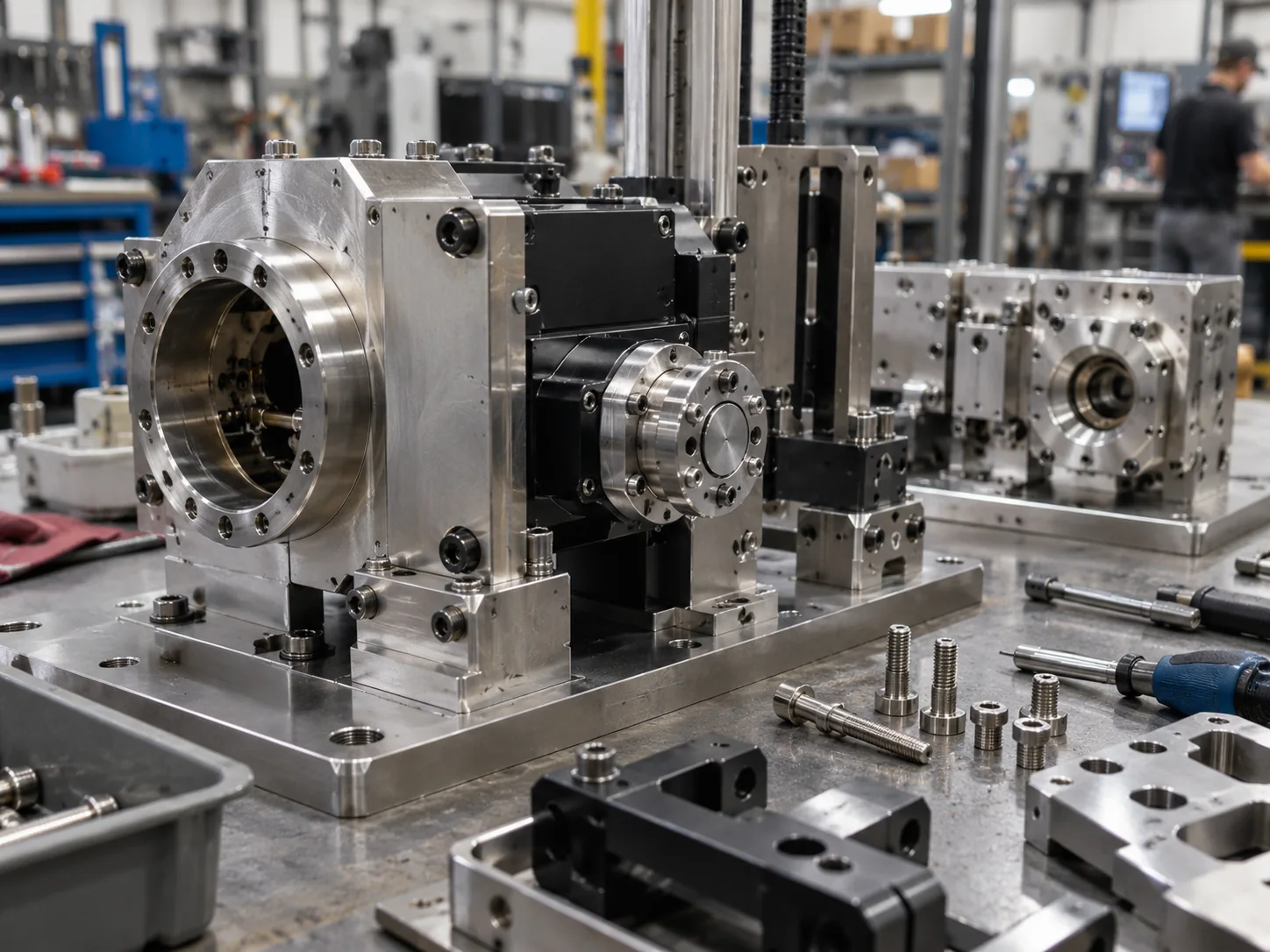
Equipment and Mechanical Assemblies
Drawing-defined fastening for machinery, instruments, enclosures, fixtures and custom mechanical systems.
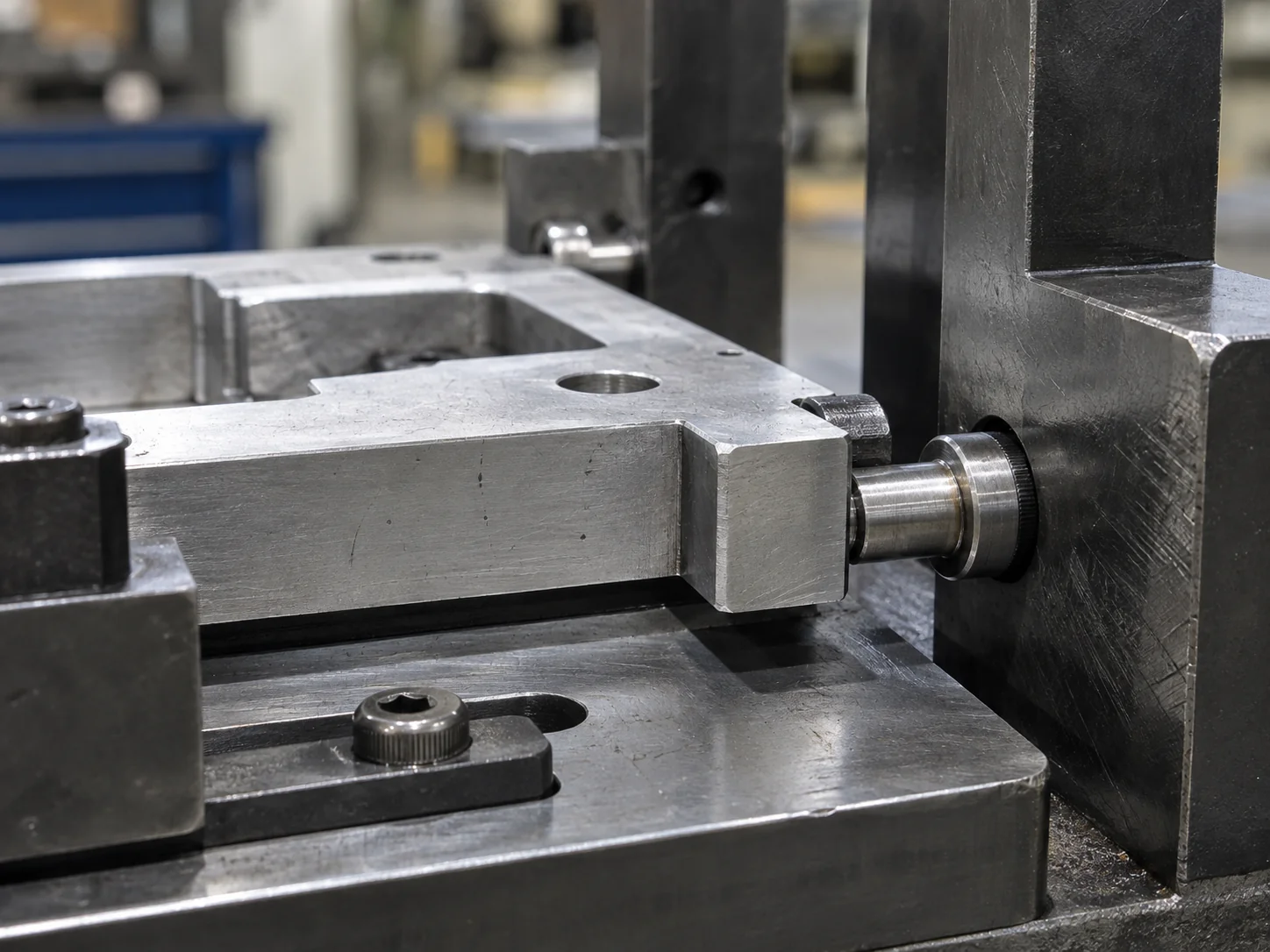
Positioning and Guided Functions
Shoulder, stepped or extended-tip geometries used for location, spacing, adjustment, guidance or defined contact.
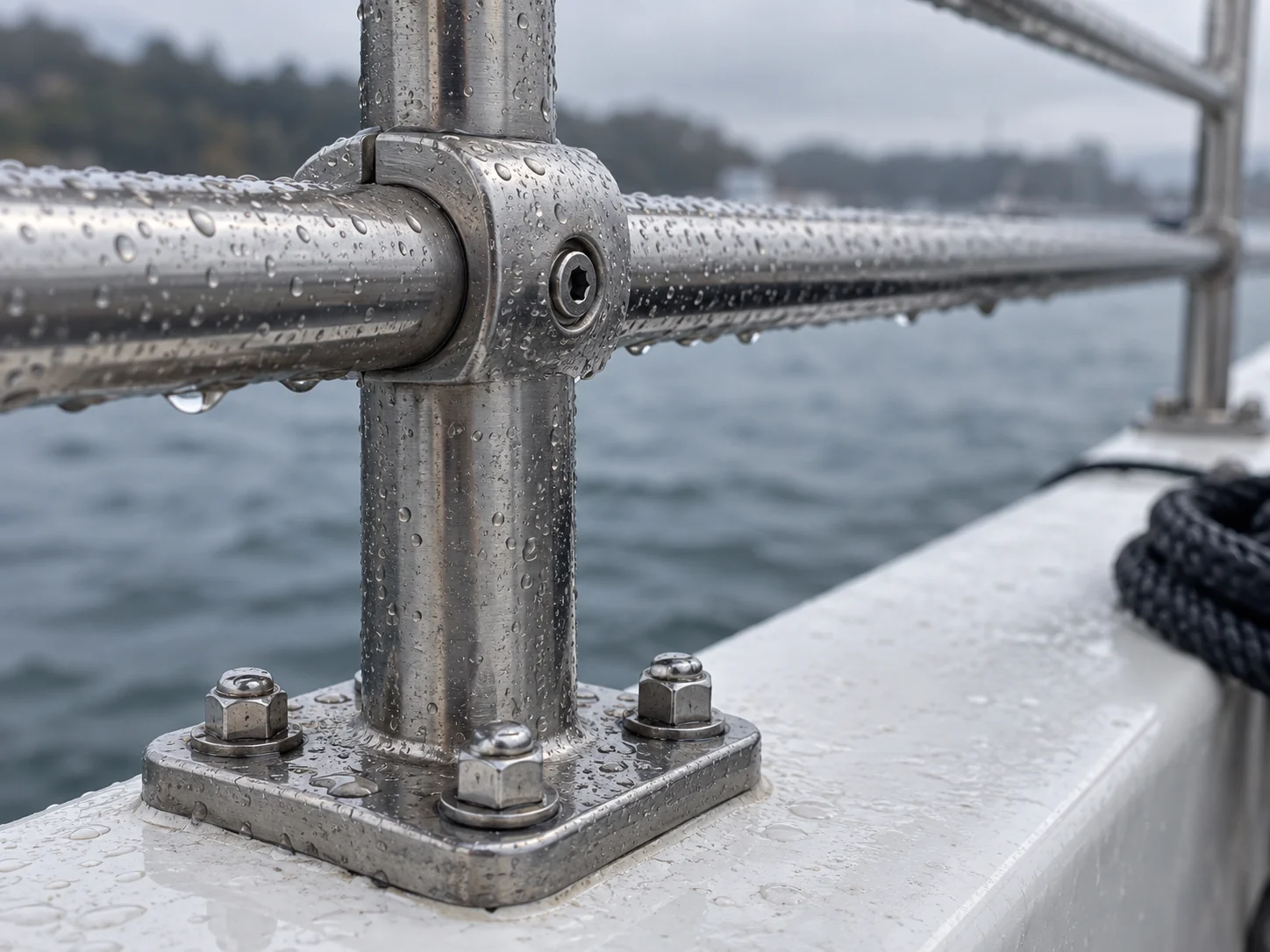
Corrosion-Aware Assemblies
Stainless steel options evaluated for moisture, cleaning, outdoor exposure or other corrosive conditions as part of the complete assembly design.
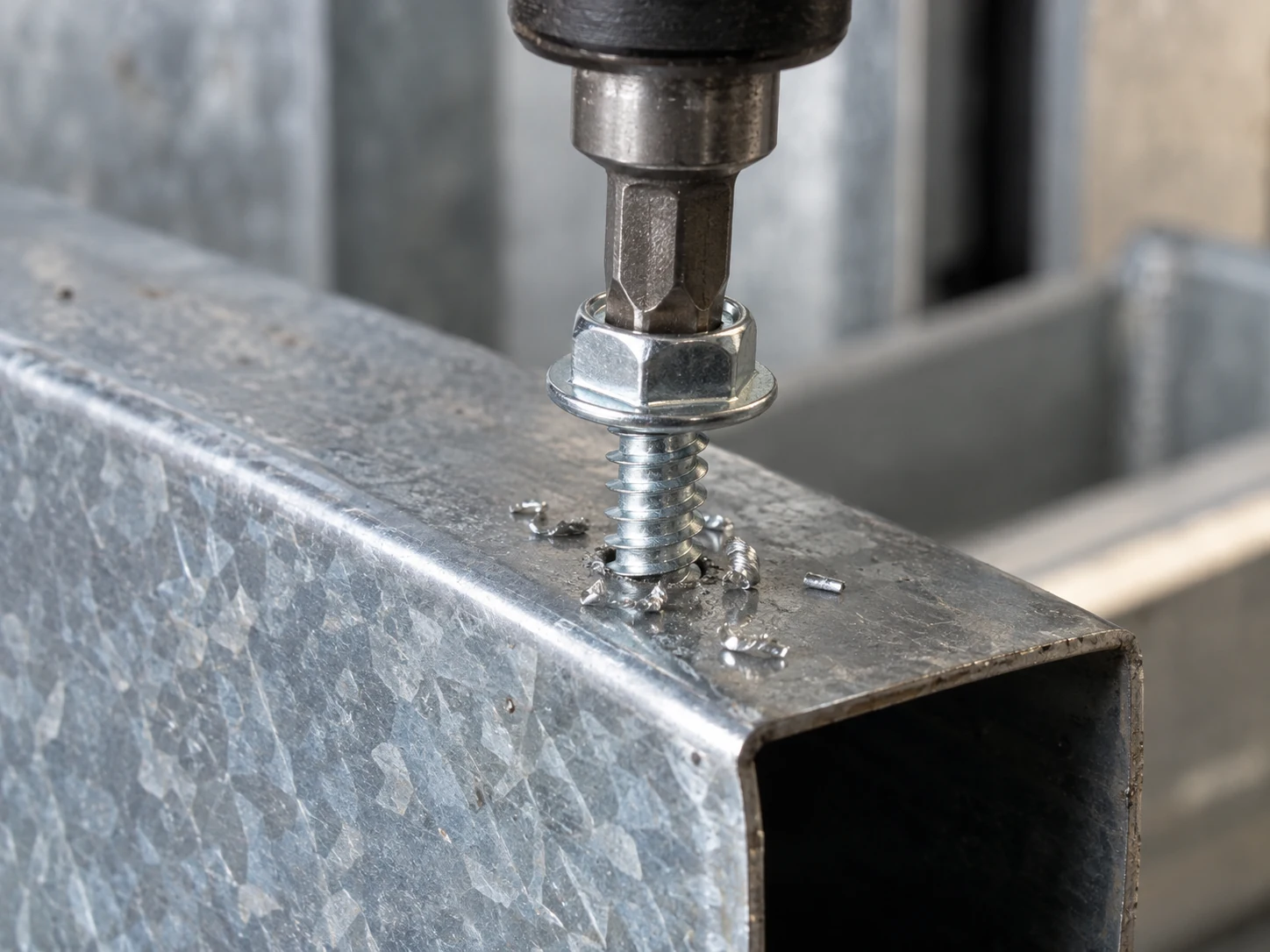
Defined Self-Tapping Applications
Selected tapping designs evaluated against a known substrate, pilot-hole condition, thread engagement and installation process.
Boundary Note: Application suitability depends on load, mating materials, service environment, installation method and applicable product-level standards. This page does not claim construction-code approval, local retail stock or universal suitability for decking, structural timber, masonry, roofing, marine service or self-drilling applications.
Stainless Steel Long Screw Buyer Guide
Use these questions to prepare a clearer drawing and quotation request.
What is the difference between a long screw and an extra-long screw?
Which stainless steel grade should be used outdoors or near saltwater?
Are 18-8, A2, A4, 304 and 316 interchangeable?
Should a stainless steel long screw be fully or partially threaded?
Can long stainless steel screws be produced for bulk orders?
How should buyers compare stainless steel long screw quotations?
Do you supply long stainless steel deck, wood or lag screws?
Can austenitic stainless steel screws become slightly magnetic after forming?
Continue Your Product Review
Long Screws
Explore long screw configurations across different materials and geometries.
Extra-Long Screws
Review projects where extreme length-to-diameter ratio changes the manufacturing route.
Custom Machine Screws
Explore broader drawing-based machine screw capabilities.
Custom Shoulder Screws
Review shoulder, stepped and functional shank designs in greater detail.
Custom Screws
Start from a drawing, sample or functional fastening requirement.
Materials
Compare material families and project-specific selection considerations.
Surface Finishes
Review available finish evaluation and surface-treatment considerations.
Manufacturing Capabilities
Understand forming, thread and secondary manufacturing routes.
Quality Control
Review available inspection equipment and project-specific quality planning.
Send Your Stainless Steel Long Screw Requirements
Share your drawing, target stainless steel grade, dimensions, thread, quantity, service environment and critical inspection requirements. Shi Shi Tong will review the complete design before confirming manufacturability.
For a faster review, include the overall length, thread diameter, head and drive, full or partial thread requirement, stainless steel specification, annual quantity and mating application.