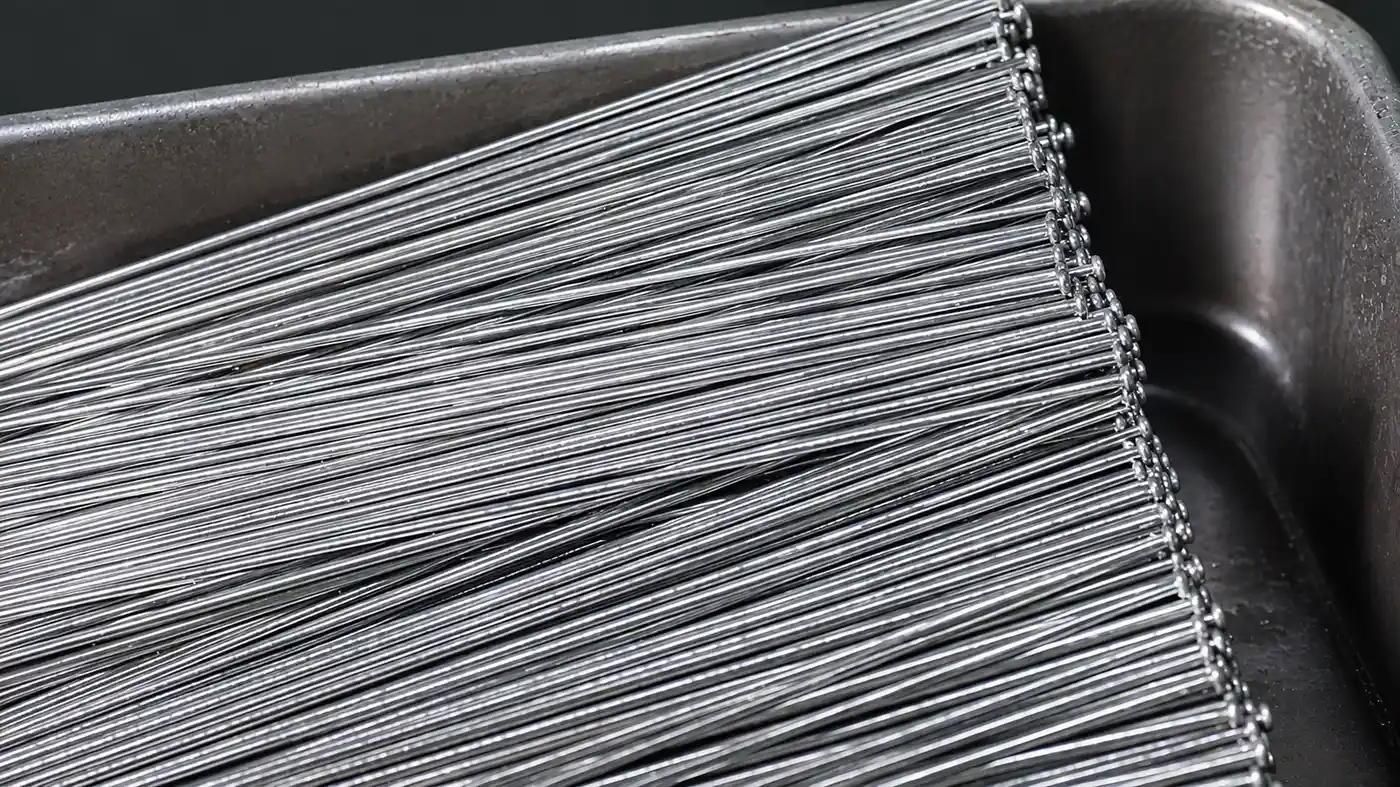
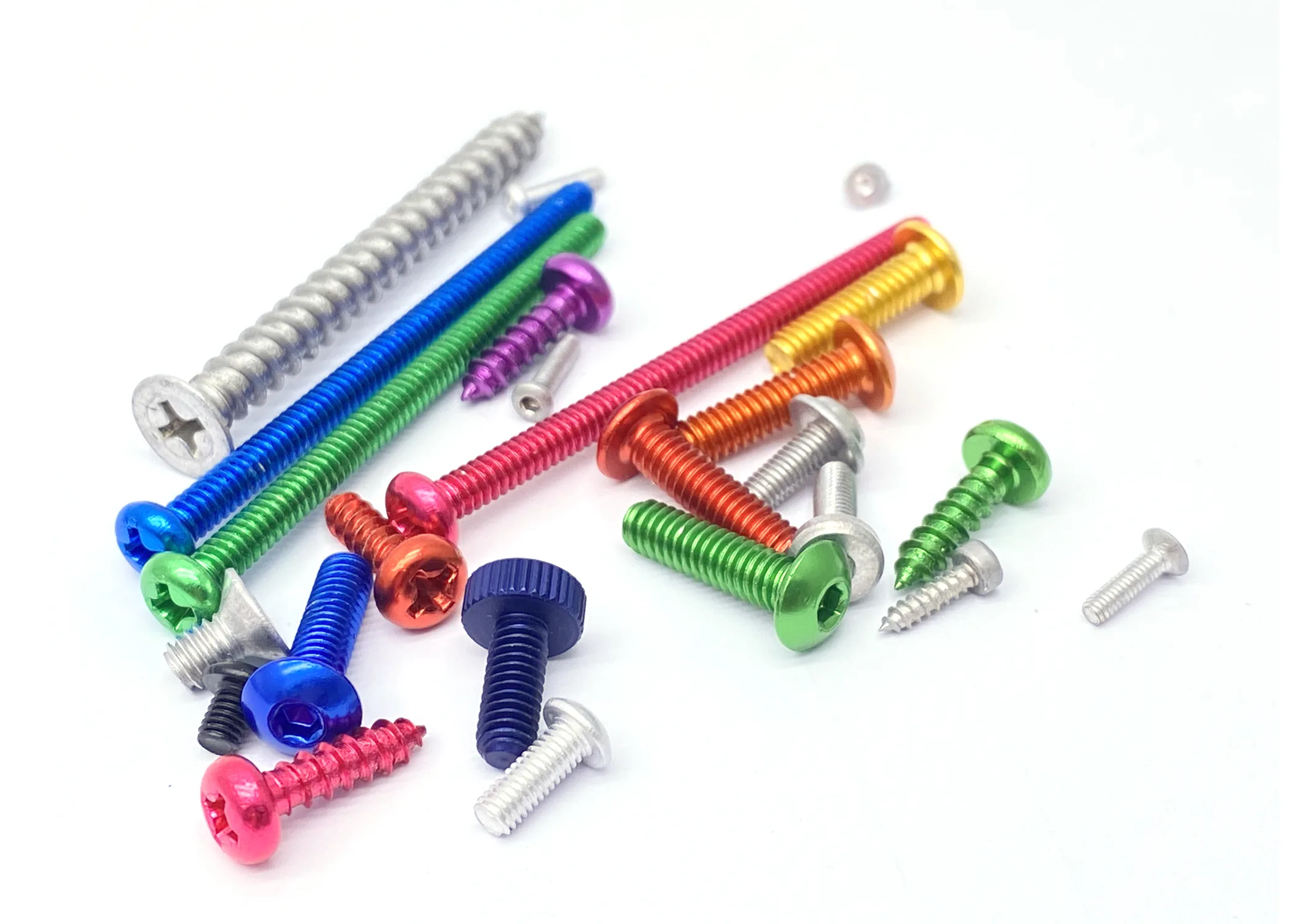
Material Selection for Custom Screws
Material selection should be reviewed together with screw geometry, forming requirements, mechanical performance, corrosion environment, operating temperature, surface finish and documentation requirements. Please provide the drawing and application conditions so that suitable material options and the corresponding manufacturing route can be evaluated.
Common Screw Materials Overview
| Material Category | Grades & Conditions | Key Properties |
|---|---|---|
| Austenitic Stainless Steel | SUS302HQ / SUS XM7, SUS304HC, SUS304, SUS316Cu, SUS316, SUS316L, SUS303Cu | Corrosion-resistant; suitable for cold heading or machining. |
| Hardenable / Martensitic Stainless Steel | SUS410, SUS420J2, SUS431, SUS440C | Magnetic; hardness, strength and wear resistance can be increased through heat treatment. |
| Ferritic Stainless Steel | SUS430 | Magnetic and corrosion-resistant; cannot be significantly hardened through heat treatment. |
| Special Stainless Steel | SUS310, SUS321 / AISI 321, 17-4PH / SUS630 | Heat resistance, stabilization or precipitation hardening, depending on grade. |
| Carbon & Alloy Steel | 1006A, 1008A, 1010, 1018, 1022, 10B21, SCM435 | Cost and strength options for cold heading and heat treatment. |
| Free-Machining Steel | 1214, 1215 | Good machinability for turned screws and CNC-machined features. |
| Medium-Carbon Steel | 45# to the applicable GB specification, AISI 1045 | Higher strength and hardness after appropriate heat treatment. |
| Copper & Copper Alloys | H59, H62, H65, H68, H70, HPb59-1, HPb59-2, Pure Copper, Phosphor Bronze, Beryllium Copper, SAE 841 / ASTM B438 Oil-Impregnated Bronze | Conductivity, formability, machinability, elasticity, wear resistance or self-lubricating performance, depending on the selected material. |
| Titanium | Grade 1 / GR1 / TA1, Grade 2 / GR2 / TA2, Grade 5 / GR5 / TC4 | Lightweight, corrosion-resistant and high strength-to-weight ratio. |
| Aluminum | 1100, 6061, 6061-T5, 6061-T6, 6063, 6063-T5, 6063-T6, 7075, 7075-T5, 7075-T6 | Lightweight, machinable and compatible with anodizing. |
| High-Performance Alloys | A286 / UNS S66286 / SUH660, MP35N | High strength, corrosion resistance and elevated-temperature performance. |
The materials listed are starting points for project review, not interchangeable specifications or a stock-availability guarantee. Confirm the exact grade, material certificate, wire diameter, manufacturing route, quantity and delivery schedule before ordering.
Austenitic Stainless Steel Grades for Custom Screws
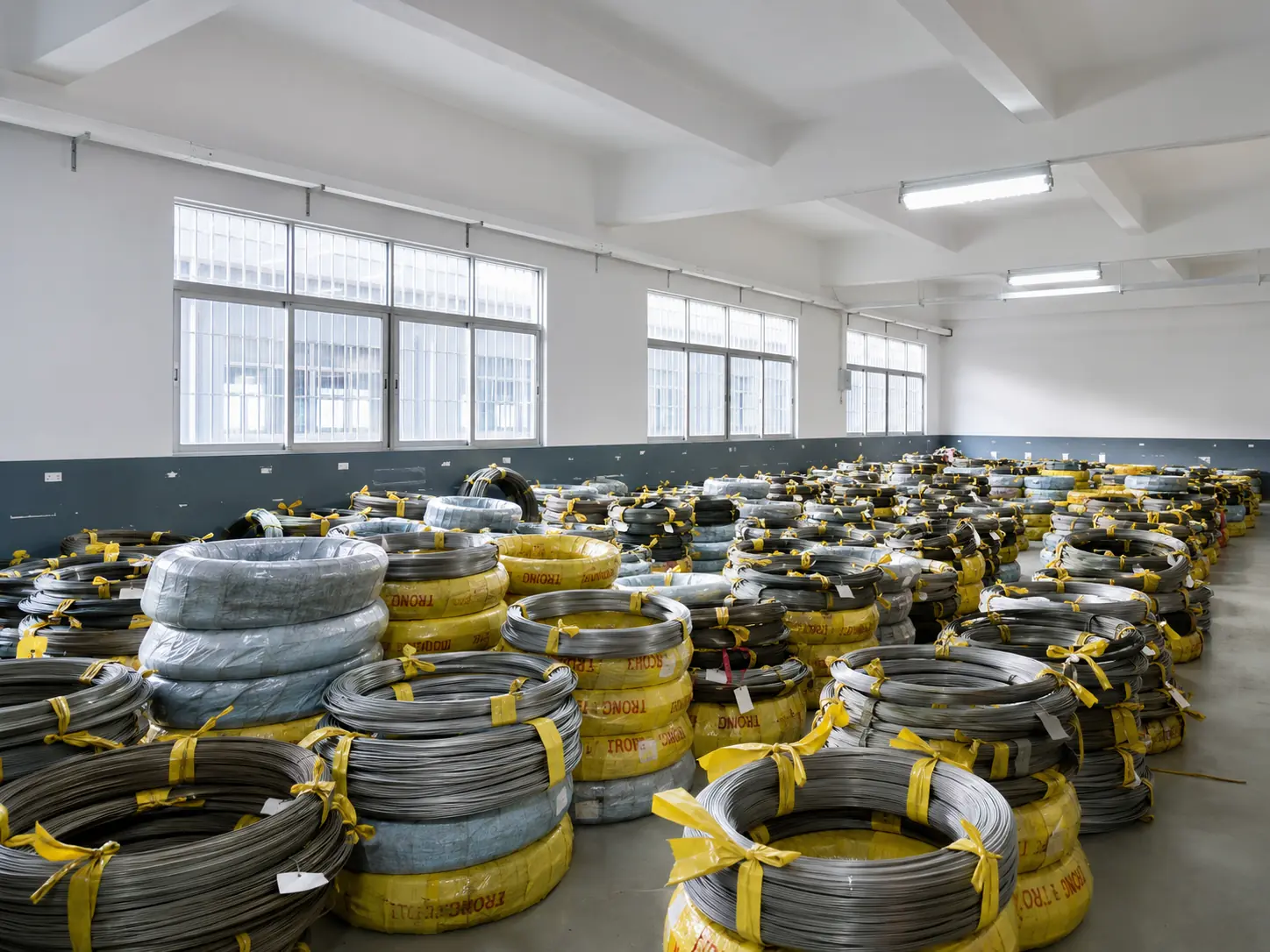
Cold Heading Optimized Grades
SUS302HQ
Evaluated for cold-headed custom screws. Confirm the material designation, certificate, head deformation, wire condition and tooling requirements for the specific design.
SUS304HC
304 series wire optimized for cold heading, balancing formability and general corrosion resistance.
SUS316Cu
Copper added to improve cold heading performance, suitable for products requiring 316-level corrosion resistance and significant head deformation.
Corrosion & High-Temperature Grades
SUS304
General-purpose corrosion-resistant stainless steel, suitable for indoor, general outdoor, and equipment connections.
SUS316
Contains molybdenum, pitting and chloride resistance generally superior to 304.
SUS316L
Low-carbon 316-series material. Suitability for welding-related, chemical or corrosive conditions is evaluated from the material certificate, surface condition and service requirements.
SUS310
High chromium-nickel heat-resistant stainless steel, suitable for high-temperature environments; specific working temperature needs confirmation based on load and medium.
Machining / Turning Grades
SUS303Cu
Primarily evaluated for turning or limited forming. Material composition, certificate and the proposed manufacturing route must be confirmed; SUS303Cu is not grouped with cold-heading-optimized grades.
Food-contact projects can be evaluated with 304 or 316 based on the applicable material certificate, surface condition, cleanliness and customer or regulatory requirements.
Engineering Review: Material, Geometry and Forming Route
Review the material certificate, wire condition, head geometry, forming deformation and tooling plan together. The proposed grade and route must be validated against the drawing and inspection requirements before production. Operating temperature limits require project-specific confirmation of the standard, load and service environment.
Understanding A2 and A4 Fastener Markings
| Marking | Explanation |
|---|---|
| A2-50 | A2 austenitic stainless steel group, min tensile strength 500 MPa |
| A2-70 | A2 austenitic stainless steel group, min tensile strength 700 MPa |
| A2-80 | A2 austenitic stainless steel group, min tensile strength 800 MPa |
| A4-70 | A4 molybdenum-containing austenitic stainless steel group, min tensile strength 700 MPa |
| 18-8 | Common term for 18% chromium, 8% nickel type stainless steel, does not represent a specific grade or strength. |
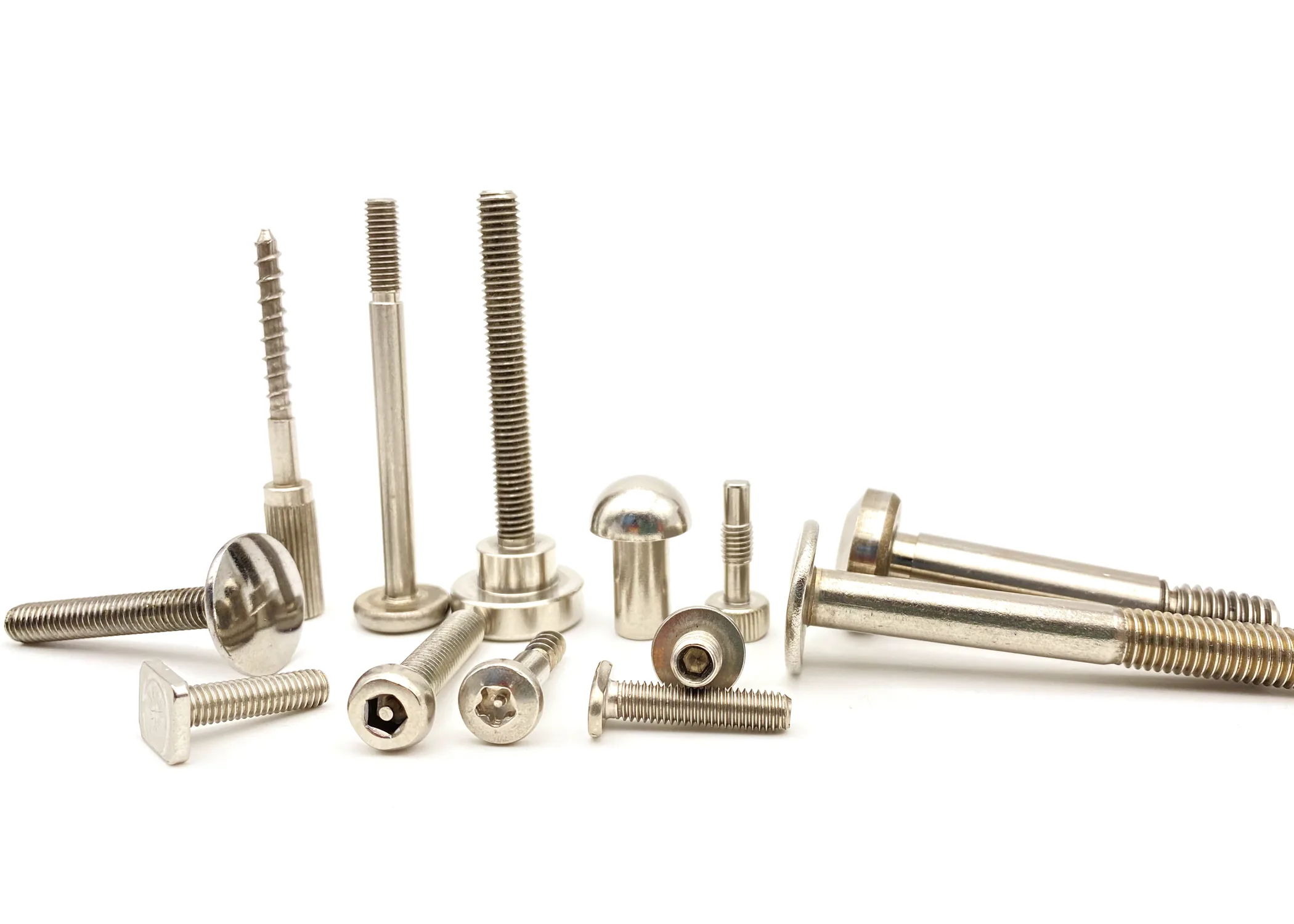
Specialty Stainless Steels and Alloys
| Grade | Heat Treatment & Capability | Key Applications |
|---|---|---|
| 410 | Quenchable and temperable | Self-tapping screws, wear-resistant and higher strength connections |
| 440C | Can achieve very high hardness | High wear-resistance, high-hardness precision parts |
| 17-4PH | Precipitation hardening stainless steel | High-strength, precision equipment, aerospace and energy components |
| A286 | High-temperature precipitation strengthening alloy | High-temperature fasteners, engines and energy equipment |
Carbon & Alloy Steel Selection
Review the target property class, screw dimensions, manufacturing route and heat-treatment requirements together. The exact steel grade is confirmed per project; a material designation alone does not guarantee the finished fastener class.
| Target Requirement | Material Selection Basis | Engineering Notes |
|---|---|---|
| General 4.8 class connection | Carbon steel grade and wire condition subject to review | Confirm the applicable standard, screw dimensions, forming route and mechanical acceptance criteria |
| 6.8 class requirement | Grade selected against the required finished-part properties | Confirm production route and validate mechanical properties by the agreed finished-product tests |
| Stable 8.8 class requirement | Suitable steel grade and heat-treatment condition evaluated by design | Review core and surface requirements, part dimensions, distortion risks and testing plan |
| 10.9 / 12.9 class requirement | High-strength steel selection subject to engineering confirmation | Confirm the standard, grade, heat treatment, coating route and hydrogen-embrittlement risk controls |
| CNC Secondary Machining | Grade and preform condition matched to the required features | Evaluate forming feasibility, machining features, tolerances, material composition and strength requirements |
| Long screw 8.8 class | Special order wire | Requires individual assessment based on length, diameter, and heat treatment distortion risk |
Trilobular Thread-Forming Screws
Heat treatment is generally recommended for trilobular thread-forming screws. Material grade, case hardness, core hardness and penetration depth should be confirmed according to the mating material and installation torque.
Hydrogen Relief Baking
For heat-treated high-strength steel fasteners, post-plating hydrogen relief baking should be evaluated after zinc, nickel or zinc-nickel electroplating to reduce the risk of hydrogen embrittlement.
Copper & Copper Alloys; Lightweight Metals: Titanium and Aluminum
Evaluate copper and copper alloys for conductivity, thermal performance and corrosion requirements. Titanium and aluminum offer lower-density options for weight-sensitive assemblies; copper is not classified as a lightweight material.
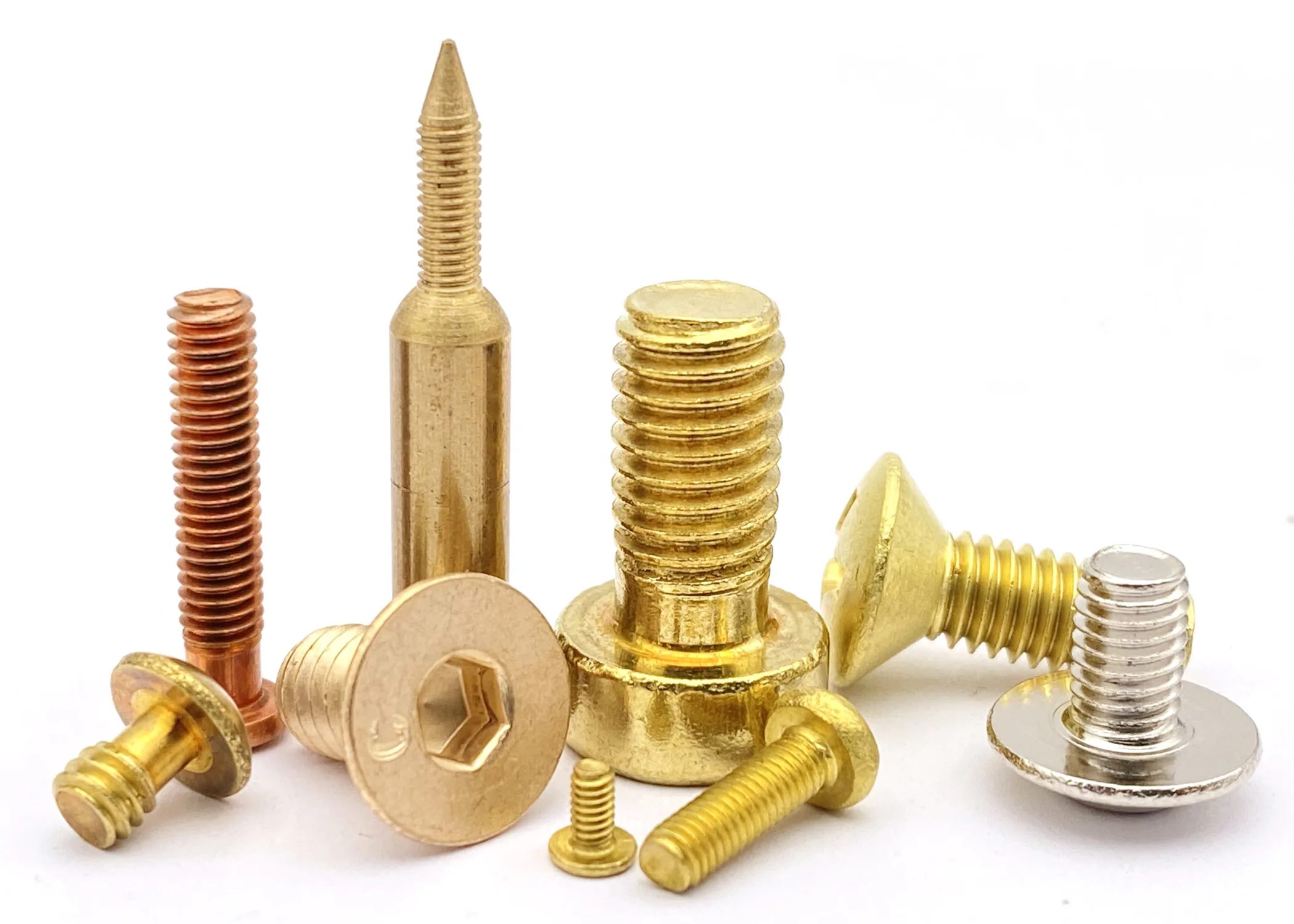
Copper & Copper Alloys
Known for excellent electrical conductivity, thermal conductivity, and corrosion resistance.
-
•
Electrical Requirements: Provide the conductivity target, mating materials and contact conditions for material review.
-
•
Copper: Confirm the grade, purity and material certificate against the required electrical and thermal performance.
-
•
Copper Alloys: Specific alloy availability, forming route and mechanical properties require project confirmation.
-
•
Finish and Assembly: Review corrosion exposure, surface treatment, dimensions and contact requirements together.
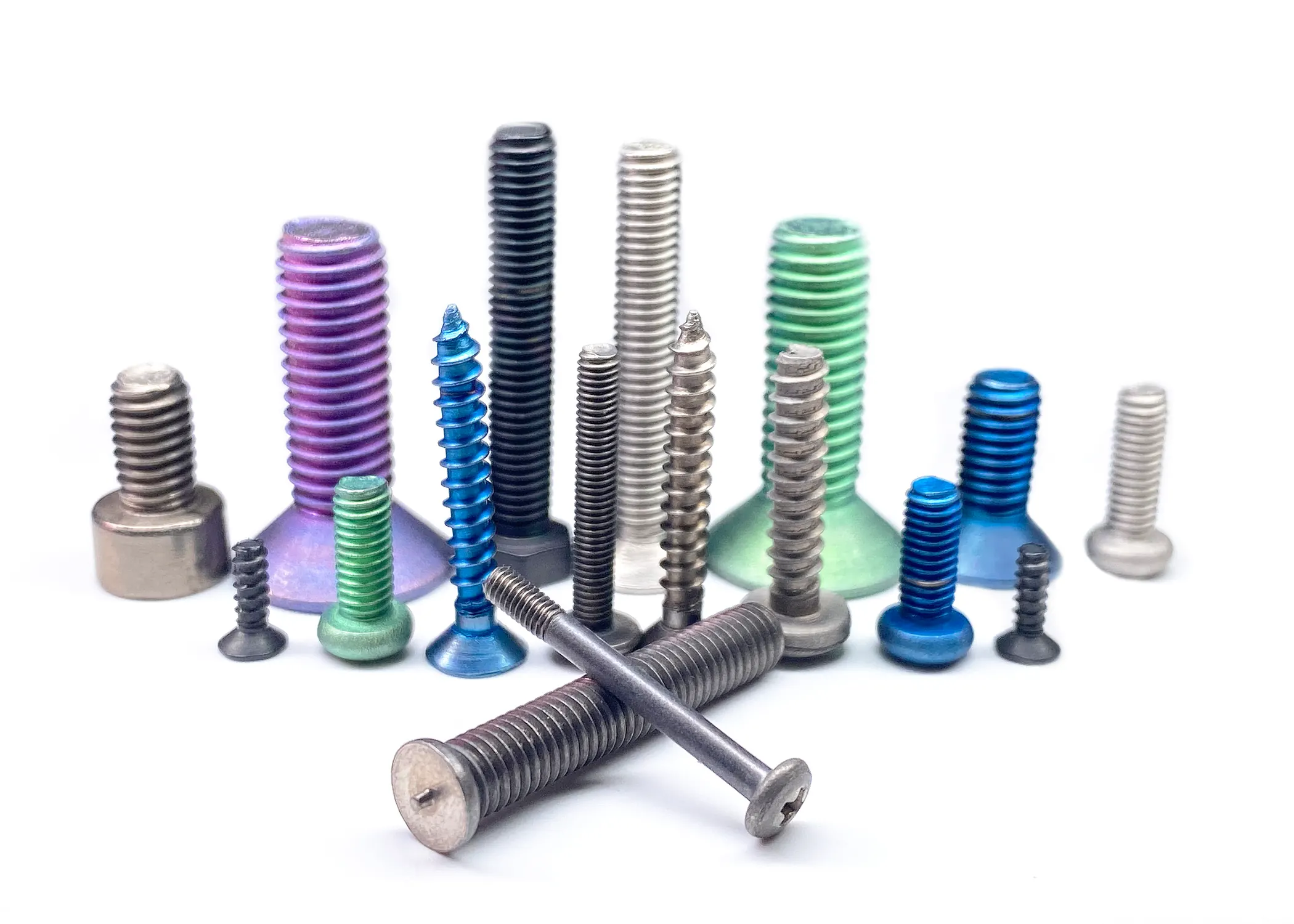
Titanium
A lower-density option for weight-sensitive assemblies. Review the selected grade against strength, corrosion exposure, operating temperature and assembly requirements.
-
•
Grade Selection: Confirm the exact titanium grade, applicable standard and material certificate before quotation.
-
•
Manufacturing Route: Evaluate the screw geometry, forming requirements, CNC secondary machining needs and finished-part verification plan together.
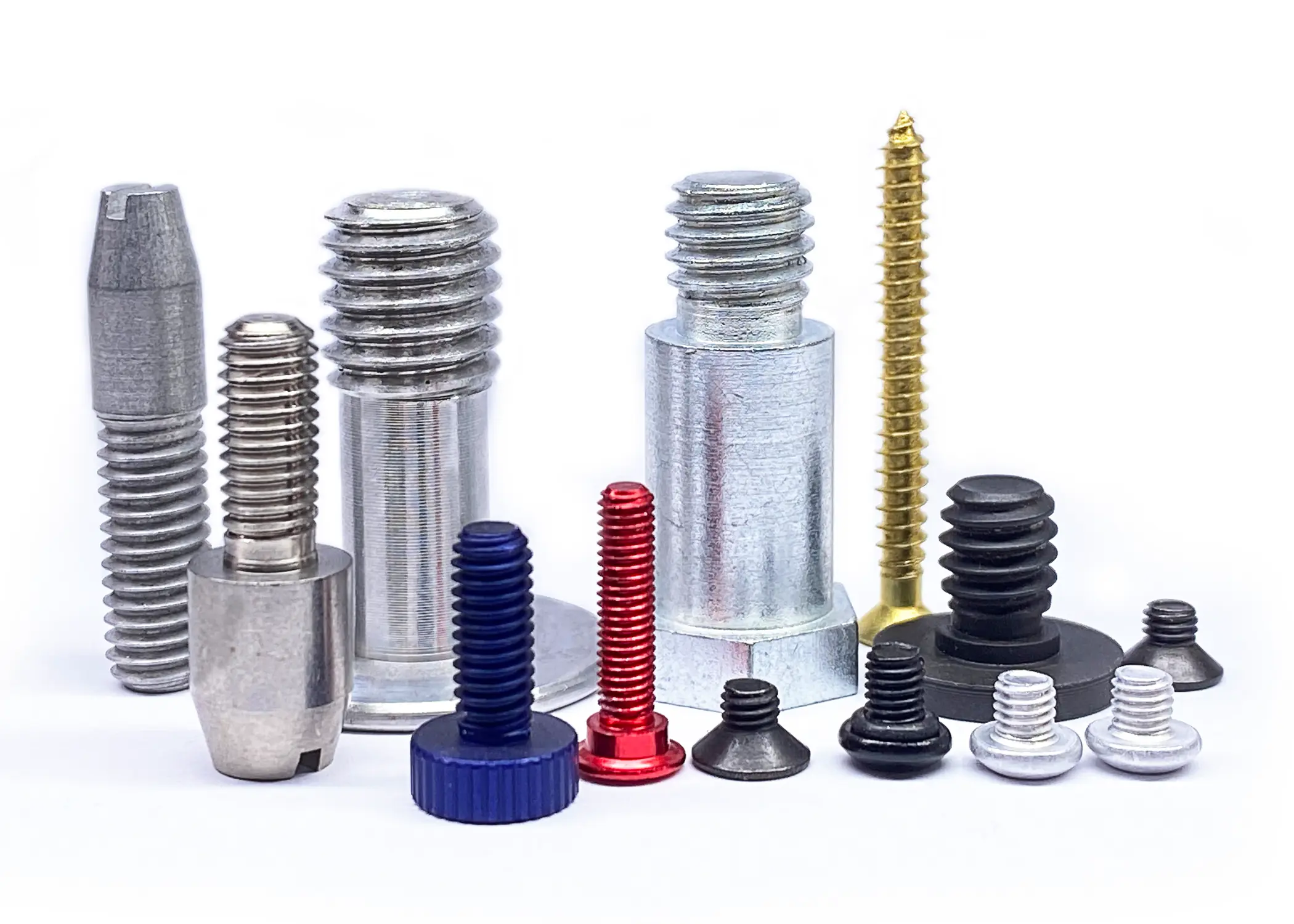
Aluminum
Lightweight and highly machinable, frequently used in electronics, instruments, and lightweight assemblies.
-
•
Grade Selection: Confirm the exact aluminum grade against the drawing, strength and corrosion requirements.
-
•
Material Condition: Review the specified temper, forming feasibility, CNC secondary machining and dimensional requirements.
-
•
Surface Finish: Evaluate anodizing requirements, coating thickness, color and assembly fit for the selected grade.
Material Weight Comparison
For screws with the same geometry and dimensions, aluminum screws typically weigh approximately 34%–36% as much as carbon steel screws, while titanium screws typically weigh approximately 56%–58% as much as carbon steel screws.
Lower density can reduce overall assembly weight, but screw material selection should also consider strength, corrosion resistance, operating temperature, manufacturability, surface finish and cost. Density values are approximate and vary by grade.
| Material | Typical Density |
|---|---|
| Pure Copper | Approx. 8.96 g/cm³ |
| Brass | Approx. 8.4–8.7 g/cm³ |
| Stainless Steel | Approx. 7.7–8.0 g/cm³ |
| Carbon Steel | Approx. 7.85 g/cm³ |
| Titanium | Approx. 4.43–4.51 g/cm³ |
| Aluminum | Approx. 2.70–2.81 g/cm³ |
Material and Surface Finish Combinations
The performance of a screw is not determined by material alone. The following finish options require review of the exact grade, pretreatment, adhesion, coating thickness, dimensional tolerances and service environment, followed by sample validation where required.
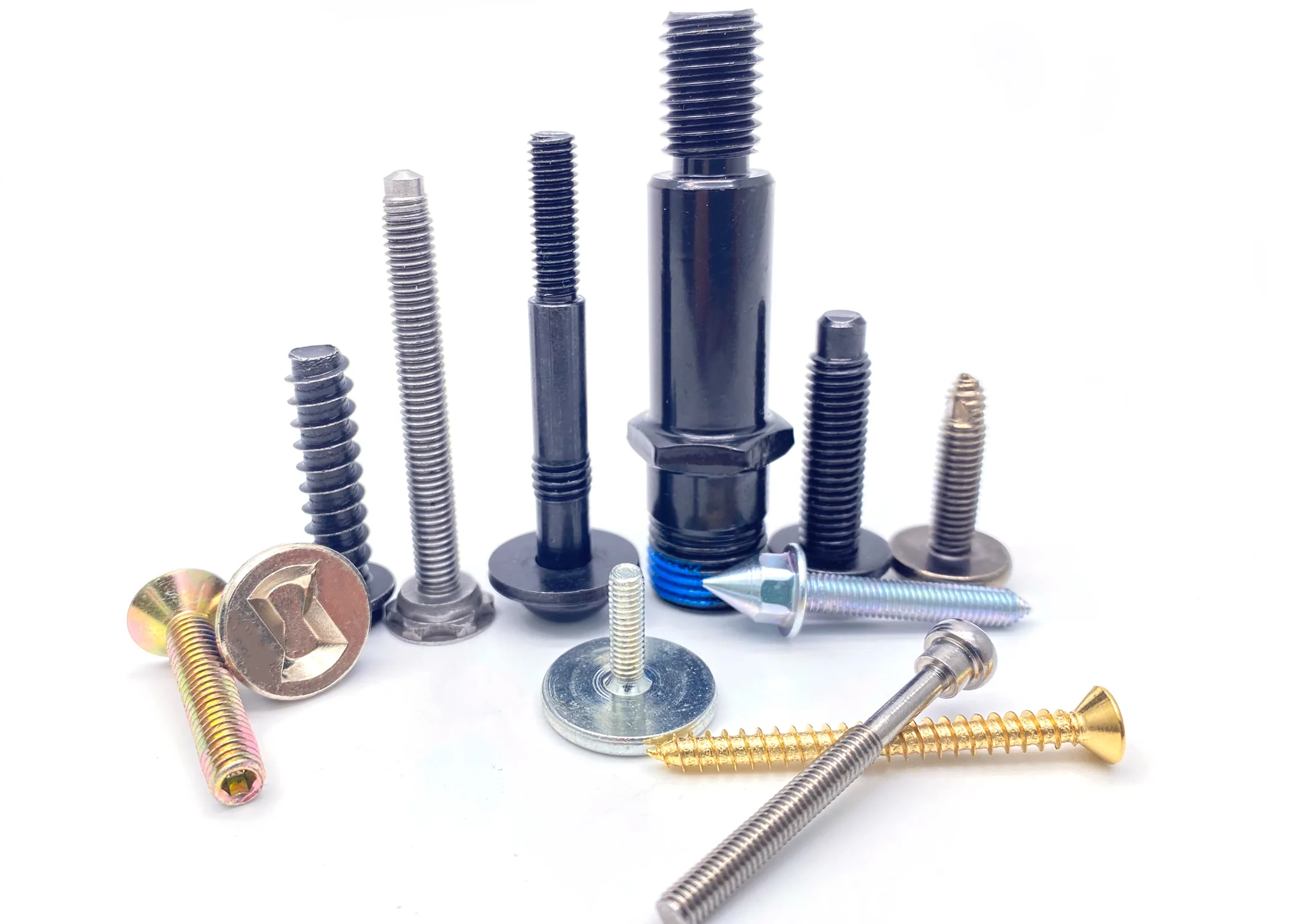
Carbon / Alloy Steel
Options for Review: Zinc-Nickel Alloy, Dacromet, Gold Plating, Bronze Plating, Electrophoresis.
* High-strength fasteners require hydrogen-embrittlement risk and process review, including applicable pretreatment, plating, baking and verification requirements.
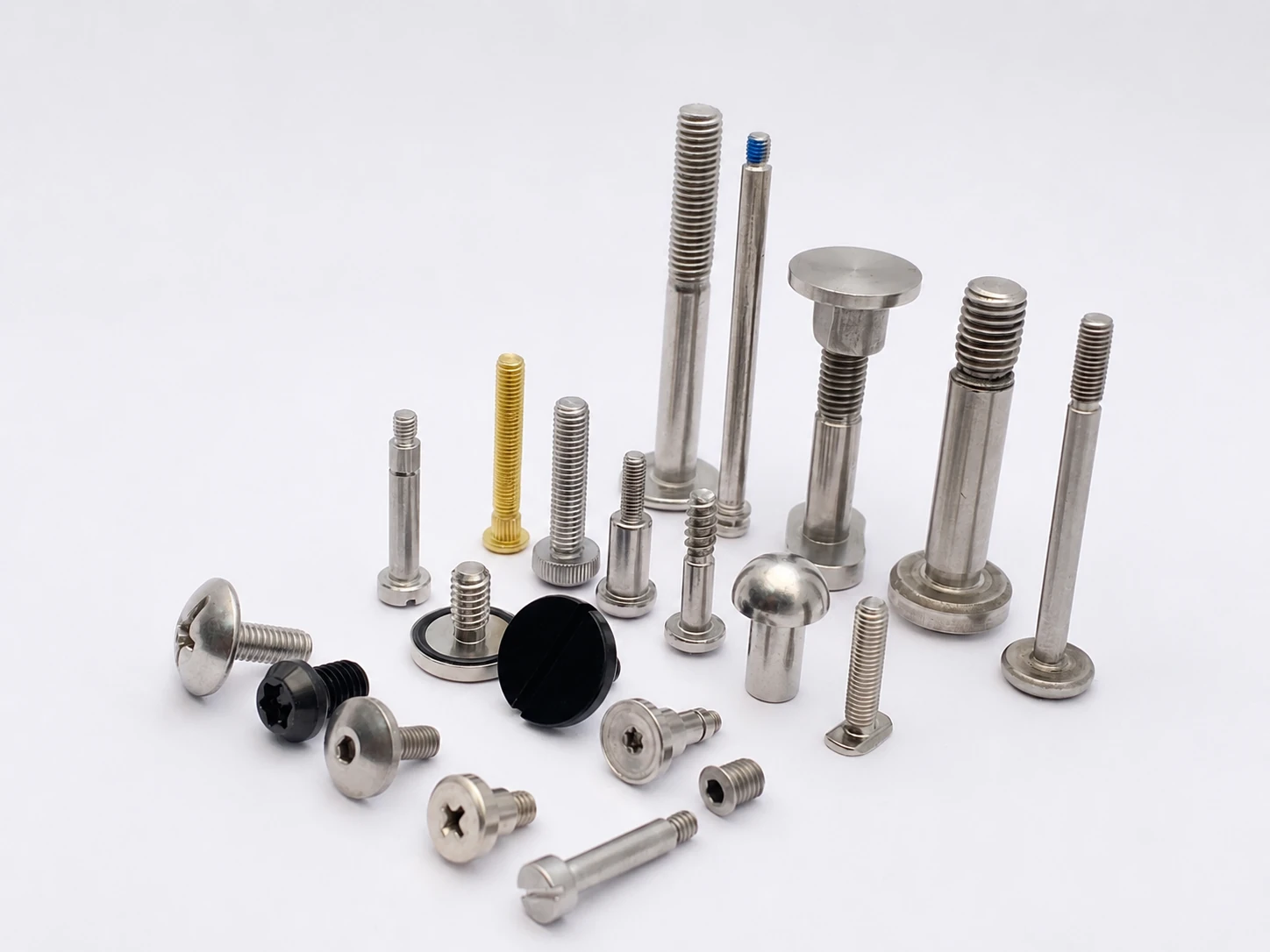
304 / 316 Stainless Steel
Options for Review: Gold Plating, QPQ, PVD, Silver Plating, Strike Nickel, Electrophoresis, Electropolishing, Sandblasting. Confirm compatibility with the exact grade, pretreatment, adhesion and dimensional requirements.
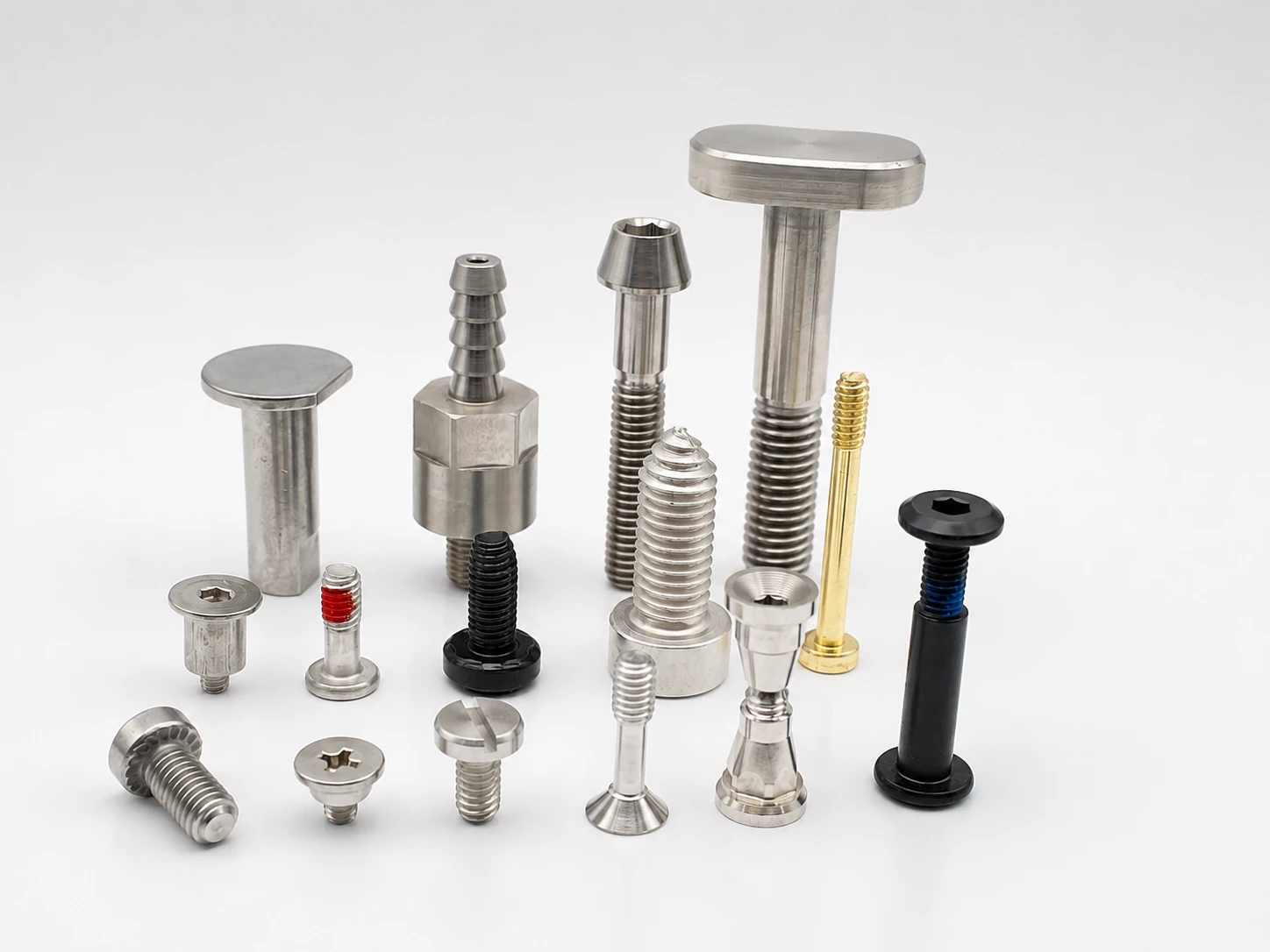
410 Stainless Steel
Treatment Options for Review: Dacromet, Vacuum Hardening, Electrophoresis, High-Temperature Blackening. The heat-treatment and finishing sequence is confirmed for each project.
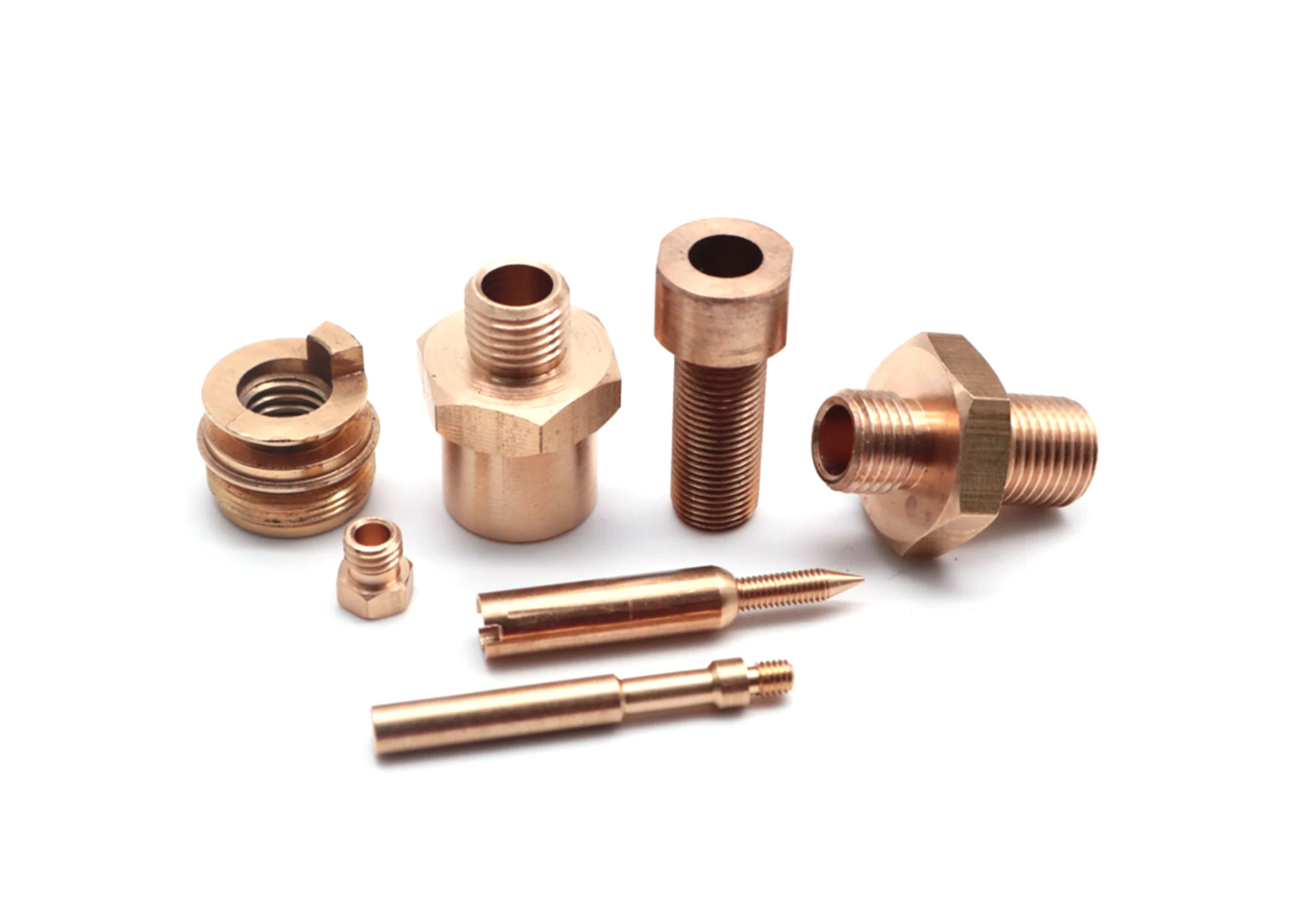
Copper & Copper Alloys
Options for Review: Passivation, Tin Plating, Gold Plating, Black Nickel Plating, Nickel Plating, Silver Plating.
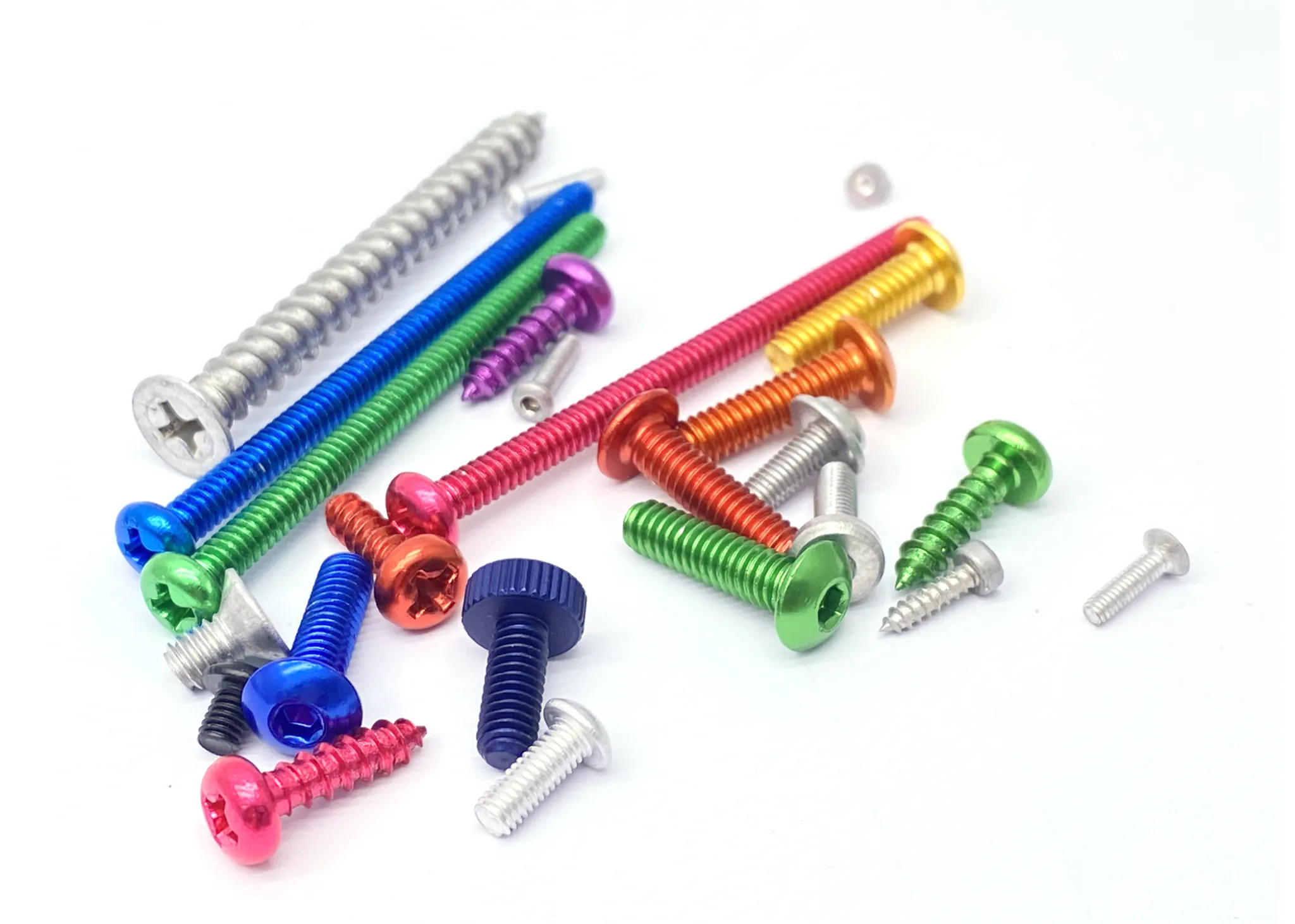
Aluminum
Options for Review: Regular Anodizing, Hard Anodizing. Confirm the grade, coating thickness, appearance and fit requirements before selection.
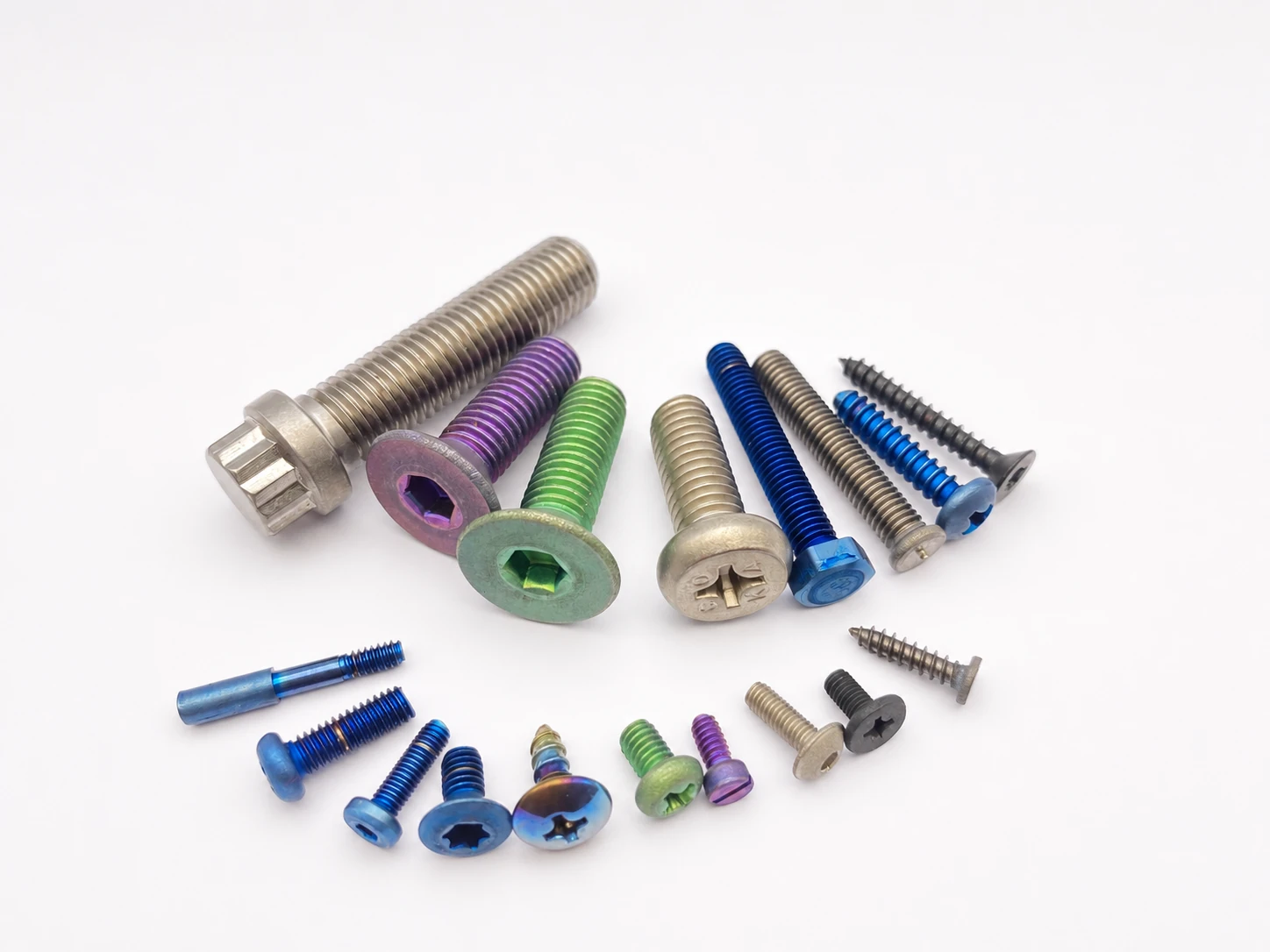
Titanium
Options for Review: Passivation, Anodizing, Micro-Arc Oxidation, Gold Plating, Electrophoresis.
Not Sure Which Material to Choose?
Send us your drawing, operating environment, required strength, corrosion exposure, installation method and target quantity. Our engineering team will evaluate the material grade, manufacturing process, heat treatment and surface finish as one complete solution.
Email Us
sst@szsst88.comCall Us
13143444311Factory Address
Building 9, Tantou First Industrial Zone, Songgang Street, Bao'an District, Shenzhen, Guangdong, China
Disclaimer: Material properties shown on this page are general references. Final grade selection and mechanical performance must be confirmed according to the applicable standard, material certificate, product dimensions, manufacturing process and finished-product testing.