Surface Finishes for Custom Screws
Corrosion-resistant, decorative and functional finishes for stainless steel, carbon steel, aluminum, titanium, copper and custom fasteners.
Shi Shi Tong coordinates surface treatment for custom screws according to the base material, drawing and application. Our engineering review covers pretreatment, coating thickness, thread tolerance, appearance, service environment and sample validation before production.
Find a Finish for Your Screw Material
Recommended and Available identify options for material-specific selection, not unconditional suitability. Every finish requires confirmation of the exact grade, pretreatment, coating thickness, color, thread fit and test requirements.
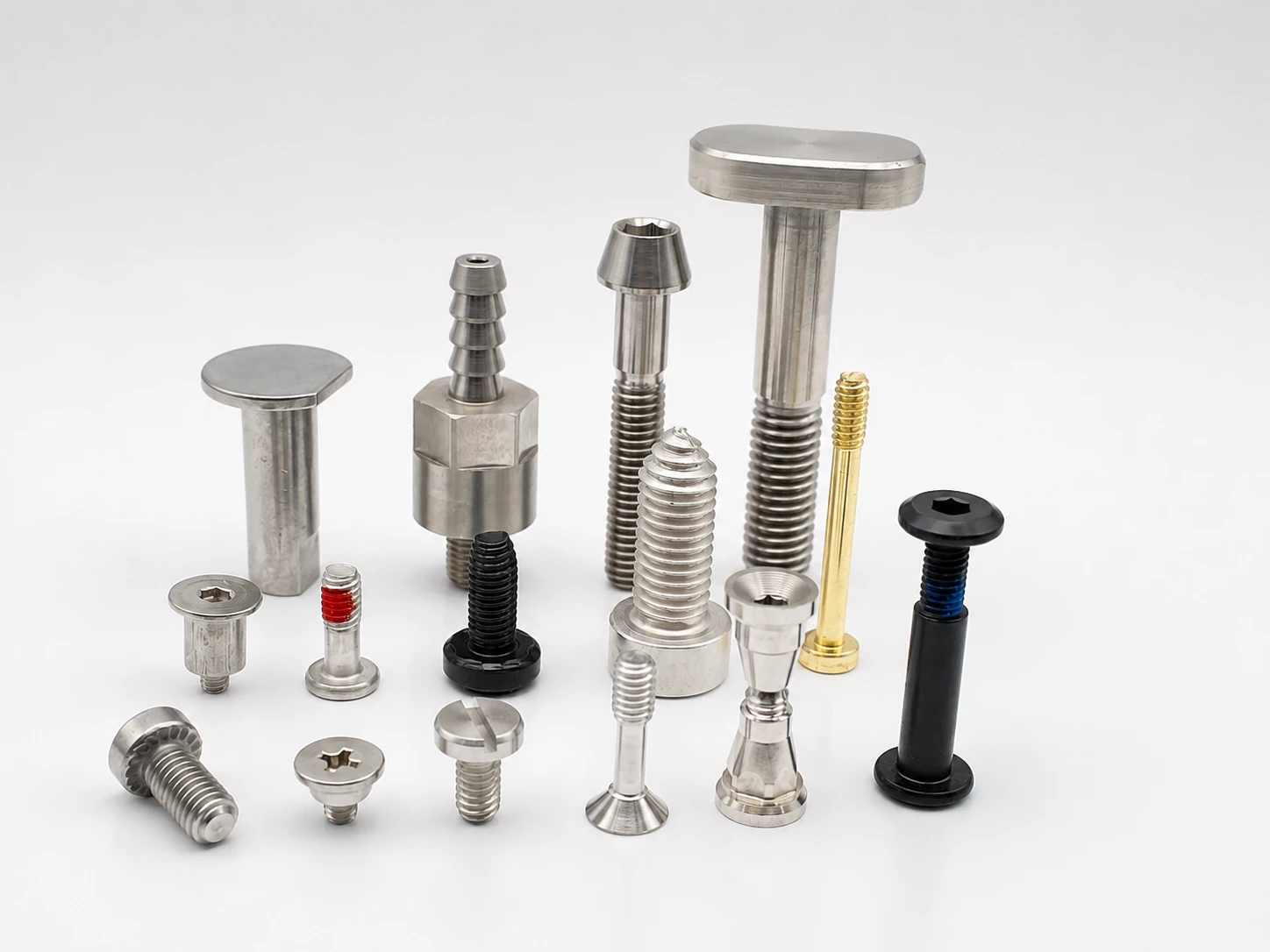
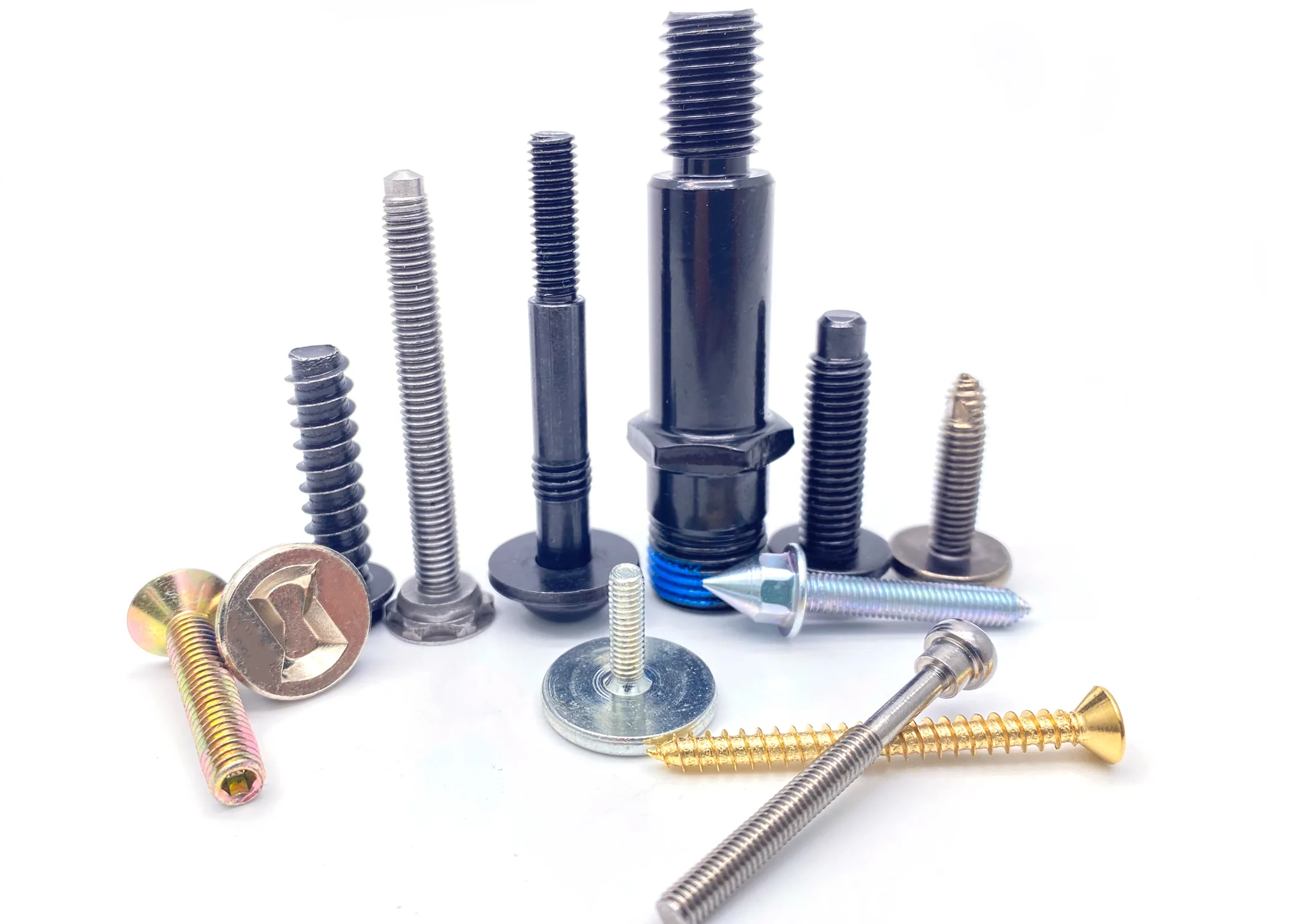
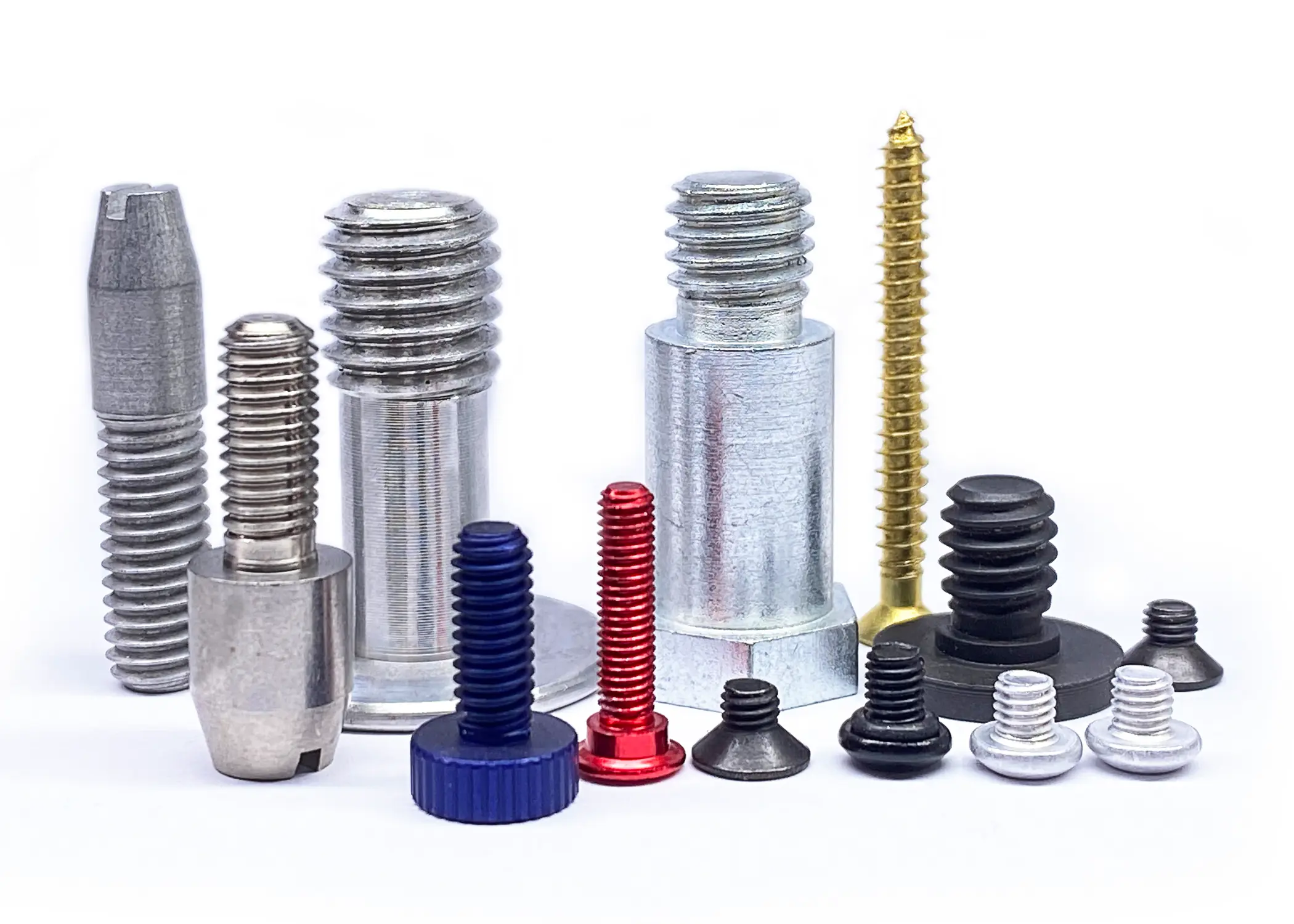
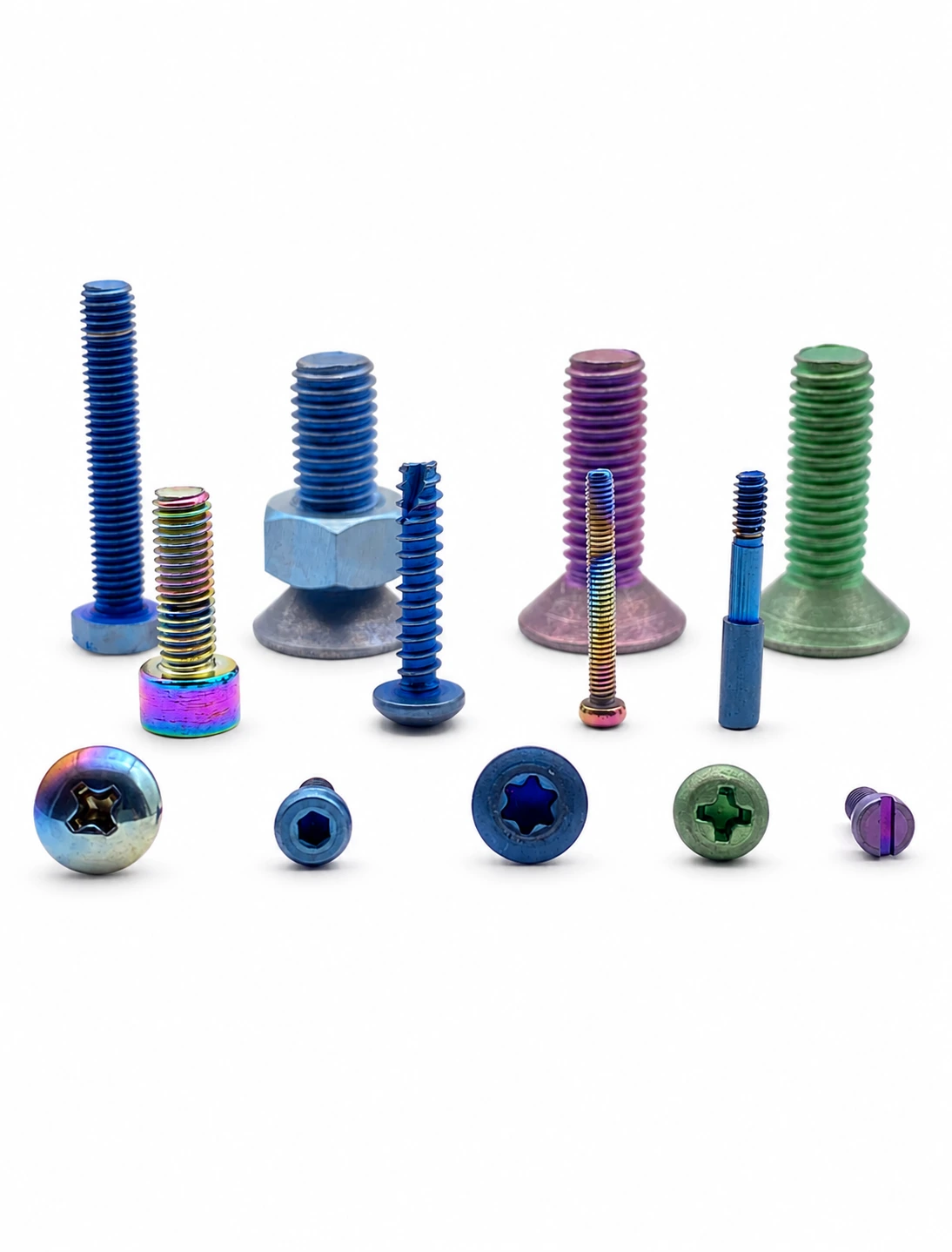
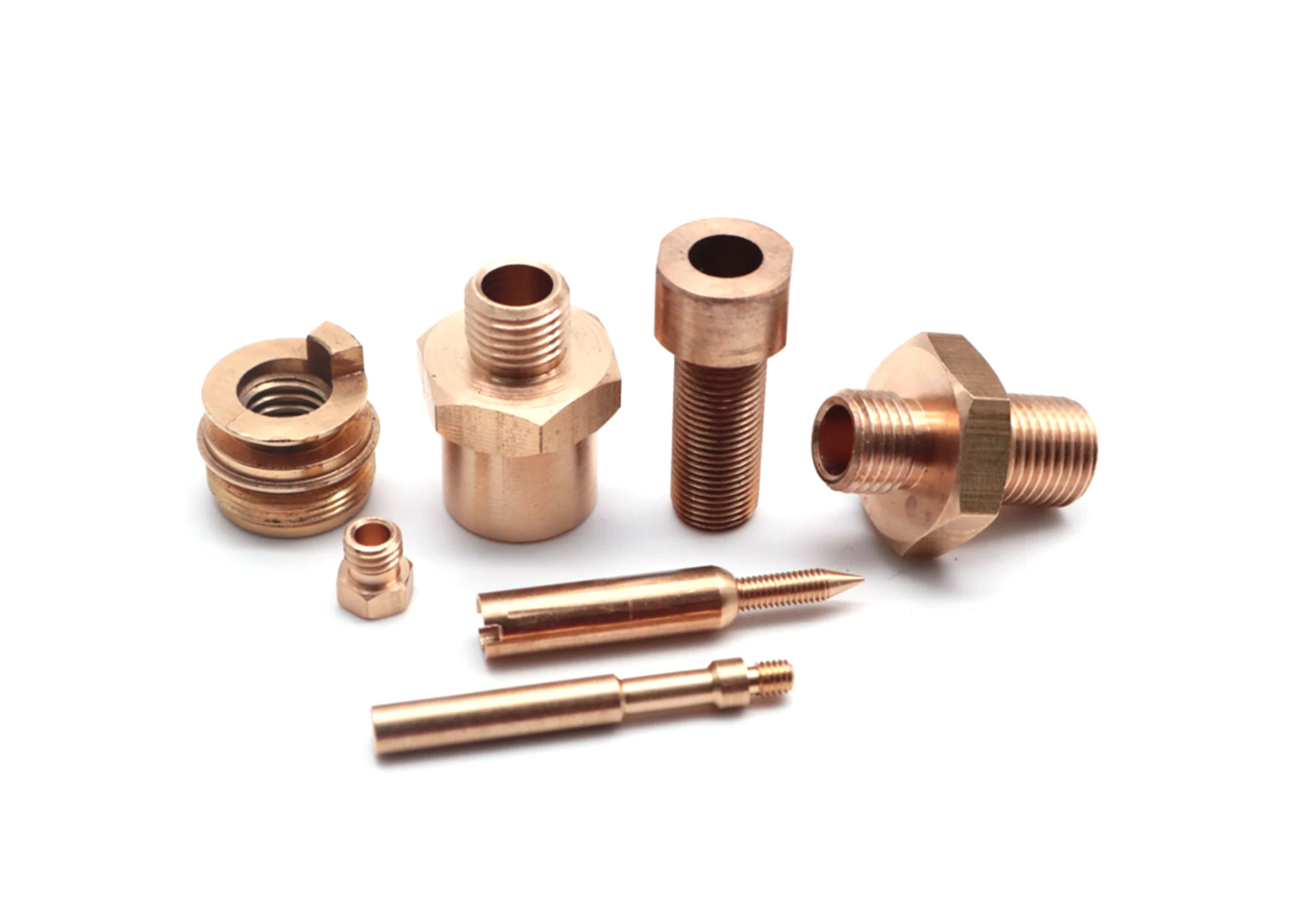
Core Surface Processes

Zinc Plating
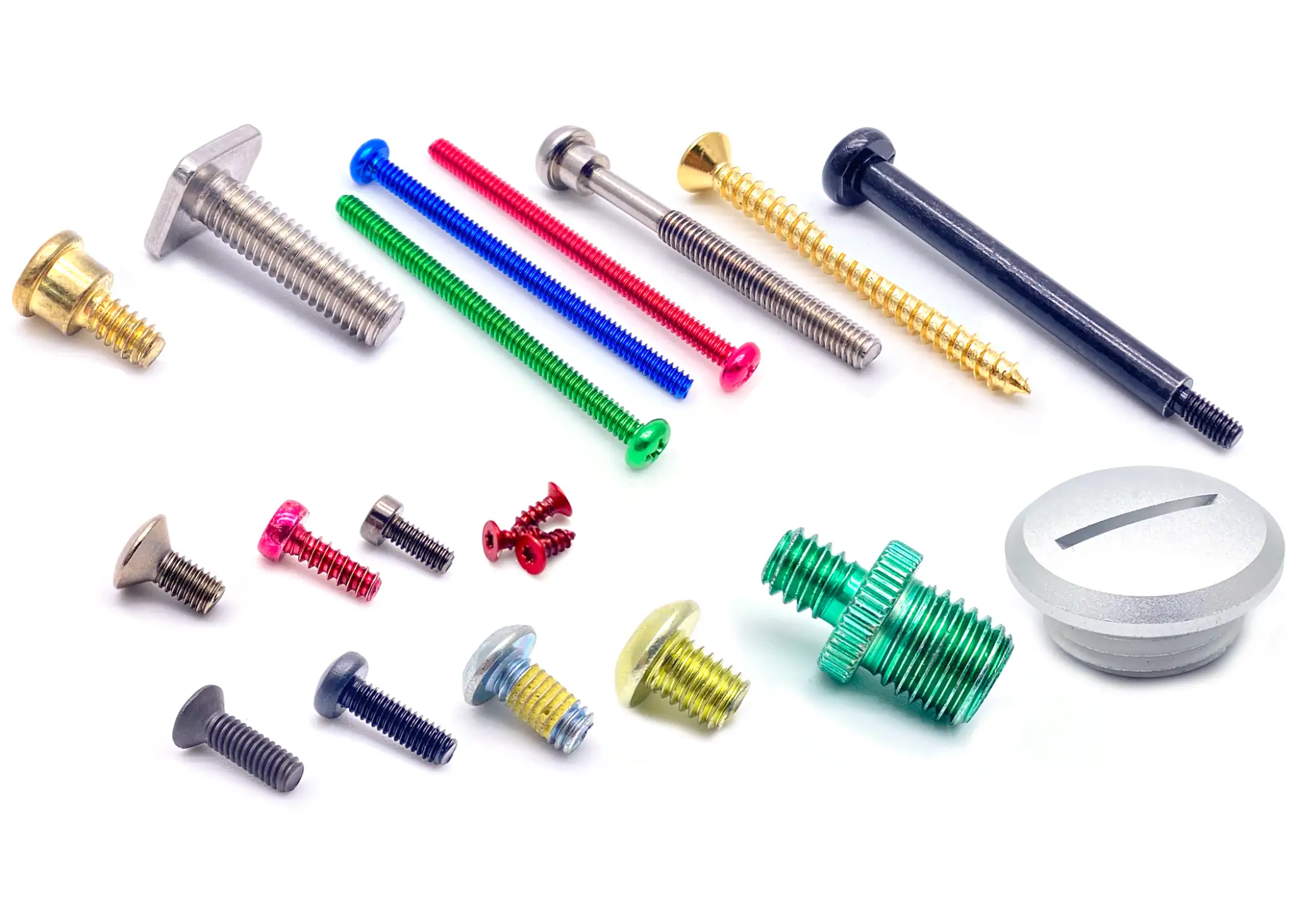
Zinc-based options include white, blue, yellow, black and selected color systems. Confirm color, coating thickness, corrosion criteria and thread fit for the project.
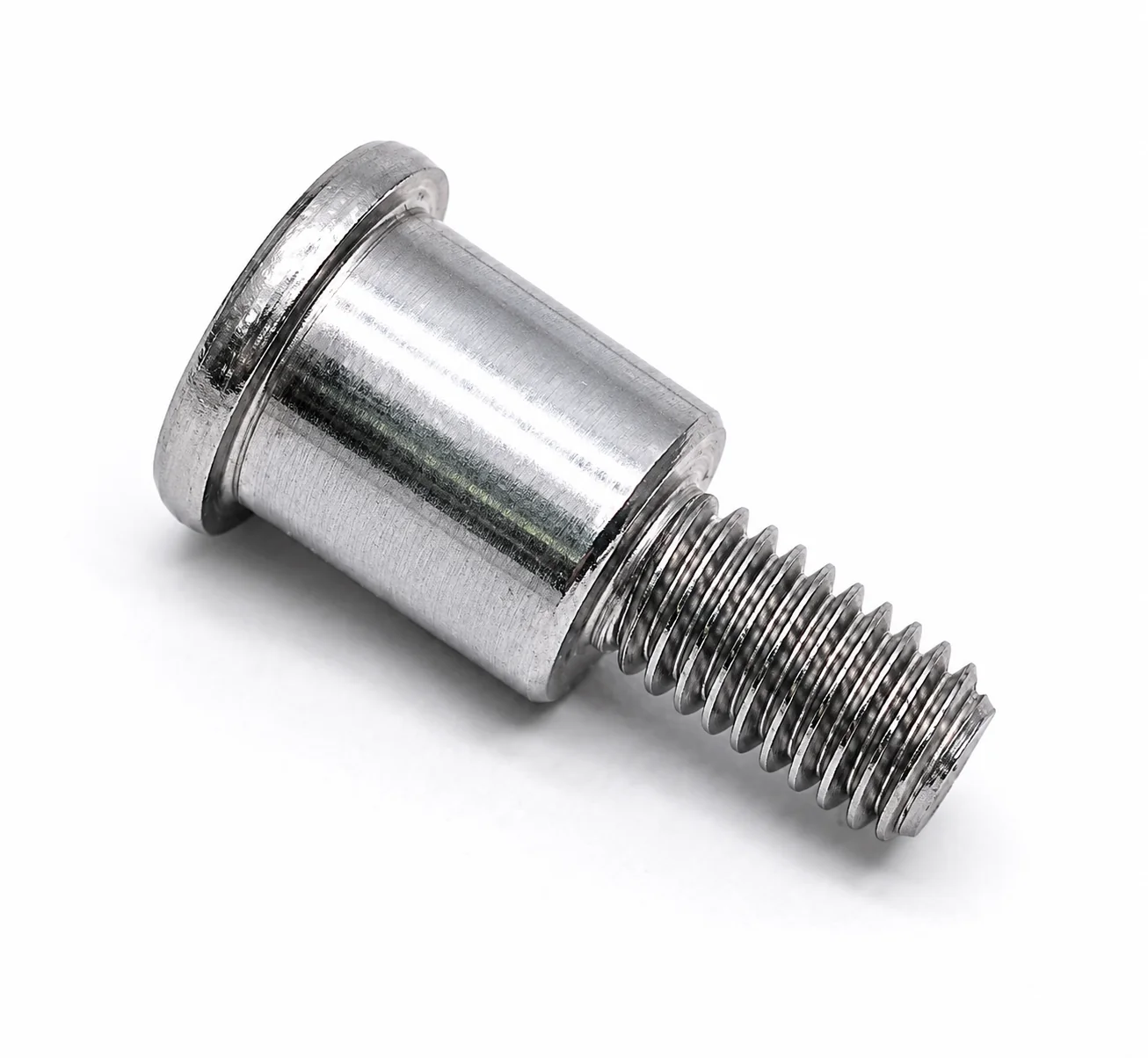
Zinc-Nickel Alloy
Evaluate gray and black systems separately for the required corrosion performance. Base material, pretreatment, coating thickness and test criteria must be confirmed through project review and sample testing.

QPQ Treatment
A surface-treatment option evaluated for hardness, wear, corrosion and black appearance requirements. Confirm grade compatibility, process temperature, dimensional effect and the sample acceptance plan.
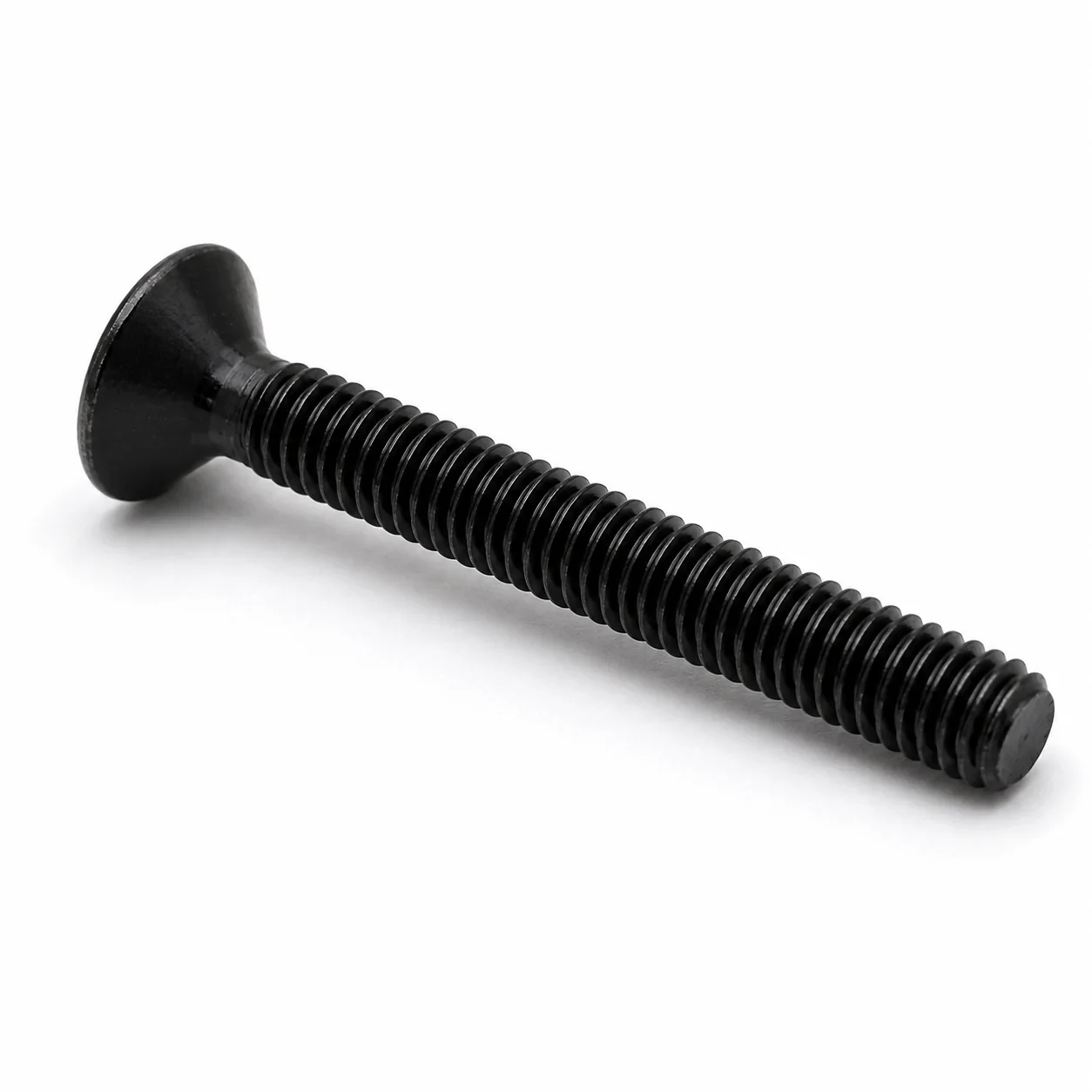
High-Temperature Blackening
Evaluated for selected stainless grades and matte or gray-black appearance. Confirm thermal effects, post-treatment oiling and compatibility with thread-locking compounds or later painting.
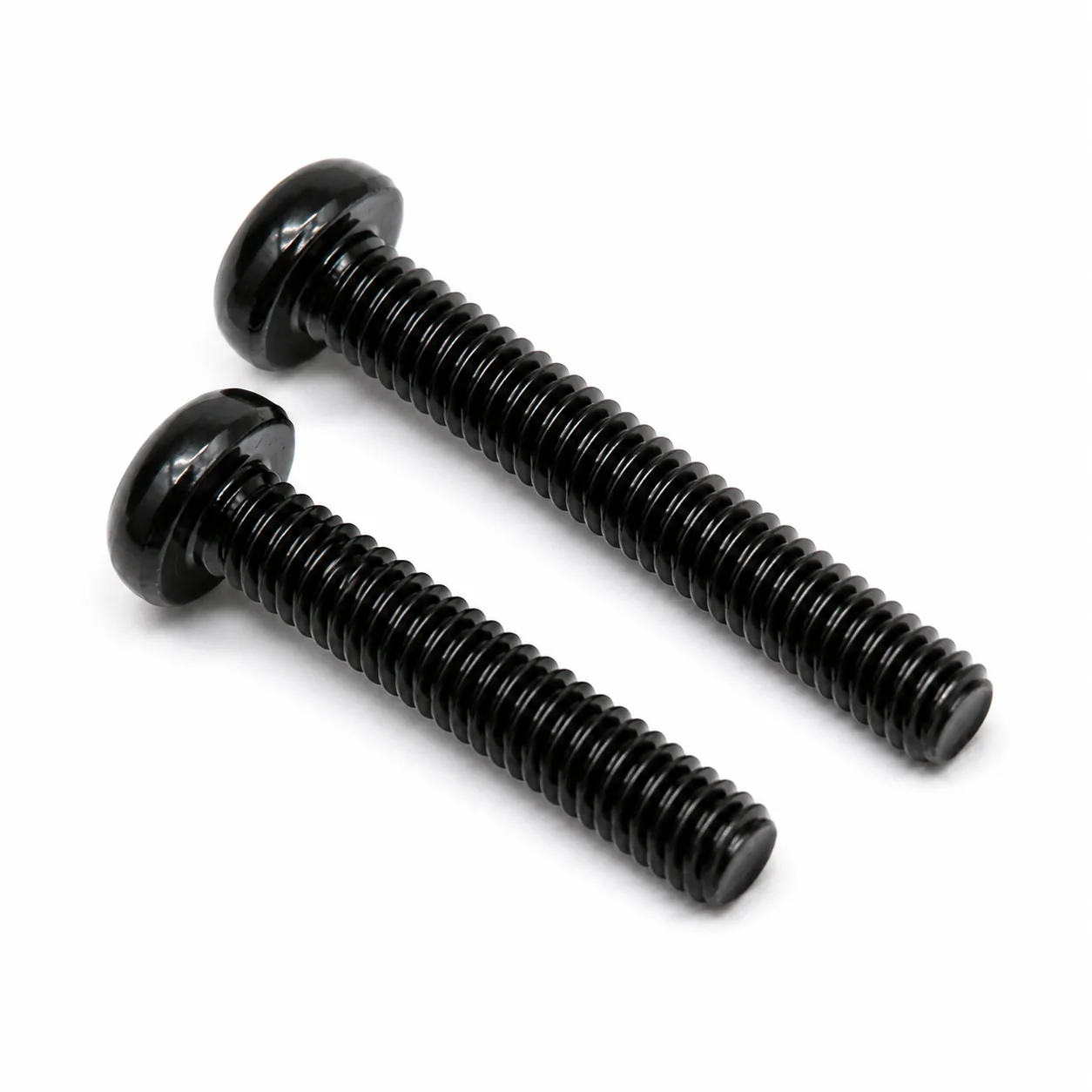
Electrophoretic Black
An option for a uniform black appearance. Confirm gloss, film thickness, adhesion, scratch resistance and corrosion performance against the approved sample and test criteria.

Passivation
Evaluated for the specified stainless grade and surface condition. Confirm the cleaning route, appearance, corrosion acceptance criteria and project-specific testing requirements.
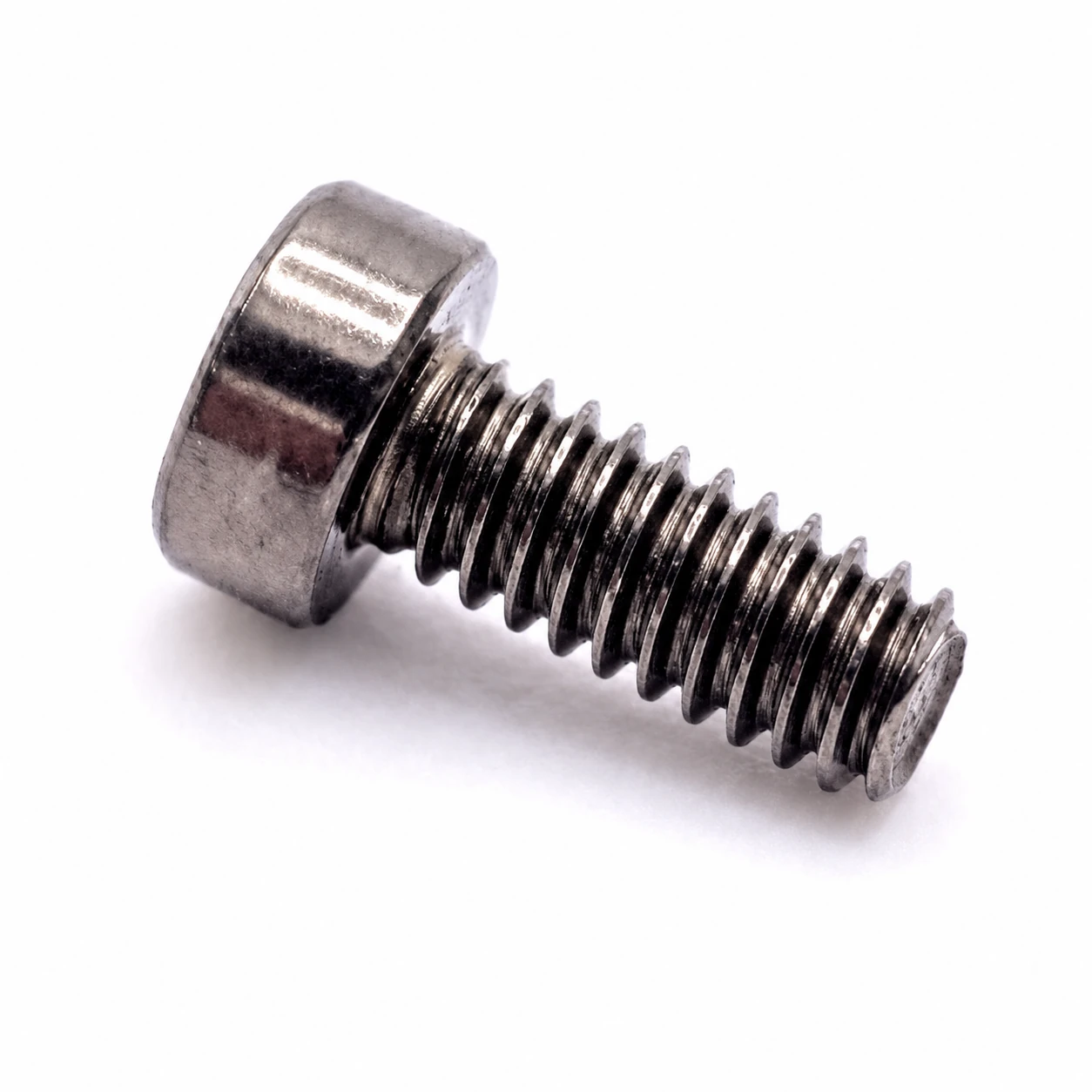
Zinc Flake Coating
Silver-gray and black coating systems, including Dacromet, are selected by substrate and application. High-strength projects require review of pretreatment, thickness, friction and thread fit.
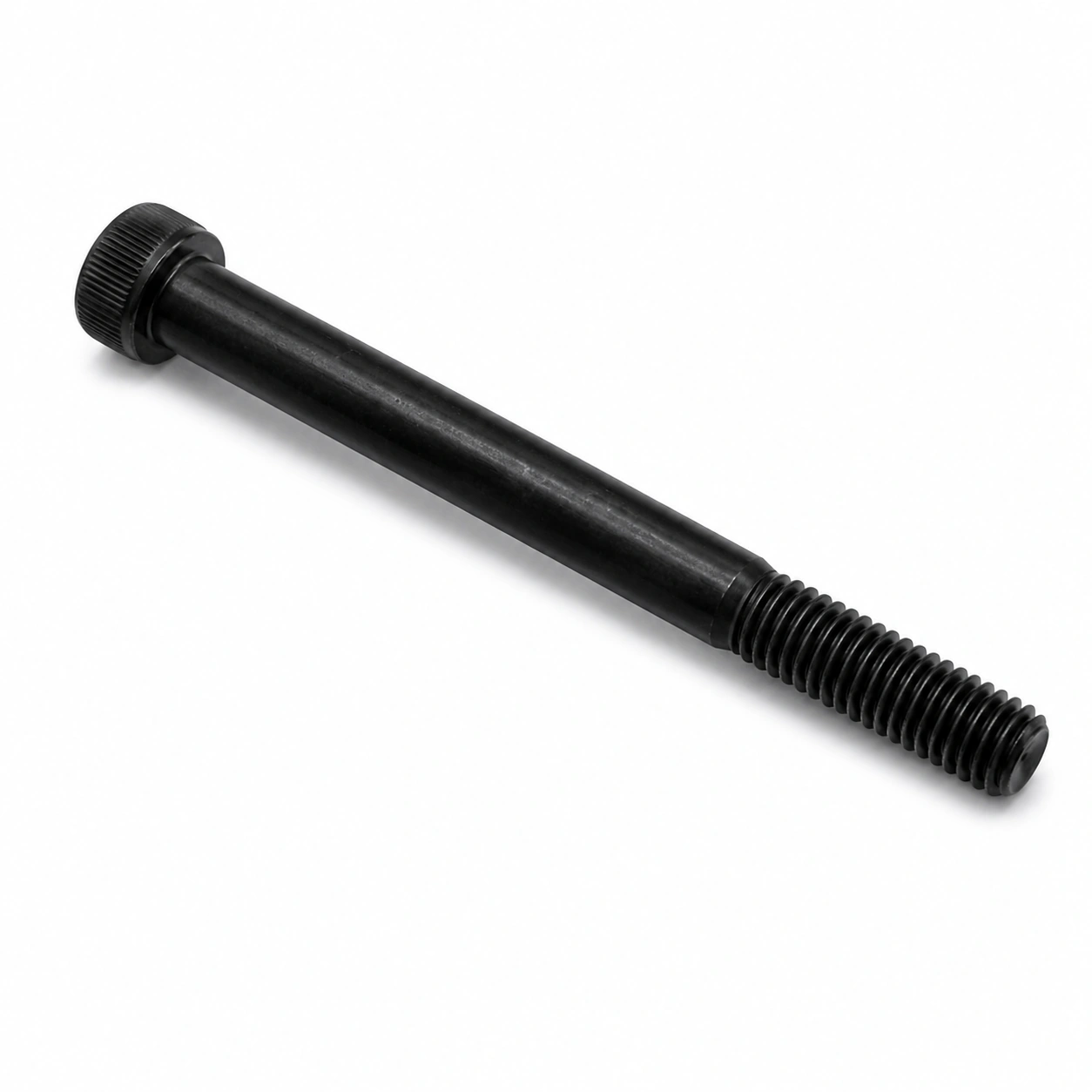
Phosphating
Commonly used after carbon steel hardening. Black or gray color. Zinc and manganese systems available.
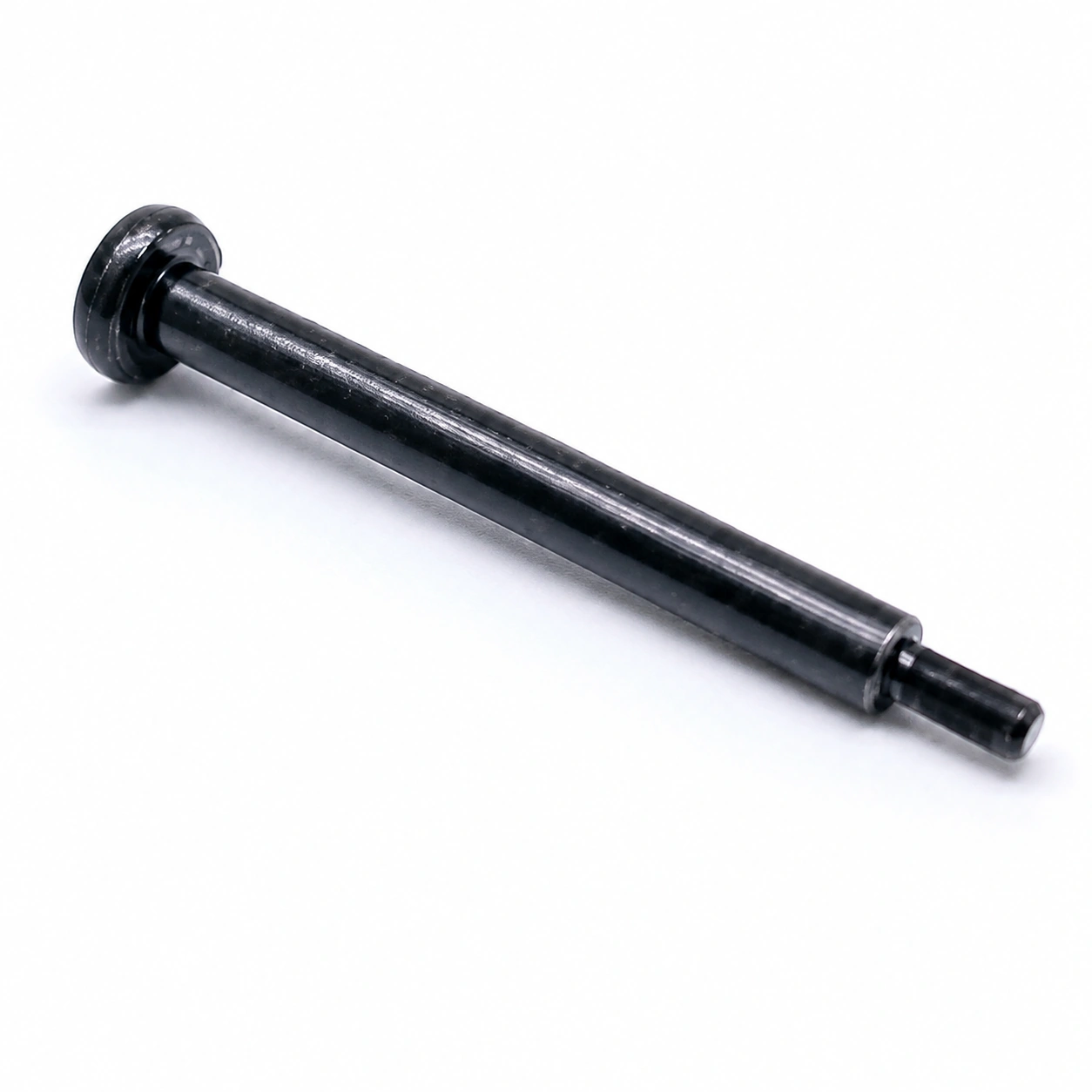
PVD
A coating option for selected stainless steel projects with appearance or wear requirements. Confirm the coating system, substrate, adhesion, thickness and approved sample; color depends on the selected process.
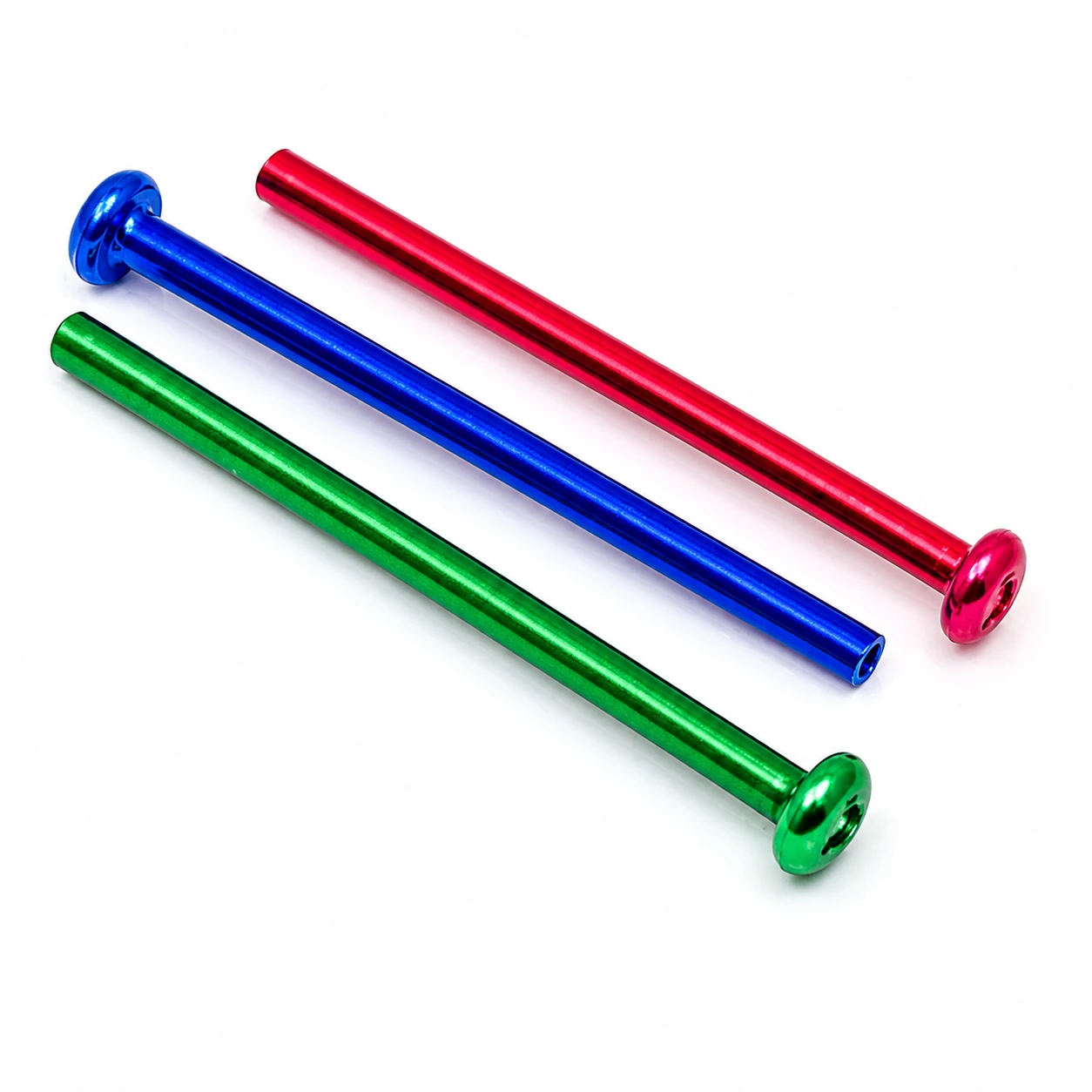
Anodizing
For aluminum and titanium. Aluminum surface appearance is generally brighter and glossier, while titanium is generally more matte. Final color and appearance must be confirmed based on specific material, pretreatment, and approved samples.
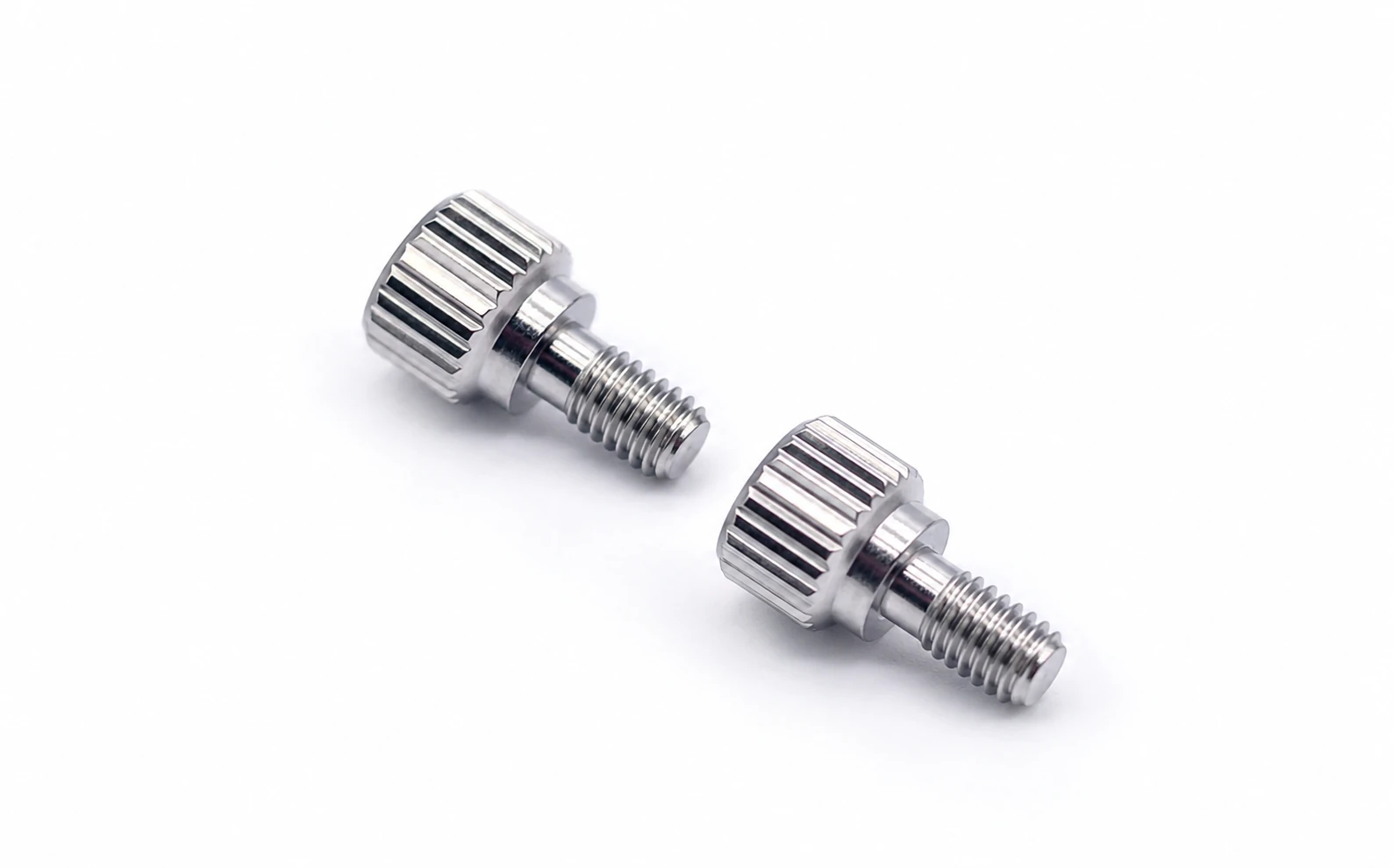
Polishing
Focuses on improving surface finish, appearance, and smoothness. Confirm the required final gloss, surface condition, and edge requirements based on project specifications.
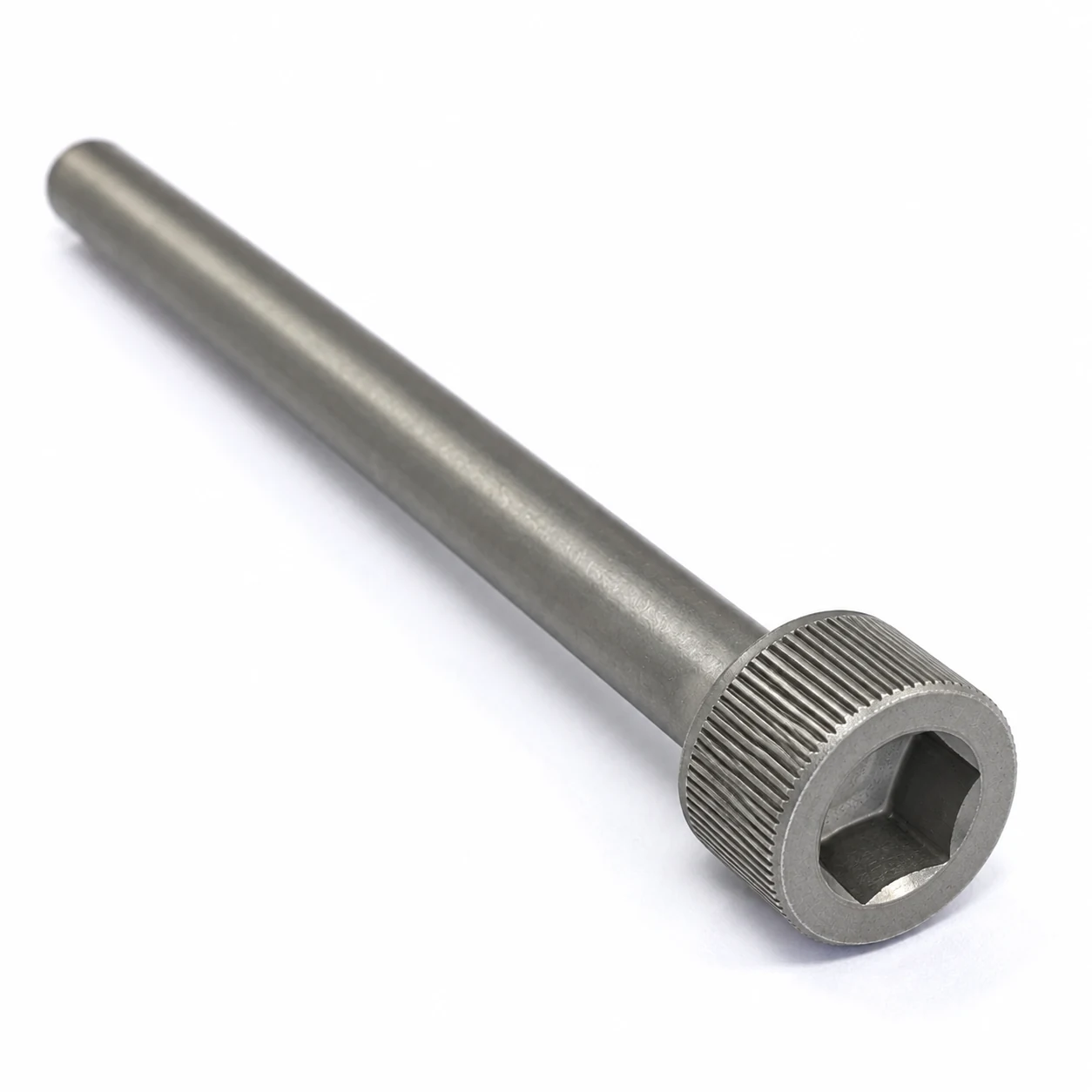
Sandblasting
Used for surface cleaning, forming a uniform texture, reducing surface gloss, or as a pretreatment for subsequent coatings. Confirm the blasting media, surface roughness, and dimensional effects.
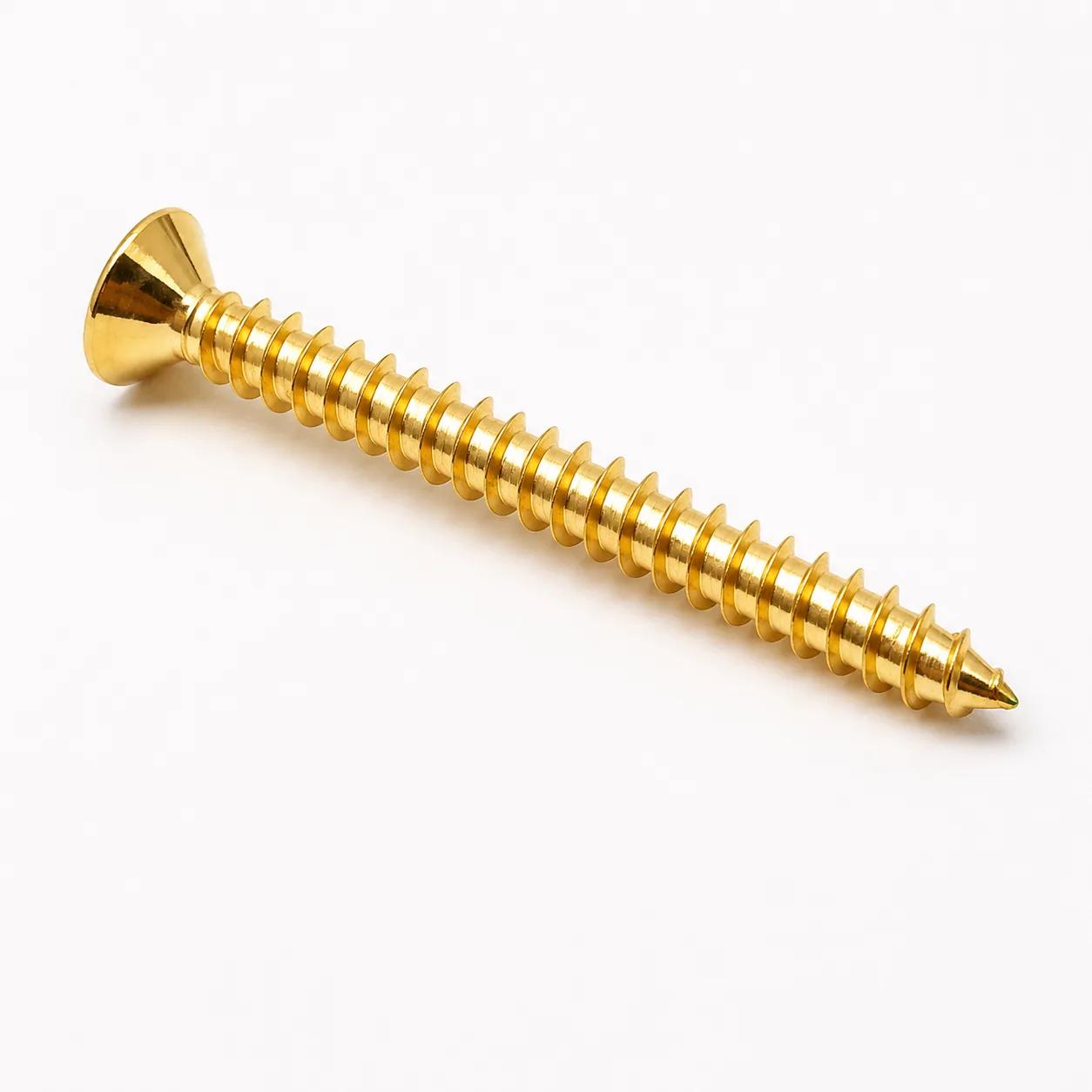
Functional Plating
Silver, gold, tin, and copper plating for conductivity, soldering, or highly decorative requirements.
Compare Black Finishes for Stainless Steel Screws
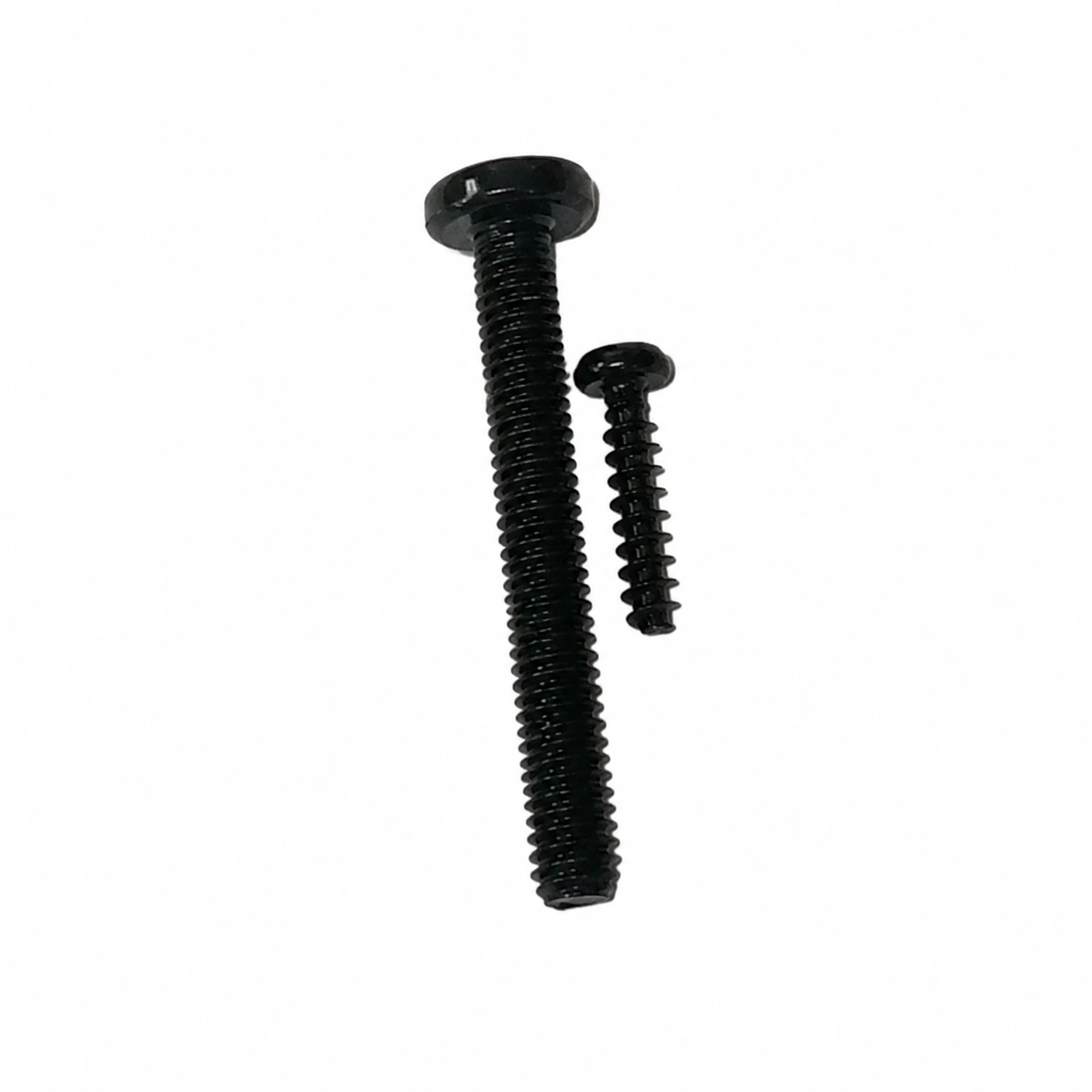
Black Zinc-Nickel
Semi-gloss black
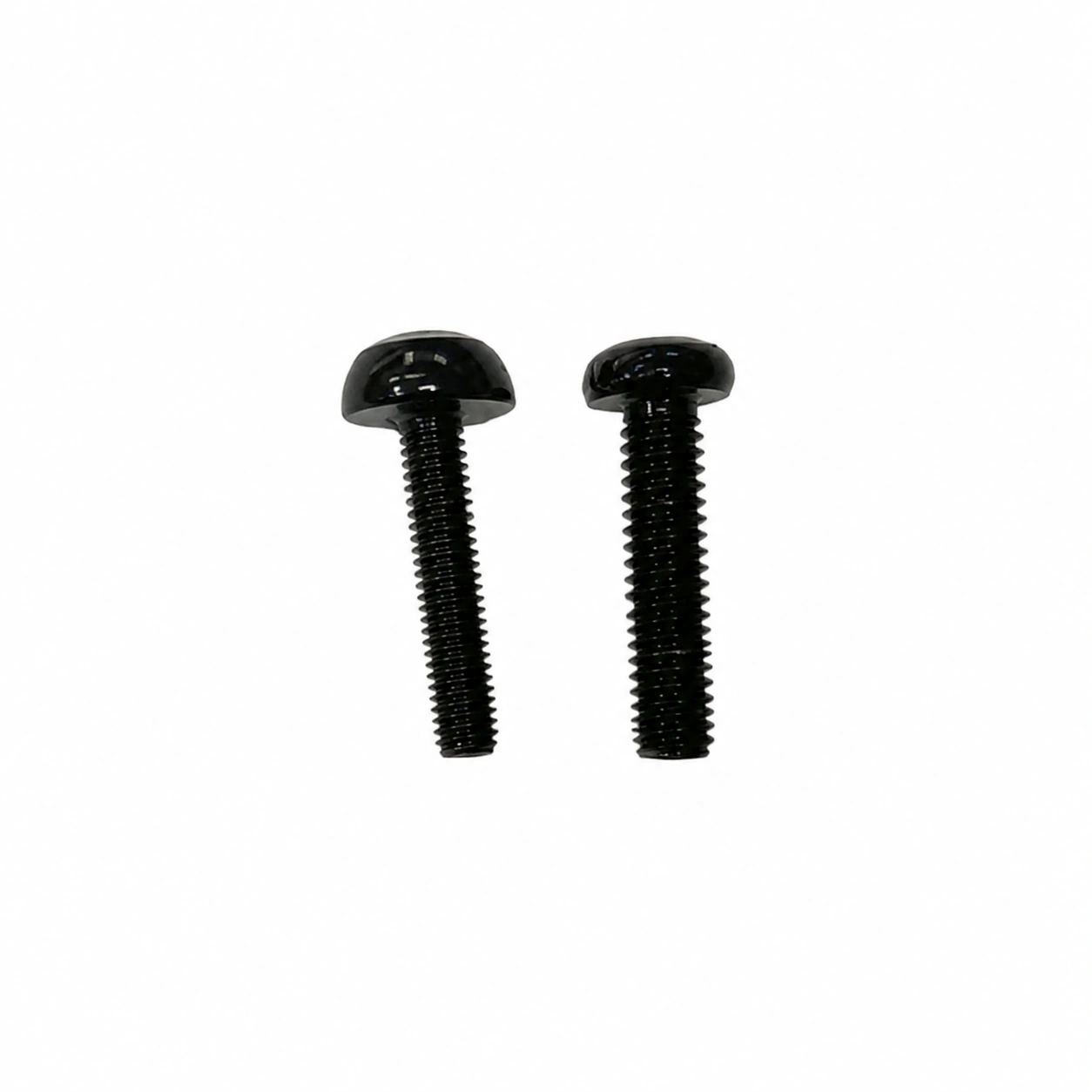
Electrophoretic Black
Bright, glossy black
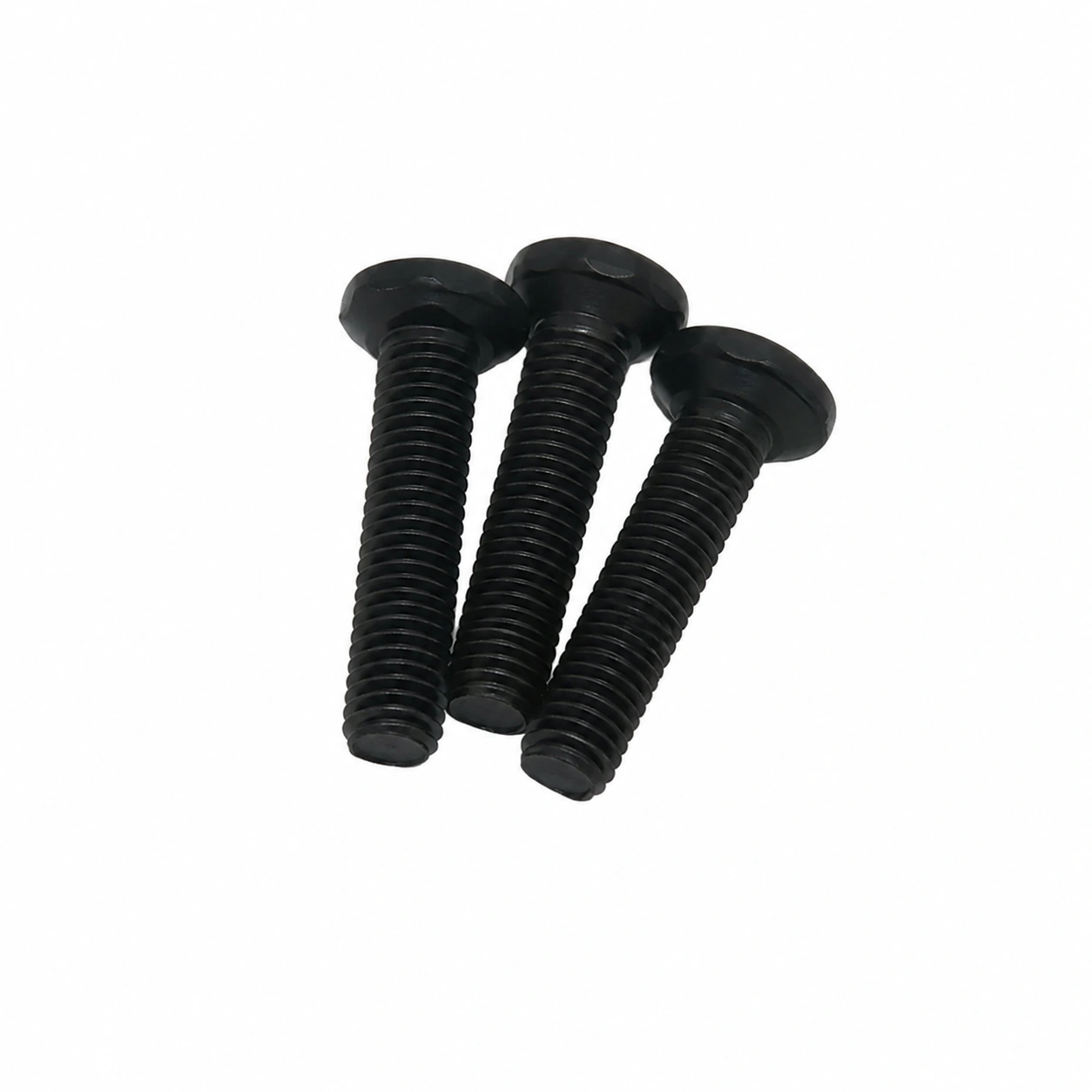
High-Temperature Blackening
Matte, gray-black
| Process | Appearance | Surface / Wear Review | Corrosion Testing | Key Features |
|---|---|---|---|---|
| Electrophoretic Black | Bright, glossy black | Confirm by sample testing | Agreed project test target | Review film thickness, adhesion, gloss and handling requirements |
| Black Zinc-Nickel | Semi-gloss black | Confirm by sample testing | Confirm black system and test criteria | Requires engineering review for the stainless grade, pretreatment and thread fit |
| High-Temperature Blackening | Matte, gray-black | Confirm by sample testing | Confirm grade and treatment sequence | Review thermal effects, dimensional change and compatibility with subsequent processing |
| QPQ | Deep black | Confirm by sample testing | Spec-dependent | Evaluate hardness, wear, corrosion and dimensional requirements for the exact grade |
| Black Nickel | Black; confirm gloss by sample | Confirm by sample testing | System-dependent | Requires engineering review of substrate, underlayers, adhesion and thickness |
Corrosion Resistance and Salt Spray Testing
Important Note on Testing Standards
Salt spray values are specification-dependent and may vary with base material, coating system, thickness, pretreatment, geometry and acceptance criteria. Final performance must be confirmed by sample testing or an agreed inspection standard.
Salt spray results are test-specific and should not be used alone to predict actual outdoor service life. Agree on the test method, exposure period and acceptance criteria before testing.
| Finish Type | Project-Specific Test Requirements |
|---|---|
| White Zinc | Confirm coating system, thickness and corrosion criteria |
| Yellow / Blue Zinc | Confirm color system, pretreatment and acceptance criteria |
| Nickel Plating | Confirm substrate, underlayers, thickness and test method |
| Black Nickel | Confirm substrate, coating sequence and sample performance |
| Electrophoresis | Confirm film system, adhesion and corrosion-test requirements |
| Phosphating | Confirm phosphate system, post-treatment and test conditions |
| High-Temperature Blackening | Confirm exact grade, process route and sample test criteria |
| Titanium Micro-Arc Oxidation | Confirm exact grade, process route and sample test criteria |
| Zinc Flake Coating | Confirm substrate, coating system, thickness and acceptance criteria |
| Zinc-Nickel Alloy | Confirm the project test target (Black and gray systems confirmed separately) |
| Stainless Steel Passivation | Confirm the project test target (Confirmed by material and standard) |
Important Finish Selection Notes
- Stainless steel cannot directly use carbon steel processes; phosphating and anodizing are not standard options for stainless steel.
- Direct nickel plating on stainless steel may have adhesion risks; it requires review based on the specific grade and pretreatment route.
- Silver plating on stainless steel requires a confirmed pretreatment and underlayer route. Evaluate strike nickel where applicable, including its effects on adhesion, appearance and thickness.
- Black nickel and chrome plating for specified stainless grades require confirmation of the material certificate, pretreatment, adhesion and process route.
- High-strength carbon steel electroplating requires hydrogen-embrittlement risk review, including pretreatment, baking and verification requirements under the agreed specification.
- Non-electrolytic zinc flake systems may be evaluated for high-strength fasteners. The complete route, including pretreatment, must be reviewed; coating selection alone does not eliminate process risks.
- Coating thickness affects external threads, internal threads, GO/NO-GO gauges, and assembly. Products with both threads may require rack plating.
- Dispensing (thread-locking), oiling, and subsequent painting must be confirmed early. For example, oiling after high-temp blackening affects dispensing adhesion.
- Demagnetized products must specify the material and target requirements to prevent the use of incorrect processing temperatures.
- SEMS screws and long screws require project-specific evaluation of heat treatment, post-processing sequence, assembly conditions and critical dimensions.
Not Sure Which Finish Is Right for Your Screws?
Send us the exact screw material grade, drawing, application environment, required color and corrosion-testing requirements. Our engineering team will review pretreatment, coating thickness, thread tolerance, finish suitability and sample validation.
Direct Contact
Email: info@fastenbydesign.com
Phone: 13143444311
Building 9, Tantou First Industrial Zone, Songgang Street, Bao’an District, Shenzhen, Guangdong, China