Custom Black Long Socket Screws Manufacturer
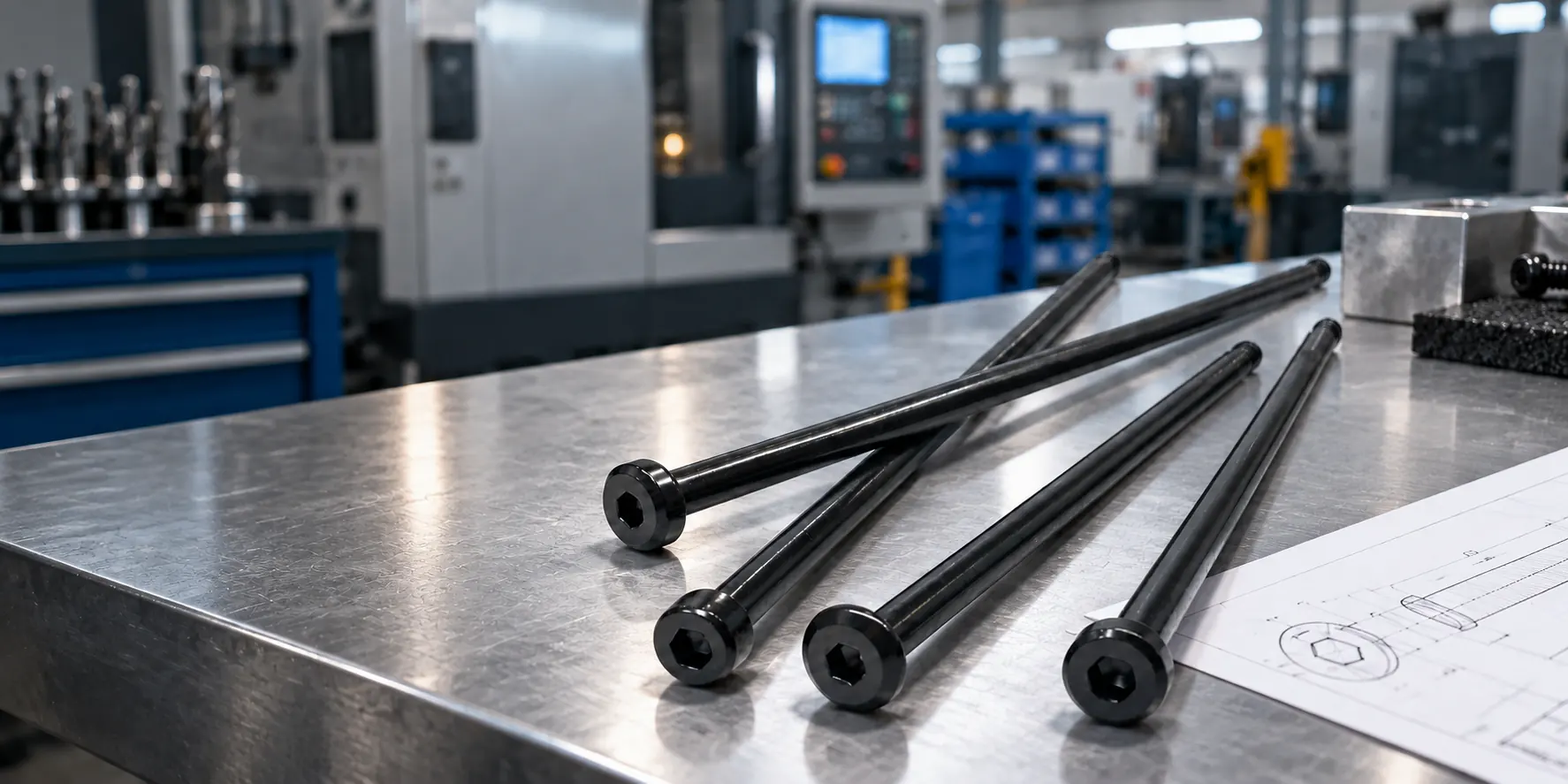
Shi Shi Tong evaluates and manufactures drawing-based long socket screw projects for assemblies that need extended reach, controlled thread engagement, restricted tool access or a non-standard head and drive combination. The head, socket recess, shank, thread, material, strength, black finish and inspection references are reviewed as one manufacturable specification.
- Overall long-screw evaluation scope: M1.4–M12 and 2–2000 mm
- Metric and inch thread review
- Full-thread, partial-thread and custom shank configurations
- Black finish selected after the base material and application are defined
What Is a Black Long Socket Screw?
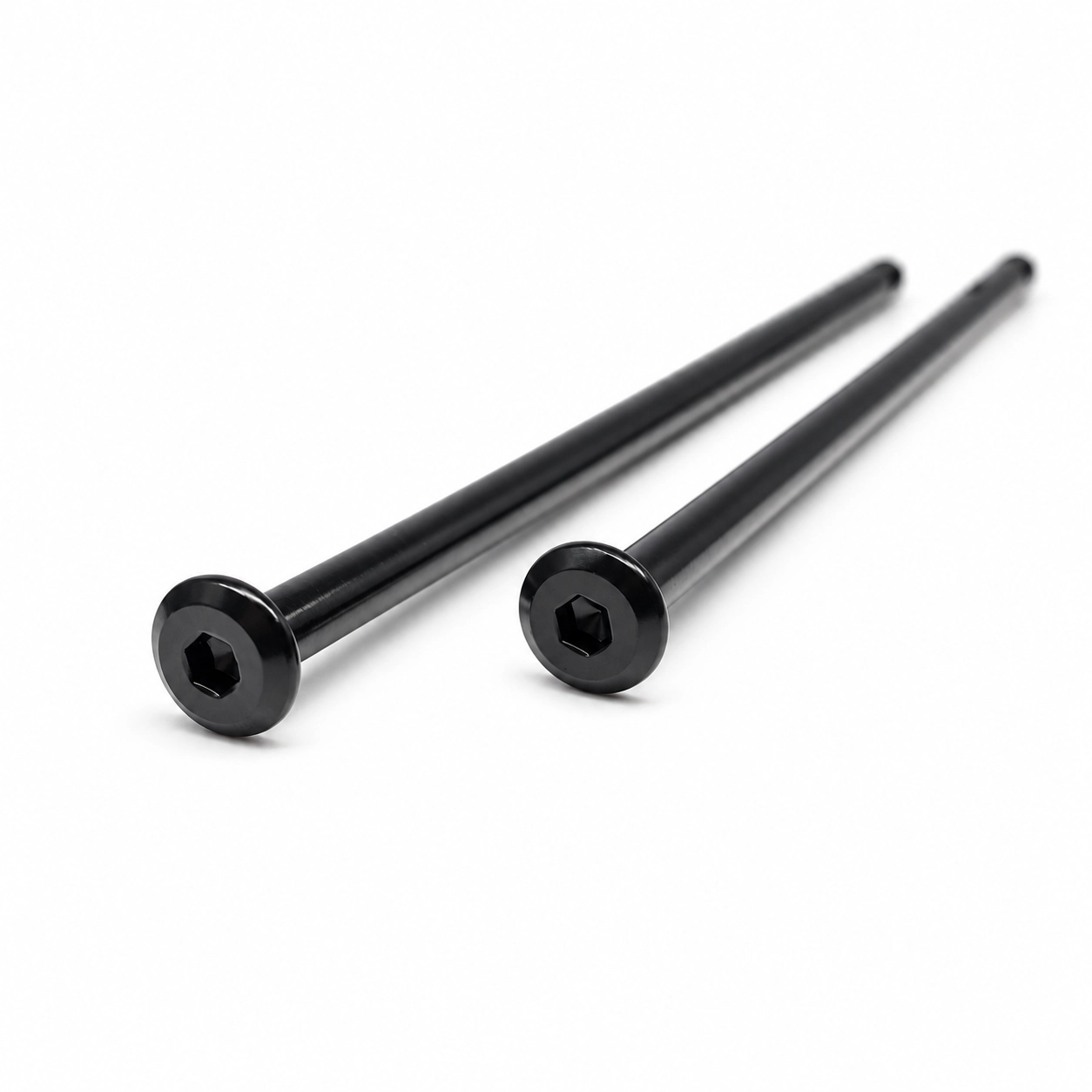
A long socket screw is a machine-threaded fastener with an internal hex or another confirmed internal-drive geometry and a length selected for the actual joint. It may use a socket head cap, button, flat, low-profile or custom head, together with full thread, partial thread or a defined unthreaded shank.
Here, “socket” refers to the drive recess in the screw head. This page does not cover screws used to mount electrical wall sockets, switches or faceplates.
Black describes the appearance of a finish, not the material or performance by itself. Black oxide, black zinc, black zinc-nickel, black nickel, electrophoretic and other dark finishes have different substrate, thickness, thread-fit, corrosion and strength considerations. The finish must therefore be specified as part of the complete screw design.
Selection Considerations
- Head and drive geometry
- Length and thread engagement
- Base material and strength
- Black finish and test requirement
Core Long Socket Configurations
Review standard profiles and custom geometries engineered for deep-reach fastening and restricted tool access.
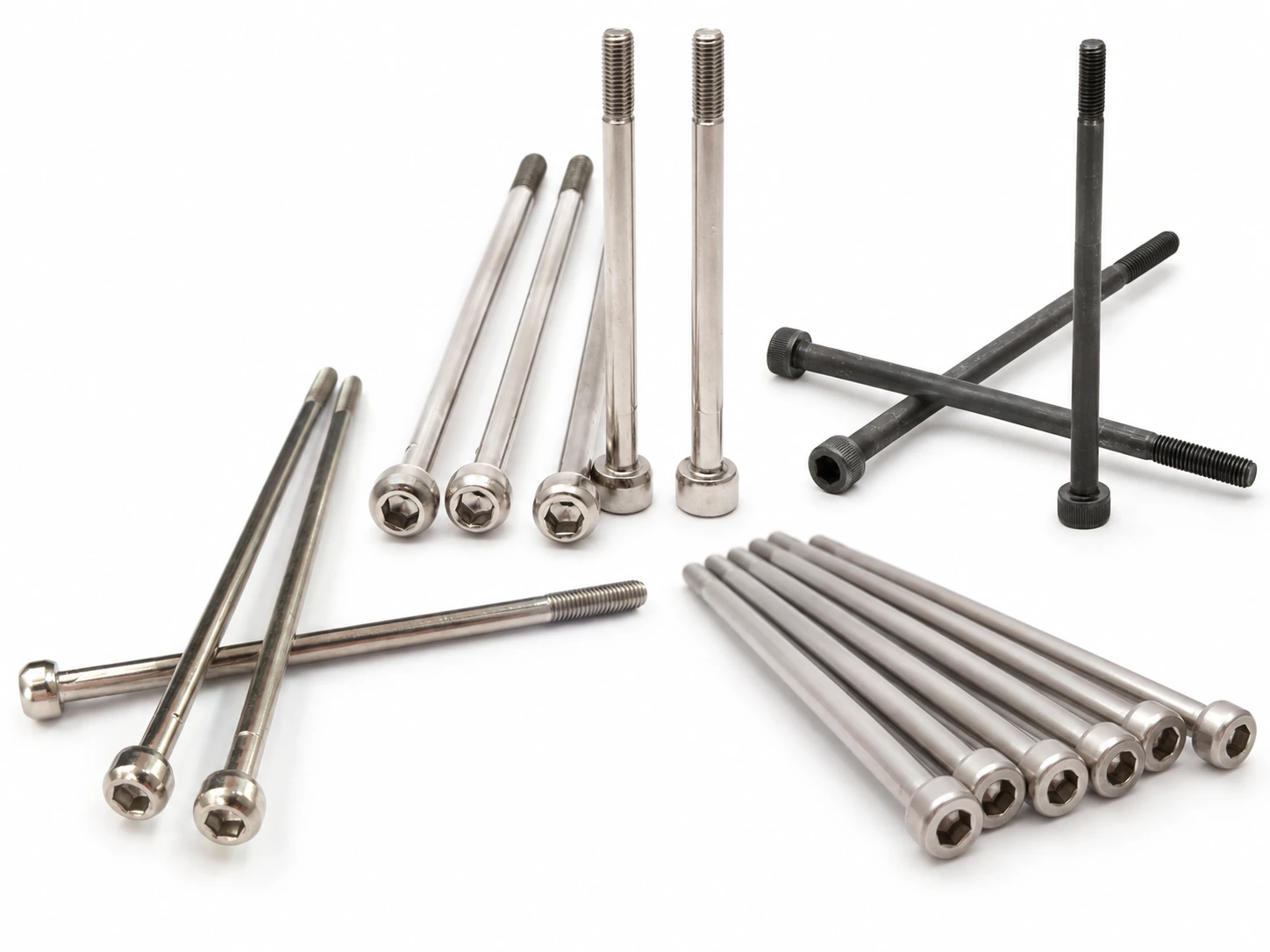
Extra-Long Socket Head Cap Screws
The cylindrical head and internal hex drive provide a compact tool-access route for deep-reach fastening and long through-connections. The design review covers head diameter and height, socket width and depth, total length, shank geometry, thread engagement and the available installation space.
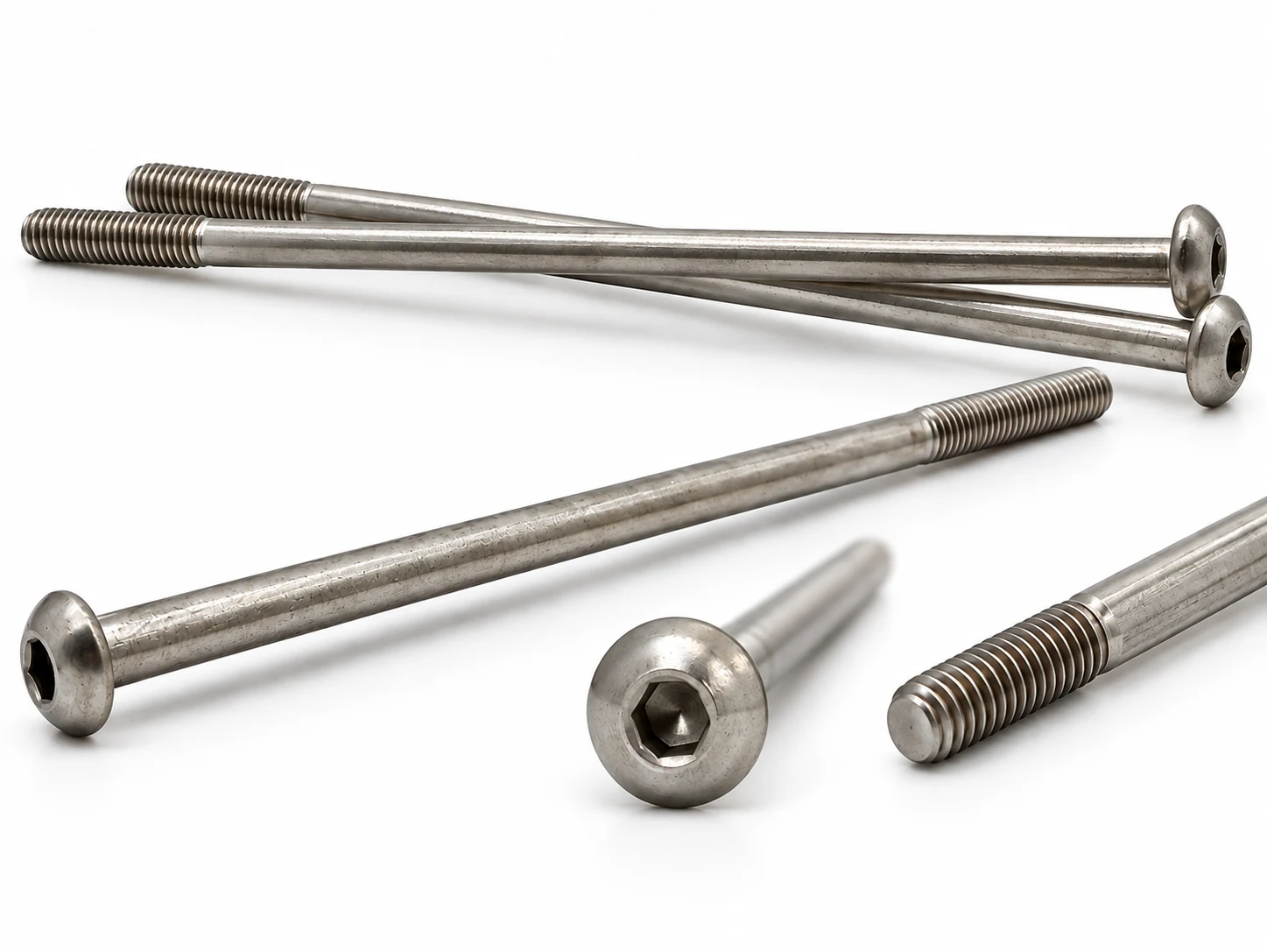
Extra-Long Button Head Socket Screws
A rounded button head reduces head projection and provides a broader visible bearing profile than a conventional socket head cap screw. Selection should consider head diameter, head height, bearing surface, socket engagement, required installation torque and surrounding clearance.
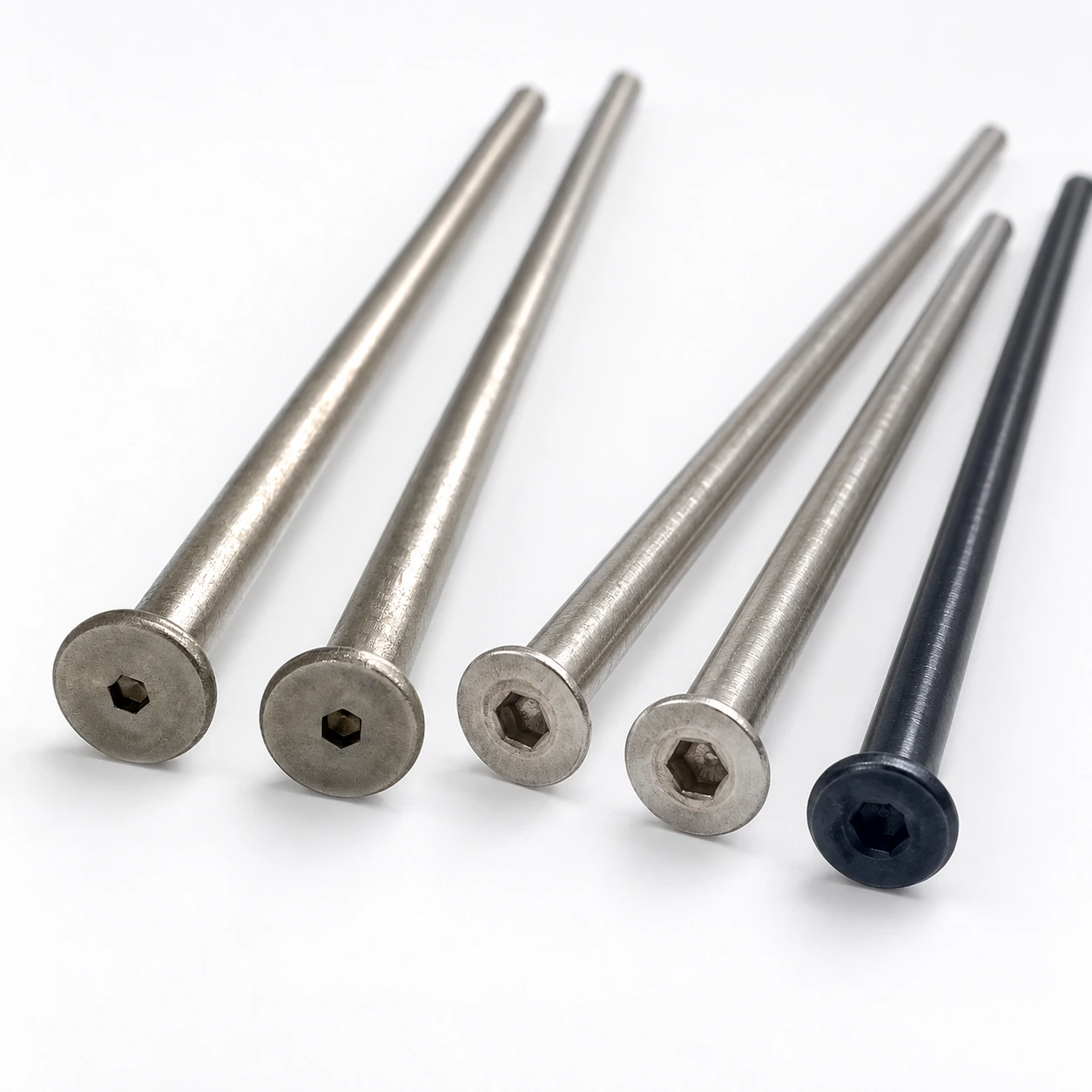
Extra-Long Flat Head Socket Screws
Flat head socket screws are evaluated for assemblies that require the head to sit flush with a prepared countersink. The countersink angle, head dimensions, socket depth, material below the recess and the correct length reference must be defined together.
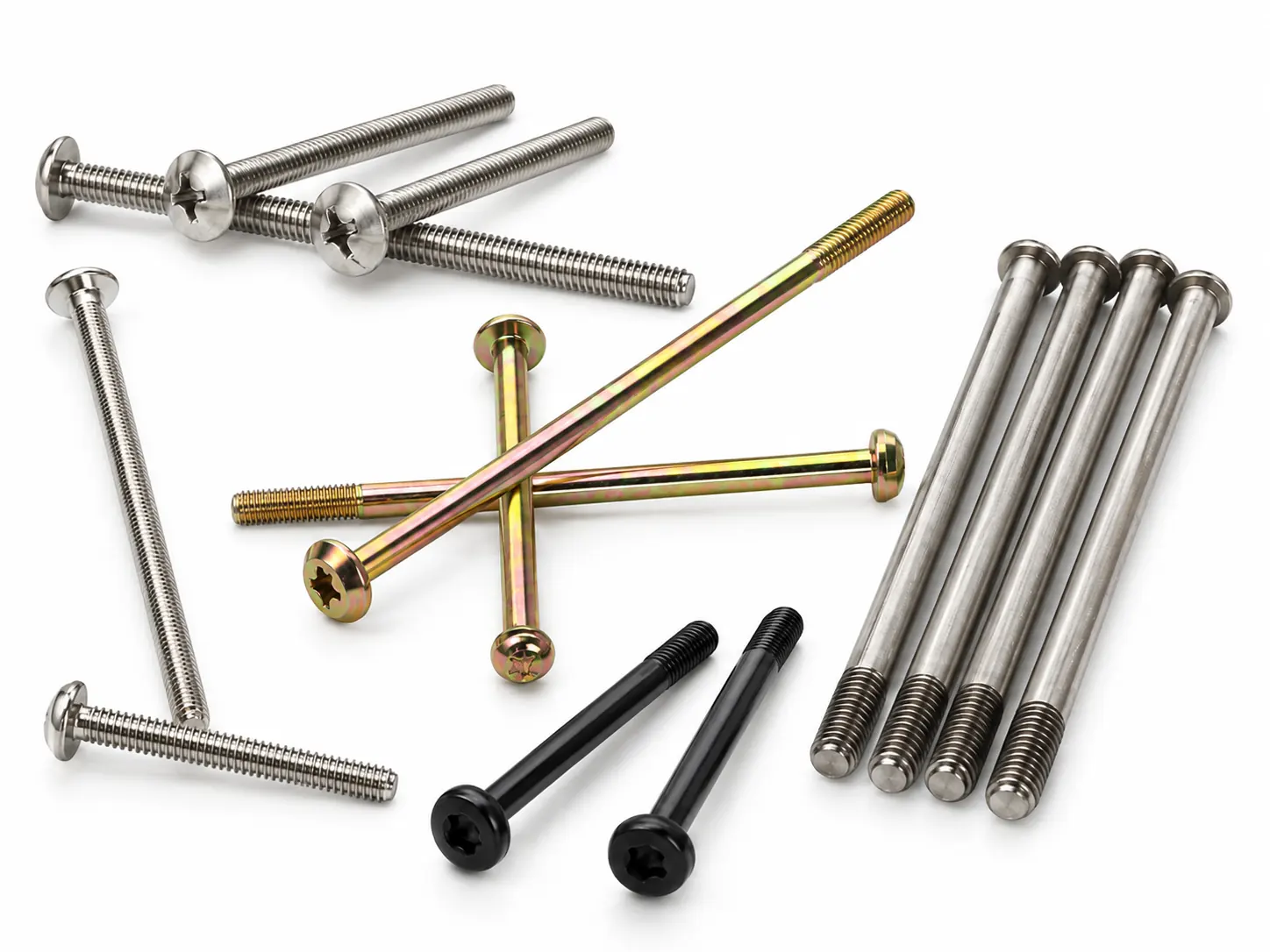
Custom Low-Profile and Special-Drive
Custom head height, bearing geometry, recess dimensions and approved security-drive concepts can be evaluated when standard profiles interfere with the assembly or installation tool. Tooling, drive rights, torque transfer, recess depth and manufacturability remain part of the project review.
Define the Complete Long Socket Screw
Shi Shi Tong’s overall long-screw evaluation scope covers M1.4–M12 and lengths from 2 to 2000 mm. This is not an unconditional range for every socket-head, material and finish combination. The feasible specification is determined from the complete geometry, material, process and validation requirements.
| Specification field | What must be defined |
|---|---|
| Diameter and length | State the nominal diameter and the required length reference. Countersunk heads are commonly measured differently from non-countersunk heads, so the drawing and applicable standard take priority. |
| Thread system | Specify metric or inch thread, pitch or TPI, external-thread tolerance class and the mating internal thread. |
| Thread coverage | Define full thread, partial thread, the effective thread length and any unthreaded locating or clamping zone. |
| Head profile | Select socket head cap, button, flat, low-profile or a drawing-defined custom head. |
| Socket recess | Define the drive type, across-flats dimension or tool size, recess depth and applicable head or drive standard. |
| Base material | Confirm the exact material grade and condition rather than using “black steel” or appearance as a material specification. |
| Strength and heat treatment | State the applicable property class, hardness or mechanical requirement, test method and installation conditions. |
| Black finish | Name the finish system and define appearance, coating thickness, thread allowance, corrosion test method and acceptance criteria where required. |
| Critical dimensions | Identify functional datums, head features, shank diameters, thread fit, concentricity and other assembly-critical controls. |
| Inspection and records | Confirm gauges, measurement methods, sampling requirements, material documents and any project-specific inspection records. |
| Program information | Include sample quantity, order quantity, annual demand, packaging and delivery requirements for process and quotation review. |
Do not specify a long socket screw by color and overall length alone. A usable drawing should connect the head, recess, shank, thread, material, treatment and inspection references to the actual assembly.
Select a Black Finish by Material and Function
There is no universal “best black coating” for every long socket screw. The correct route depends on the base material, strength, thread tolerance, appearance target, corrosion exposure, mating parts and required test method.
Black oxide or blackening
Often selected when a dark appearance and limited dimensional build-up are important. The exact process, substrate, corrosion protection and post-treatment must be confirmed.
Black zinc
A candidate for appropriate steel projects when appearance and a plated corrosion-protection system are required. Coating thickness, thread allowance and the complete process specification must be reviewed.
Black zinc-nickel
A material-specific engineering option that requires confirmation of the substrate, pretreatment, thickness, thread fit and validation method.
Black nickel
Available or reviewable only for suitable material and pretreatment combinations. It must not be presented as one universal finish for carbon steel, stainless steel and copper alloys.
Electrophoretic coating or QPQ
Project-specific dark-finish routes that must be selected according to the exact material, geometry, functional surfaces and performance requirements.
Black anodizing
Applicable to suitable aluminum projects after the alloy, temper, dimensional allowance, color and surface requirements are confirmed.
High-Strength Note
For high-strength steel fasteners, zinc-based and related coating systems require project-specific review of pretreatment, hydrogen-embrittlement risk, any applicable baking requirement, thread fit and mechanical verification. No coating should be described as eliminating this risk.
Outdoor Note
Outdoor suitability cannot be determined from the word “black.” Define moisture, salt, chemicals, temperature, dissimilar-metal contact, expected service conditions, coating system, test method and failure criteria before selecting the material and finish.
Why Long Black Socket Screws Need a Drawing-Based Review
Addressing common sourcing failures through complete engineering evaluation.
“Black” is not a complete finish specification
Two screws can look similar while using different base materials, pretreatments and coating systems. Without the exact finish and acceptance criteria, appearance, thread fit and environmental performance may not match the assembly requirement. Shi Shi Tong reviews the finish together with the substrate and functional dimensions.
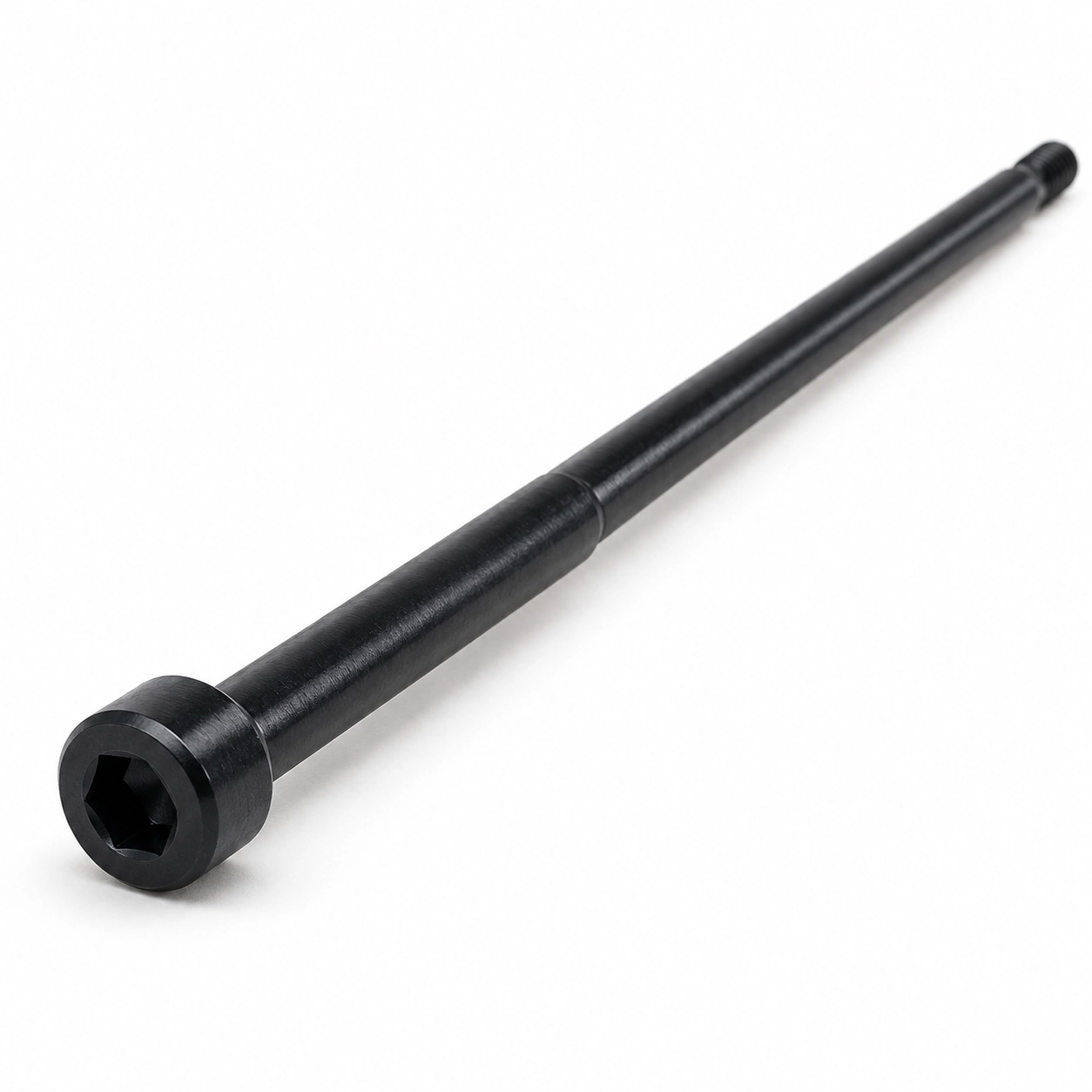
Length changes forming, thread and inspection decisions
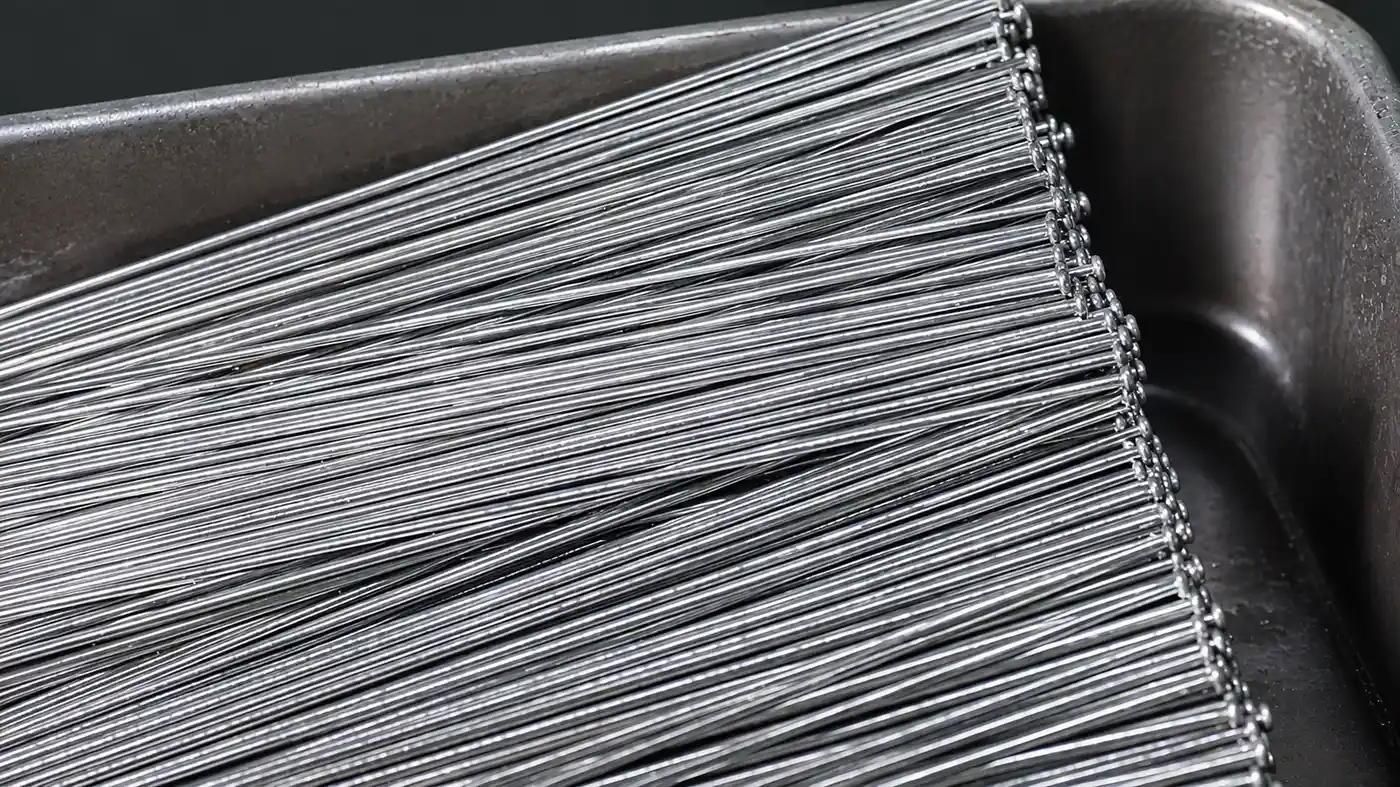
As the length-to-diameter ratio increases, shank geometry, handling, thread production and measurement references become more sensitive. The manufacturing route and inspection plan must follow the complete part rather than a generic length category.
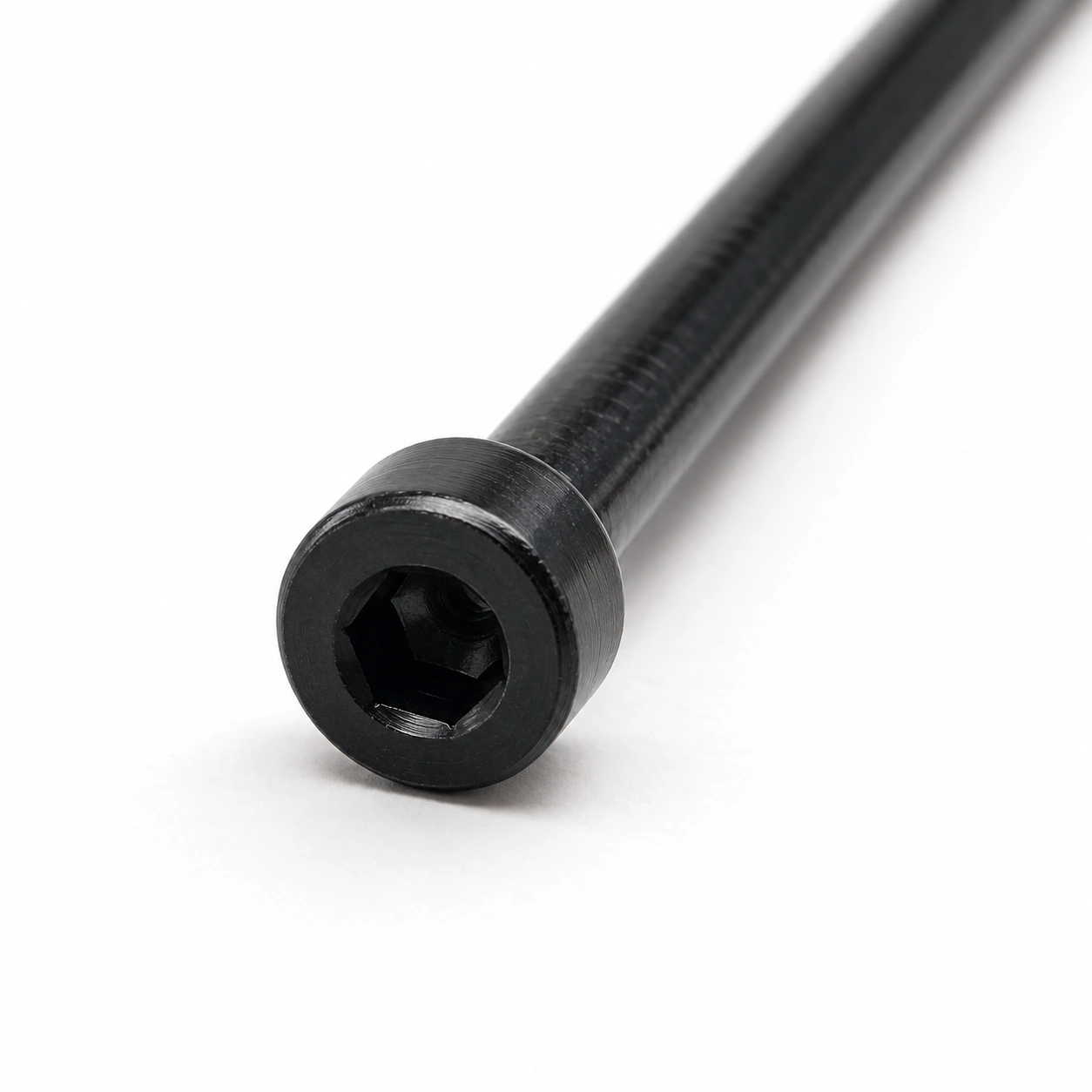
Head and socket geometry control installation
Insufficient socket engagement, an oversized head or the wrong head profile can create tool-access, seating and torque-transfer problems. Head diameter, head height, recess dimensions, bearing surface and available installation space should be reviewed together.
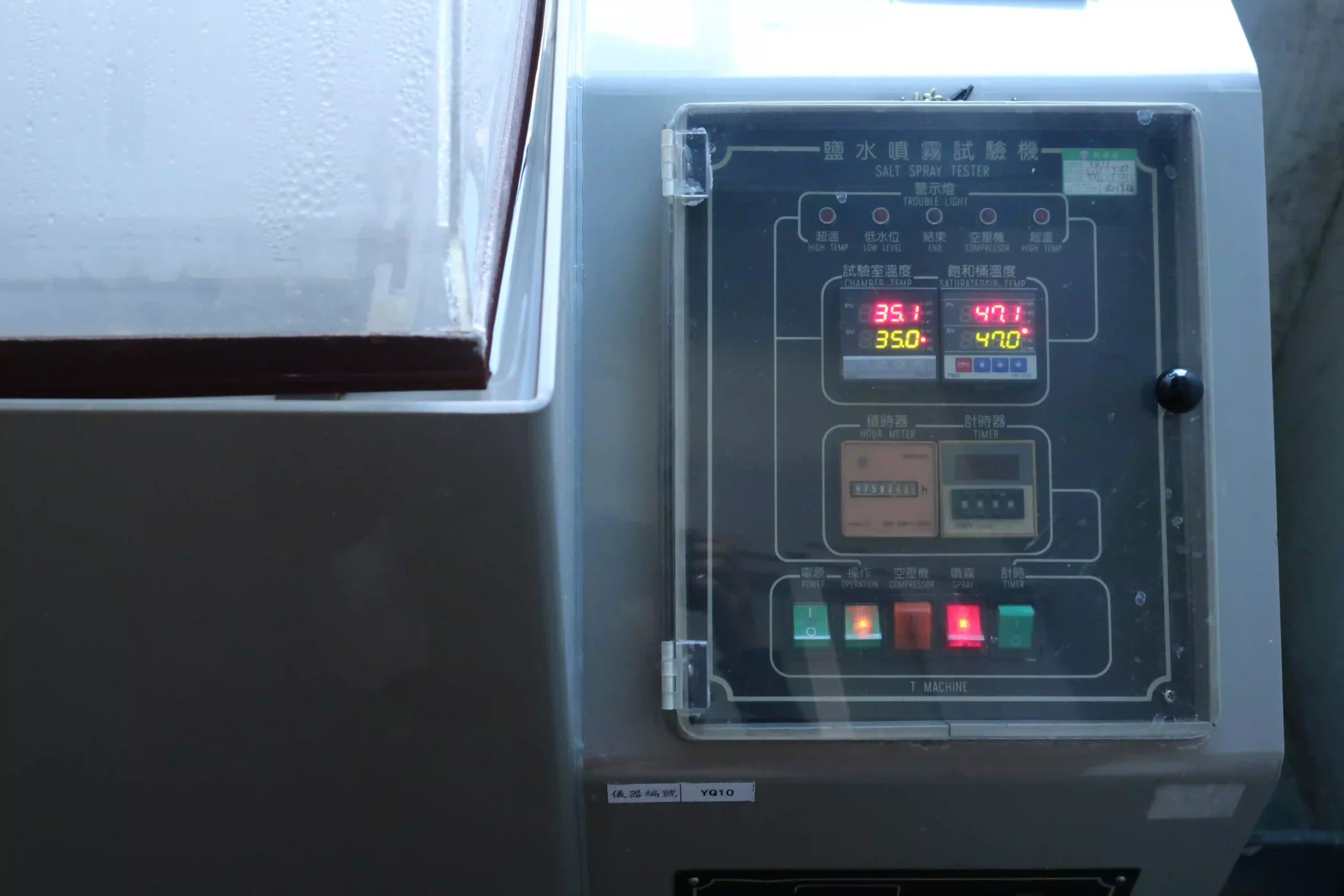
Coating thickness can change thread fit
A plated or coated surface can affect external-thread dimensions, recess geometry and mating fit. The project should define pre-treatment dimensions, coating allowance and the required post-treatment inspection rather than applying finish after the drawing is complete.
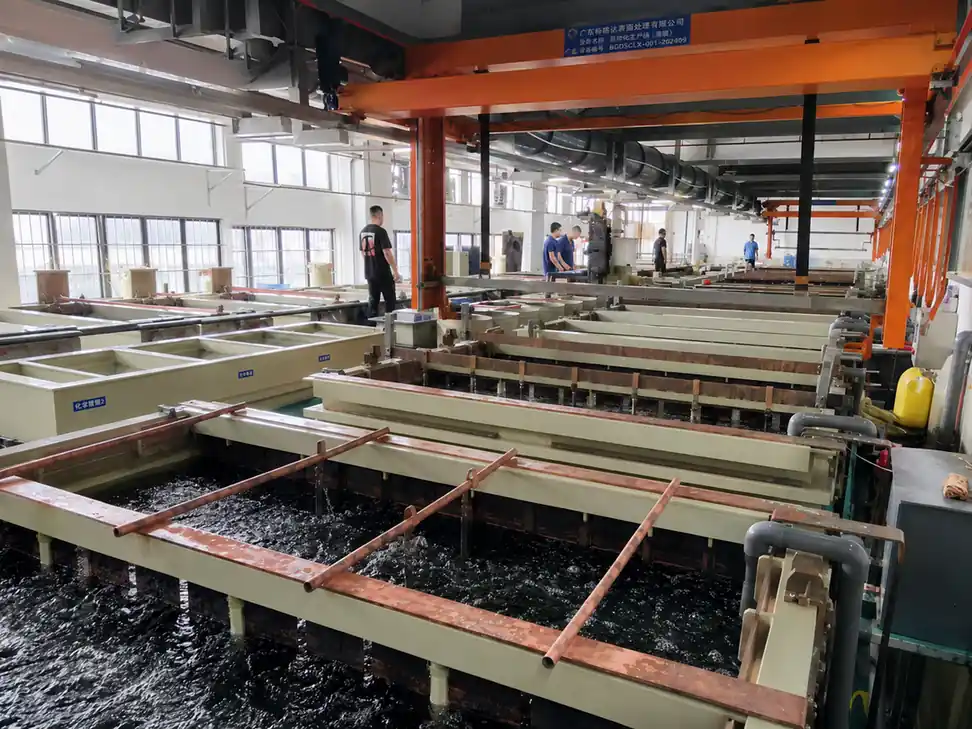
A Manufacturing Route Chosen for the Screw Design
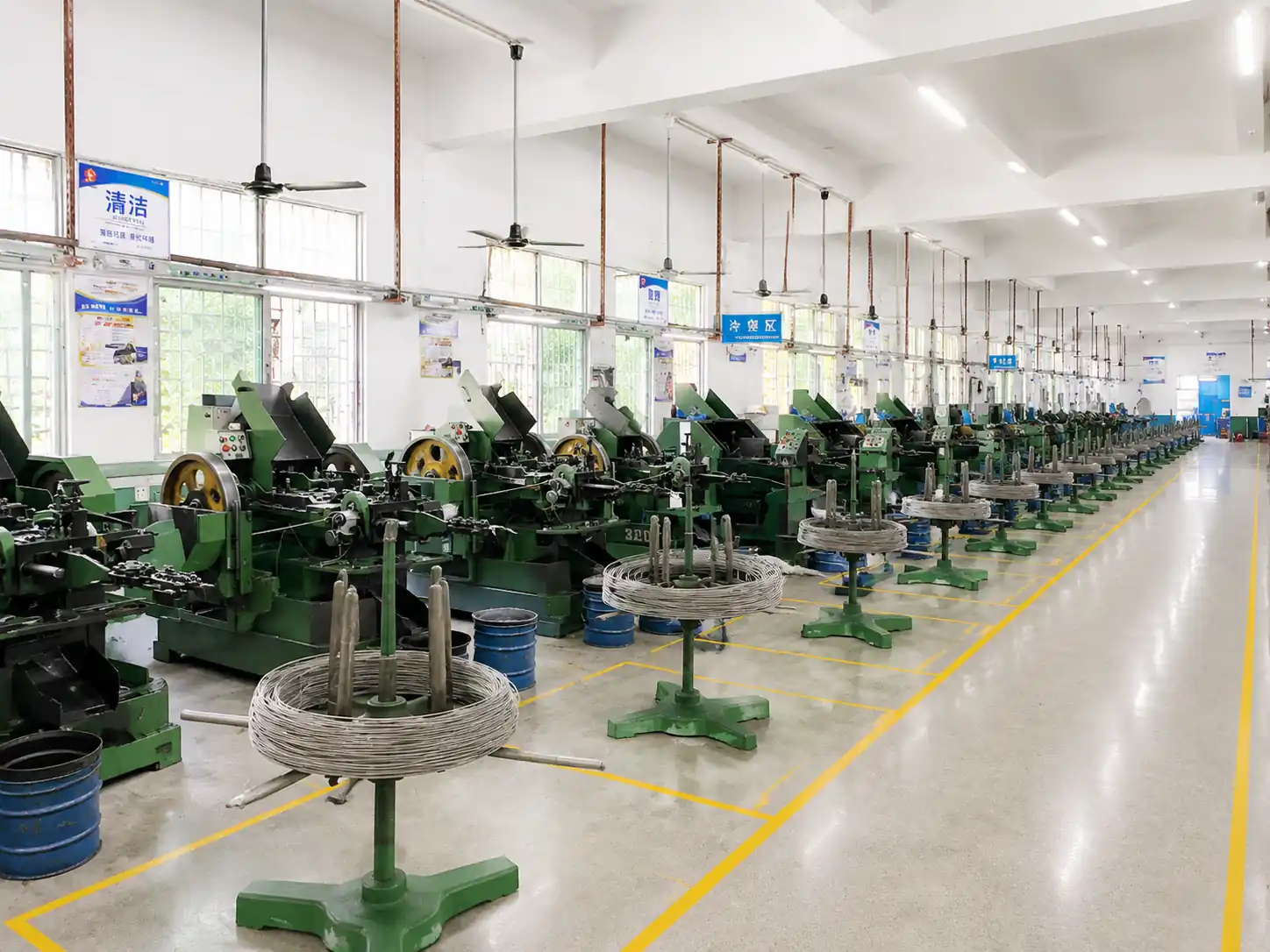
A long socket screw does not pass through one fixed process sequence. Shi Shi Tong selects the forming, thread, secondary-operation, finish and inspection route according to the drawing, material, length-to-diameter ratio and order requirements.
-
1
Single-Die Cold Heading Evaluated for suitable, relatively simple geometries.
-
2
Multi-Station Forming Considered when the head, shank or deformation sequence requires additional forming control.
-
3
Open-Die Forming Evaluated only for selected extra-long screw designs where the geometry supports this route.
-
4
Thread Rolling Planned around the material, thread specification, effective thread length and shank condition.
-
5
CNC Secondary Machining Used for confirmed secondary features rather than presenting Shi Shi Tong as a general CNC machining shop.
-
6
Surface Treatment Coordination Connects the selected material and finish to dimensional and inspection requirements.
The practical advantage is not a promise that every combination can be produced. It is a coordinated review of geometry, material, tooling, thread fit, surface treatment and inspection before the project moves toward repeat production.
Where Custom Long Socket Screws Fit
Long socket screws are considered when the joint needs more reach than a common catalog fastener and an internal drive is appropriate for the installation method.
Deep-Reach Fastening
Used when the threaded connection sits beyond a cover, housing, spacer or other assembly depth. Confirm tool access, unsupported shank length and the required engagement in the mating thread.
Long Through-Connections
Suitable for drawing-defined assemblies that pass through multiple components or a long clearance zone before reaching the mating thread. The shank and thread layout should follow the clamping and locating function.
Restricted External Clearance
Socket and low-profile head options can help where an external wrench path is unavailable or the head must remain within a defined envelope. Internal-drive engagement and installation torque still require review.
Flush or Appearance Assemblies
Flat, button and selected low-profile heads can address seating or appearance requirements when the mating surface, countersink and finish are defined as part of the design.
Long Socket Screw Selection and Sourcing Guide
What sizes can custom long socket screws be made in?
Shi Shi Tong’s overall long-screw evaluation scope is M1.4–M12 and 2–2000 mm. This does not mean every diameter, length, head, material, strength class and finish can be combined without review. A project is assessed from its complete drawing, length-to-diameter ratio, manufacturing route and validation requirements.
Can an M6 × 80 mm black socket screw be reviewed?
An M6 × 80 mm request falls within the overall long-screw evaluation scope and can be submitted for engineering review. The specification should also define thread pitch, thread tolerance, head type, socket size and depth, thread length, material, strength requirement, black finish, critical dimensions and mating conditions. Feasibility is confirmed from that complete specification.
Which black finish is best for outdoor use?
No single black finish is best for every outdoor assembly. Material grade, moisture, salt, chemicals, temperature, coating damage, dissimilar-metal contact, strength and maintenance conditions all affect the choice. Define the exposure and required test method before comparing black oxide, plated systems, electrophoretic coatings, anodizing or another approved route.
Are black long socket screws automatically corrosion-resistant?
No. Black color may come from several different treatments, and appearance alone does not state corrosion performance. Corrosion claims require a defined base material, finish system, thickness, pretreatment, test method, sample condition and failure criterion.
How should black coatings be compared for high-strength fasteners?
Compare the full material-and-process system rather than coating color alone. Review the property class, base material, pretreatment, coating chemistry, thickness, thread allowance, friction or torque requirements, hydrogen-embrittlement controls and mechanical verification. A high-strength label should not be assumed feasible for every extra-long geometry.
What should I check when choosing a long socket screw manufacturer?
Start with evidence that the supplier can review the complete drawing rather than only quote a length and diameter. Check how the supplier handles head and recess geometry, metric or inch thread fit, long-shank manufacturing, material and heat treatment, surface-treatment coordination, functional dimensions, inspection methods and repeat-production records.
Manufacturing and Inspection in Shenzhen
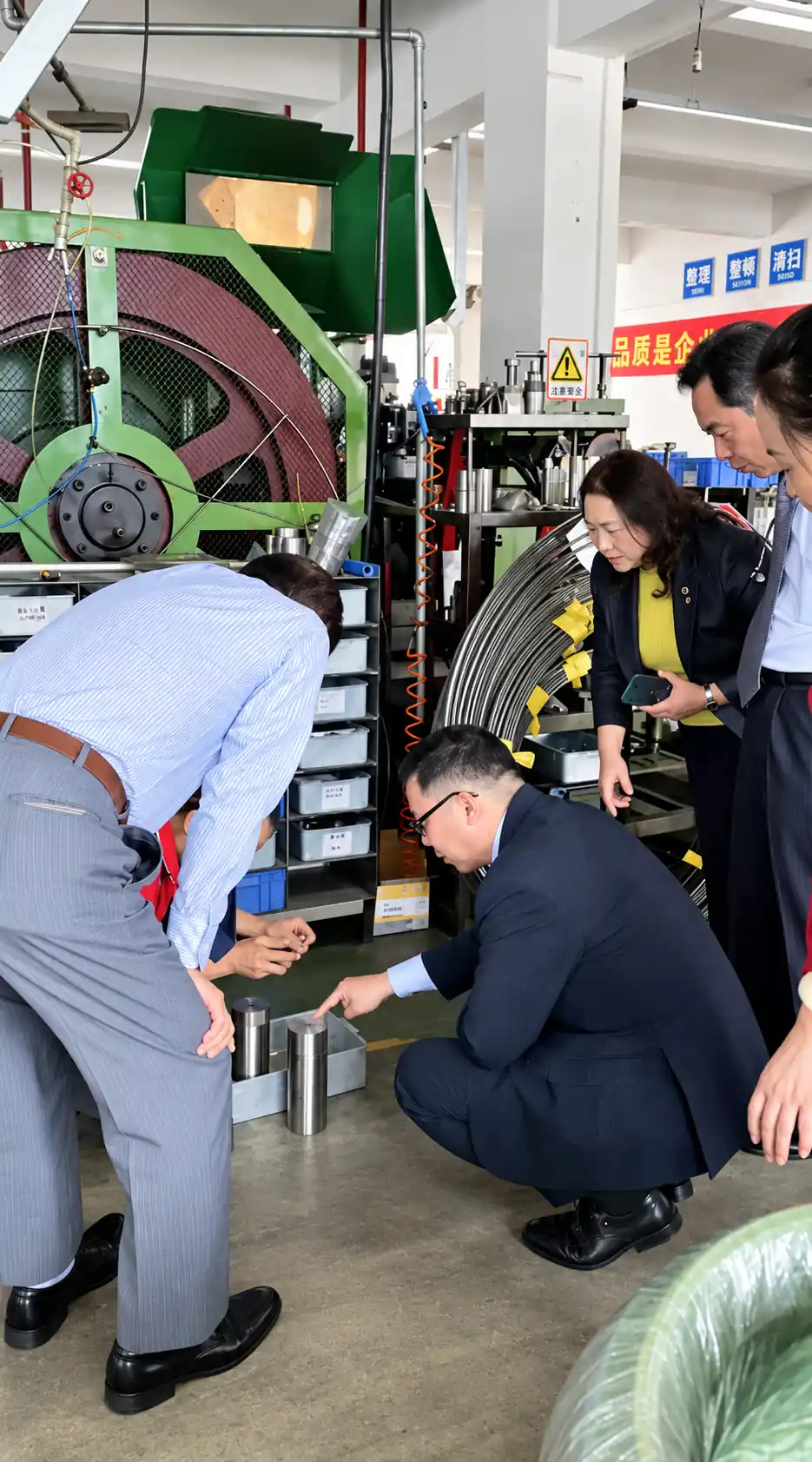
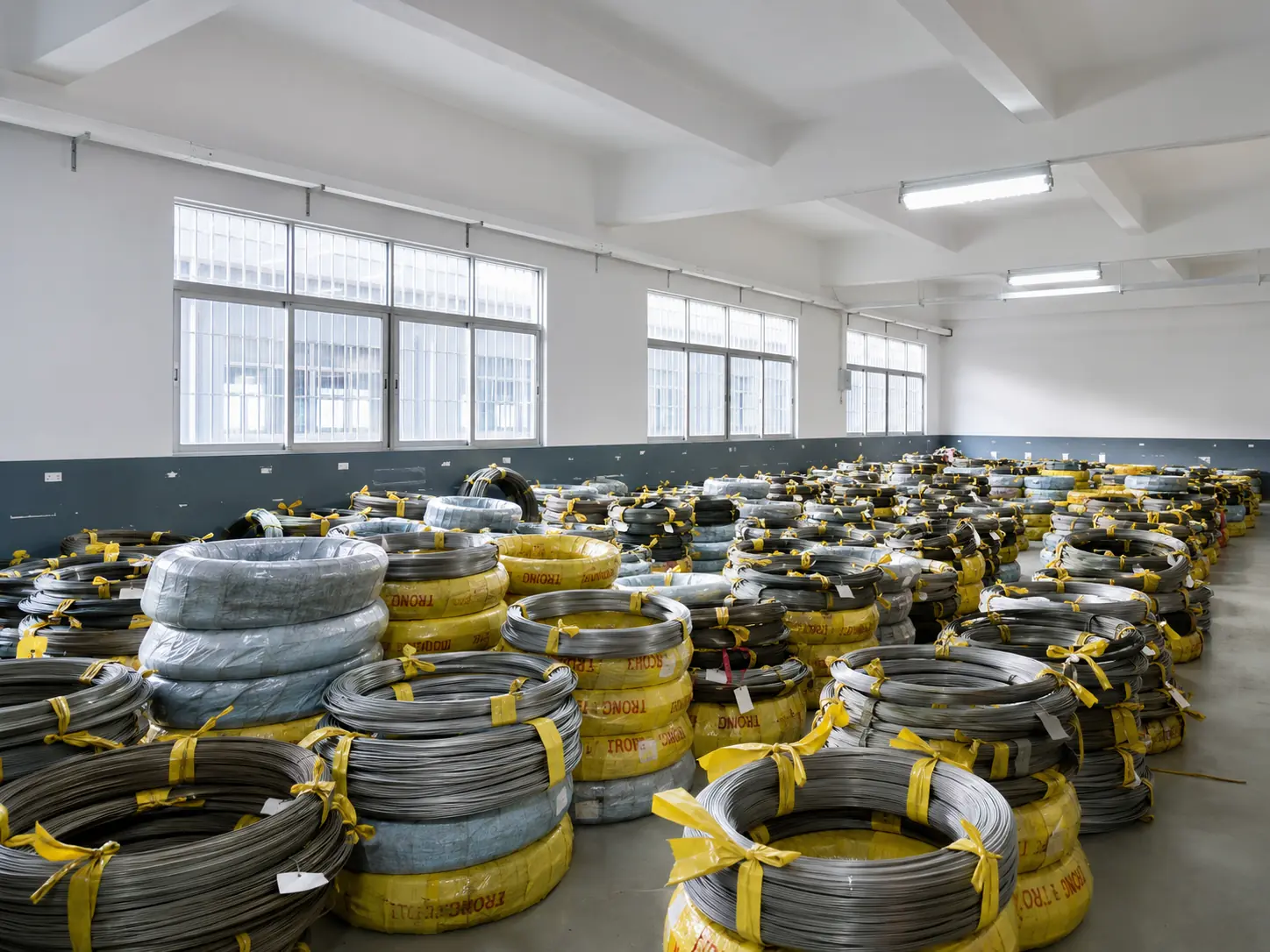
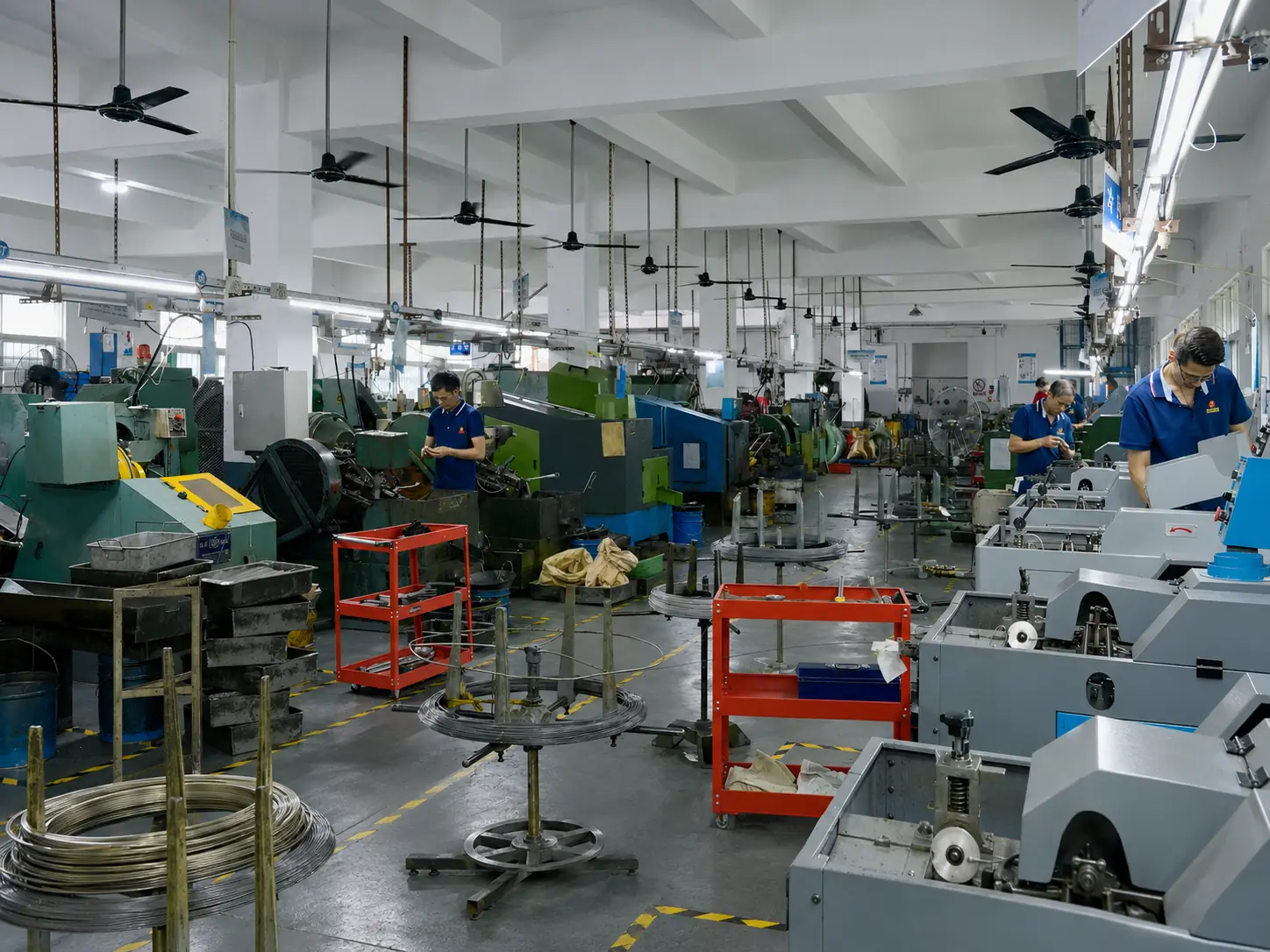
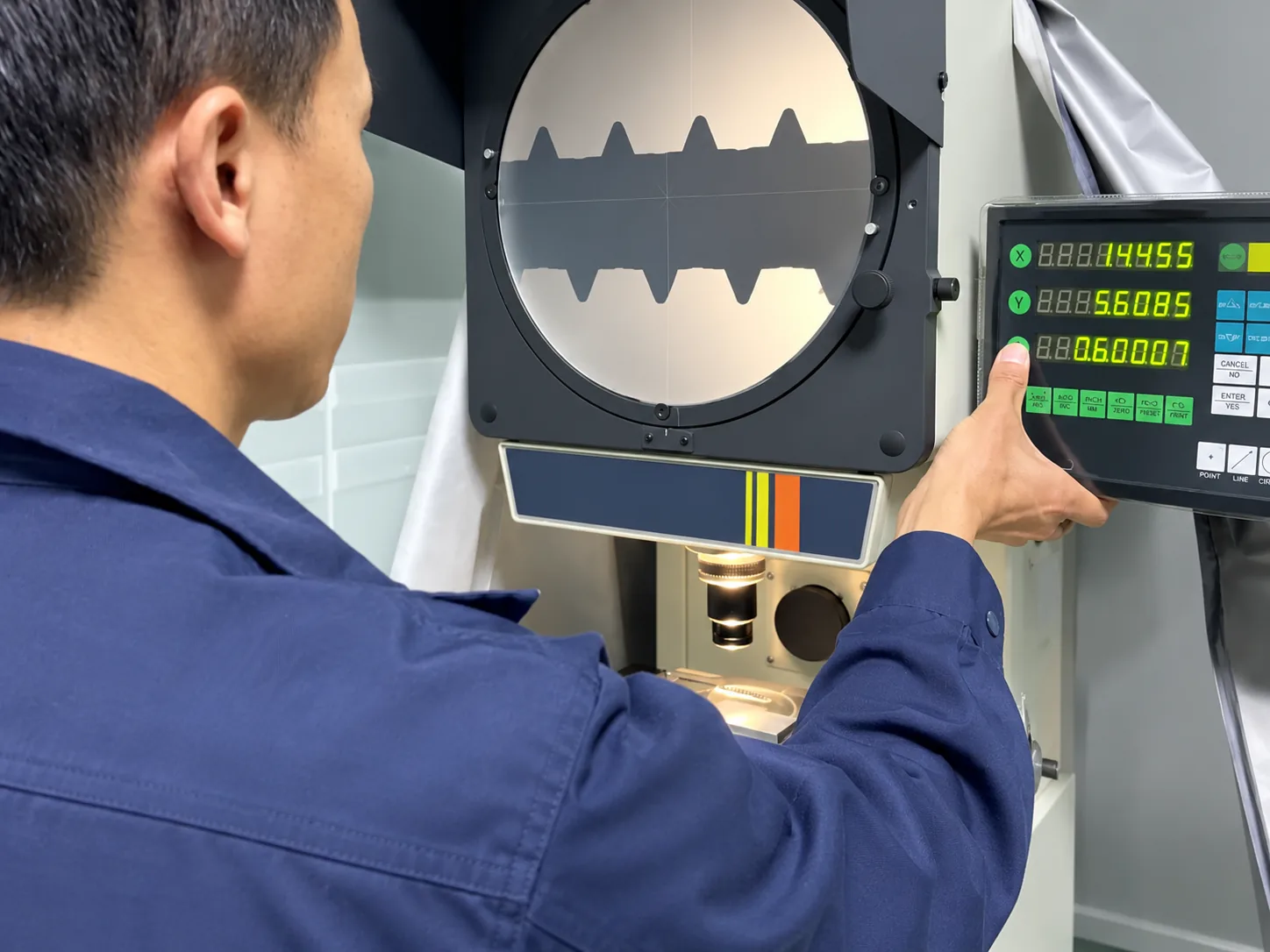
Shi Shi Tong has manufactured screws since 1998 and works as a custom fastener engineering partner for drawing-based projects. The current operation combines more than 50 principal production machines with over 10 professional inspection devices, supported by ISO 9001 quality management.
Inspection requirements are selected for the project and may include dimensions, thread GO/NO-GO checks, pitch, recess depth, radius, angle, concentricity, optical measurement, hardness, torque, material verification and other drawing-defined characteristics. The applicable equipment, method and acceptance criteria are confirmed for the specific product.
Discuss Your Black Long Socket Screw Project
Send the drawing or describe the required diameter, length, thread, head, socket drive, material, strength, black finish, quantity and assembly conditions. Shi Shi Tong will use this information to review the product definition, manufacturing route and quotation basis.
Contact Information
-
info@fastenbydesign.com
-
13143444311
-
Building 9, Tantou First Industrial Zone, Songgang Street, Bao’an District, Shenzhen, Guangdong, China