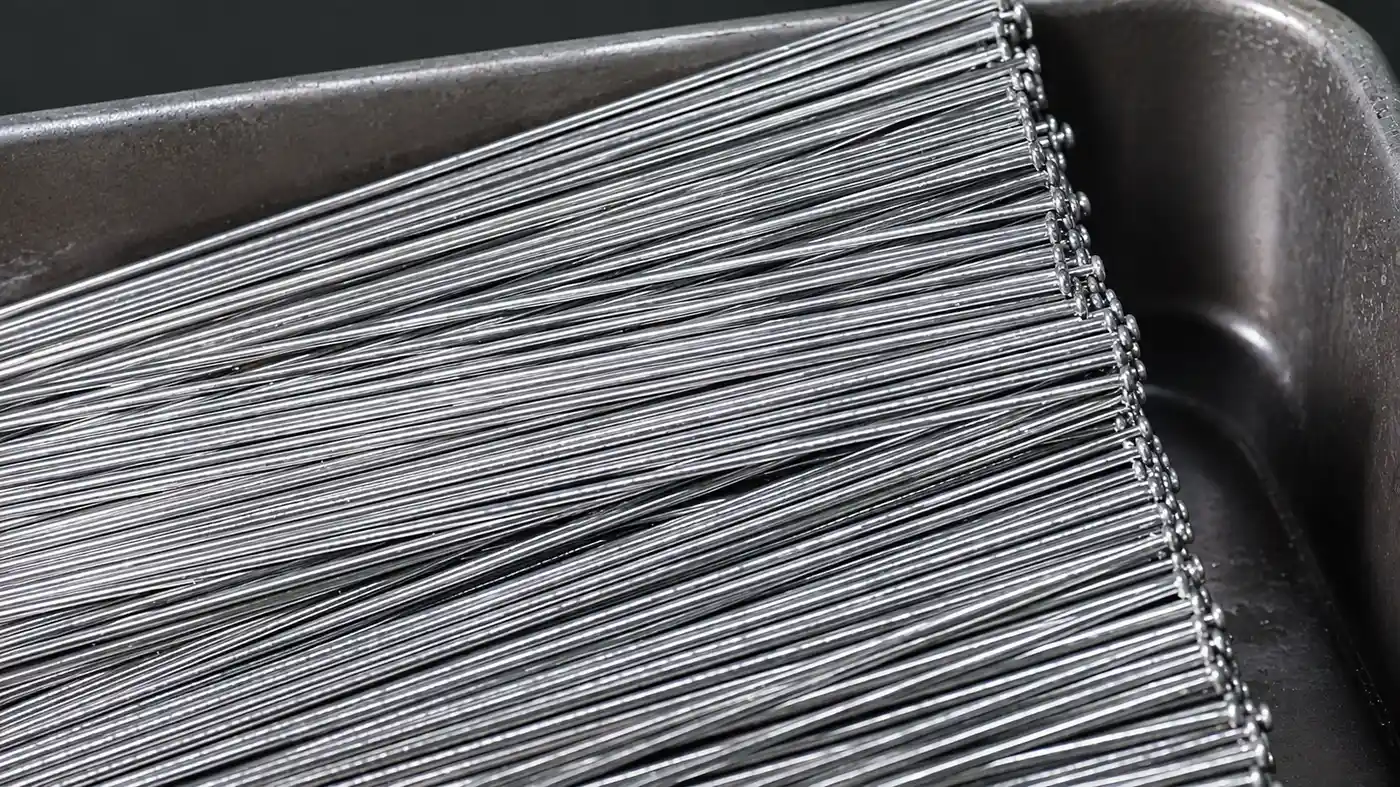

Long Socket Screws Manufacturer for Custom Assemblies
Made-to-drawing socket head machine screws for connections that need an extended shank, a defined threaded section or a special fit. Shi Shi Tong reviews the head, hex recess, shank, thread and material together to develop a suitable manufacturing route.
- Custom thread and shank geometry
- Drawing-based material and process review
- Inspection agreed for the application
Long Socket Head Machine Screws
A long socket head machine screw combines an internal hex drive with an extended body and a machine thread that mates with a compatible nut or tapped hole. The plain shank, threaded section and head geometry must work with the complete assembly.
Shi Shi Tong evaluates custom designs where the required length, thread position, shank diameter or head dimensions need to be defined by a drawing.
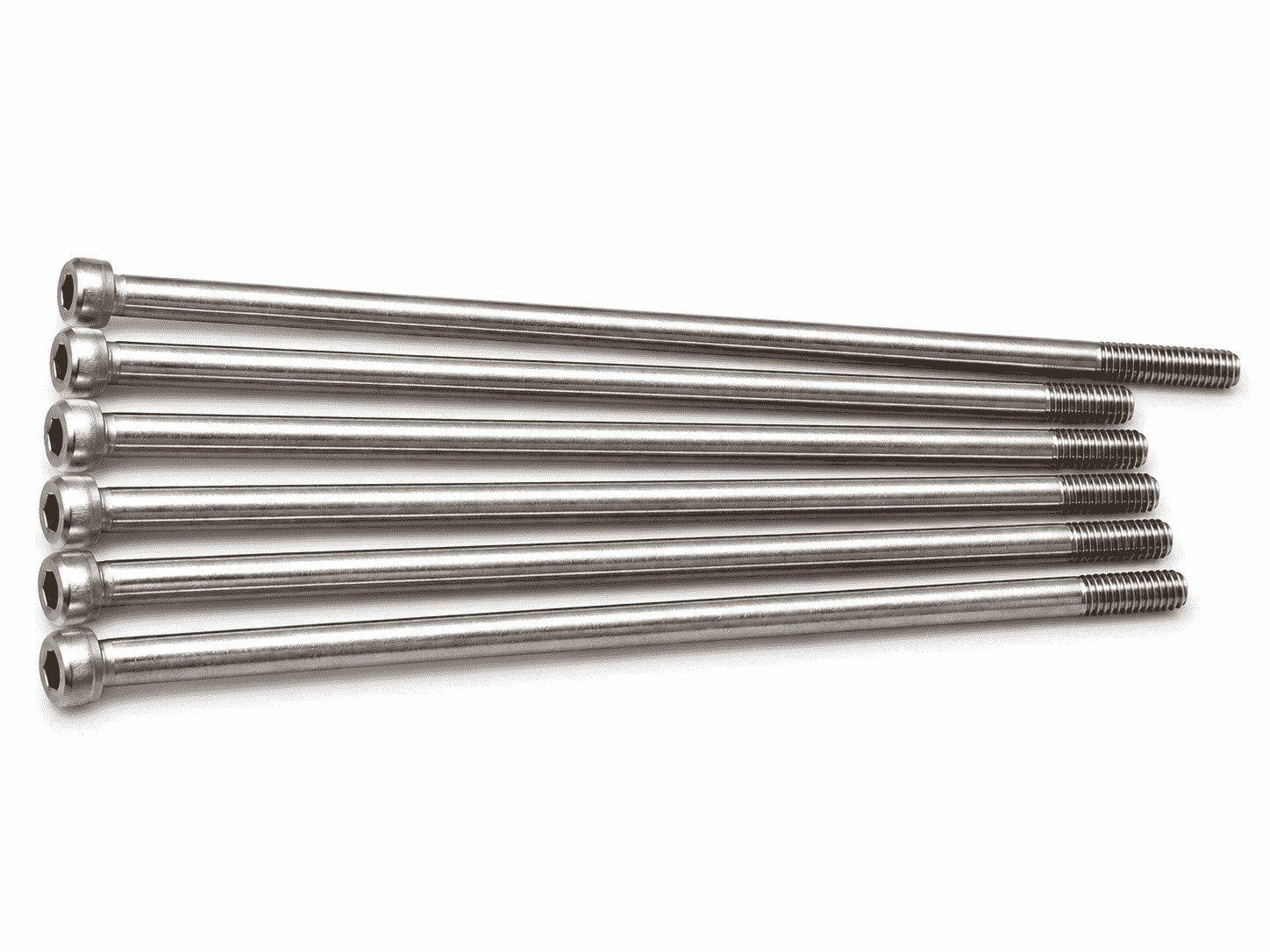
| Specification | Configuration scope | Selection significance |
|---|---|---|
| Drive and head | Internal hex drive; head diameter, height and recess geometry reviewed to drawing | Matches the installation space and the intended tool |
| Thread system | Metric or inch threads assessed against the complete thread designation | Must match the mating nut or tapped hole |
| Shank and threaded section | Partial thread, extended thread or drawing-specific shank sections | Places the plain shank and usable thread where the assembly needs them |
| Material and condition | Carbon steel, alloy steel and stainless steel grades reviewed with the geometry and manufacturing route | Connects strength, corrosion and processing requirements |
| Dimensions and tolerances | Defined for the functional features, datums and inspection method | Makes the drawing and acceptance criteria consistent |
| Long-screw family reference | M1.4–M12; lengths up to 2000 mm assessed by drawing within the wider long-screw family | Socket-head geometry, diameter, material, effective thread length and process must be evaluated as one combination |
The long-screw family reference is a manufacturing assessment boundary, not a catalog of available socket-head combinations. Overall length and effective thread length are evaluated separately.
Explore Our Long Screw Manufacturing RangeChoose the Thread and Shank Around the Assembly
Thread coverage changes where the screw can engage. Shank geometry changes how it passes through or fits the connected parts. Select the configuration around those functions rather than treating additional thread as an automatic improvement.
| Configuration | Practical difference | Selection point |
|---|---|---|
|
Partially Threaded Long Socket Screws
|
A defined plain shank is followed by a local machine-threaded section | Match the plain section to the clearance-hole stack and position the thread to reach the mating component |
|
Extended or Fully Threaded Configurations
|
External thread extends along more of the body | Use where the drawing requires an extended threaded zone; usable engagement still depends on the mating component and the manufacturable thread length |
|
Drawing-Specific Shank Sections
|
Different diameters, transitions or separated functional sections are defined along the body | Review each fit, transition and functional length together; the combined long-shank and socket-head design requires engineering assessment |
A stepped section is not automatically a precision locating feature. Its fit, tolerance and inspection method must be defined for the application.
The head-to-tip length, thread start, usable thread length and any runout or transition are separate drawing features.
Compare Long Machine Screw RequirementsResolve the Details That Make Long Screws Difficult to Fit
Put the Thread Where It Can Engage
A screw may reach across the assembly while its usable thread still falls short of the mating component. Excess thread can also occupy a section intended to remain smooth. Drawing-based control of the shank length, thread start and usable engagement helps align the fastener with the actual connection.
Define Straightness in the Relevant Condition
A slender shank can be difficult to guide through aligned holes if its straightness does not suit the assembly. Shi Shi Tong reviews straightness requirements with the datum, measurement method, material and manufacturing sequence. Heat treatment, surface processing and handling conditions are considered where they affect the part.
Keep the Head and Tool Access Compatible
The internal hex drive needs a matching tool and enough access for installation. Head diameter, head height, recess size and recess depth should be checked against the available space. Custom dimensions are assessed with forming or machining feasibility rather than changed in isolation.
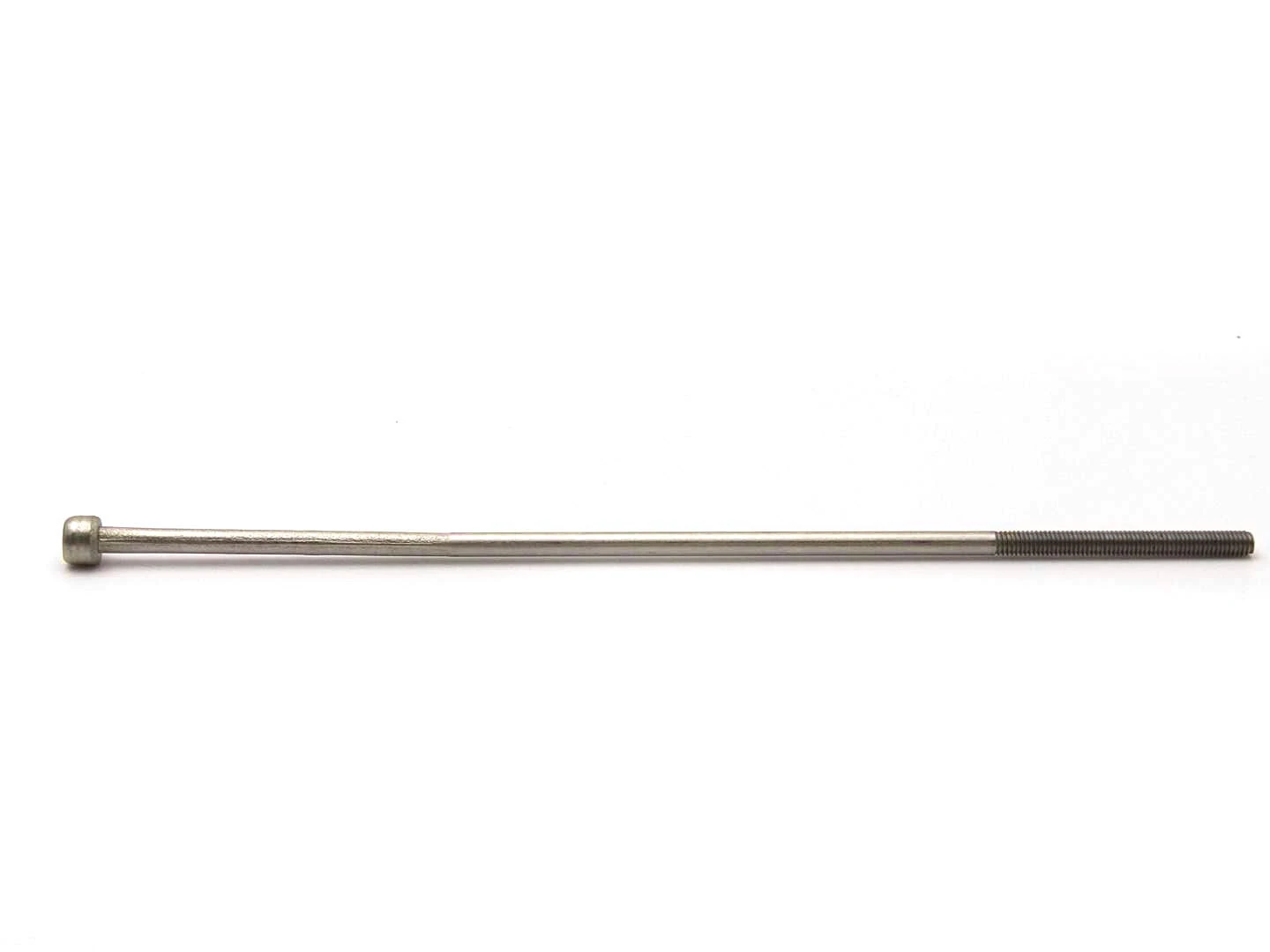
Custom Geometry with a Defined Manufacturing Route

One Drawing for the Complete Part
The head, hex recess, plain shank, threaded section and tip are reviewed together. This keeps individual dimensions connected to their assembly function and makes permitted changes clear before tooling or sample work.
A Process Matched to the Design
Material, geometry, length and quantity influence the manufacturing route. Selected long-screw designs can use split-die heading for an integral formed shank. Turning, machining and thread processing are assessed where appropriate. The route is defined for the part rather than assumed from its appearance.
Acceptance Planned Around Functional Features
A useful inspection plan identifies what is measured, how it is measured and which drawing revision applies. Critical shank sections, thread fit, head geometry and material requirements can then be discussed against the same specification.
Review Our Manufacturing CapabilitiesManufacturing and Inspection in Shenzhen
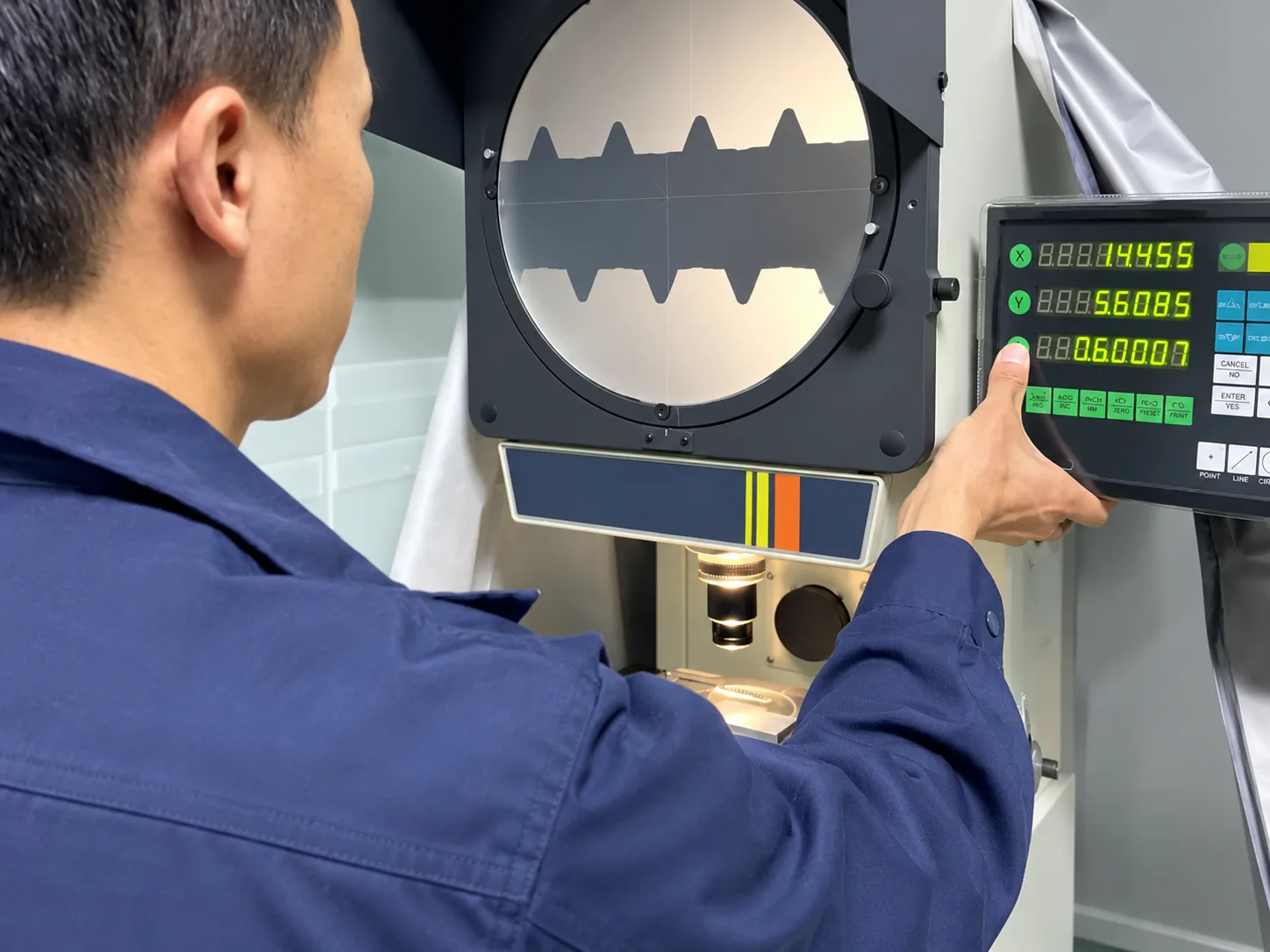
Shi Shi Tong’s screw-manufacturing history dates to 1998. Based in Shenzhen, China, we work through drawing review, process development, sample evaluation and project-specific inspection for custom screw production.
Inspection requirements are agreed around the product and its application. Material records, dimensional checks and any additional testing must correspond to the relevant part, drawing revision and batch.
| Inspection focus | What needs to be defined |
|---|---|
| Head and hex recess | The relevant dimensions, depth, geometry and tool-fit requirements |
| Shank and overall geometry | Functional diameters, lengths, transitions and specified alignment or straightness criteria |
| Thread | Thread designation, pitch, fit and applicable gauging requirements |
| Material and mechanical requirements | Material grade and condition, with hardness or other testing where specified |
| Surface and corrosion requirements | The treatment system, dimensional effects, test method and acceptance criteria where required |
Internal testing and third-party reports are agreed separately. A test method or equipment image does not replace the inspection record for the supplied part.
Review Quality Control and Inspection
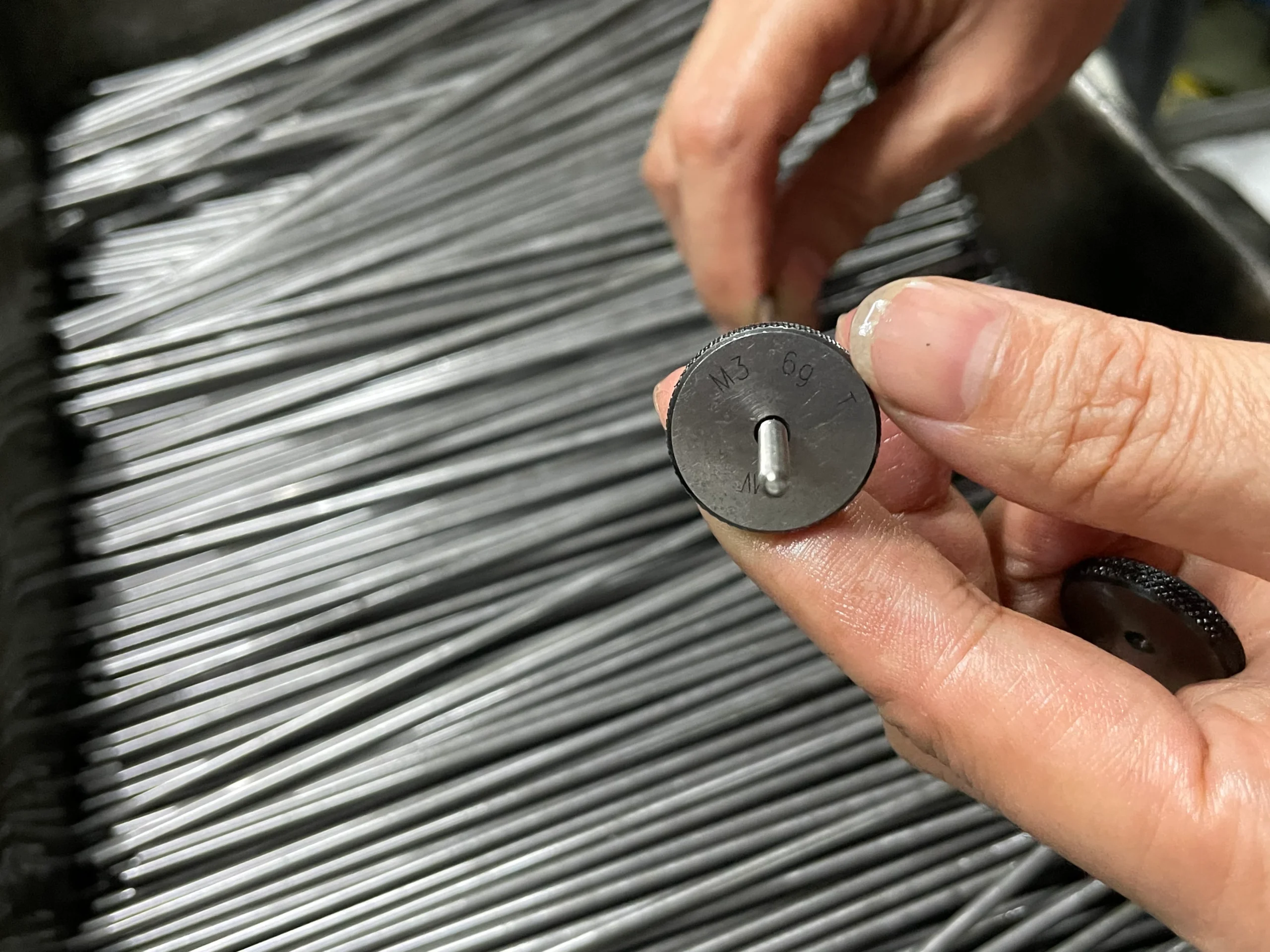
A Separate Custom Option: Long Socket Head Self-Tapping Screws
This past sample combines an internal hex socket head, a long plain shank, a partial self-tapping thread and a flat tip.
Self-tapping and machine-thread designs use different mating conditions. A new self-tapping design needs review of the substrate, starting hole, thread geometry, engagement length and installation method. The flat-tip sample is not a universal substitute for a machine screw or for other self-tapping designs.
Long Socket Screw Selection Guide
Use these questions to check the connection, material and installation requirements before finalizing a custom long socket screw.
Quick Navigation
How do you measure a long socket head screw?
For a conventional cylindrical socket head screw, length is normally measured from the underside bearing face of the head to the end of the screw. The head height is not included in that measurement.
A drawing should also distinguish the plain shank, thread start, usable thread length and any tip feature. Overall reach alone does not show whether the thread will engage correctly. For a blind tapped hole, engagement and bottom clearance must be checked separately.
Countersunk fasteners normally use a different length reference that includes the head. If the drawing uses a special head or measurement convention, that definition takes priority.
How do you match metric and inch threads?
Match the complete thread designation, not only the approximate diameter. Metric threads identify nominal diameter and pitch in millimetres. Inch threads use an inch diameter or numbered size together with threads per inch. Thread series, tolerance or fit, direction and the mating component also matter.
For example, M4 × 0.7 identifies a metric diameter and pitch, while #6-32 identifies a numbered inch size and 32 threads per inch. These are identification examples, not interchangeable sizes or a stock list.
For a custom long screw, preserve the drawing’s complete thread callout and check the usable engagement after any surface treatment. The hex-key size must also match the recess; it cannot be selected from an approximate diameter conversion.
Where are long socket screws used?
Long socket screws are considered where a connection needs an extended reach and installation with an internal hex tool. Suitable designs may include equipment through-connections, stacked components and assemblies with a defined plain-shank section.
The connection geometry is more useful than an industry label when choosing the screw.
| Assembly situation | Main selection check |
|---|---|
| A through-connection across a housing or component stack | Reach, clearance-hole alignment, usable engagement and head access |
| A long plain-shank section passing through several parts | Shank diameter, grip length, straightness and the position of the threaded end |
| An equipment subassembly with different mating bores | Functional section diameters, transitions, fits and assembly order |
Shi Shi Tong evaluates long-screw requirements for equipment connections, including applicable motor through-connections and other drawing-defined assemblies. The required head and drive remain part of that assessment.
These are connection examples for selection. The screw’s suitability depends on the actual assembly and validation requirements.
What matters in heavy-duty applications?
Length alone does not establish strength or durability. A heavy-duty connection needs a suitable material and mechanical requirement, adequate thread engagement, compatible bearing surfaces and a defined preload or tightening method.
Static load, vibration, repeated loading, temperature and corrosion can lead to different design priorities. A harder screw is not automatically a better solution, and a material name or dark finish does not establish a verified property class.
For a custom long socket screw, review the material condition, head and recess geometry, shank transitions, thread and heat-treatment requirements together. Shi Shi Tong assesses the manufacturing route and the agreed inspection scope for that combination. Connection performance still requires validation in the intended assembly.
How should materials and finishes be selected for outdoor use?
Start with the exposure: moisture, chlorides, chemicals, temperature, contact with other metals and the expected maintenance conditions. Then compare the material, mechanical requirements and surface system together.
| Direction | What to evaluate |
|---|---|
| Stainless steel | The exact grade and condition, the exposure environment, mechanical requirements and assembly behaviour |
| Carbon or alloy steel with a protective finish | The coating system, coverage, damage during installation, dimensional effects and the required corrosion test |
| A specified black appearance | The actual material-compatible treatment and its verified acceptance requirements |
Stainless grades differ in their response to corrosive environments. A dark colour alone is not a corrosion rating, and a salt-spray result should not be converted directly into an outdoor service-life promise.
Shi Shi Tong reviews material and finish requirements with the screw geometry. Where testing is needed, the method, duration, acceptance criteria and source of the report are agreed for the project.
What tightening torque should be used?
Use the torque specified for the complete connection. There is no universal installation torque based only on the screw’s length or internal hex drive.
Diameter, pitch, material or property class, thread engagement, mating material, bearing surfaces, finish and lubrication all influence the relationship between applied torque and preload. A torque value intended for one surface condition may produce a different preload when the finish or lubricant changes.
A custom long screw should therefore be evaluated with the intended joint and tightening method. Agree any required torque or mechanical testing as part of the project. A manufacturing torque test and the installation torque for the finished assembly answer different questions.
Discuss Your Long Socket Screw Design
Share the drawing reference or the main dimensions of the connection. Include the thread, under-head length, shank sections, material, finish and expected quantity where available.
Shi Shi Tong will review the geometry, manufacturing route and inspection requirements for the project. Samples, tooling, minimum quantity, pricing and timing are confirmed for the specific design.
Prefer to discuss the design on WhatsApp?
Contact Shi Shi Tong on WhatsApp