Custom Sealing Screws Manufacturer
Shi Shi Tong manufactures custom sealing screws to customer drawings. A sealing design must be reviewed together with the mating surface, seal material, installation method and operating conditions.
Share your joint drawing and requirements so we can assess the screw structure and manufacturing route.
Define the Sealing Joint Before Selecting the Screw
A sealing screw cannot be selected in isolation. The fastener, sealing element, and mating component must be evaluated as a complete system. Define these critical conditions before specifying the screw construction.
Seal Location
Identify exactly where the seal must be formed. Whether under the screw head, within a countersink, or along the shank, the location determines the required screw geometry and available space for the sealing element.
Joint Geometry
The mating surface, clearance hole diameter, and bearing support area must match the sealing feature. A defined sealing seat ensures proper compression without damaging the sealing element during installation.
Operating Conditions
Specify the fluid medium, pressure differential, temperature range, and environmental exposure. These factors dictate the selection of both the screw body material and the compatible sealing compound.
Specifications Built Around the Joint
The screw and sealing interface are specified together. Head style, thread format and body geometry are reviewed for manufacturability and assembly fit; the final dimensions belong to the approved drawing.

Illustrative joint diagram. Sealing interface to be defined by the approved drawing.
| Feature | Options Reviewed | Selection Detail |
|---|---|---|
| Thread format | Metric, UNC or UNF to the specified drawing | Nominal size, pitch or TPI, tolerance class and receiving thread |
| Head geometry | Pan, button, socket, countersunk or drawing-specific head | Tool access, head envelope and the space needed for the sealing feature |
| Drive | Phillips, slotted, hex socket or hexalobular | Matching tool, recess dimensions and installation method |
| Shank and thread length | Full thread, partial thread or a drawing-defined shoulder | Clamp stack, effective engagement and clearance through the assembled parts |
| Screw body material | Selected stainless steel, carbon or alloy steel, or titanium | Grade, condition, manufacturing route and service environment |
| Sealing interface | O-ring seat, washer-bearing face or under-head sealant contact area | Contact diameter, seat geometry, surface condition and assembled position |
| Surface finish | Material-compatible finish reviewed for the project | Final dimensions, thread fit, mating surface and corrosion requirements |
Diameter, length and critical tolerances are confirmed for the selected construction. A head style or material option does not establish a pressure rating, installation torque or ingress-protection classification.
Explore Custom Screw Manufacturing OptionsChoose the Screw Body and Seal Material Separately
Metal Body
For stainless steel sealing screws, the body grade addresses the metal part of the requirement. Shi Shi Tong reviews grades such as 304 and 316L against the drawing, manufacturing route and environment. Carbon or alloy steel and titanium are other material routes for suitable custom screw projects.
The mating component also matters. Corrosion exposure, contact between different metals and the final surface condition should be considered across the joint.
Sealing Interface
The sealing compound must suit the actual fluid, temperature, exposure and compression conditions. Use the following families as a starting point, then check the specific compound data sheet.
| Seal Family | Typical Screening Direction | Important Boundary |
|---|---|---|
| NBR / Nitrile | Mineral-oil and lubricant exposure | Check ozone, weathering and the actual operating temperature |
| EPDM | Water, weathering and ozone exposure | Mineral oils and petroleum fuels generally require a different material |
| FKM / Fluoroelastomer | Oils, fuels and selected chemicals at elevated temperatures | Low-temperature flexibility, steam and particular chemicals depend on the compound |
| Silicone / VMQ | Temperature flexibility and weathering | Check tear resistance, abrasion and fluid compatibility |
These are material-selection directions, not universal ratings. A metal screw suitable for an elevated temperature can still be limited by its sealing element or adhesive. Seal dimensions, compound and sourcing responsibilities are agreed for the project.
Review Screw Body MaterialsThe Sealing Interface Determines the Fit
A matching thread size is only one part of the fit. The sealing feature also needs the correct contact area, assembled position and support around the opening.

Screw head / Sealing feature / Mating surface / Fastener opening / Receiving thread
The screw, sealing feature and mating component share one interface. (Illustrative diagram only)
The screw seats before the seal compresses
A shoulder, thread runout or local step can stop movement before the intended seal is compressed. Review the complete clamp stack and the sealing-seat dimensions together.
The seal meets a sharp or unsupported edge
An unsuitable hole edge or insufficient supporting surface can damage the seal or leave an uneven contact area. Define the hole preparation and sealing land for the selected construction.
The surface changes after finishing
Coatings and finishing operations can change dimensions and contact conditions. Specify the functional geometry in its final state and identify the features that need inspection.
Sealing Screw Selection Questions
Use these questions to connect the sealing construction with installation, service conditions and maintenance.
Can sealing screws support an IP67 or IP68 enclosure?
They can form part of an enclosure sealing design, but a screw alone does not establish the enclosure rating. IP classifications describe protection provided by the tested, completed assembly; seams, cable entries, covers and fastener penetrations all affect the final result.
For outdoor use, evaluate water exposure, temperature changes, weathering and corrosion together. Select the sealing construction and compound for those conditions, then validate the assembled enclosure against its specified test requirements. A seal around the screw opening does not address every possible water path.
IEC 60529: Enclosure Protection ClassificationsHow do I choose sealing screws for metal components?
Start with the receiving thread, material thickness and sealing surface. The head must provide the intended bearing support, while the sealing element needs a suitable footprint around the opening. Thin panels, tapped housings and countersunk holes present different interface conditions.
A countersunk screw requires its sealing seat and mating countersink to be designed together. It should not be selected solely for a flush appearance. Shi Shi Tong can review drawing-defined head, shank and shoulder geometry alongside the available tool space and assembly dimensions.
What installation practices protect the seal?
Use clean, correctly prepared mating surfaces and the specified assembly sequence. Check the seal location, remove harmful burrs and debris, align the screw without forcing the seal, and use the matching drive tool.
Tightening torque must be established for the actual thread, material, finish, friction conditions and joint design. Additional torque can damage a seal or the receiving thread. Designs with a defined bearing stop must reach the intended seating condition; adhesive-sealed interfaces also need the selected product's application and curing procedure. Keep the assembly method consistent during sample evaluation and production.
Are sealing screws also vibration-resistant?
Sealing and resistance to thread loosening are separate requirements. A sealing element closes a leak path; retention of clamp load under vibration depends on the complete fastening design and service conditions.
Shi Shi Tong reviews thread-locking treatments for applicable custom screw projects. If a locking patch or adhesive is specified, evaluate it alongside the seal, surface finish and installation process. A change in thread friction can change the relationship between tightening torque and clamp load. Verify vibration performance on the assembled joint rather than assuming that a sealing ring or a patch provides a universal result.

Can self-sealing screws be reused?
Reuse depends on the screw, sealing element and joint design. Inspect the threads and bearing surfaces, and check the seal for cuts, distortion or permanent deformation. Reuse of the metal screw does not automatically mean that its seal or applied compound remains suitable.
Define the replacement and reassembly procedure during product development, especially when the joint will be serviced repeatedly. Under-head sealant may require cleaning and reapplication according to the selected system. Validate the resealed assembly when its protection requirement makes this necessary; there is no single reuse count for every sealing screw.
Application Scenarios as Design References
These scenarios serve as design references for defining your sealing requirements, not as off-the-shelf product cases.
Outdoor Electronics and Sensor Housings
Cover screws and mounting penetrations can form local water paths. Review the sealing footprint, weather exposure, body corrosion requirements and the enclosure's complete ingress-protection design.
Battery and Energy Storage Equipment Covers
Cover joints may combine sealing, vibration and future servicing requirements. Evaluate clamp load, sealing compression and access for removal as separate parts of the design. Electrical insulation requires its own specification.
Industrial Housings Exposed to Fluids
The service fluid, pressure difference and cleaning conditions determine the sealing requirement. Match the screw and sealing material to the wetted interface, then define the finished assembly's acceptance test.
Assembly, Maintenance and Purchasing
A defined sealing specification gives manufacturing, assembly and purchasing teams a common basis for evaluating the part. Its value comes from clearer interfaces and acceptance criteria.
| Design Decision | Practical Impact | What Still Needs Validation |
|---|---|---|
| Define the sealing boundary | Testing can target the intended fastener penetration | Other openings and joints in the completed enclosure |
| Agree on the seating condition and assembly method | Assemblers have a defined endpoint and process to follow | Seal compression, receiving-thread limits and actual installation conditions |
| Specify seal inspection and replacement during servicing | Maintenance instructions can address reassembly consistently | The condition of the screw, seal and mating surface after service |
| State the metal part, seal and processing scope in the quotation | Purchasing can compare quotations on the same basis | Included components, documents, sample work and test responsibilities |
These decisions support a controlled evaluation process. The final sealing result belongs to the assembled product and its agreed test conditions.
Custom Screw Manufacturing for the Sealing Interface
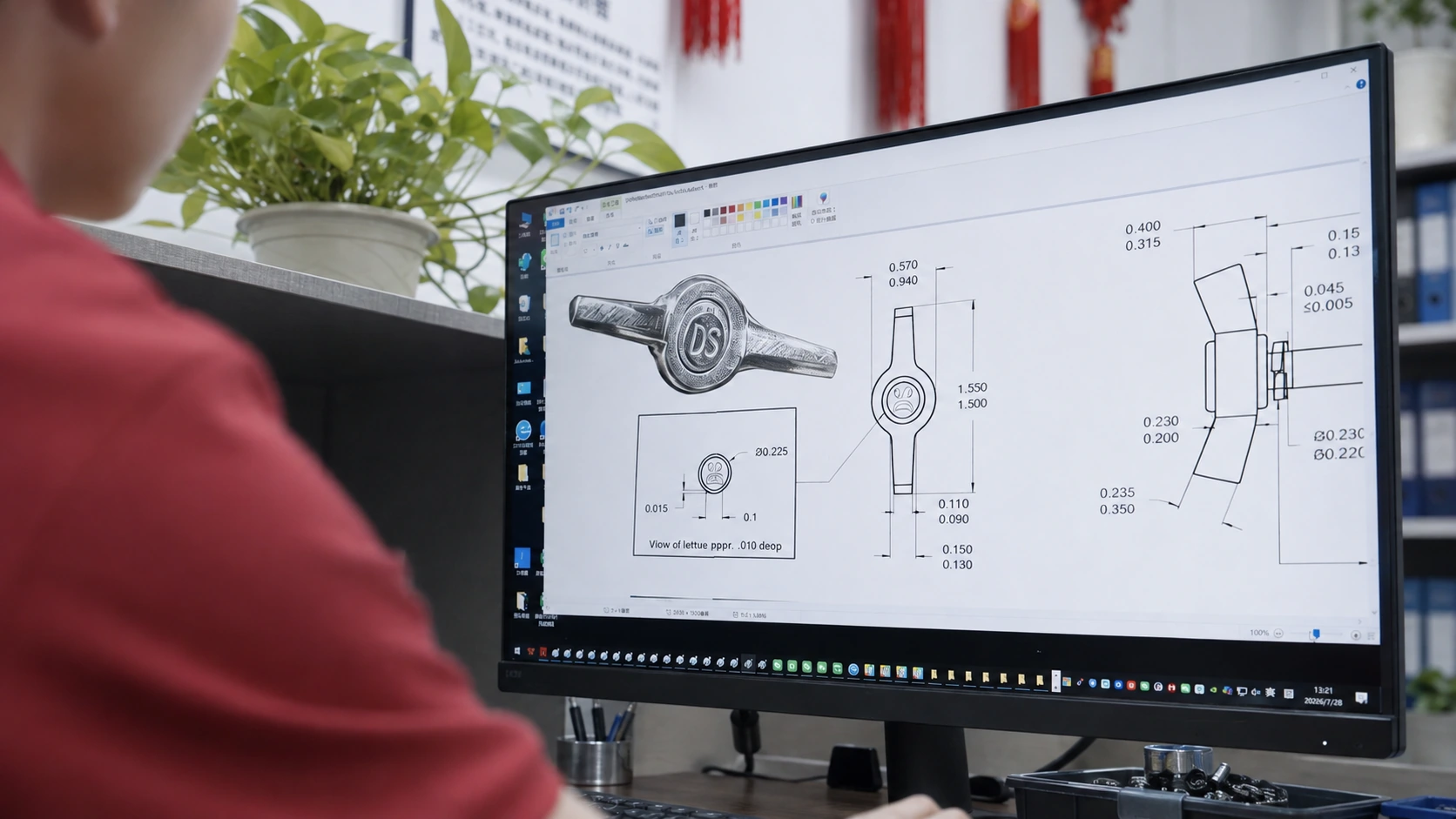
Drawing-Defined Geometry
Head dimensions, shank features, shoulders and thread length can be reviewed around the joint. This allows the metal screw specification to address the sealing seat, clamp stack and tool access together.
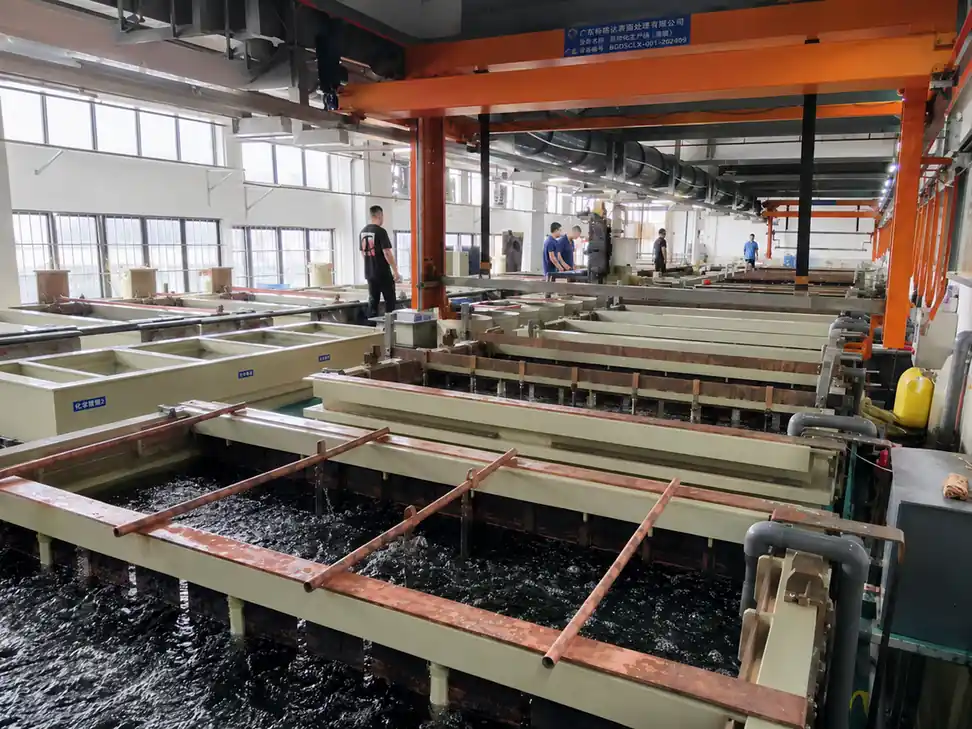
Material and Finish Reviewed Together
The selected grade, manufacturing route and surface requirements are assessed as one part specification. Final dimensions and contact conditions remain part of the inspection discussion.
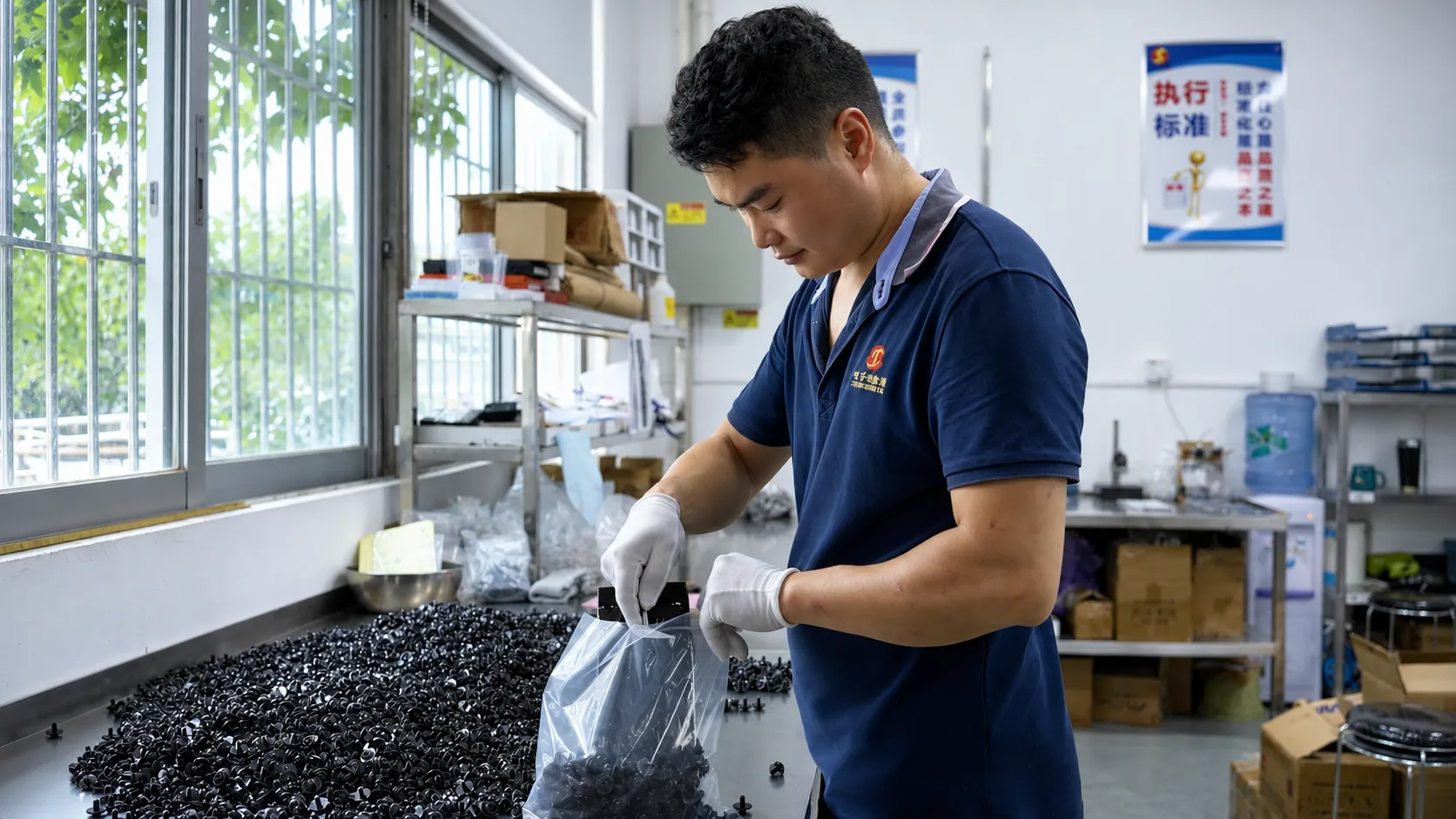
Separate Sealing and Locking Requirements
Under-head sealing and thread-locking treatments can be evaluated for their different functions. The project defines the required features, processing scope and assembly conditions.

Inspection Linked to Functional Features
Critical screw dimensions and thread requirements can be connected to an agreed inspection plan. Sample confirmation and production acceptance use the approved drawing and its revision.
From Joint Drawing to Production
We organize custom screw projects through drawing review, process development, sample confirmation and production control. The manufacturing route is selected for the material, geometry, quantity and acceptance requirements.
Identify the metal screw features, mating interface, critical dimensions and requested sealing function.
Review forming or turning, thread production, tooling and any required secondary operations for the actual part.
Check the sample against the agreed part specification and evaluate it in the intended assembly.
Use the agreed drawing revision, material requirements and inspection criteria for the production order.
Manufacturing and Inspection in Shenzhen
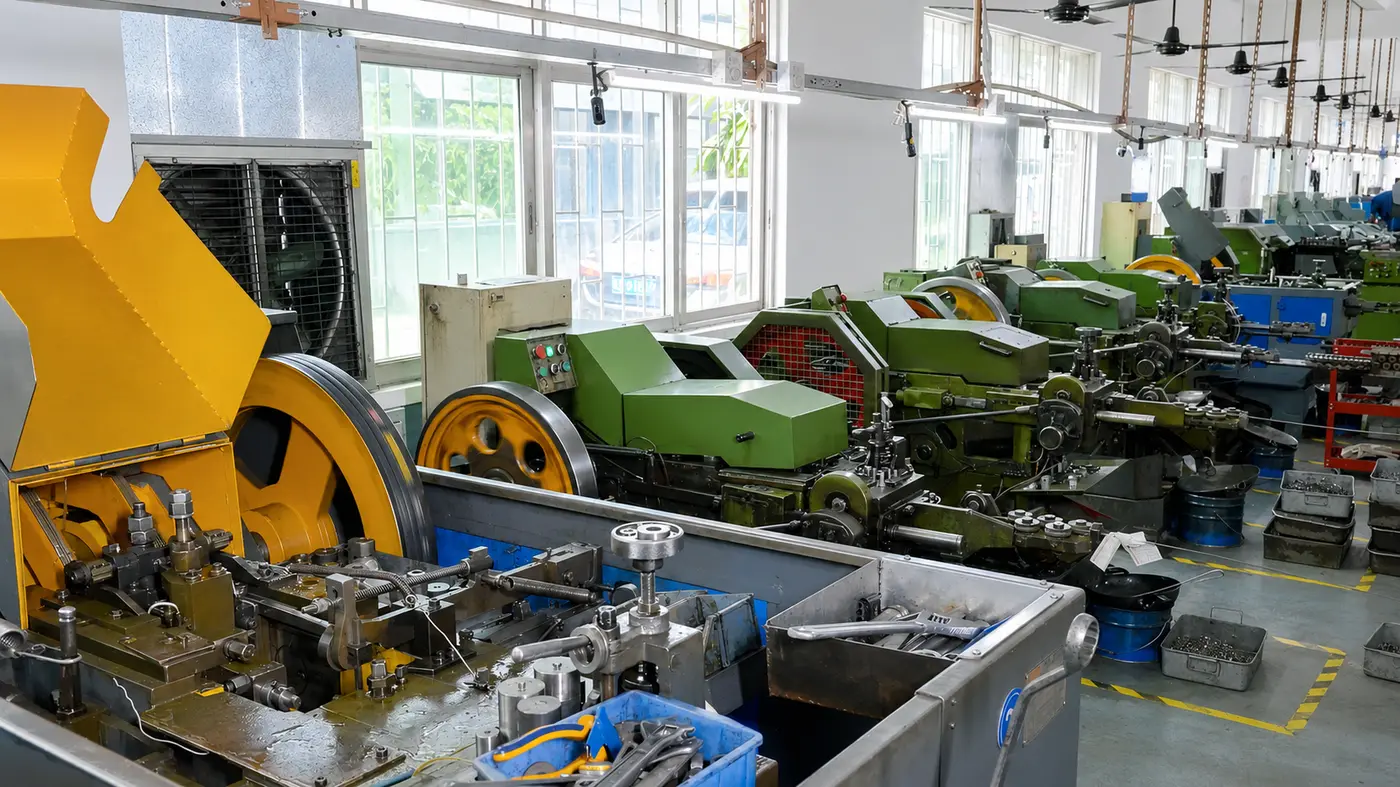
Shi Shi Tong's screw manufacturing experience began in 1998. Our work in Shenzhen combines custom part manufacturing with drawing-based inspection requirements.
For sealing screw projects, the inspection discussion starts with the metal features that affect assembly: head and seat geometry, thread fit, shank dimensions and the final surface condition.
| Inspection Area | Typical Scope | Acceptance Basis |
|---|---|---|
| Dimensions and profile | Head, seat, shoulder and other specified features; dimensional or optical measurement as applicable | Approved drawing, datum and measurement method |
| Thread fit | Specified thread and applicable GO/NO-GO checks | Thread designation and agreed gauge requirements |
| Material and surface | Material requirements and the specified final surface condition | Agreed grade, processing scope and required records |
| Torque and corrosion checks | Applicable project tests; internal salt-spray testing where agreed | Defined method, conditions and pass criteria |
Screw inspection and finished-joint sealing performance have separate acceptance criteria. Ingress or leak testing must evaluate the completed assembly under its specified conditions. Required third-party reports and compliance documents are agreed for the actual order and scope.

Ordering Custom Sealing Screws
Custom sealing screw pricing depends on the drawing, material, manufacturing route, tooling, processing and order quantity. Compare quotations for the same finished-part specification and supply scope.
Corrosion protection should be selected for the intended environment. A lower unit price is useful only when the material, finish and sealing interface still meet the requirement. Salt-spray results should be assessed under their stated test conditions; they do not directly predict outdoor service life.
Minimum order quantity, sample costs, tooling costs and lead time are quoted for the project. We confirm these terms after reviewing the part and production requirements.
Review our screw materials and surface finish options when defining the finished part.
| Quotation Item | Scope to Agree |
|---|---|
| Metal screw | Drawing revision, material, dimensions, finish and quantity |
| Sealing element or adhesive | Compound or product specification, sourcing responsibility and included processing |
| Assembly and evaluation | Sample scope, pre-assembly where applicable and finished-joint test responsibilities |
| Documentation and delivery | Required records, third-party work, packaging and agreed schedule |
Discuss Your Sealing Screw Specification
Share your joint drawing, seal location, medium, temperature range, pressure requirements, and estimated quantity so we can review the manufacturing scope and quotation details.
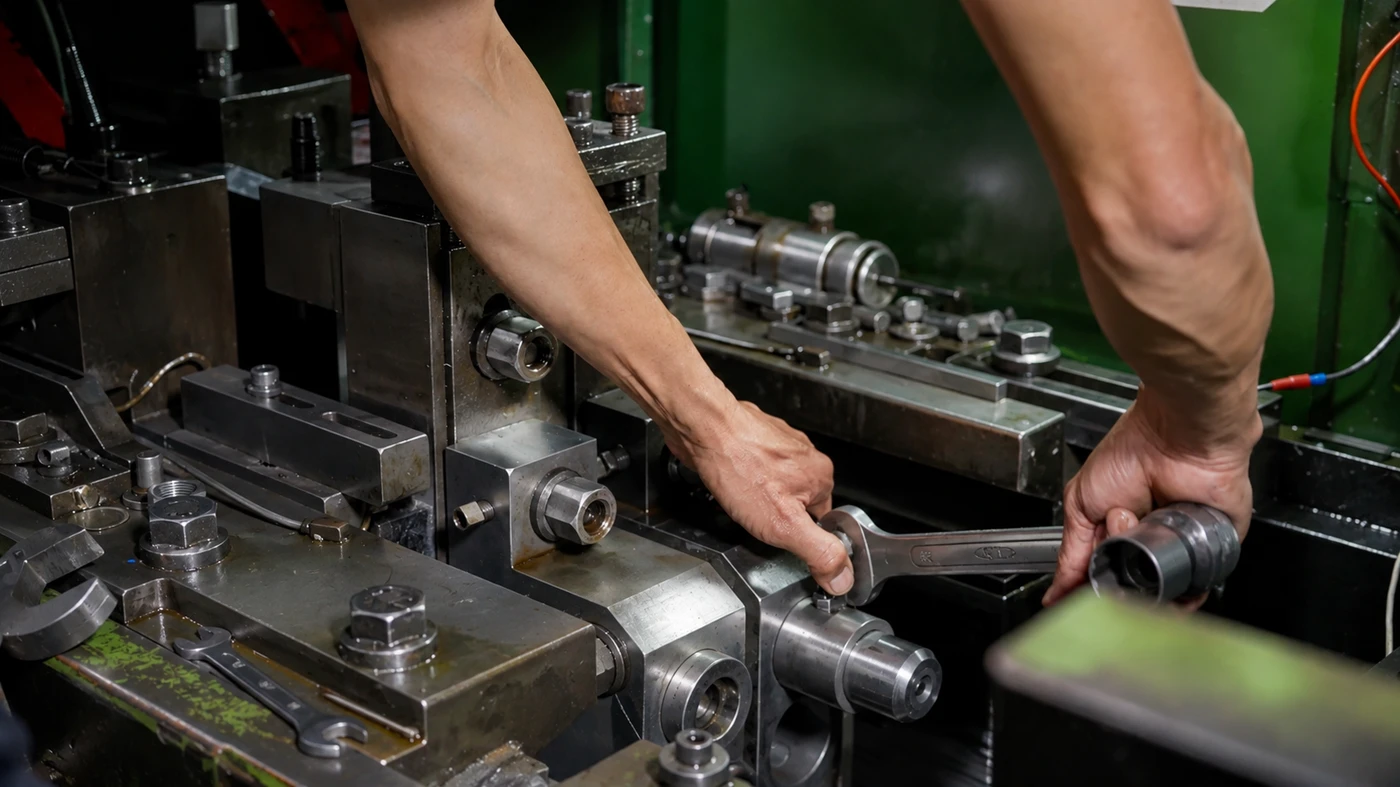
You can also email your drawing to info@fastenbydesign.com or discuss the project on WhatsApp.