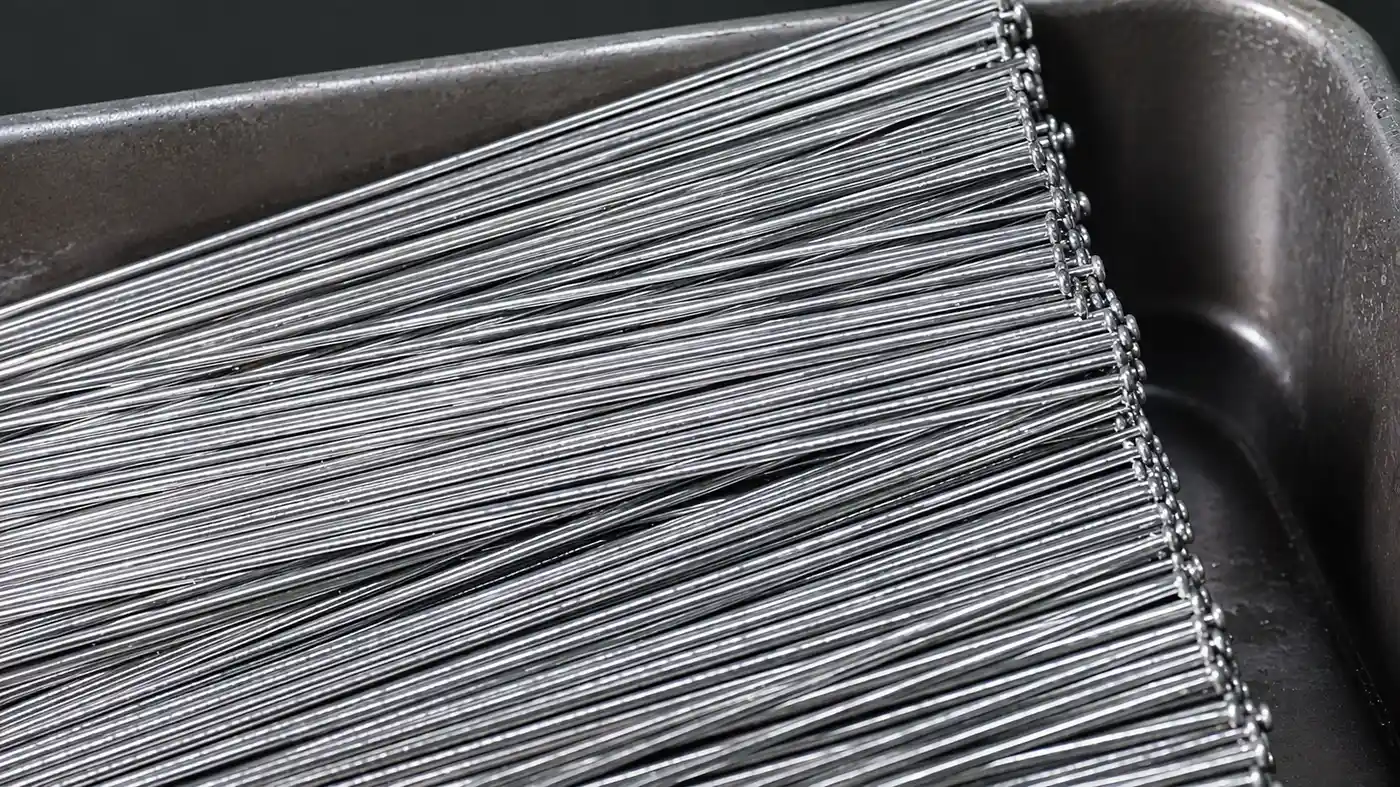

Custom Long Hex Head Screws Manufacturer
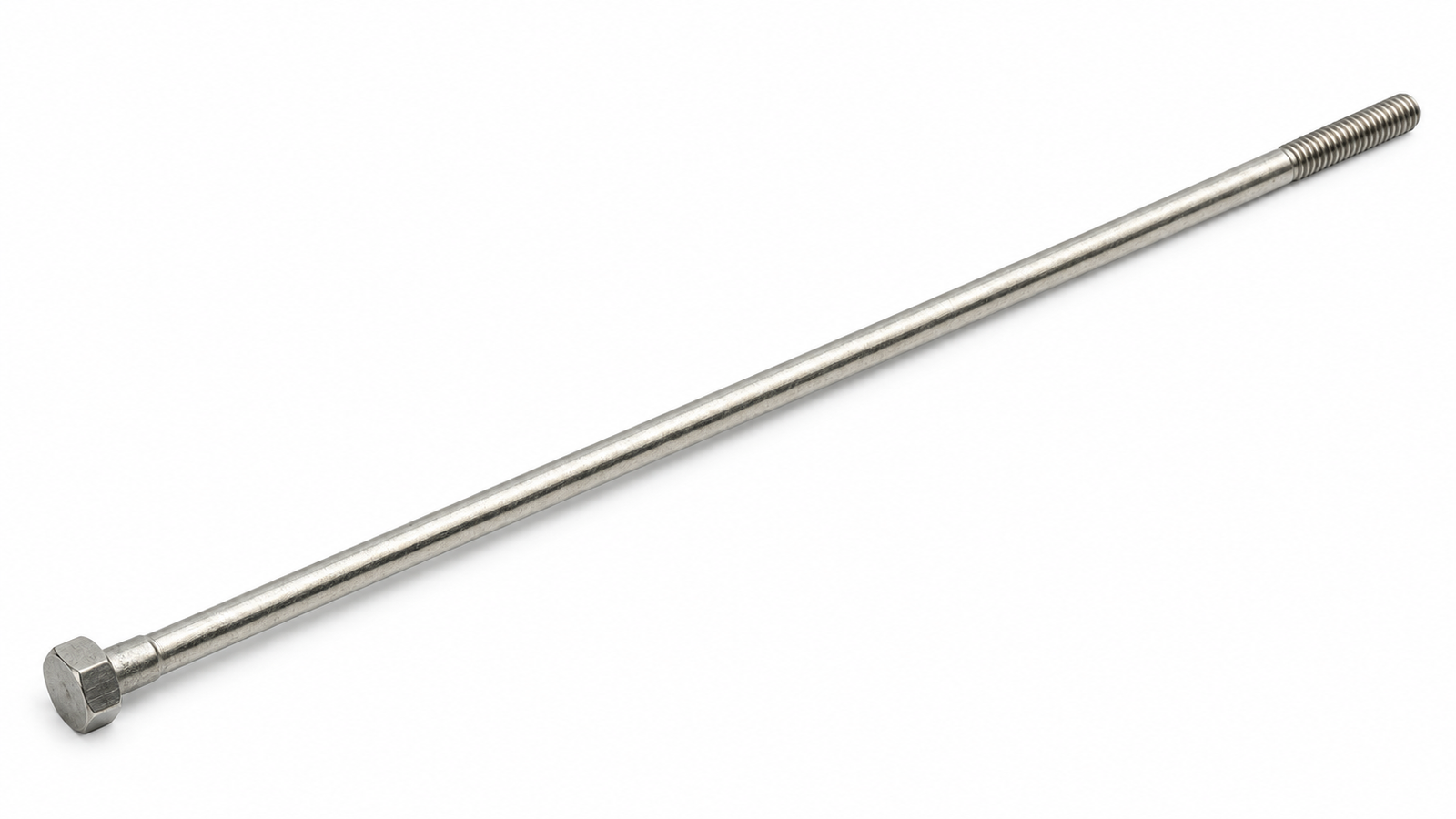
Shi Shi Tong manufactures drawing-based long hex head screws for equipment assemblies and extended through-connections. The external hex head, plain shank, threaded section and material are configured around the seating surface, clamped stack and mating thread.
-
Custom shank and thread positions
-
External hex and enlarged-bearing head configurations
-
Manufacturing and inspection defined for the drawing
Long Hex Head Machine Screws, Defined Around the Joint
An external hex head is driven by a matching wrench or socket around the outside of the head. The machine thread engages a compatible nut or tapped hole, while the extended body reaches through the connected components.
Shi Shi Tong reviews plain hex heads and drawing-defined enlarged bearing surfaces with the required shank and thread geometry. Head dimensions, bearing contact and tool clearance are selected together.
Machine-threaded long screws and wood-threaded lag screws use different mating conditions. Match the thread to the intended connection before comparing length or appearance.

| Specification | Drawing-based configuration | Selection significance |
|---|---|---|
| External hex head | Across-flats size, head height and bearing geometry | Determines wrench fit, socket access and seating |
| Thread system | Metric or inch machine threads with the complete designation | Must match the nut or tapped hole |
| Under-head length | Length from the specified bearing face beneath the head to the end | Establishes reach through the assembly |
| Threaded section | Specified thread start and usable threaded length | Places engagement where the joint requires it |
| Plain shank | Defined diameter, length and transitions | Must pass through or fit the connected parts as intended |
| Thread coverage | Partial thread or an assessed extended/full-thread configuration | Changes the location of thread and unthreaded sections |
| Material and properties | Carbon steel, alloy steel or stainless requirements assessed for the design | Connects loading, exposure and manufacturing conditions |
| Finished condition | Surface treatment, functional dimensions and agreed inspection | Defines acceptance after relevant processing |
A diameter and length alone do not define the finished screw. Head geometry, thread coverage, material condition and functional tolerances complete the specification.
Dimensional Reference
- d Thread diameter
- P / TPI Pitch or threads per inch
- L Under-head length
- b Threaded length
- s Hex across flats
- k Head height
- Plain-shank diameter and length
Place the Thread Where the Connection Needs It
The threaded section must reach the mating component, while the rest of the screw must suit the clamped stack. Additional thread does not automatically create a better connection.
| Configuration | Practical difference | Selection point |
|---|---|---|
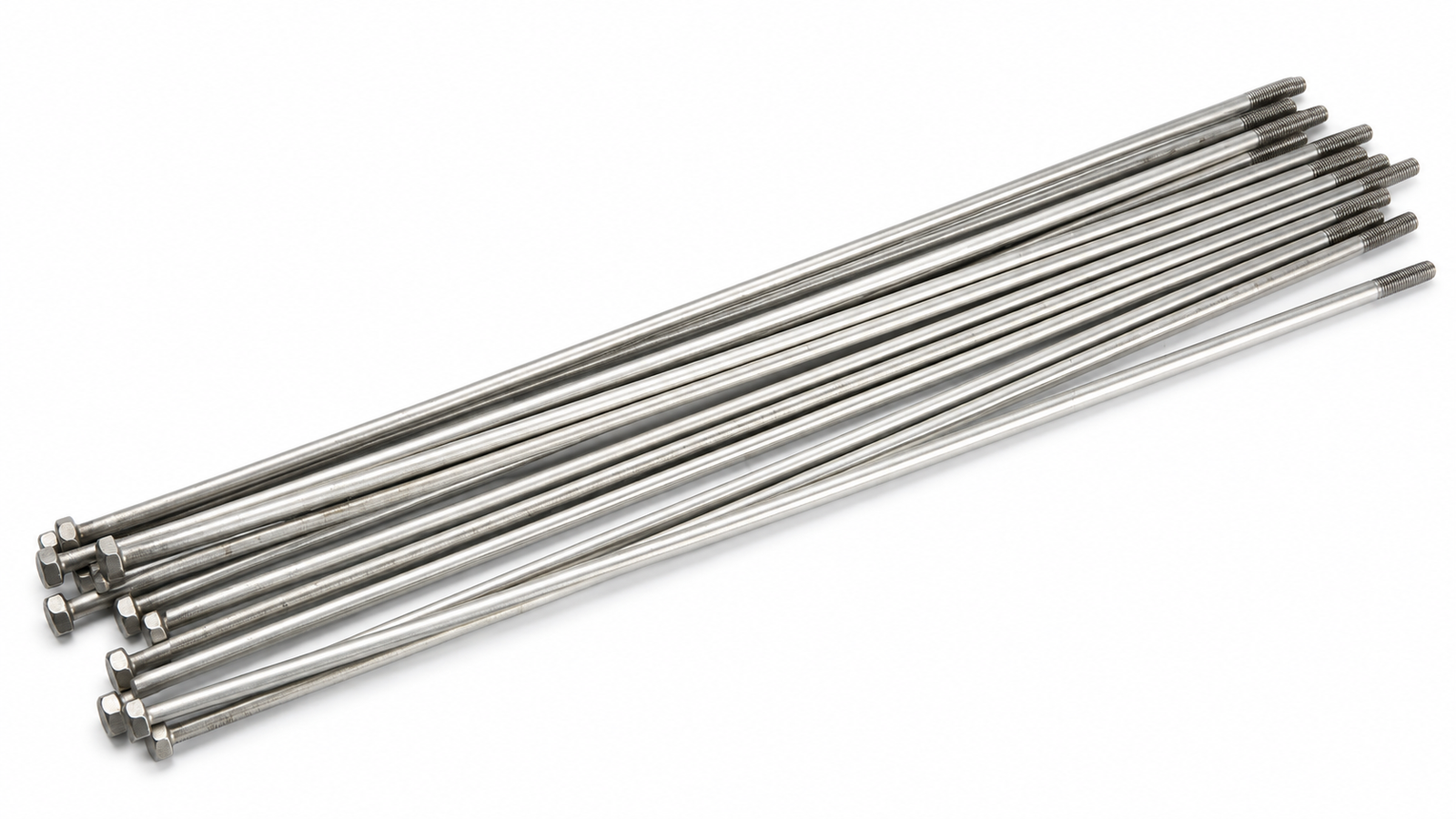
| Partial thread | A plain shank is followed by a defined threaded section | Match the shank to the clearance-hole stack and position usable thread within the engagement zone |
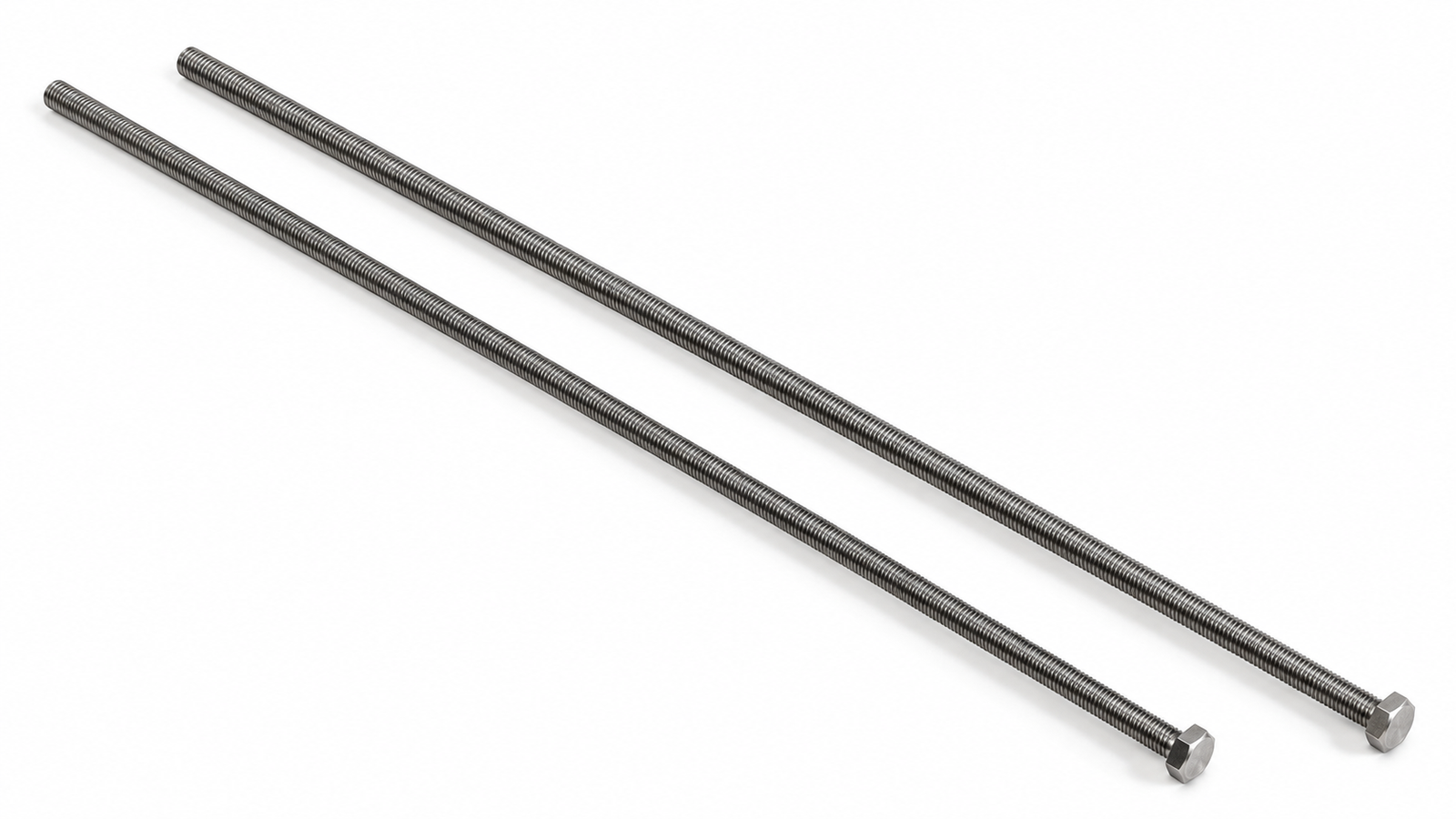
| Extended or full thread | Thread extends along more of the body | Useful when the design needs a longer threaded zone or a variable engagement position; manufacturable thread length is reviewed separately |
| Drawing-specific shank | Functional diameters or transitions are defined along the body | Review each clearance, fit and transition with the thread position and assembly order |
For a through-bolted connection, account for the clamped components, washers, nut engagement and specified end projection. For a tapped blind hole, check full thread engagement and clearance beneath the screw tip.
The head must seat on its intended bearing surface before the tip, thread runout or unthreaded section interferes with the mating component.
Joint Considerations
- Clamped stack
- Plain shank
- Usable thread engagement
- Tip clearance
Resolve the Details That Make Long Screws Difficult to Fit
Leave Space for the Tool and Bearing Surface
A hex head can fit the nominal hole position while the socket or wrench still collides with nearby components. An enlarged bearing surface also needs enough seating area.
We review the across-flats dimension, head height, surrounding clearance and head-underface geometry together. A head modification is assessed with its forming route and mechanical requirements.
Define Straightness for the Assembly
A slender screw may be difficult to guide through several aligned holes if its straightness does not suit the connection. Under-head length alone does not describe that fit.
Shi Shi Tong reviews straightness and head-to-shank alignment with the relevant datum, measurement method and finished condition. Material, heat treatment, straightening where appropriate, and handling are considered in the production plan.
Tolerance RequirementsKeep the Finish in the Fit Specification
Surface processing can affect thread fit, shank clearance and installation friction. A visually matching finish does not establish the same coating system or performance.
Material and finish review connects dimensional allowance, finished-thread checks and any agreed corrosion requirement before sample acceptance.
Surface Finishes
Choose the Material for Loading, Exposure and Processing
Material selection should consider the required mechanical properties, corrosion exposure, manufacturing route and finished fit together. A stainless designation and a steel property class describe different aspects of the specification.
| Material direction | Why it may fit the project | What needs evaluation |
|---|---|---|
| Carbon or alloy steel | A specified mechanical requirement with an appropriate treatment and surface system | Material condition, heat treatment where required, finish compatibility and finished properties |
| Stainless steel | A drawing-defined combination of corrosion and mechanical requirements | Exact grade and condition, exposure, thread behaviour and surface requirements |
| A specified protective finish | Appearance or exposure requirements on a compatible base material | Treatment system, dimensional effects, friction and the required test criteria |
For high-strength electroplated steel, hydrogen-embrittlement risks and any applicable relief treatment or testing belong in the process review. Coating colour and a salt-spray duration should not be converted into an outdoor service-life promise.
Manufacturing Around Long-Screw Geometry
Coordinate the Complete Headed Part
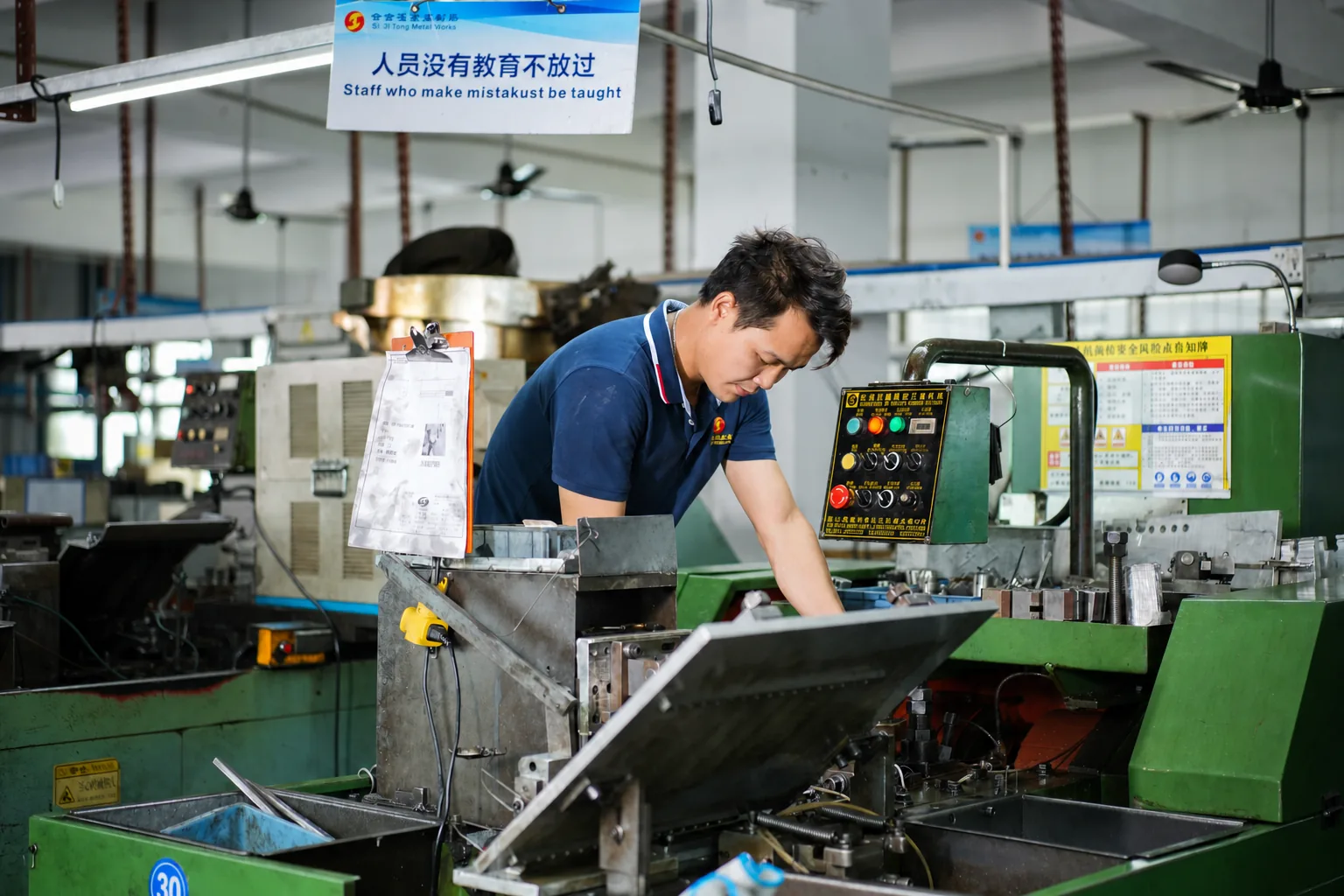
The external hex head, bearing face, long shank, thread start and tip are reviewed on the same drawing. This keeps individual dimensions connected to the assembly and makes permitted changes clear before tooling or sample work.
Match the Route to the Length and Structure
Selected long-screw designs can use split-die heading to form an integral headed blank. Thread production, secondary machining and straightening are assessed where the geometry and material require them.
The route is selected for the part, with attention to the long shank, functional thread length and condition after treatment.
Capacity Reference
Within our wider long-screw family, M1.4–M12 and lengths up to 2,000 mm are manufacturing assessment references. The feasible external-hex configuration is confirmed separately against the material, diameter, head, threaded section and process requirements.
Manufacturing Sequence
- Drawing and connection review
- Material, process and tooling assessment
- Sample evaluation and agreed inspection
- Production to the approved drawing revision
Inspection and Handling for Long Fasteners
Shi Shi Tong’s screw-manufacturing history dates to 1998. Our Shenzhen operation combines drawing review, process development, sample evaluation and project-specific inspection.
For a long hex head screw, acceptance needs to address the geometry along the part as well as the threaded connection. Inspection methods and sampling are agreed for the order.
| Inspection focus | What is evaluated |
|---|---|
| Head and bearing surface | Across-flats dimension, height, seating geometry and relevant visual features |
| Length and shank | Length reference, functional diameters, thread position and specified transitions |
| Straightness and alignment | Drawing-defined datums, condition and measurement method |
| Thread | Designation, pitch, fit and applicable gauging |
| Material and properties | Specified material condition and agreed mechanical verification |
| Surface and handling | Finished condition, relevant dimensional effects and agreed protection during packing and transport |
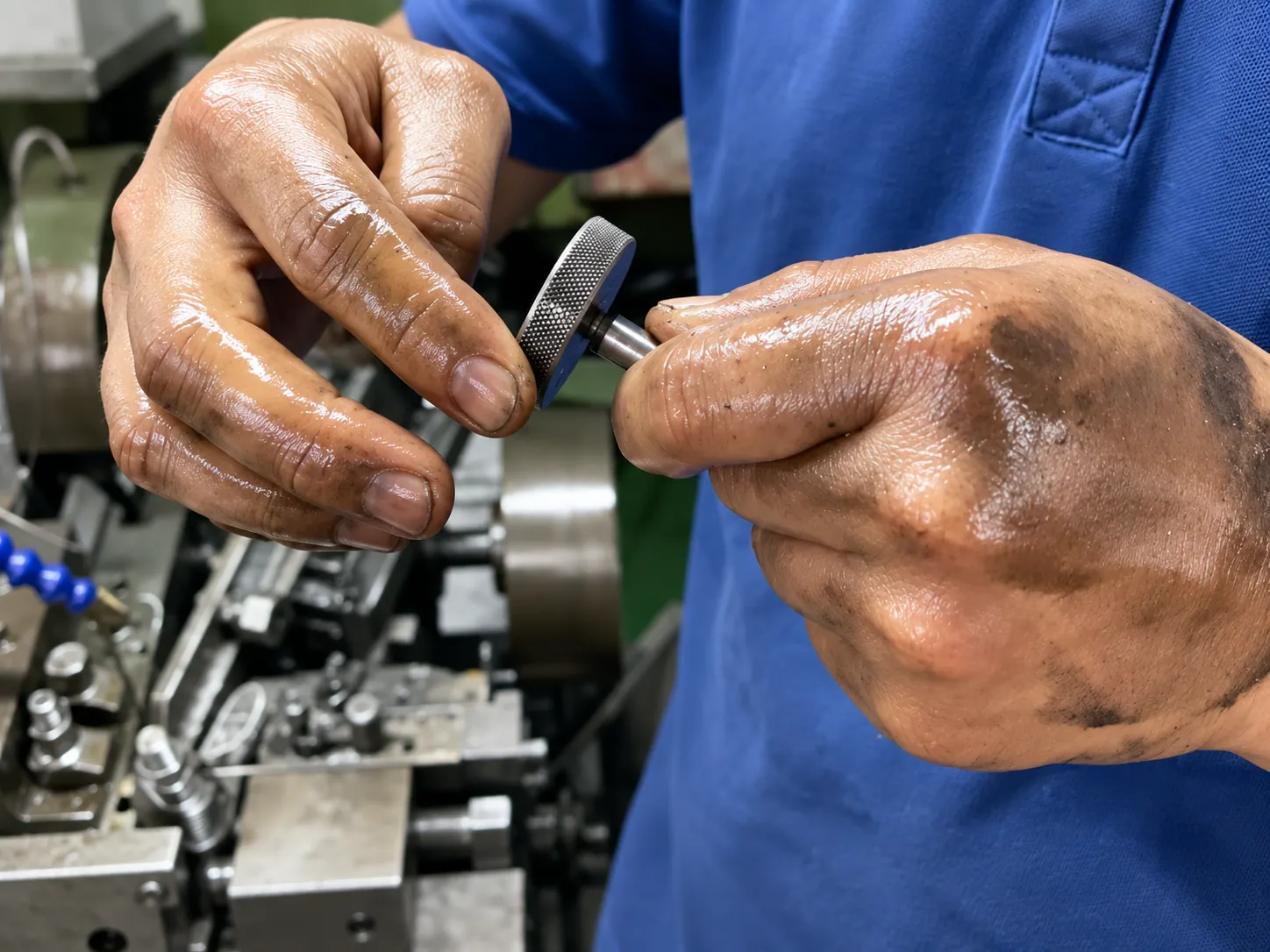
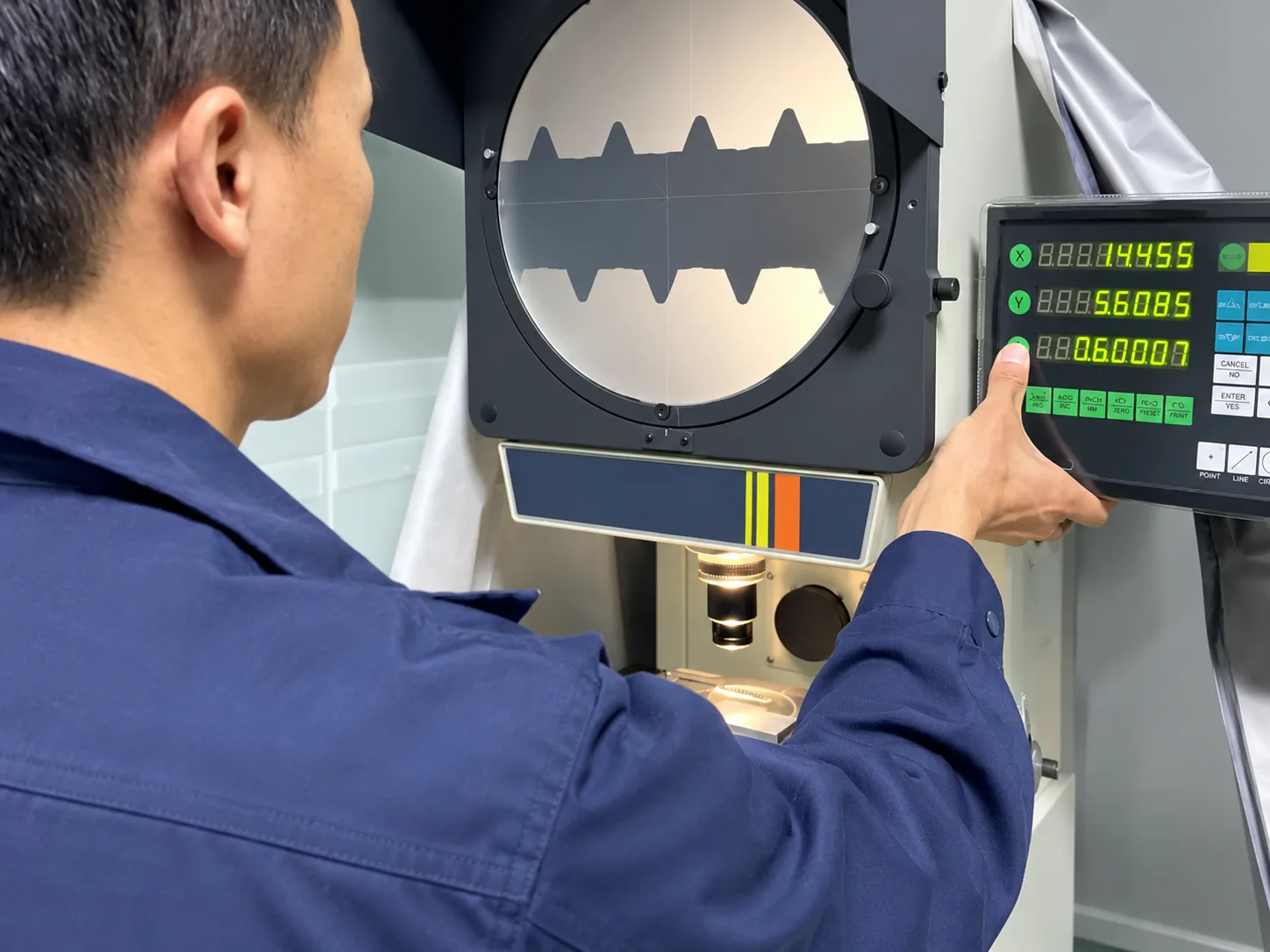
Material records, dimensional inspection and additional test documents should correspond to the relevant part, drawing revision and batch. Internal inspection and third-party testing are defined separately where required.
Review Quality Control and DocumentationLong Hex Head Screw Selection Guide
Compare the connection, material and installation conditions before finalising a custom long screw.
How do I choose the diameter and length?
Choose the diameter from the connection’s load, required mechanical properties, mating-thread capacity and available space. “Long” and “heavy duty” do not define a diameter or strength grade.
Then establish the length needed across the clamped components and the required engagement. Include washers, nut dimensions or tapped-hole depth, thread runout and end clearance as applicable.
For a long plain shank passing through several components, also check bore alignment, shank clearance and straightness. Shi Shi Tong reviews these features together rather than treating a diameter-and-length callout as the complete manufacturing specification.
Are longer hex head screws stronger?
Additional length does not increase the material’s strength or change its property class. The connection’s performance depends on diameter, effective section, material condition, head bearing, thread engagement, loading direction and joint design.
A longer grip changes the fastener’s elastic behaviour and may introduce different alignment or bending considerations. Those effects should be evaluated for the actual assembly rather than used to rank all long screws as stronger or weaker.
Where a higher mechanical requirement is needed, the material, treatment and finished-part acceptance must support it. Length alone does not establish an allowable tensile, shear or fatigue load.
Which materials suit outdoor or marine exposure?
Start with the actual exposure: rain, retained moisture, salt deposits, seawater contact, chemicals, temperature and contact with other metals. Outdoor equipment, coastal exposure and continuous immersion can require different material decisions.
| Exposure | Main selection considerations |
|---|---|
| Outdoor atmospheric exposure | Drainage, coating condition, maintenance and the actual environment |
| Coastal or salt-contaminated exposure | Exact stainless grade or protective system, salt accumulation and crevice design |
| Seawater contact or immersion | Localised corrosion, temperature, stagnant conditions, contacting metals and service-specific validation |
316 stainless steel can offer better resistance to chloride exposure than 304, but it is not corrosion-proof in seawater. Pitting and crevice corrosion remain possible, particularly where moisture and salts are retained.
Shi Shi Tong reviews the requested grade, mechanical requirement and surface condition with the long-screw geometry. Material suitability should be established for the service conditions rather than inferred from the phrase “marine grade.”
What should I check before tightening?
Check that the wrench or socket matches the external hex and can engage without interference. Confirm that the bearing surface seats correctly and that the long shank passes through the connected components without being forced into alignment.
Verify the mating thread, usable engagement and blind-hole clearance. Do not rely on tightening to straighten a misaligned long screw or pull incompatible components into position.
Use the tightening specification approved for the joint, including the actual material, mechanical requirement, coating and lubrication condition. A torque value for a different finish or lubricant may produce a different preload. Manufacturing torque tests and the equipment’s installation requirement serve different purposes.
How should I compare suppliers and bulk quotations?
Compare the same drawing revision, material condition and acceptance requirements. Two quotations for the same nominal diameter and length may still cover different head dimensions, shank geometry, threaded lengths or inspection scopes.
Check quantity, tooling, material procurement, surface treatment, required documents, packaging and delivery terms alongside the unit price. Long-part handling and protection should also be included where they affect the delivered condition.
Shi Shi Tong manufactures in Shenzhen, China and accepts drawing-based inquiries online. Samples, minimum quantity, pricing and timing are confirmed for the specific design and order. A manufacturing quotation provides a basis for agreeing the complete part rather than assuming that a similar catalogue description is equivalent.
Request a Long Hex Head Screw Review
Share your drawing or the main connection dimensions. Include the thread designation, under-head length, plain-shank and threaded sections, head details, material, finish and estimated quantity where available.
Shi Shi Tong will review the configuration, manufacturing route and inspection requirements before confirming the quotation.