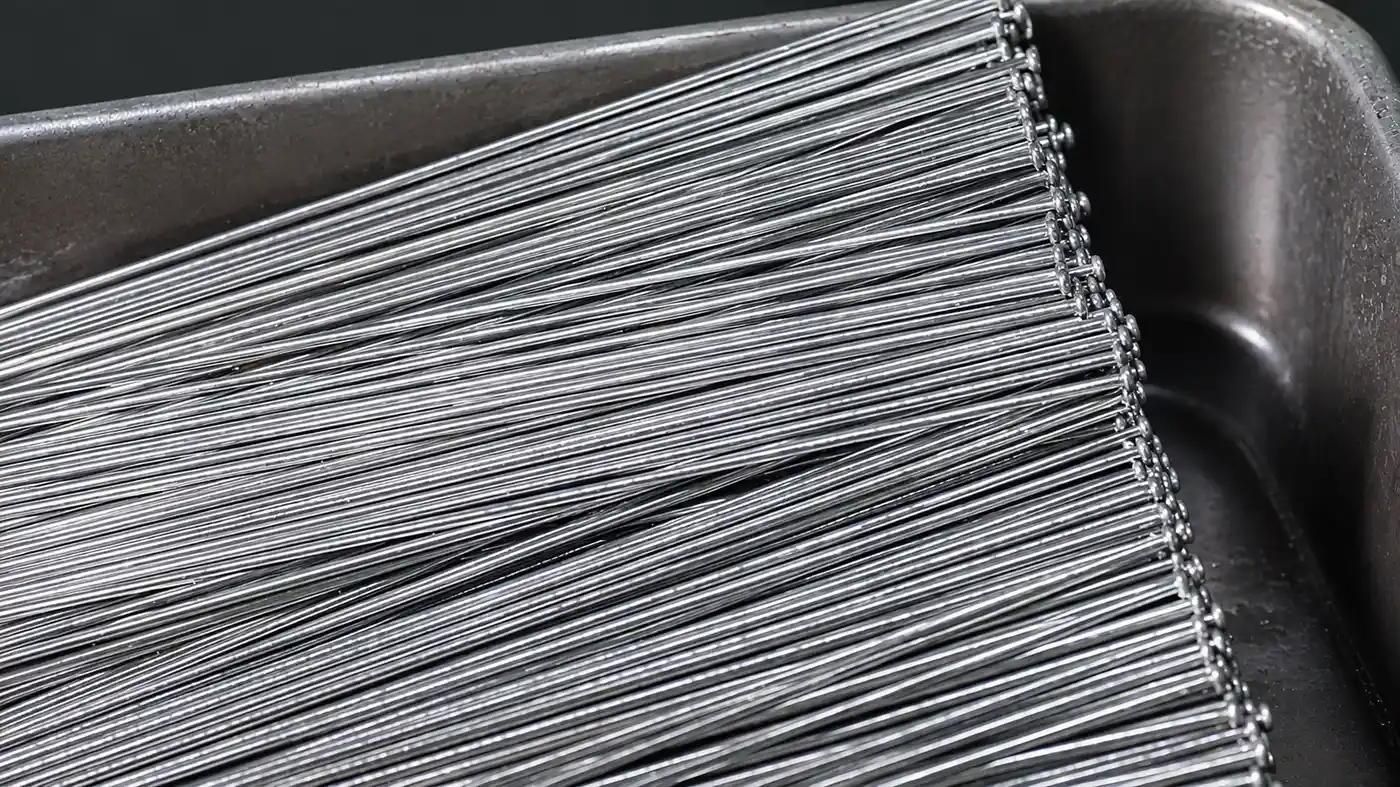
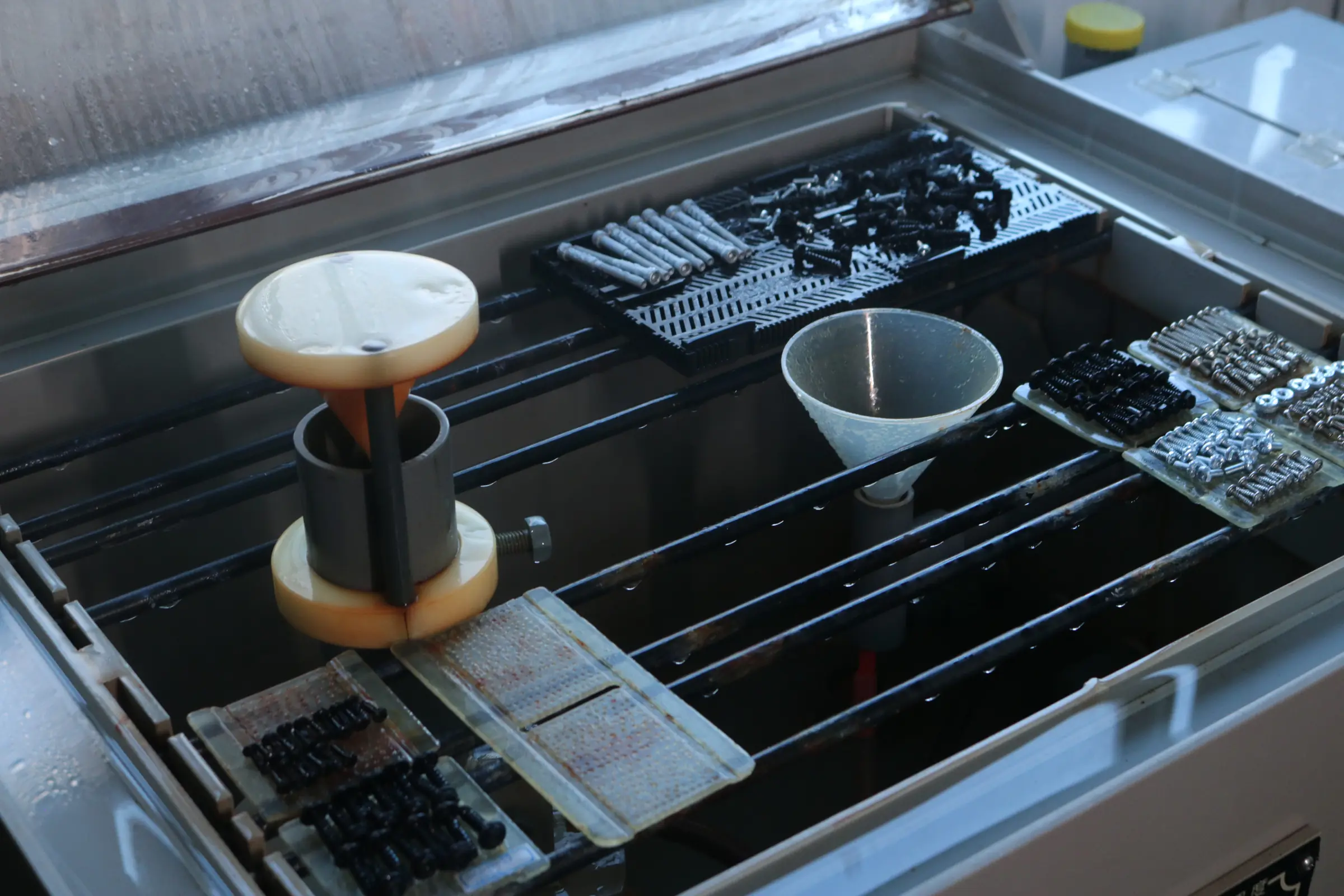
Custom Corrosion & Salt Spray Requirements
Corrosion performance depends on more than a target number of test hours. Shi Shi Tong reviews the screw material, coating system, pretreatment, thickness, thread fit, test method and failure criteria before a project-specific requirement is confirmed.
- Material-to-finish compatibility review
- Coating thickness and thread-fit evaluation
- Project-specific salt spray testing
- Sample and acceptance-criteria confirmation
A Salt Spray Requirement Needs More Than Test Hours
A request such as “500-hour salt spray” is incomplete unless the material, coating system, test method and failure condition are also defined. The same exposure time can represent different requirements when the substrate, coating thickness, specimen geometry or evaluation method changes.
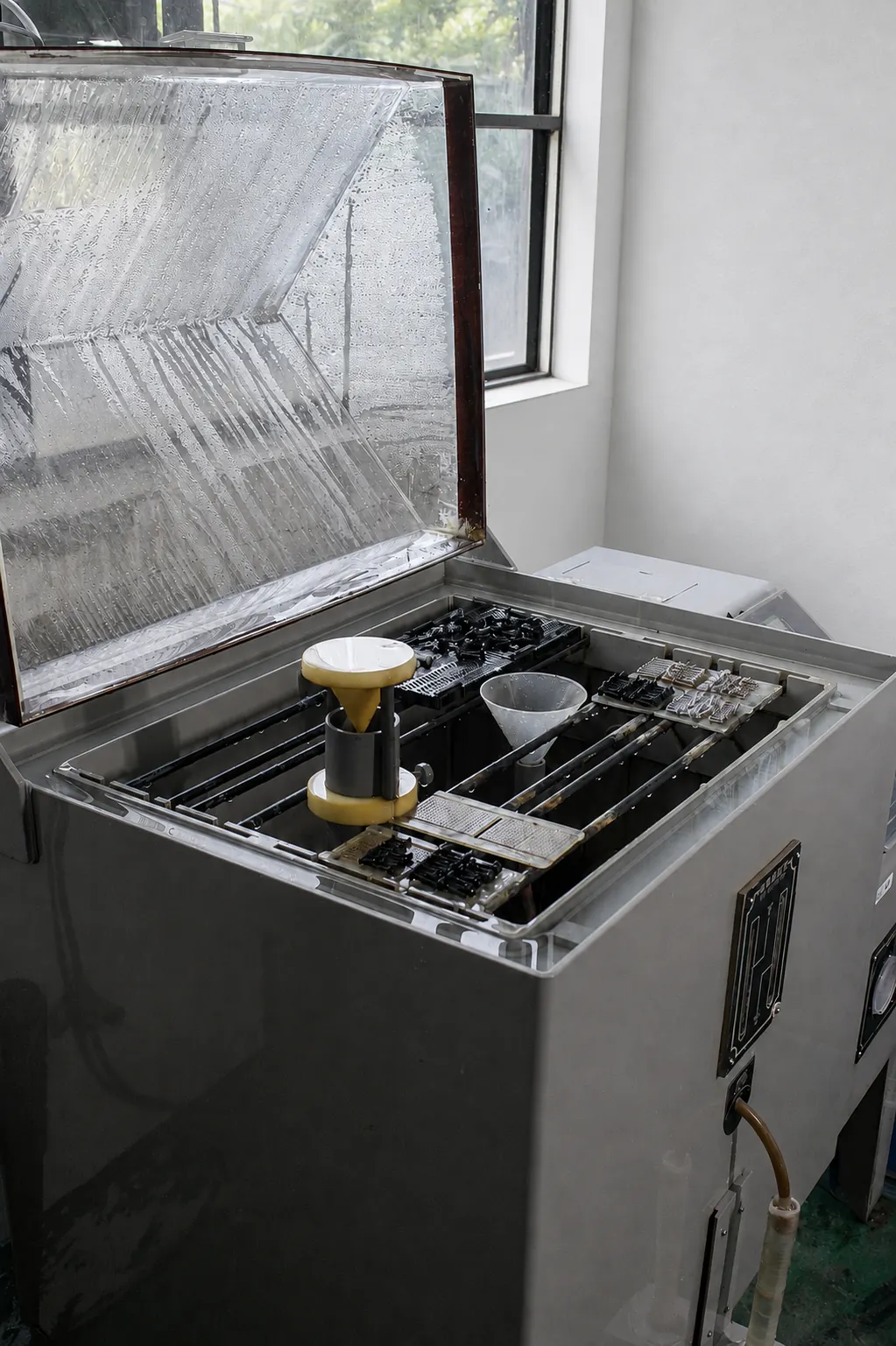
Test hours alone are not a complete corrosion specification.
| Requirement element | What should be confirmed |
|---|---|
| Base material | Exact material grade, condition, hardness or strength class |
| Finish system | Plating, conversion coating, zinc flake, electrophoretic coating, anodizing or another specified system |
| Pretreatment | Cleaning, activation, conversion layer and any process required before coating |
| Coating thickness | Target thickness, measurement method and critical measurement locations |
| Color and topcoat | Color system, passivation, sealer, lubricant or other specified topcoat |
| Test method | Applicable standard, edition and salt spray test type |
| Exposure period | Required test duration stated in hours |
| Failure criteria | White corrosion, red corrosion, blistering, peeling, staining or another defined condition |
| Evaluation area | Significant surfaces, edges, recesses, threads and any excluded areas |
| Dimensional control | Thread tolerance, coating allowance and post-treatment GO/NO-GO requirements |
| Documentation | Sample identification, test conditions, inspection points, photographs and final report |
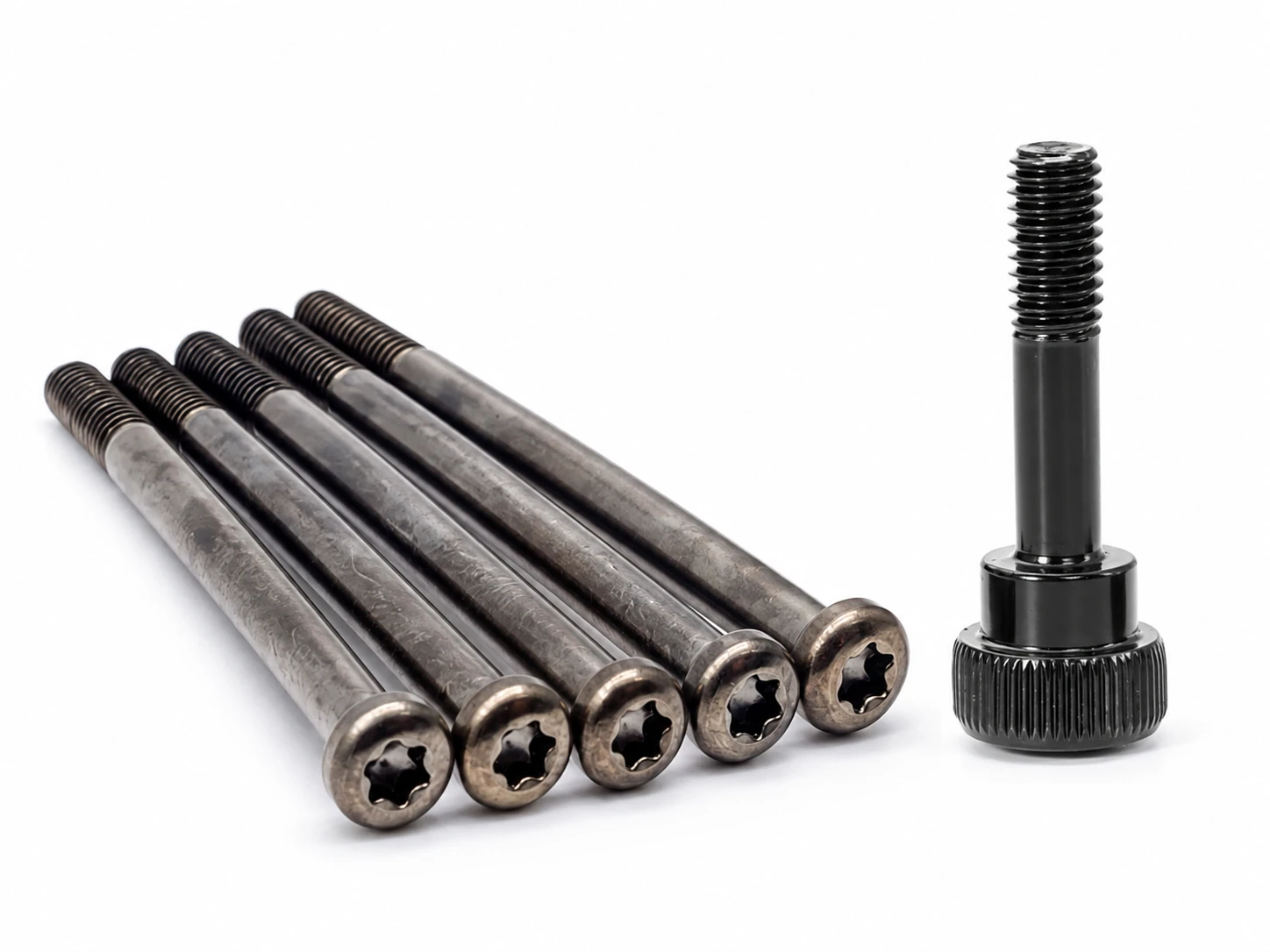
Match the Finish to the Screw Material
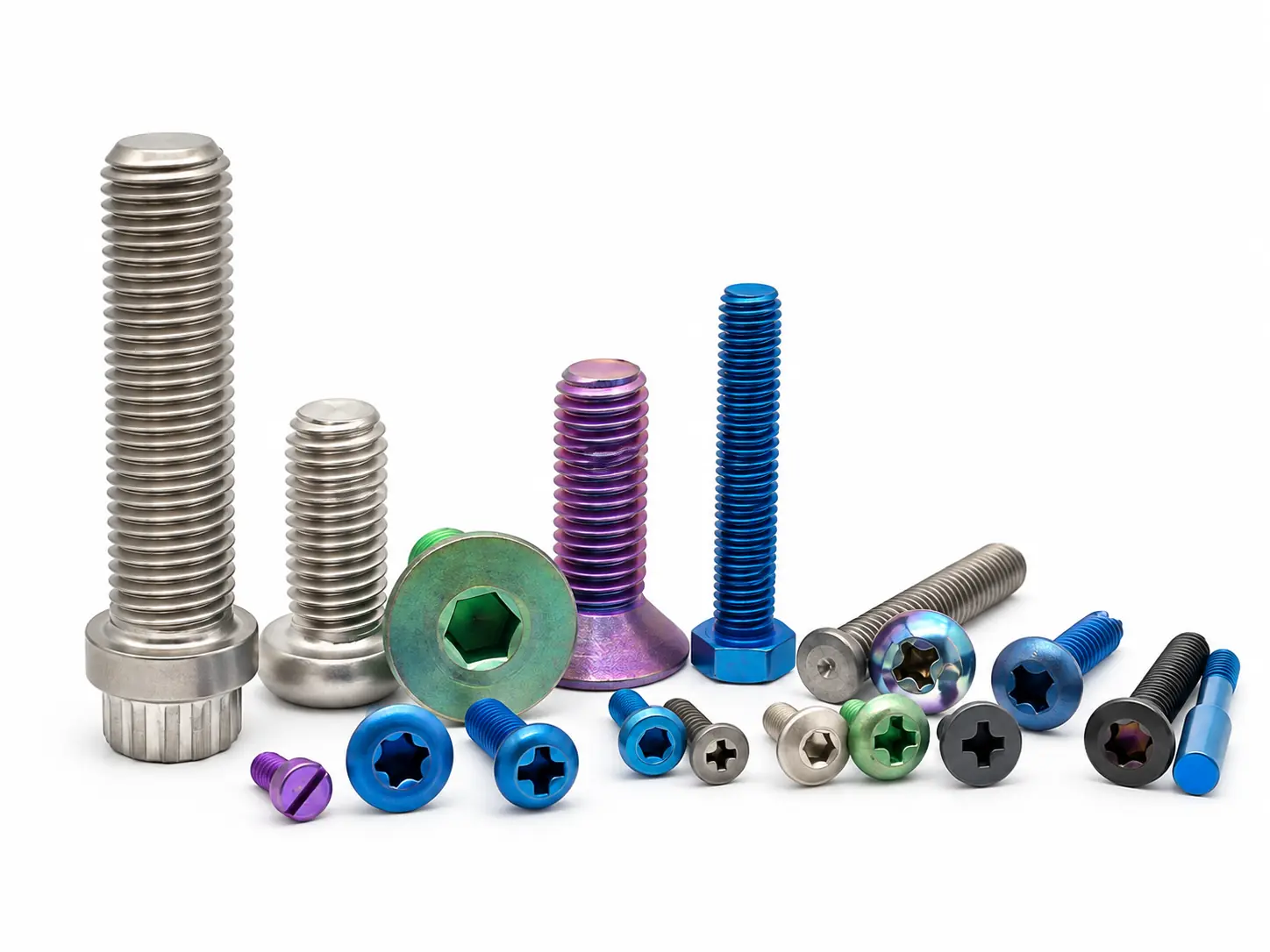
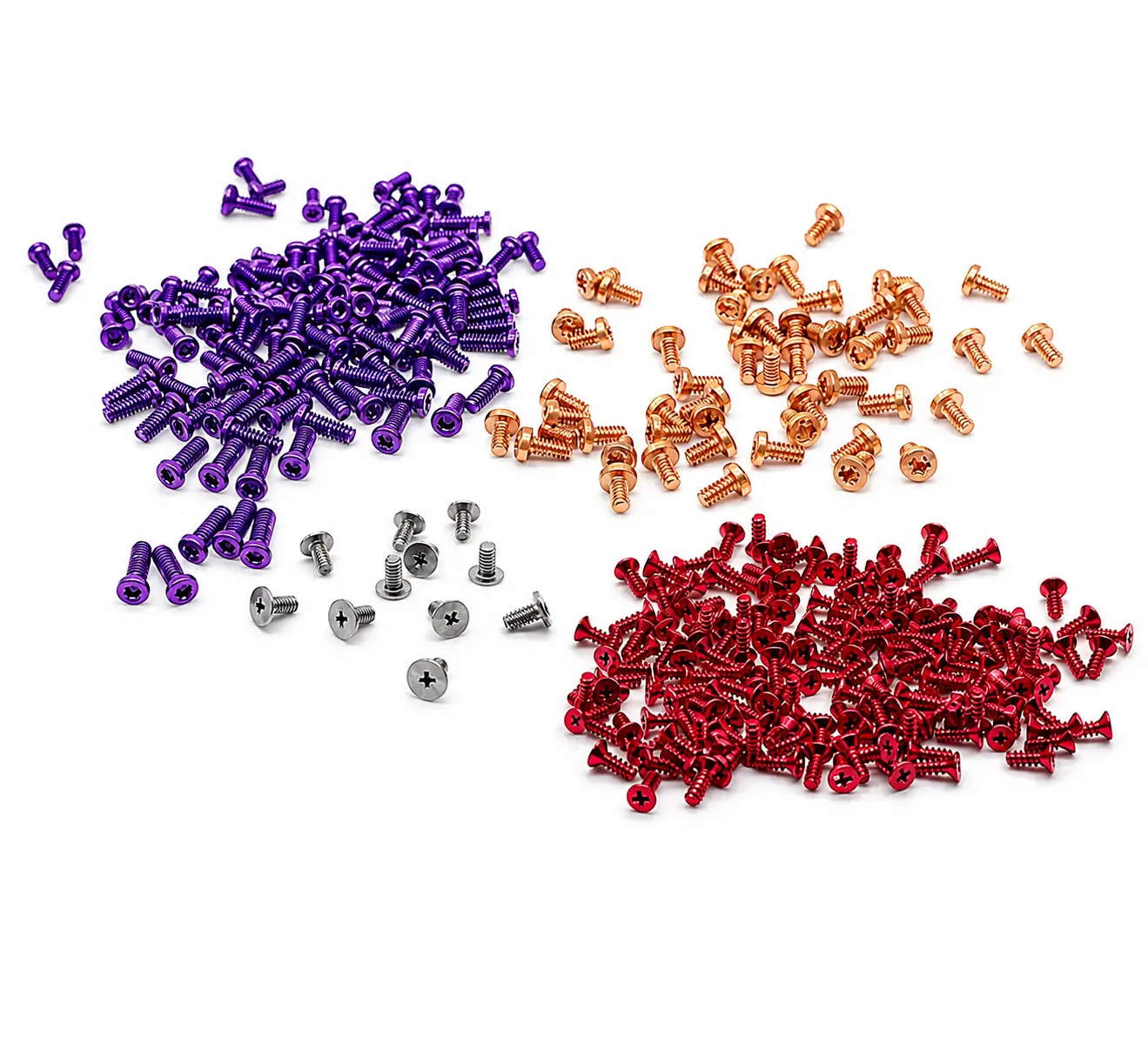
A finish that works on one substrate may require a different pretreatment or may be unsuitable for another. Material grade, hardness, screw geometry, appearance and assembly conditions should be reviewed together.
| Screw material | Common corrosion-protection paths | Important review points |
|---|---|---|
| Carbon and Alloy Steel | White, blue, yellow or black zinc; zinc-nickel; zinc flake systems; electrophoretic coating; phosphating | Strength class, pretreatment, hydrogen-embrittlement risk, baking requirement, thickness, friction and thread fit |
| Austenitic Stainless Steel | Natural finish, passivation, polishing, electropolishing and selected project-specific coatings | Exact grade, surface condition, cleaning route, adhesion, appearance and acceptance method |
| Hardenable or Ferritic Stainless Grades |
Natural finish, passivation and selected treatments subject to grade and heat-treatment review | Material certificate, hardness, treatment sequence, dimensional effect and corrosion criteria |
| Aluminum | Natural finish, anodizing, black anodizing, sandblast anodizing or hard anodizing | Alloy and temper, pretreatment, thickness, color, dimensional build-up and contact conditions |
| Titanium | Natural finish, passivation, anodizing or selected micro-arc oxidation | Exact grade, process compatibility, color feasibility, thickness and project-specific test criteria |
| Copper and Copper Alloys | Passivation and selected tin, nickel, silver, gold, black nickel or black zinc systems | Exact alloy, underlayer, adhesion, conductivity, appearance, thickness and dimensional requirements |
“Recommended” or “available” does not mean unconditional suitability. The exact material, coating route and acceptance requirements must be confirmed for each screw.
Avoid Ambiguous Corrosion Requirements
Clear specifications prevent manufacturing delays and assembly failures. Ensure these common gaps are addressed in your drawing.
Only the Number of Hours Is Specified
An exposure period does not define the test type or the acceptable result. State the method, duration, evaluation area and failure criteria together.
White and Red Corrosion Are Treated as the Same Result
White corrosion generally concerns corrosion products from a protective zinc-based layer, while red corrosion indicates corrosion of an iron or steel substrate. The drawing or specification should state which condition controls acceptance.
The Finish Is Selected Before the Material Is Confirmed
Pretreatment, adhesion, corrosion behavior and process risk depend on the substrate and material condition. High-strength steel requires additional review of hydrogen-embrittlement risks.
Coating Thickness Is Ignored on Threads
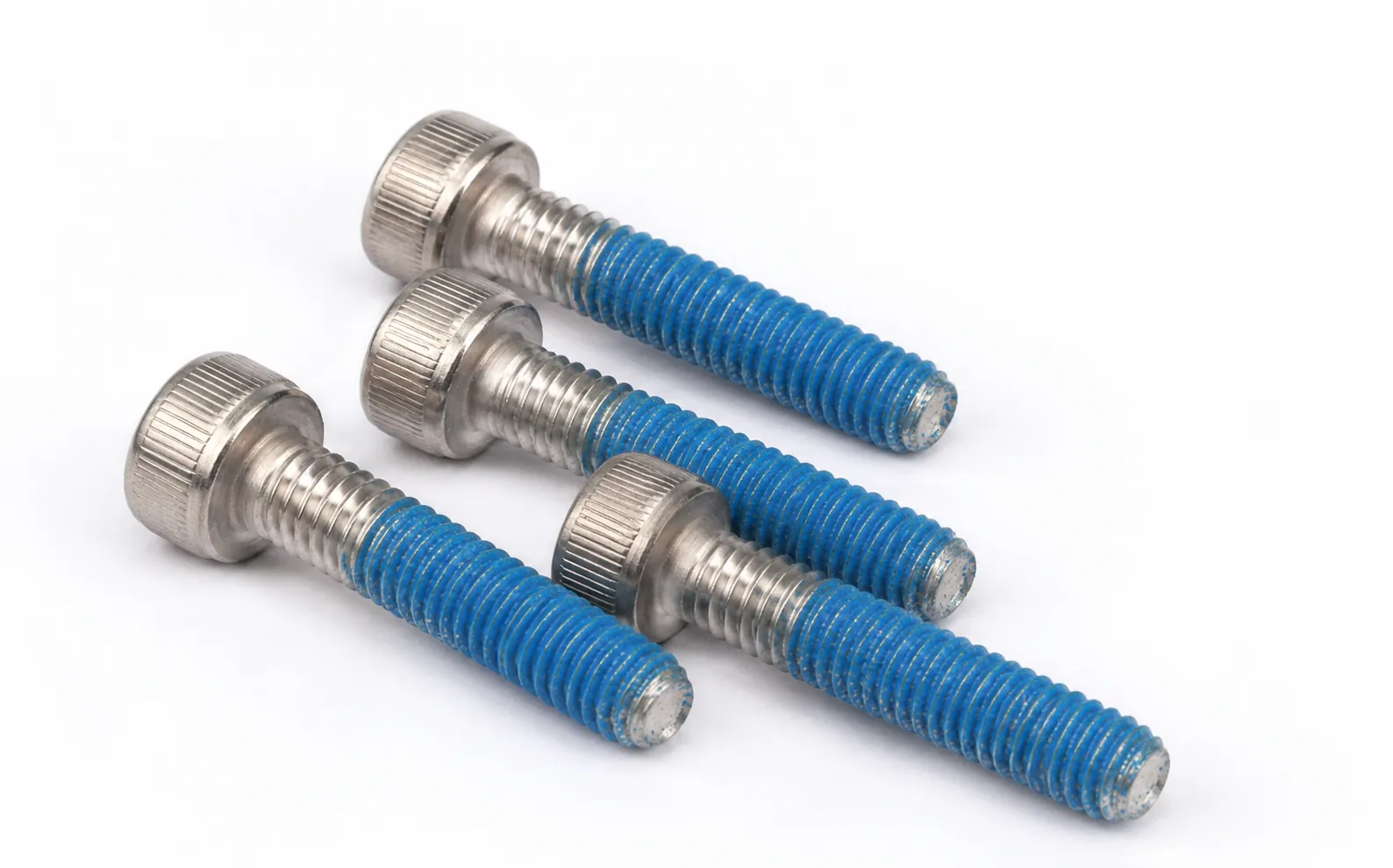
Coating build-up can change external and internal thread fit, drive recess dimensions and other critical features. Pre-treatment dimensions and post-treatment inspection should be planned together.
Salt Spray Hours Are Converted Directly into Service Life
Salt spray testing provides controlled comparative or quality-control information under a specified laboratory method. It should not be used alone to predict years of outdoor, marine or chemical-service life.
Define the Test Method Before the Result
Test standards describe controlled test environments, but they do not automatically select the correct exposure period or pass/fail requirement for every screw. Those conditions must come from the product drawing, customer specification or an agreed project test plan.
| Test reference | What it establishes | What still needs to be specified |
|---|---|---|
| ASTM B117 | Operating conditions for salt spray or salt fog apparatus | Specimen, exposure period, inspection interval and result interpretation |
| ISO 9227 | Procedures for neutral salt spray, acetic acid salt spray and copper-accelerated acetic acid salt spray tests | Applicable test type, specimen, duration, significant surface and acceptance criteria |
| Customer or Industry Specification | Product-specific coating, test and acceptance requirements | Applicable revision, drawing notes, approved deviations and required documentation |
| Agreed Project Test Plan | The confirmed test scope for a specific custom screw | Material, coating system, thickness, sample quantity, evaluation points and reporting format |
What Can Be Evaluated?
- Appearance before and after exposure
- White corrosion on zinc-based systems
- Red corrosion of steel substrates
- Blistering, peeling, flaking or loss of adhesion
- Staining or unacceptable color change
- Corrosion on significant surfaces, edges, recesses or threads
- Post-test thread fit or assembly condition when specified
- Photographic and inspection records required by the project
Important Note
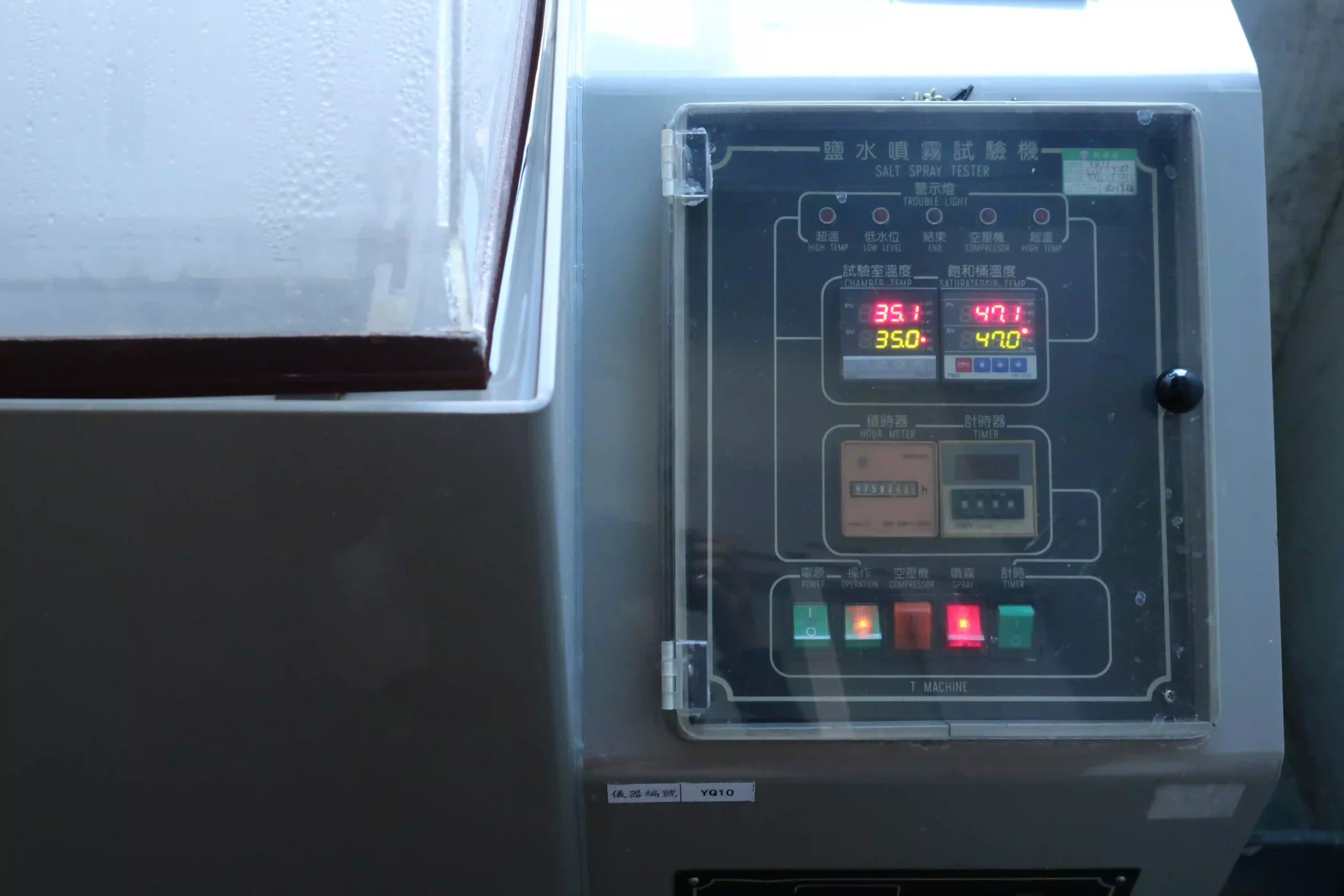
The applicable standard edition and acceptance criteria must be confirmed before testing. Mentioning ASTM B117 or ISO 9227 does not by itself define a passing result.
Compare Corrosion-Control Options
| Finish system | Typical selection direction | Project details to confirm |
|---|---|---|
| Zinc Plating | Carbon steel screws requiring a zinc-based protective and appearance finish | Zinc system, color, passivation, sealer, thickness, white and red corrosion criteria, thread fit |
| Zinc-Nickel Alloy | Projects requiring a zinc-alloy coating system | Black or gray system, substrate, pretreatment, thickness, topcoat, friction and acceptance criteria |
| Zinc Flake Coating | Carbon or alloy steel projects, including selected high-strength fasteners | Exact coating system, pretreatment, topcoat, thickness, friction, thread fit and test requirement |
| Electrophoretic Black | Projects requiring a uniform black film finish | Substrate, pretreatment, film thickness, adhesion, scratch resistance, recess coverage and corrosion criteria |
| Phosphating | Selected carbon steel or hardened-steel projects | Zinc or manganese system, oil or sealer, color, post-treatment and test conditions |
| Passivation | Specified stainless steel grades and surface conditions | Grade, cleaning route, surface condition, appearance and corrosion acceptance |
| Anodizing | Aluminum screws requiring an oxide finish | Alloy, temper, pretreatment, thickness, color, dimensional build-up and sealing requirement |
| Micro-Arc Oxidation | Selected titanium projects subject to engineering review | Titanium grade, process route, thickness, appearance and sample test criteria |
Finish names alone do not establish corrosion performance. Two visually similar black or silver finishes may use different coating systems, thicknesses and acceptance methods.
Salt Spray Testing Is One Part of Corrosion Validation
When real service conditions include cyclic wet and dry exposure, chemicals, temperature changes, mechanical damage or galvanic contact, additional application-specific validation may be more meaningful than increasing a neutral salt spray target alone.
Dry indoor assembly
Is corrosion testing necessary, or are appearance, storage and handling requirements more relevant?
Humid or enclosed equipment
Can condensation remain around threads, recesses or mating surfaces?
Outdoor exposure
Will the screw face rain, retained moisture, coating damage, UV exposure or temperature cycling?
Coastal or salt-laden atmosphere
Are chloride exposure, crevices, dissimilar-metal contact and sealing conditions defined?
Chemical or cleaning exposure
Which chemicals, concentration, contact time and temperature apply?
High-strength fastening
Does the selected pretreatment or electroplating route require hydrogen-embrittlement risk controls and verification?
Dissimilar-metal assembly
Could galvanic interaction occur between the screw, mating component and surrounding environment?
Quality Control for Coated Custom Screws
Shi Shi Tong operates under an ISO 9001 quality management system. Corrosion-related inspection is planned according to the drawing, material, finish system and agreed project requirements.
Before Treatment
Confirm material, part identification, critical dimensions, thread condition and the approved surface-treatment specification.
After Treatment
Inspect appearance, specified dimensions, thread fit and agreed coating-related characteristics.
Salt Spray Evaluation
Use the confirmed test method, exposure period, specimen identification and acceptance criteria for the project.
Supporting Documents
Depending on the agreed scope, dimensional inspection records, material certificates, coating-thickness reports, salt spray test reports or qualified third-party reports may be provided.
Custom Screw Corrosion and Salt Spray Questions
How many salt spray hours should a custom screw require?
What is the difference between white corrosion and red corrosion?
What is the difference between ASTM B117 and ISO 9227?
Does a salt spray result predict outdoor service life?
Does coating thickness affect screw threads?
Do all black finishes provide the same corrosion performance?
What should be reviewed for high-strength steel screws?
Prepare a Complete Corrosion Requirement
To ensure an accurate review of manufacturing feasibility and corrosion performance, please provide the following details:
- ■ Screw drawing, specification or physical sample
- ■ Exact material grade and material condition
- ■ Hardness or strength class
- ■ Required finish system and color
- ■ Pretreatment, topcoat or sealer requirement if specified
- ■ Coating-thickness requirement and measurement location
- ■ Applicable test standard and test type
- ■ Target exposure period
- ■ White corrosion, red corrosion or other failure criteria
- ■ Significant surfaces and excluded areas
- ■ Thread fit, gauge and post-treatment dimensional requirements
- ■ Application environment and mating materials
- ■ Required test report, photographs or third-party documentation
- ■ Sample quantity, production quantity and estimated annual demand
If some conditions are not yet defined, provide the application environment and assembly information so that the missing technical questions can be identified during review.

Review Your Corrosion and Salt Spray Requirement
Send the screw specification, material, finish requirement, service environment and test criteria. We will review the coating route, dimensional considerations and inspection requirements needed to evaluate the project.