Custom Stainless Steel Screws Manufacturer
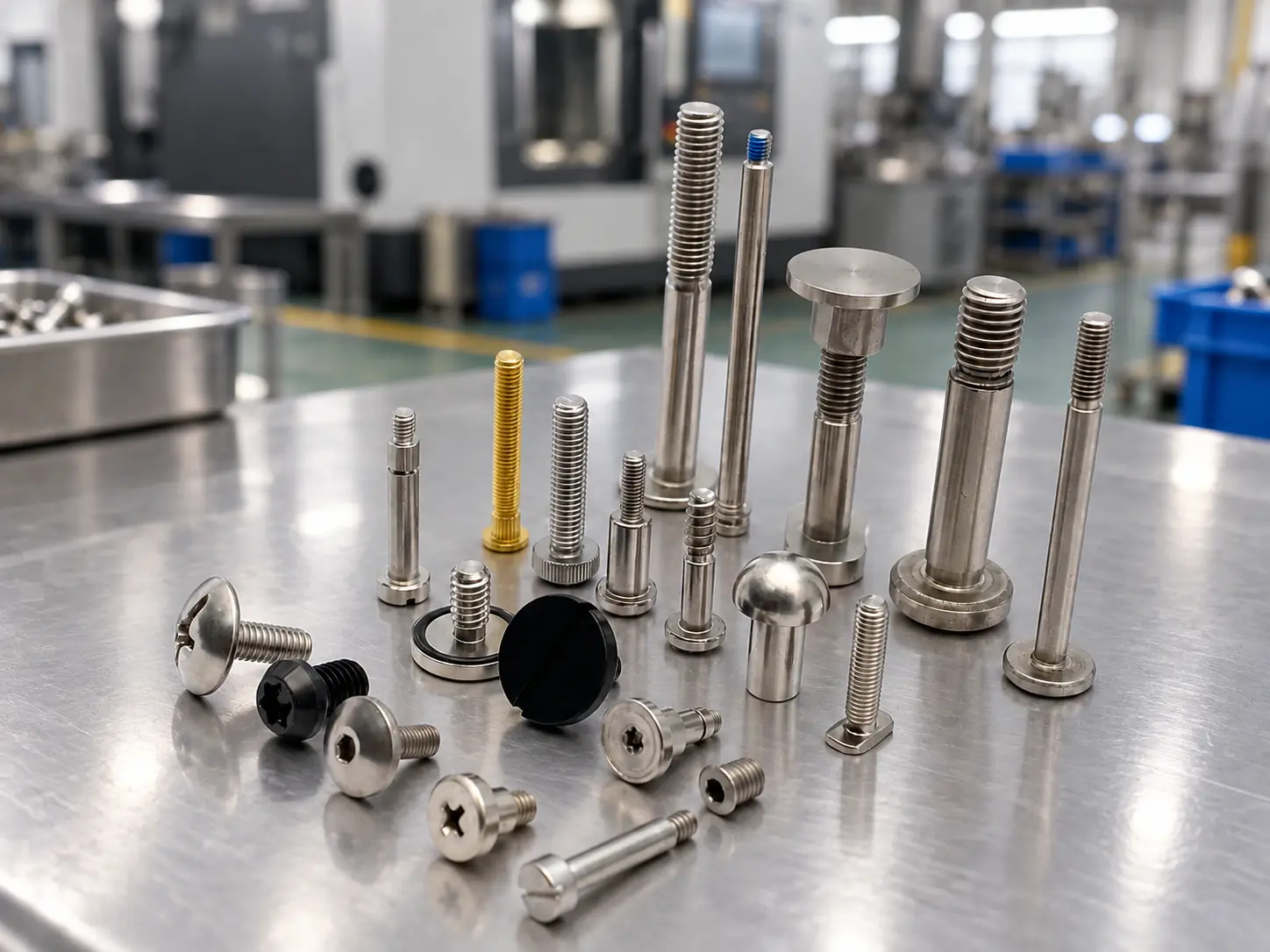
Machine, self-tapping, shoulder, miniature, captive, security and long screws developed around your drawing and assembly. We review stainless grade, geometry, thread, surface condition and critical inspection requirements together before confirming a production route.
Stainless Steel Screw Types We Make to Drawing
Start with the way the screw engages and functions in the assembly. The stainless grade, head, drive, dimensions and finish can then be reviewed against the operating environment and manufacturing requirements.
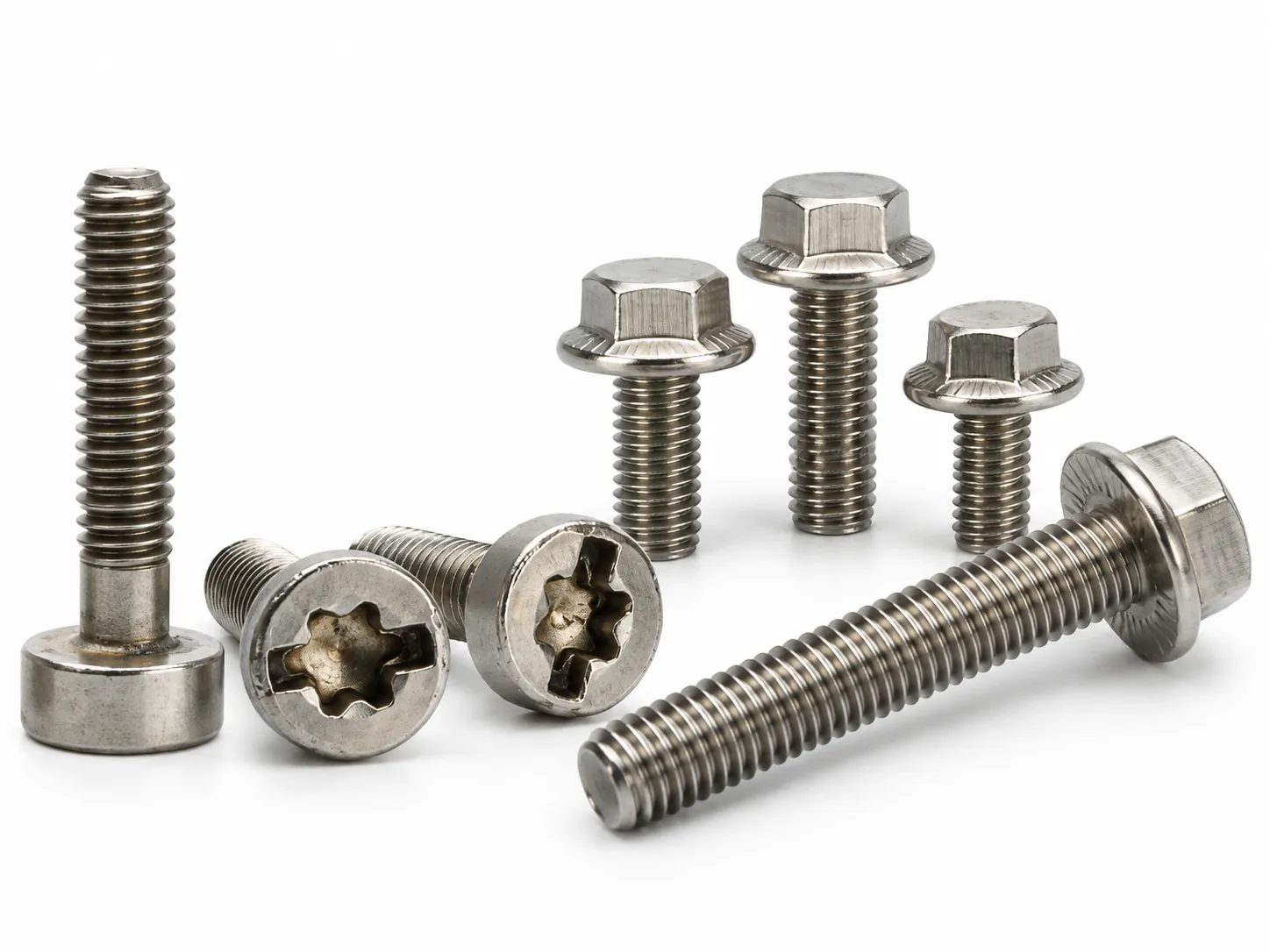
Stainless Steel Machine Screws
For joints using a tapped hole, threaded insert or mating nut. The useful specification includes thread size and fit, head bearing area, drive access, length and the stainless grade required by the assembly.
- • Pre-threaded joint
- • Head and drive clearance
- • Metric or drawing-defined thread
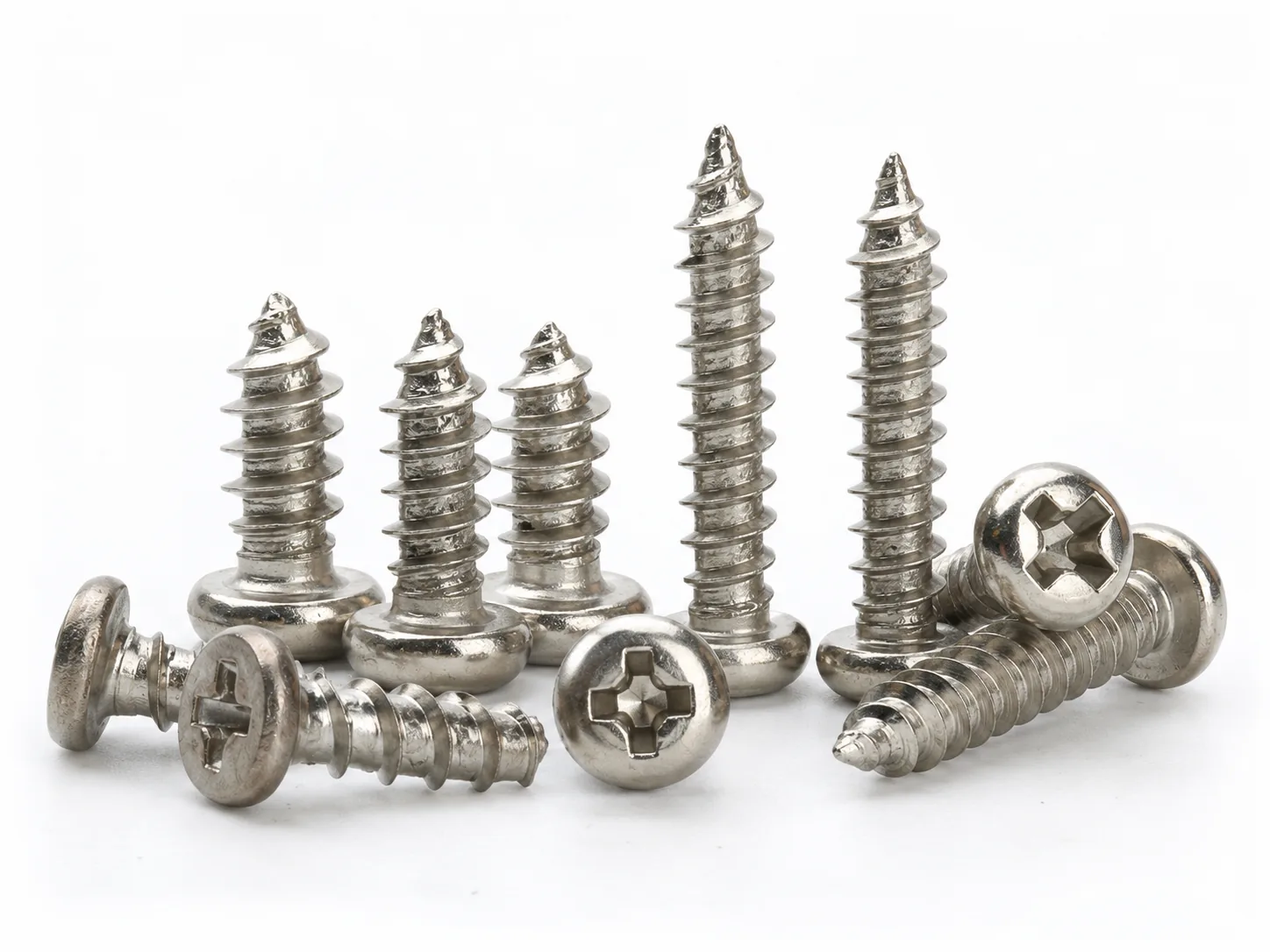
Stainless Steel Self-Tapping Screws
For selected assemblies where the screw forms or cuts a mating thread in a defined receiving material. Substrate, pilot hole, point and thread form must be evaluated together; this is not a claim to supply self-drilling or deck screws.
- • Receiving material
- • Pilot-hole condition
- • Point and thread geometry
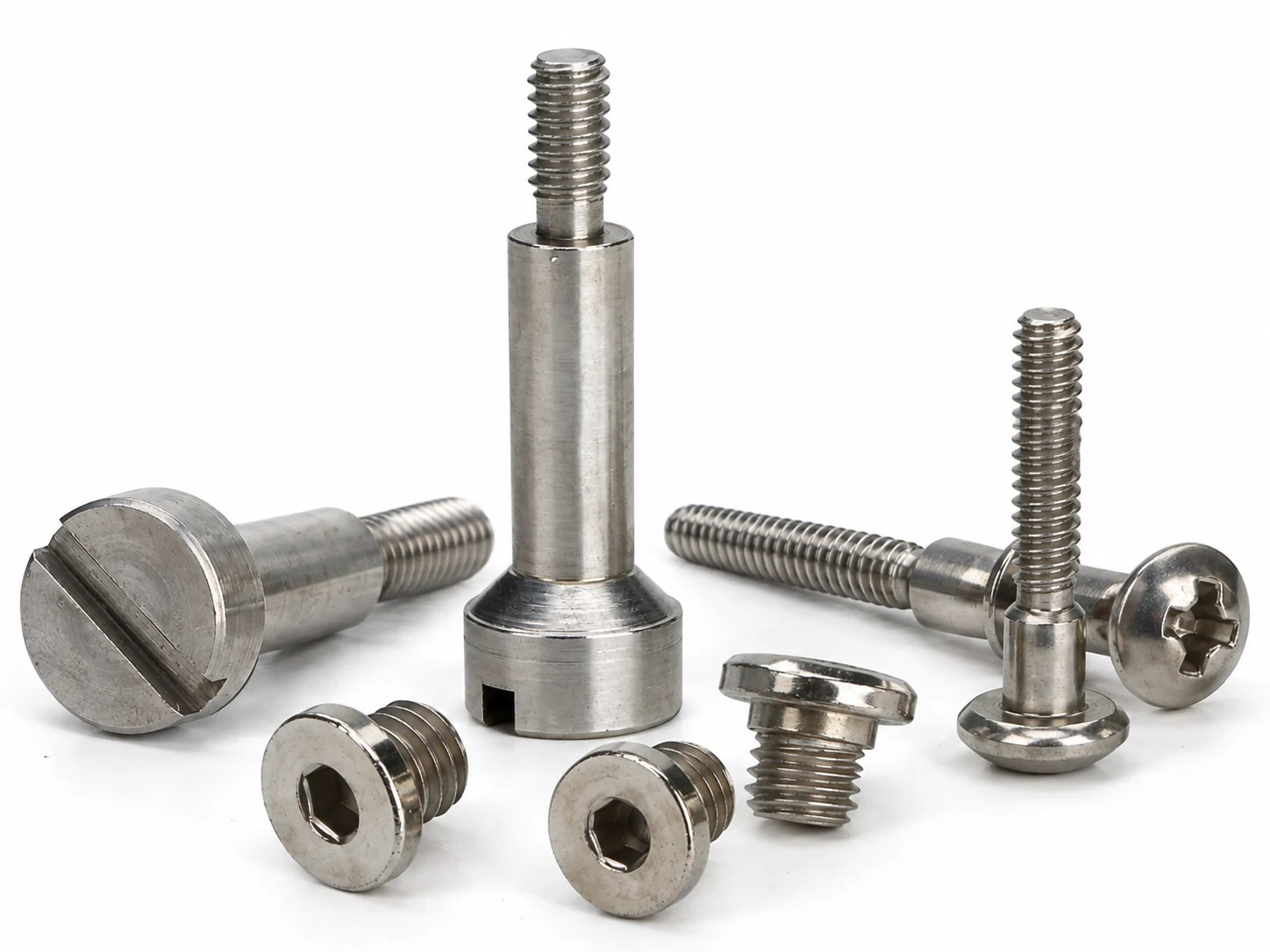
Stainless Steel Shoulder Screws
A controlled shoulder can locate a component, establish spacing or provide a working surface for guided movement. Shoulder diameter and length, mating bore, transition and thread must be specified separately.
- • Locating fit
- • Pivot or guide function
- • Shoulder dimensions
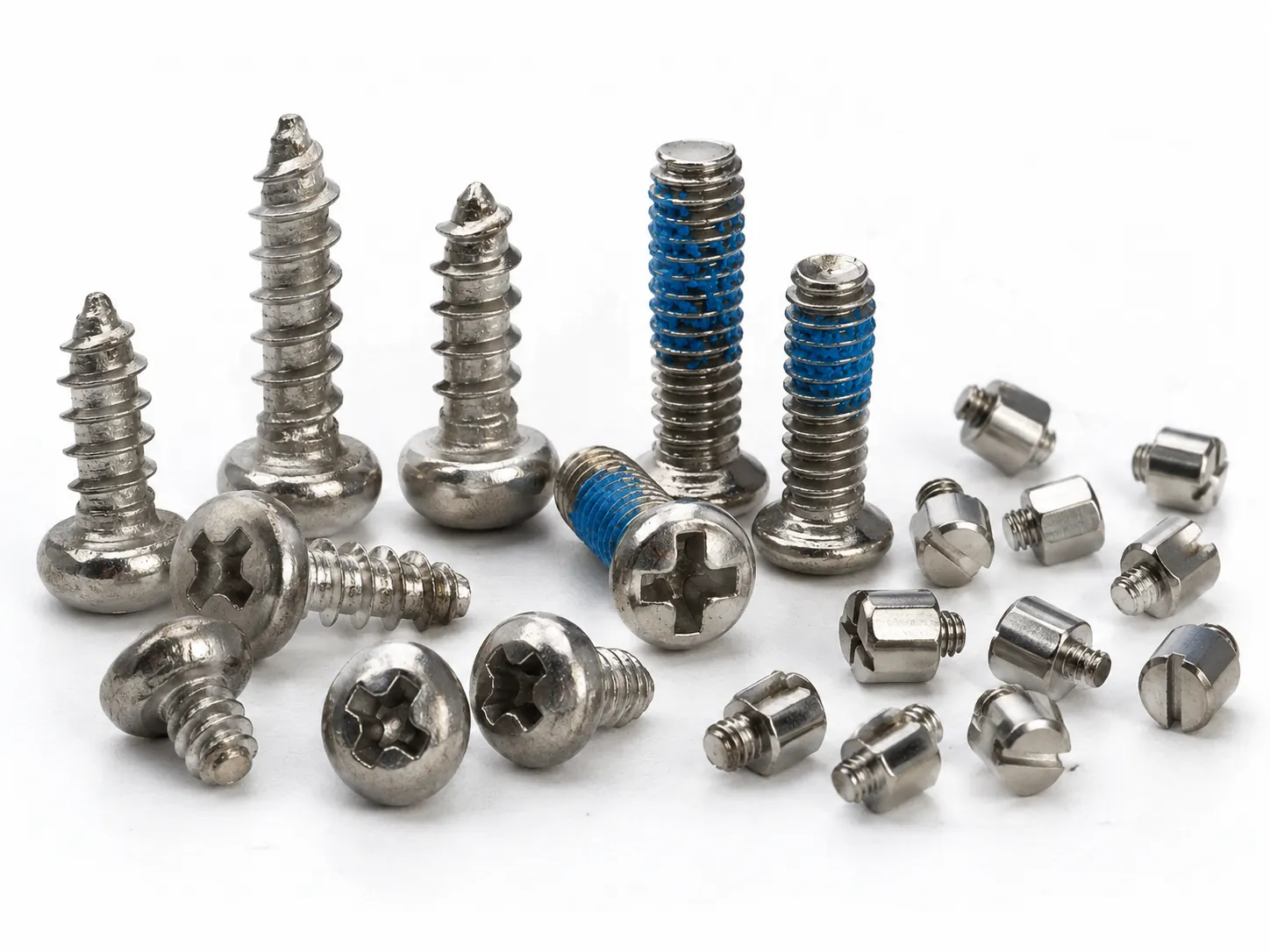
Miniature Stainless Steel Screws
Compact assemblies can place unusual demands on head diameter, recess depth, thread engagement and inspection access. The screw is reviewed as a complete geometry rather than reduced from a larger catalog part.
- • Limited installation space
- • Small head and drive
- • Critical thread engagement
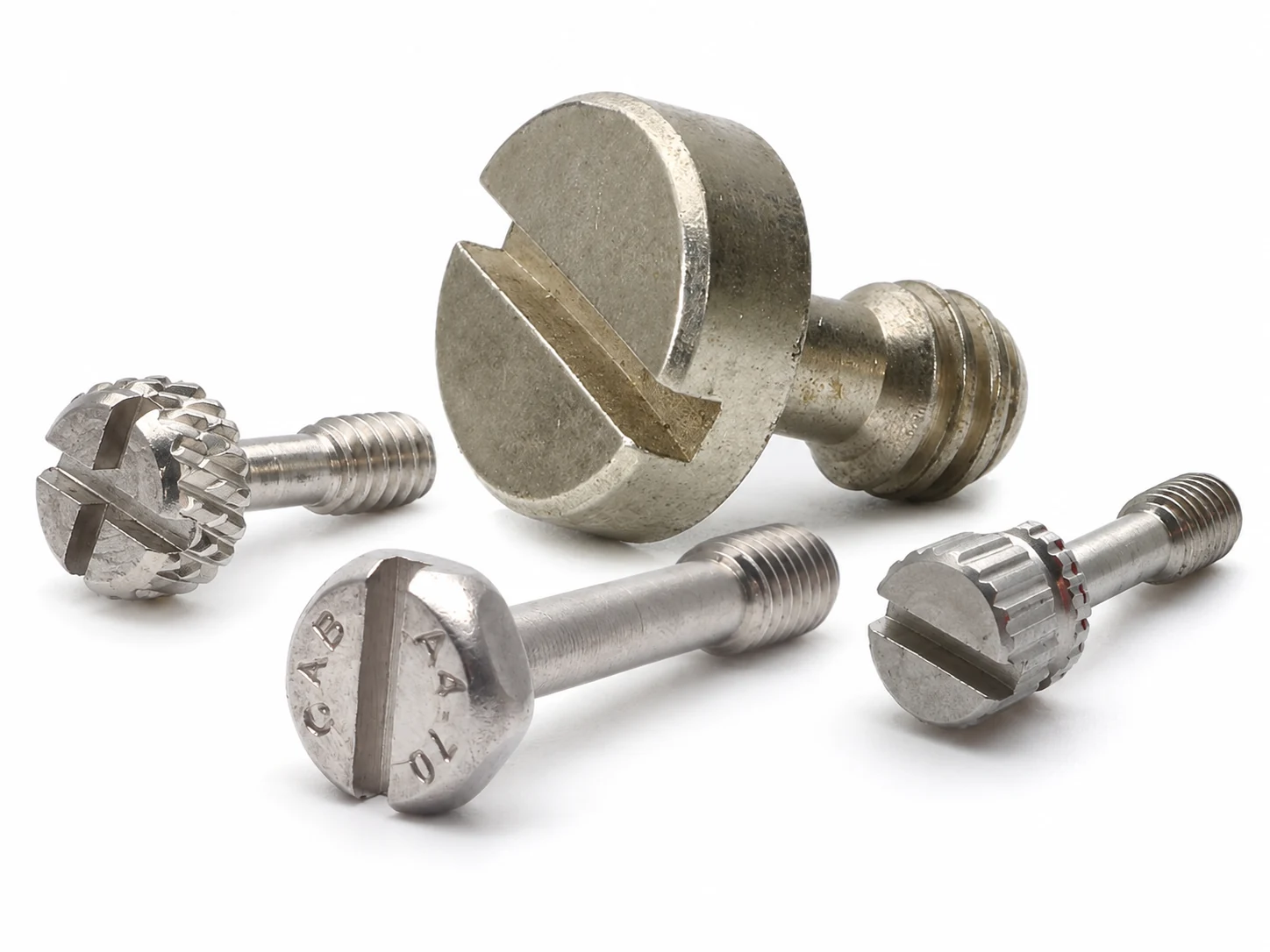
Stainless Steel Captive Screws
A captive design keeps the screw associated with its panel or component after loosening. Retention geometry, panel thickness, available travel and installation sequence determine the suitable construction.
- • Removable panels
- • Retention feature
- • Available axial travel
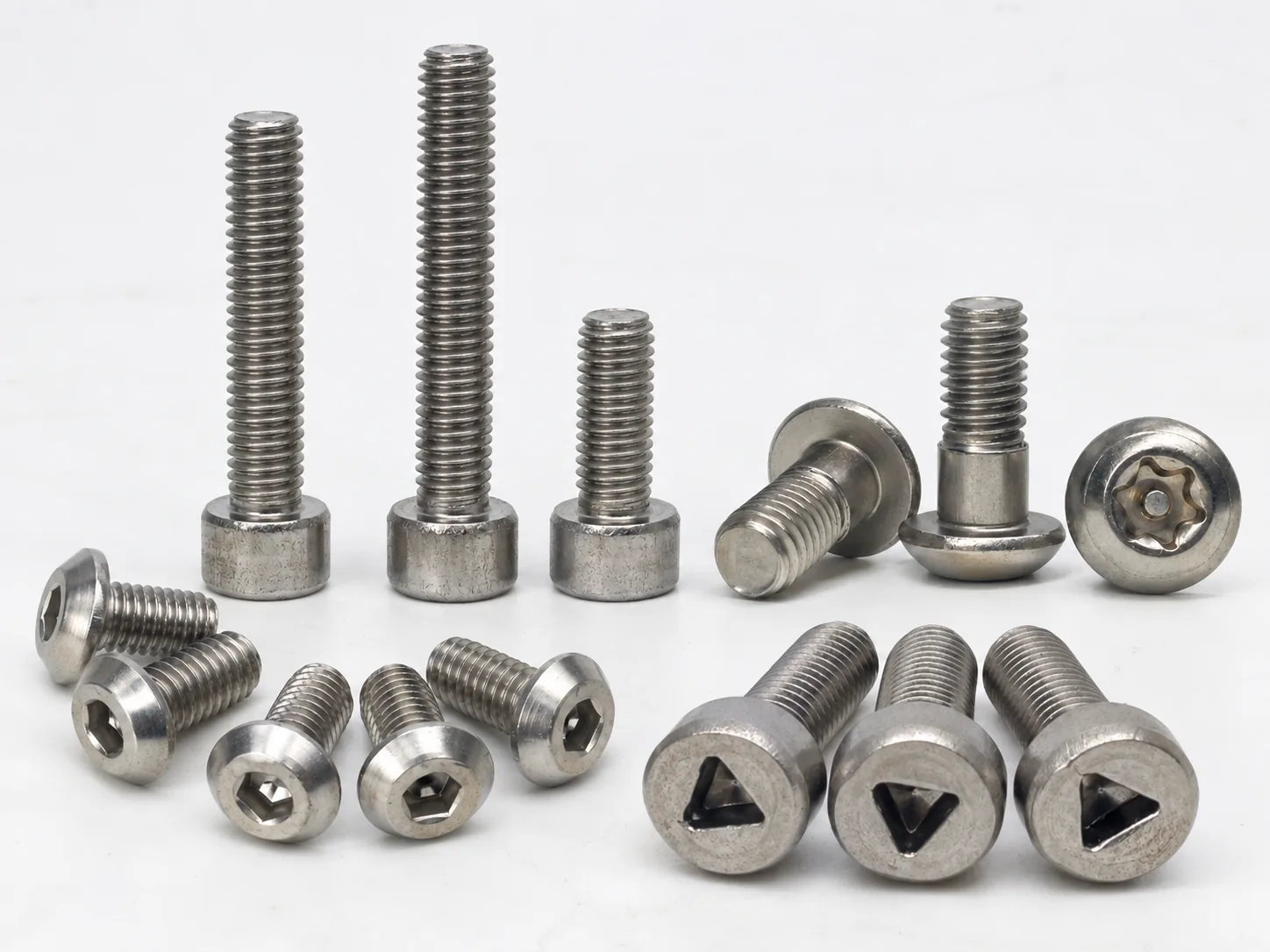
Stainless Steel Security Screws
Special drive geometry can restrict removal with ordinary tools. The recess must still suit the approved driver, installation method, head size and tooling feasibility.
- • Removal control
- • Driver compatibility
- • Recess geometry
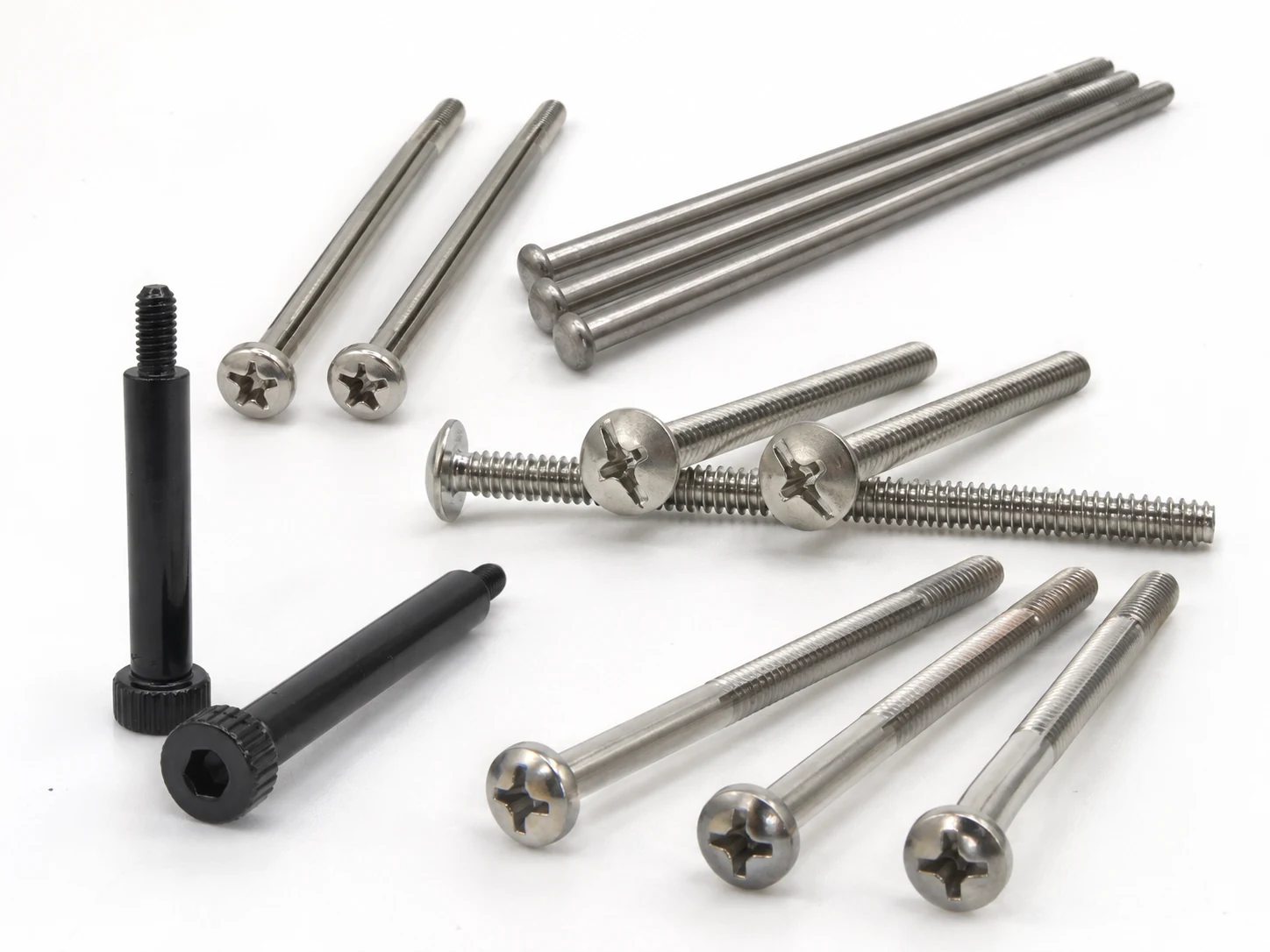
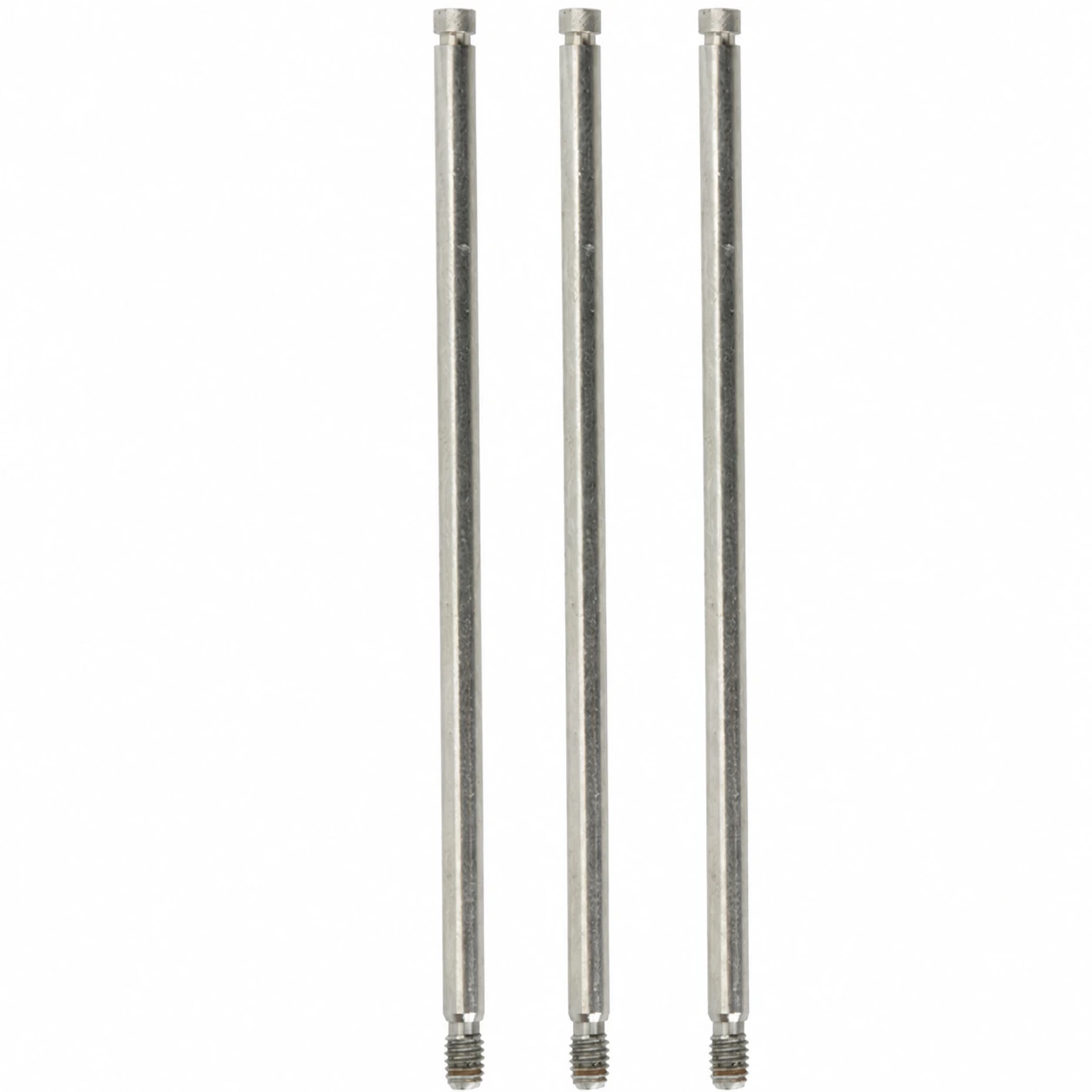
Long Stainless Steel Screws
An extended shank or threaded length brings material selection, forming, thread position, straightness and inspection into the same design decision. Projects within the M1.4–M12 evaluation range and lengths up to 2000 mm remain subject to the complete drawing and grade review.
- • Deep-reach fastening
- • Length-to-diameter ratio
- • Thread-zone position
Choose the Stainless Grade for the Exposure and the Screw Design
“Stainless steel” is not one material specification. Corrosion exposure, required mechanical properties, forming or machining needs, surface condition and the mating components all affect the final choice.
| Grade direction | When to consider it | What still needs confirmation |
|---|---|---|
| SUS304HC and other specified 304-family grades | A starting point for many general industrial assemblies; SUS304HC may be considered for suitable formed designs. | Exact grade and condition, head geometry, strength requirement and service environment. |
| SUS316, SUS316L and SUS316Cu | Candidates when chloride exposure or a more demanding corrosion environment makes 304-family selection less suitable. | Actual exposure, crevices, cleaning conditions, material condition, process route and any required corrosion test. |
| 410, 420J2, 440C and other special grades | Project-specific options when hardness, wear, heat treatment or another defined property is central to the design. | The required property, heat-treatment condition, corrosion trade-off and dimensional effect. |
A2, A4 and 18-8 can be useful purchasing descriptions, but they should not replace an exact grade, applicable standard, property class and material-document requirement on a controlled drawing. No stainless grade is immune to corrosion in every environment.
Where Stainless Screw Projects Commonly Go Wrong
A grade name does not describe the exposure
A purchase specification that says only “stainless steel” may leave the actual grade, surface condition and corrosion-validation method unresolved. We review these items with the operating environment before proposing a material and finish route.
A matching thread does not guarantee an assembly fit
Head clearance, drive depth, under-head length, point form and the mating component can cause a screw with the nominally correct thread to install poorly. Drawing review brings these interfaces into the same specification.
Special features need a coordinated process
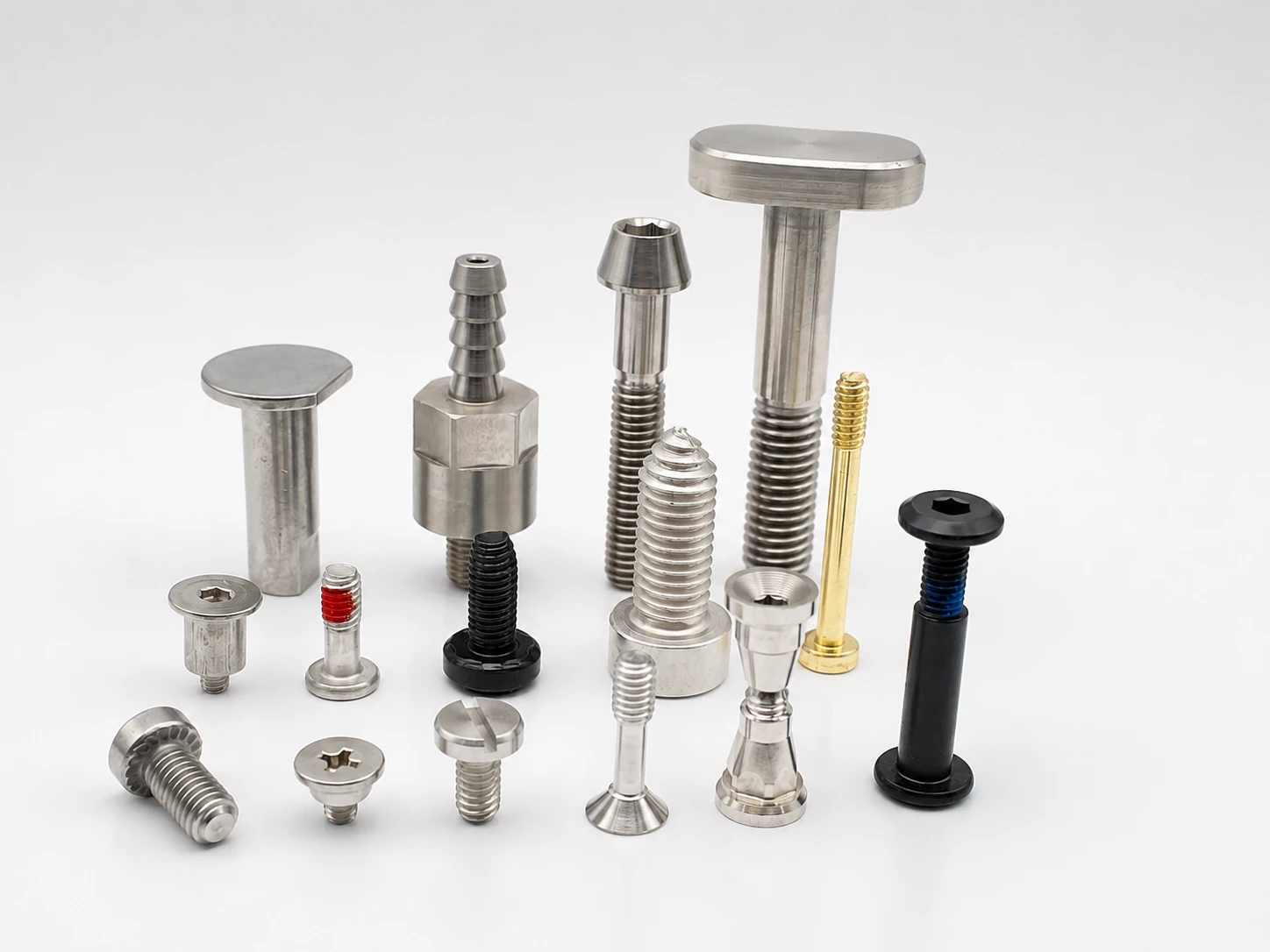
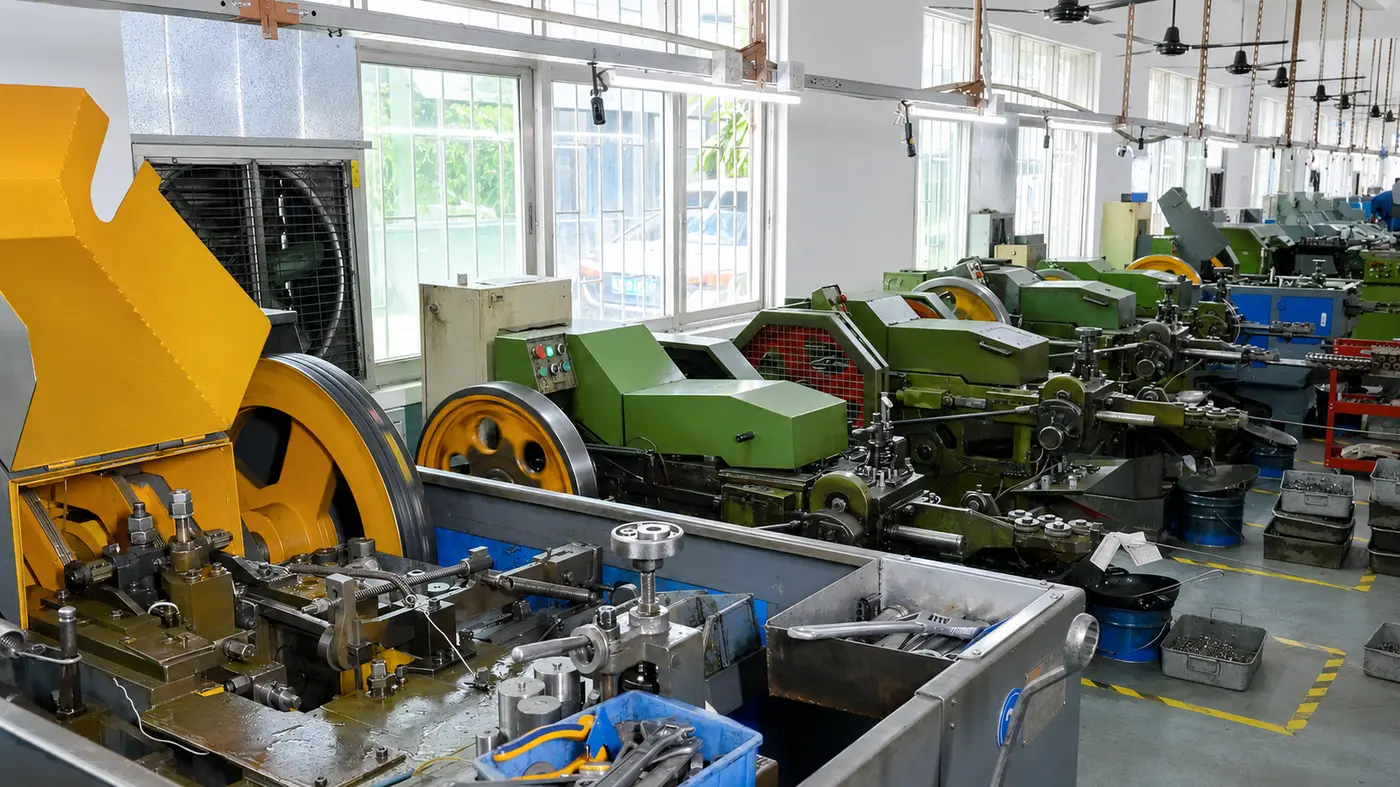
A shoulder, captive groove, unusually small recess or long shank can change how the part is formed, machined and inspected. Shi Shi Tong evaluates cold heading, multi-station forming, thread rolling and CNC secondary machining according to the complete geometry rather than assuming one process fits every design.
Define the Dimensions That Control the Assembly
| Specification | Why it matters | Define on the drawing |
|---|---|---|
| Thread diameter and pitch | Determines engagement with the mating thread or receiving material. | Nominal size, pitch or TPI, thread form, fit and threaded length. |
| Head and drive | Determines bearing contact, tool access and installed appearance. | Head diameter and height, drive type, recess dimensions and available clearance. |
| Overall and under-head length | Controls reach, stack thickness and installed position. | Measurement convention, overall length and the relevant functional length. |
| Shoulder, shank or retention feature | Controls location, movement, spacing or capture. | Functional diameters, lengths, transitions, grooves and mating-part dimensions. |
| Grade and surface condition | Affects corrosion behavior, manufacturability and final fit. | Exact material designation, finish or passivation requirement and any relevant test method. |
| Critical inspection points | Keeps acceptance tied to the features that matter in use. | Drawing datums, tolerances, thread gauges, material verification and project-specific checks. |
For a self-tapping design, add the substrate and pilot-hole condition. For a long screw, identify the thread zone and any straightness-sensitive features. For a shoulder or captive screw, identify the mating components as well as the screw.
Manufacturing Options for More Than a Standard Screw Shape
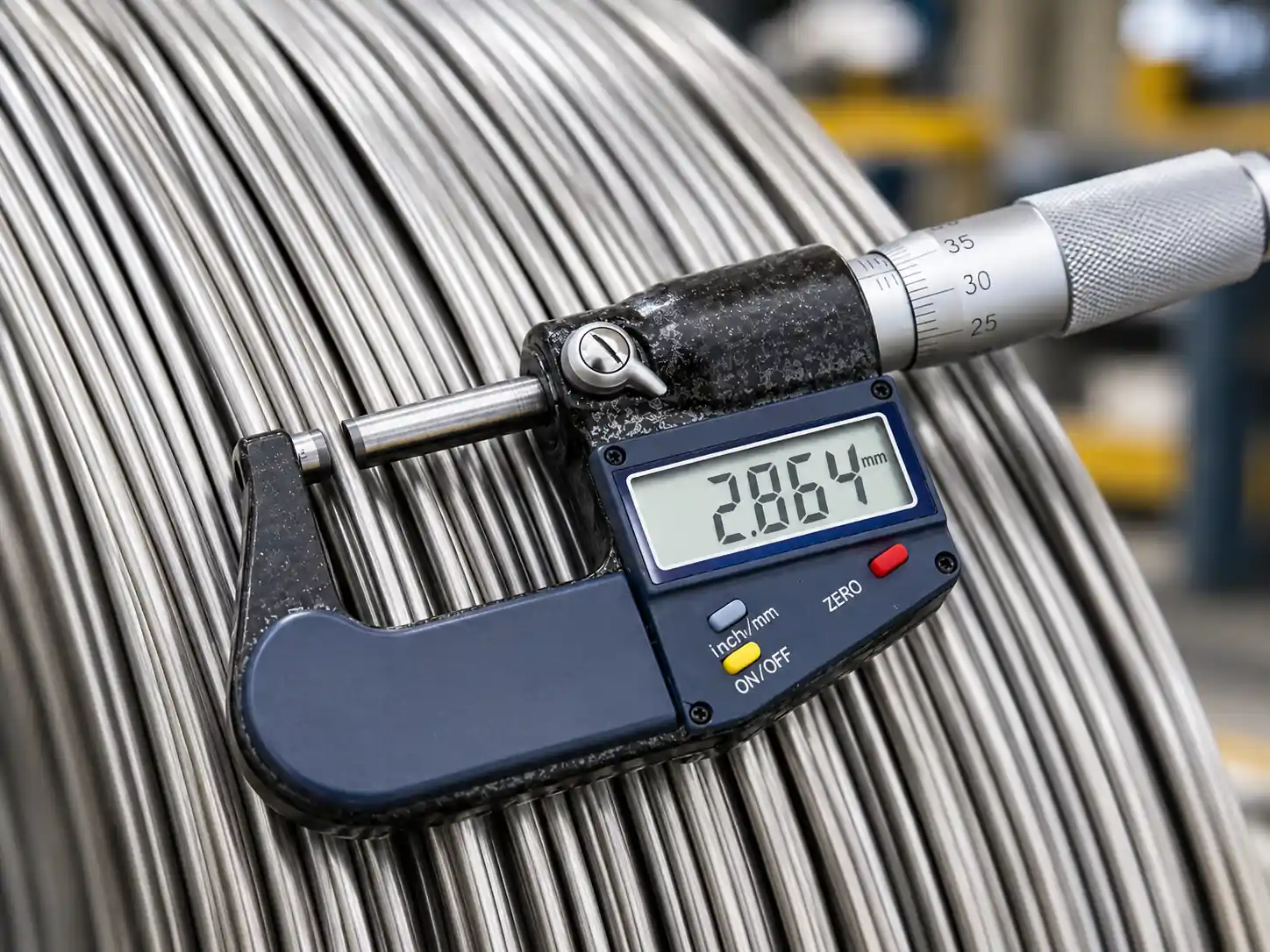
Material and geometry reviewed together
Shi Shi Tong works with specified stainless grades and evaluates the material alongside head deformation, shank features, thread design and the required operating environment. The result is a drawing-based manufacturing decision, not an automatic substitution between grade names.
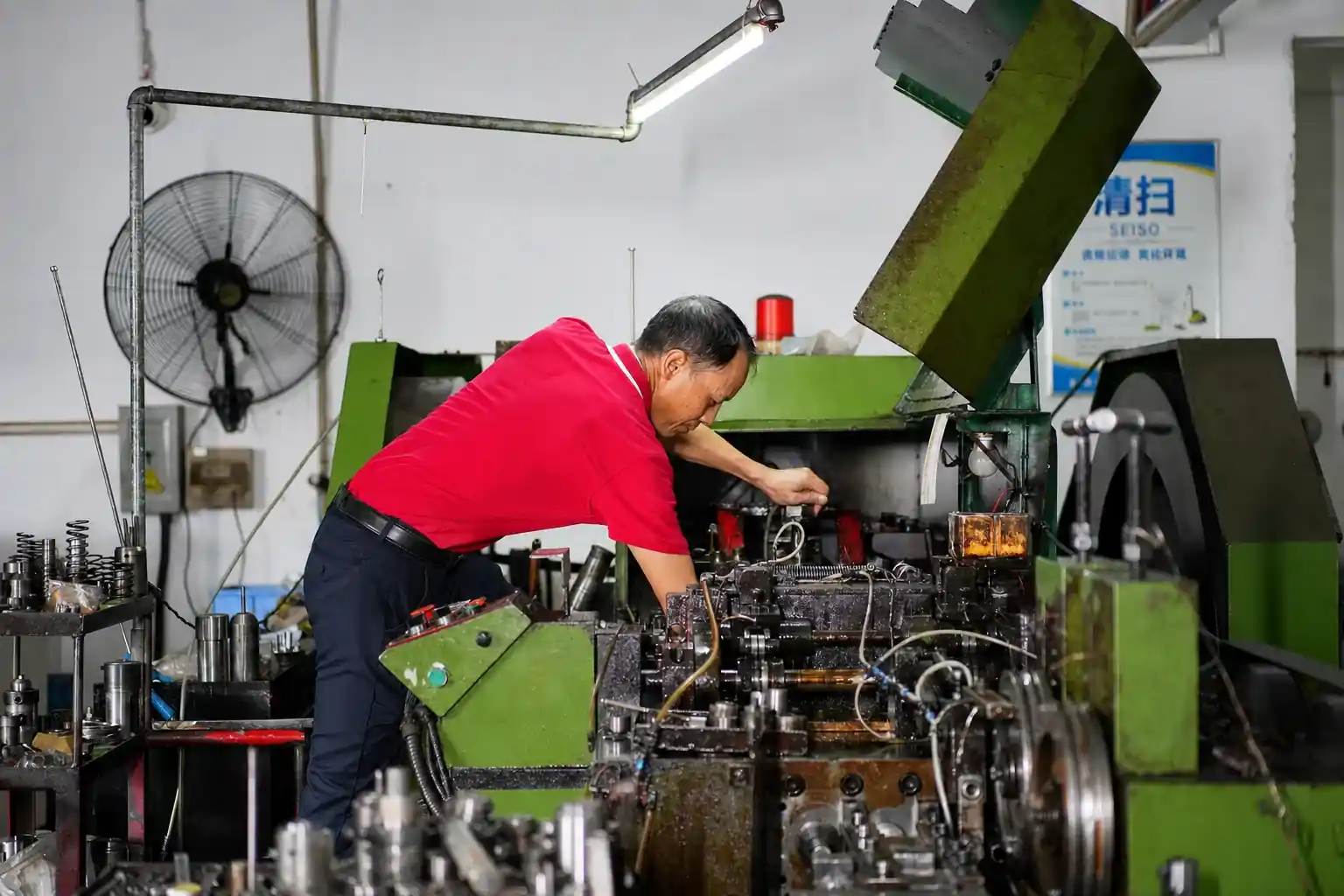
Forming supported by secondary machining
Cold heading, multi-station forming and thread rolling can be combined with CNC secondary machining where a shoulder, groove, reduced section or other functional detail requires it. The route depends on the part geometry and production requirement.
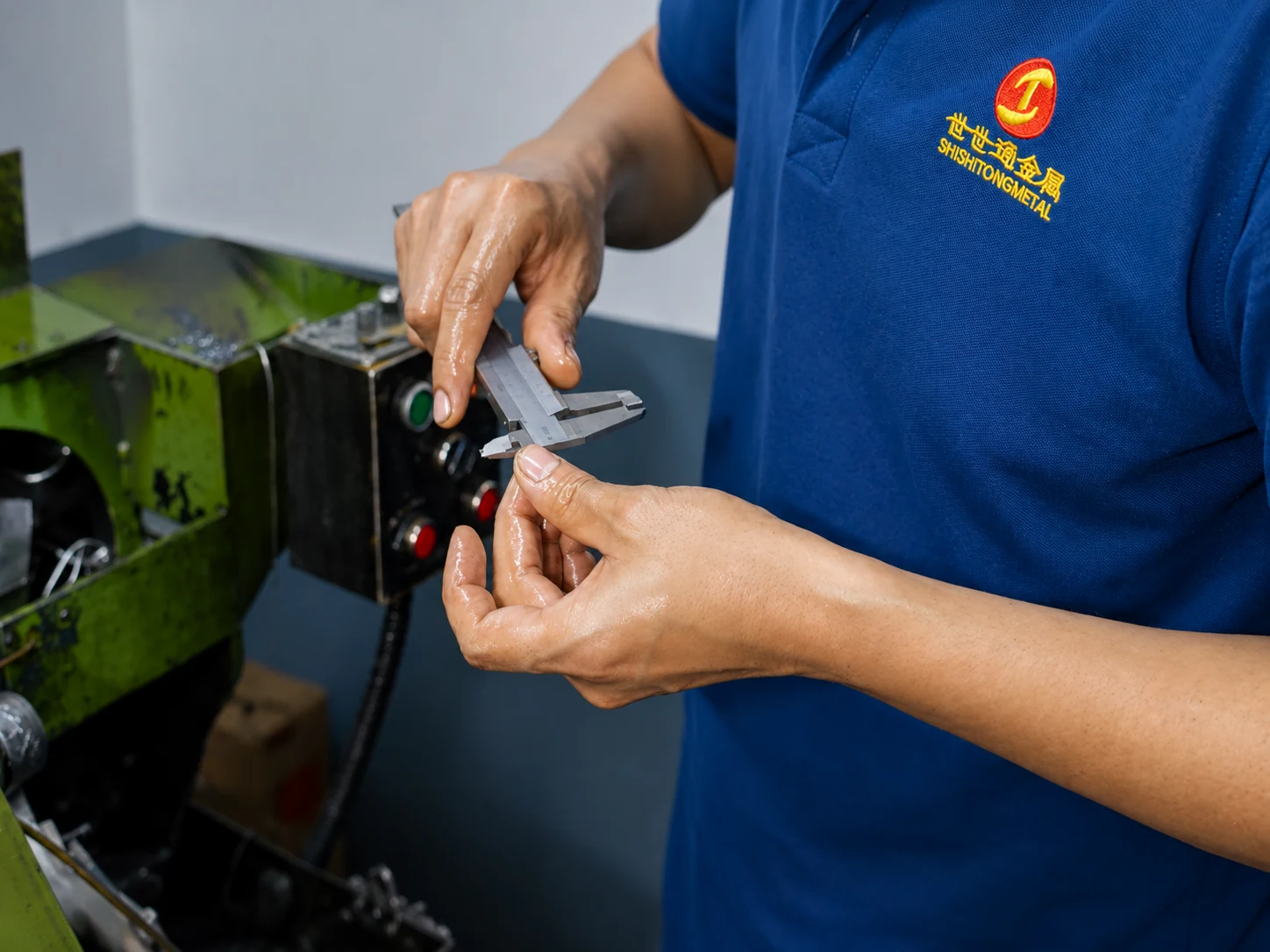
Inspection focused on functional features
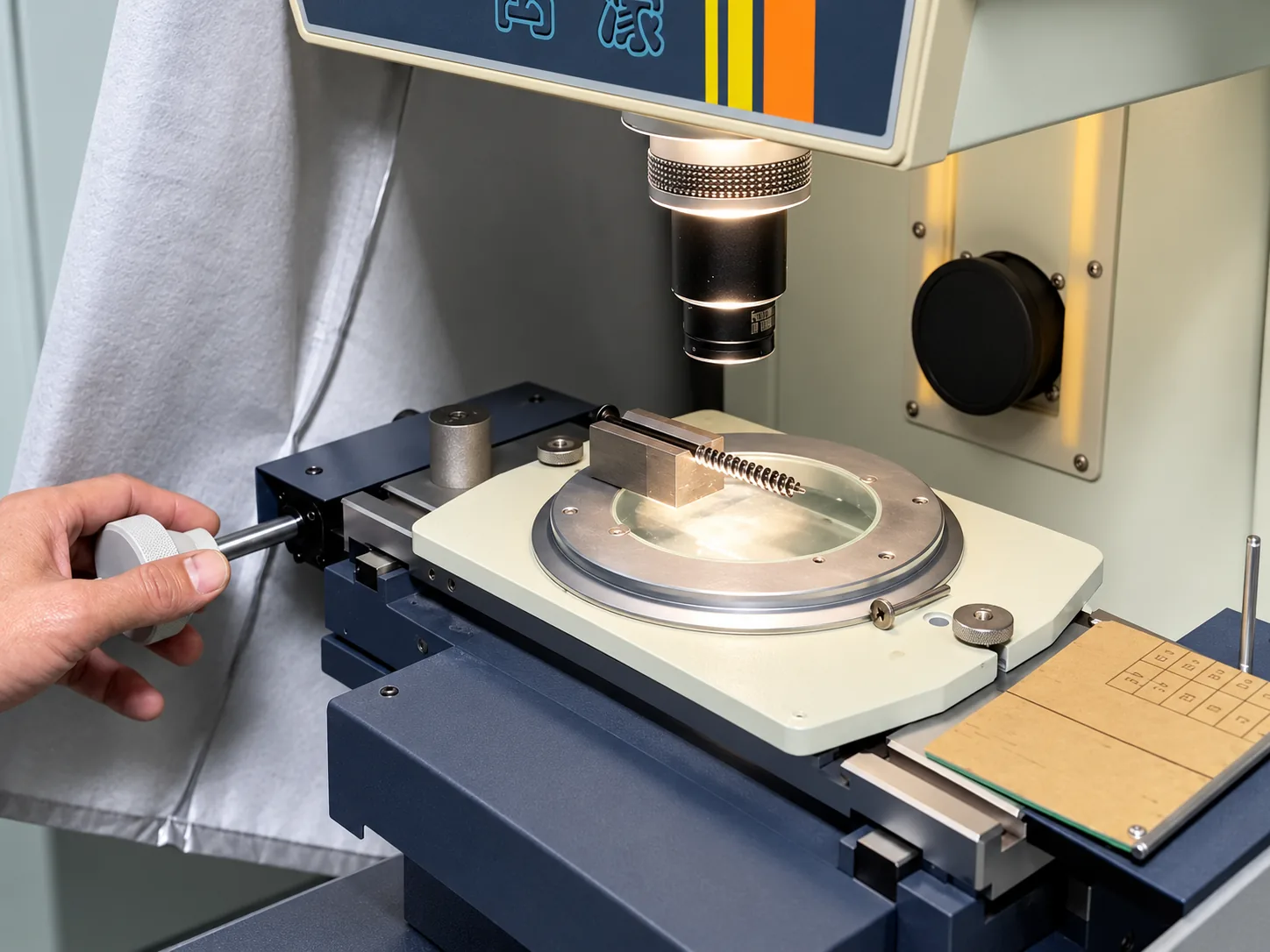
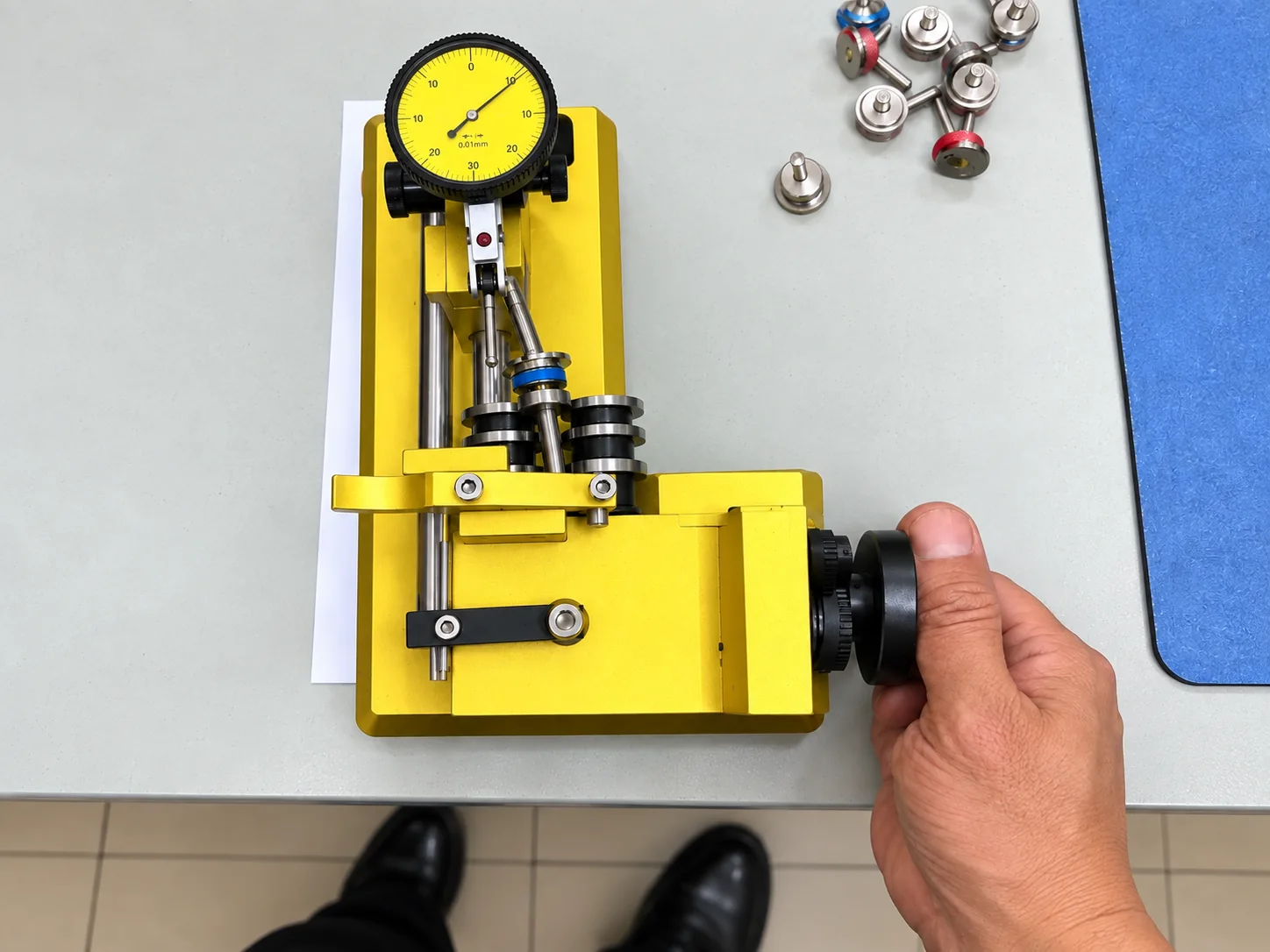
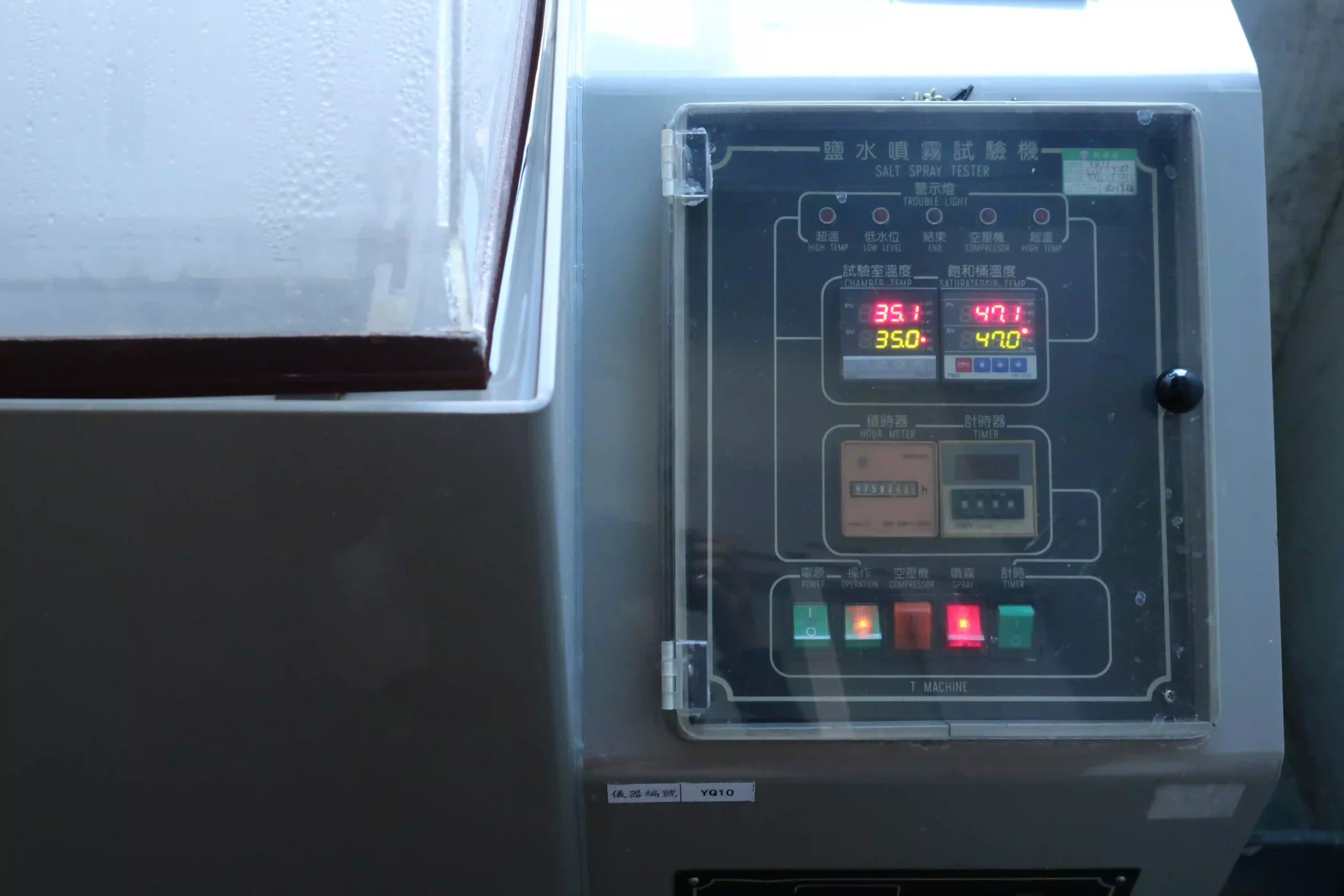
Dimensional, thread, optical, material, hardness, torque and other project-specific checks can be planned around the approved drawing. The relevant measurements are defined for the project rather than implied by the material alone.
Match the Screw to the Equipment
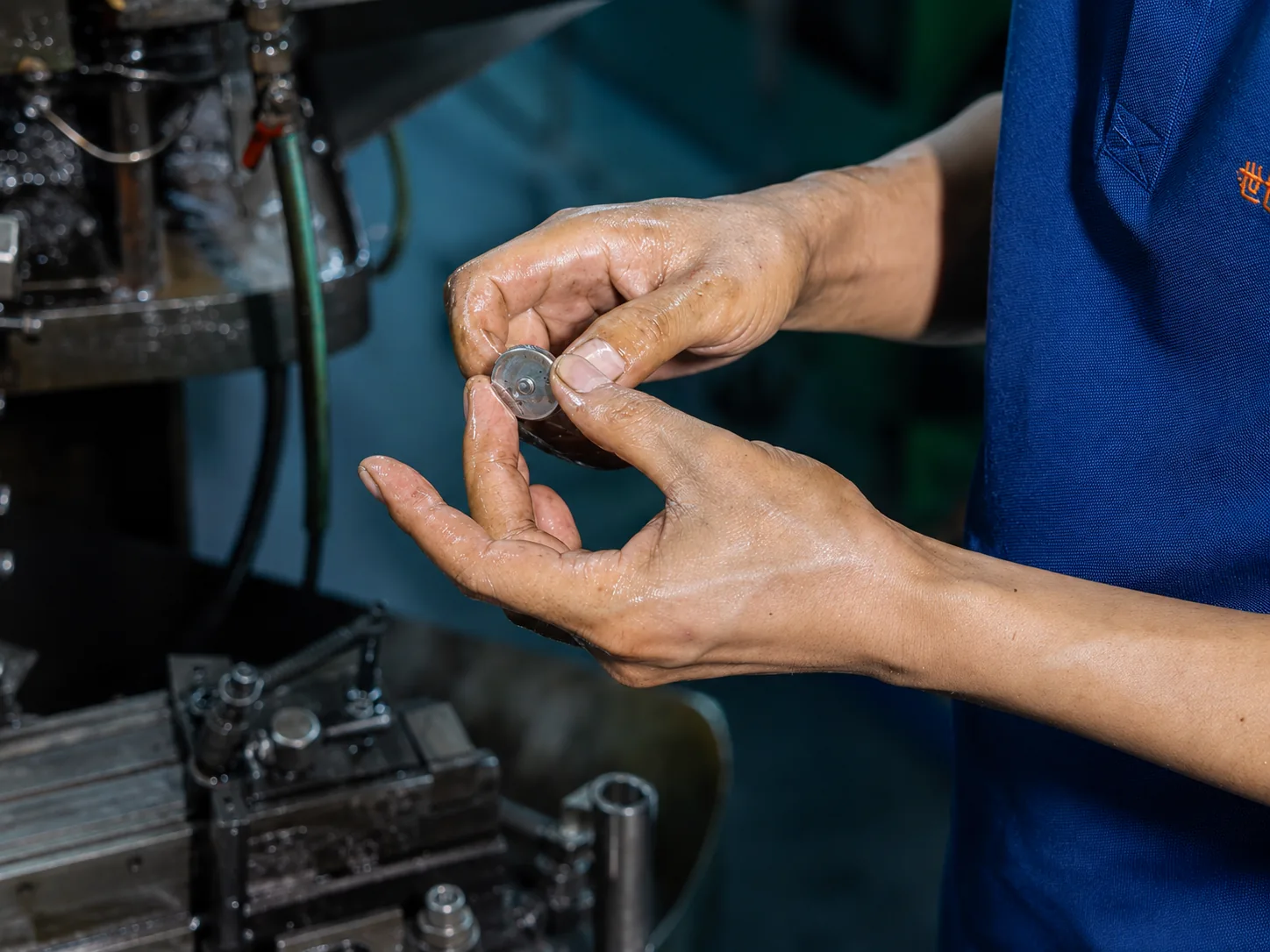
Machinery and motion assemblies
Machine and shoulder screws may be evaluated where thread engagement, location, clearance or guided movement governs the joint. Define the mating bore, load direction and functional dimensions before choosing the geometry.
Instruments, enclosures and service panels
Miniature and captive constructions can address limited space or repeated panel access. Head height, drive reach, retention travel and the installation sequence are part of the selection.
Corrosion-sensitive equipment
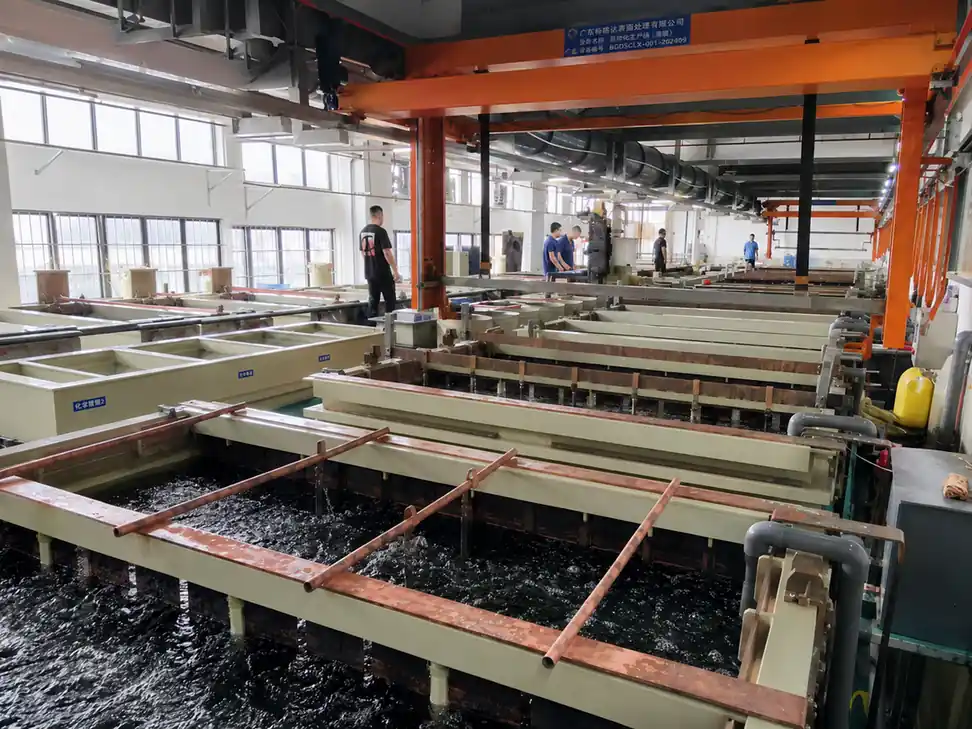
Stainless grade and surface condition should follow the actual exposure, whether the equipment encounters humidity, washdown or chloride-bearing conditions. For demanding environments, review crevices, contact materials, cleaning and the validation method with the complete assembly. Material selection alone is not an application approval.
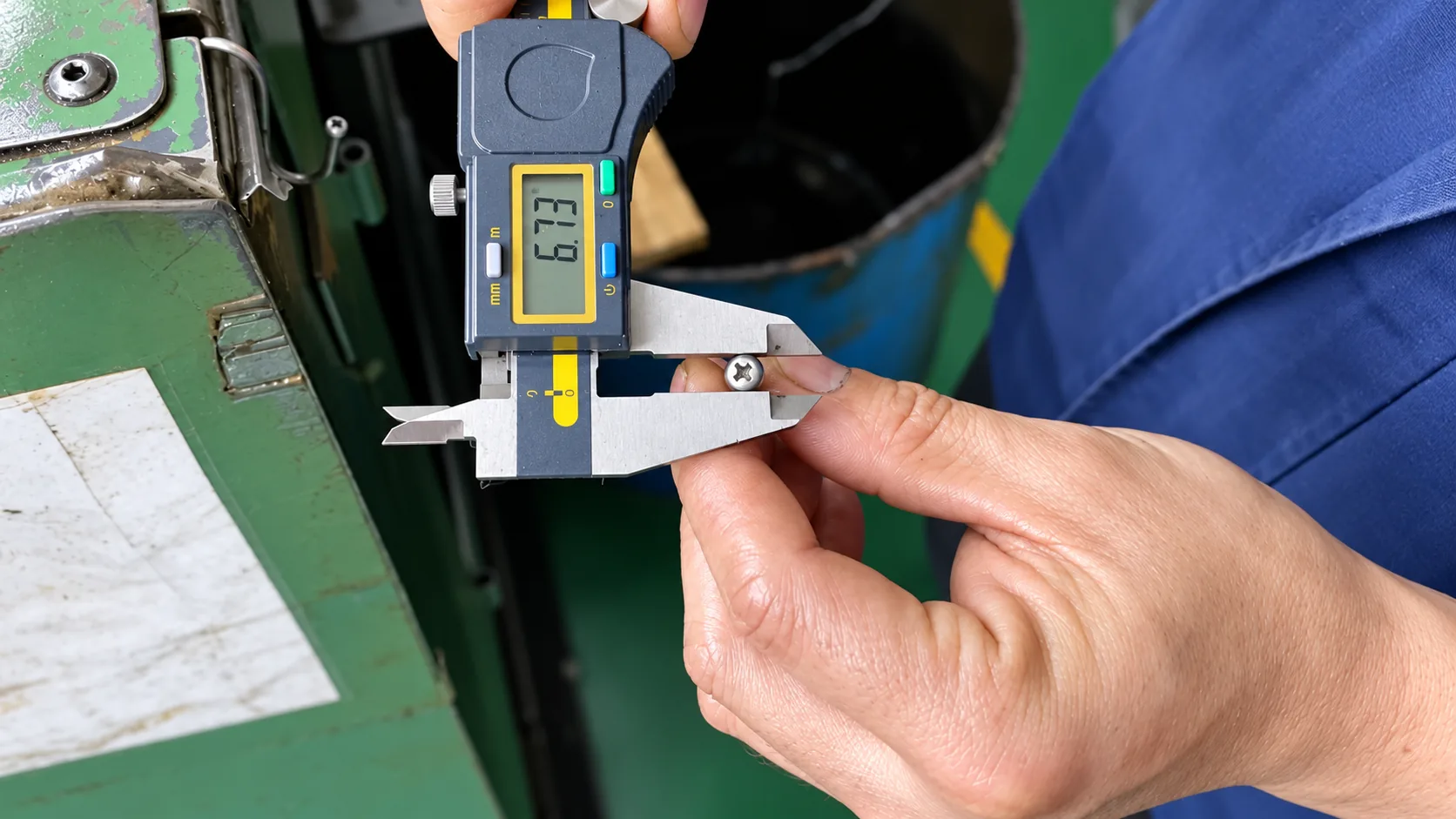
Manufacturing and Inspection in Shenzhen
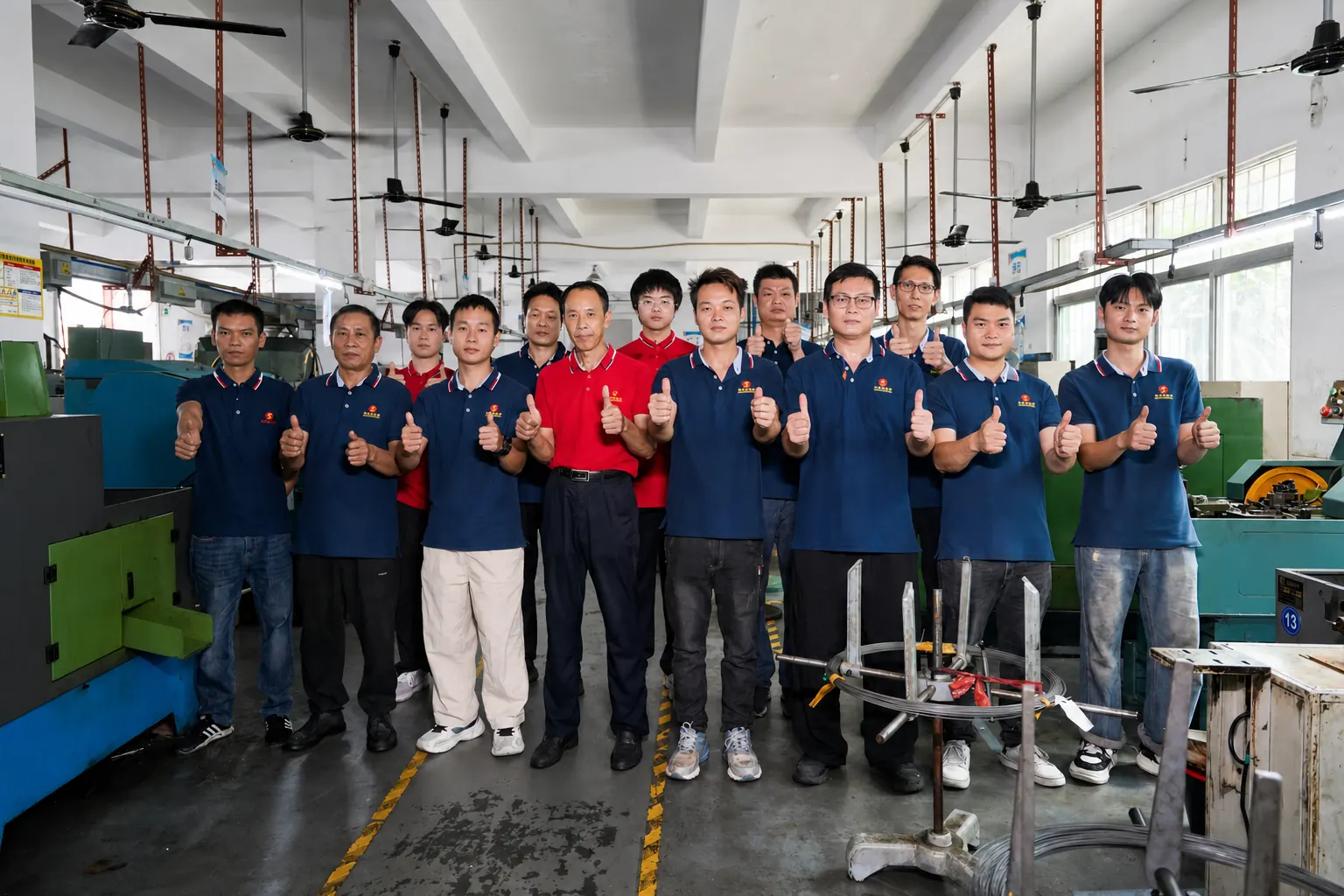
Shi Shi Tong’s screw-manufacturing roots date back to 1998. Today, Shenzhen Shi Shi Tong Metal Products Co., Ltd. develops custom fasteners from drawings, samples and assembly requirements, coordinating forming, thread production, secondary machining and inspection according to the part.
Our quality management system is ISO 9001 certified. For a stainless screw project, the inspection plan can identify the dimensions, thread characteristics, material and other performance checks relevant to the approved specification.
Stainless Steel Screw Selection Guide
Find quick answers regarding material differences, environmental suitability, structural choices, and how to effectively specify your custom fastener requirements.
What is the difference between 304 and 316 stainless steel screws?
Are 316 stainless steel screws suitable for marine or coastal equipment?
When should I choose a machine screw rather than a self-tapping screw?
How do I choose the correct size for a custom stainless steel screw?
Why can stainless threaded fasteners seize during installation?
How should I compare quotations for custom stainless steel screws?
Explore Related Capabilities
Discuss Your Stainless Steel Screw Specification
Share the drawing or the key dimensions and tell us how the screw will be used. We can review the proposed stainless grade, screw structure, manufacturing route and inspection points before discussing the project scope.