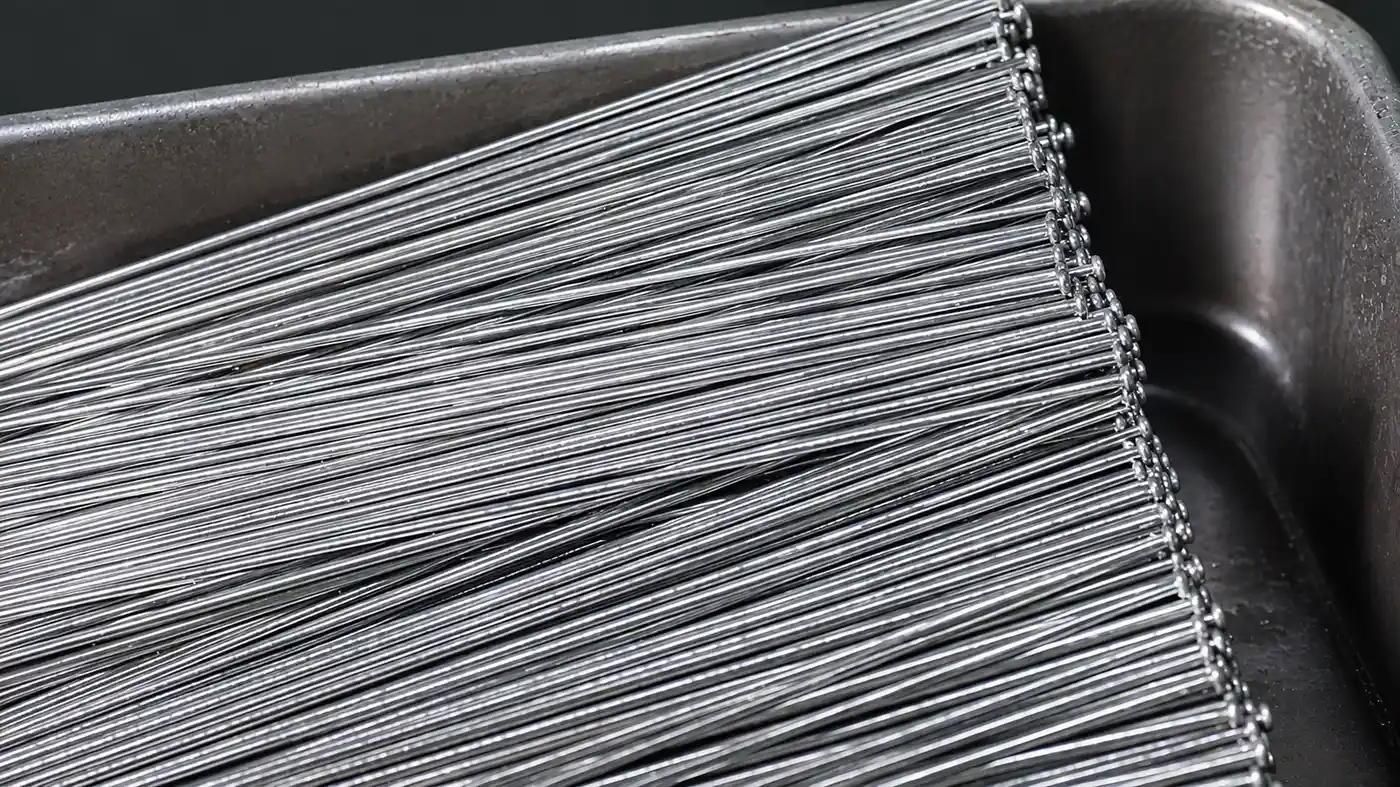
CUSTOM FASTENER MANUFACTURER
Custom Long Machine Screws Manufacturer
Custom Length · Thread · Head · Material · Finish
Engineered around your drawing and assembly requirements. Specify exact dimensions and performance standards for repeat production.
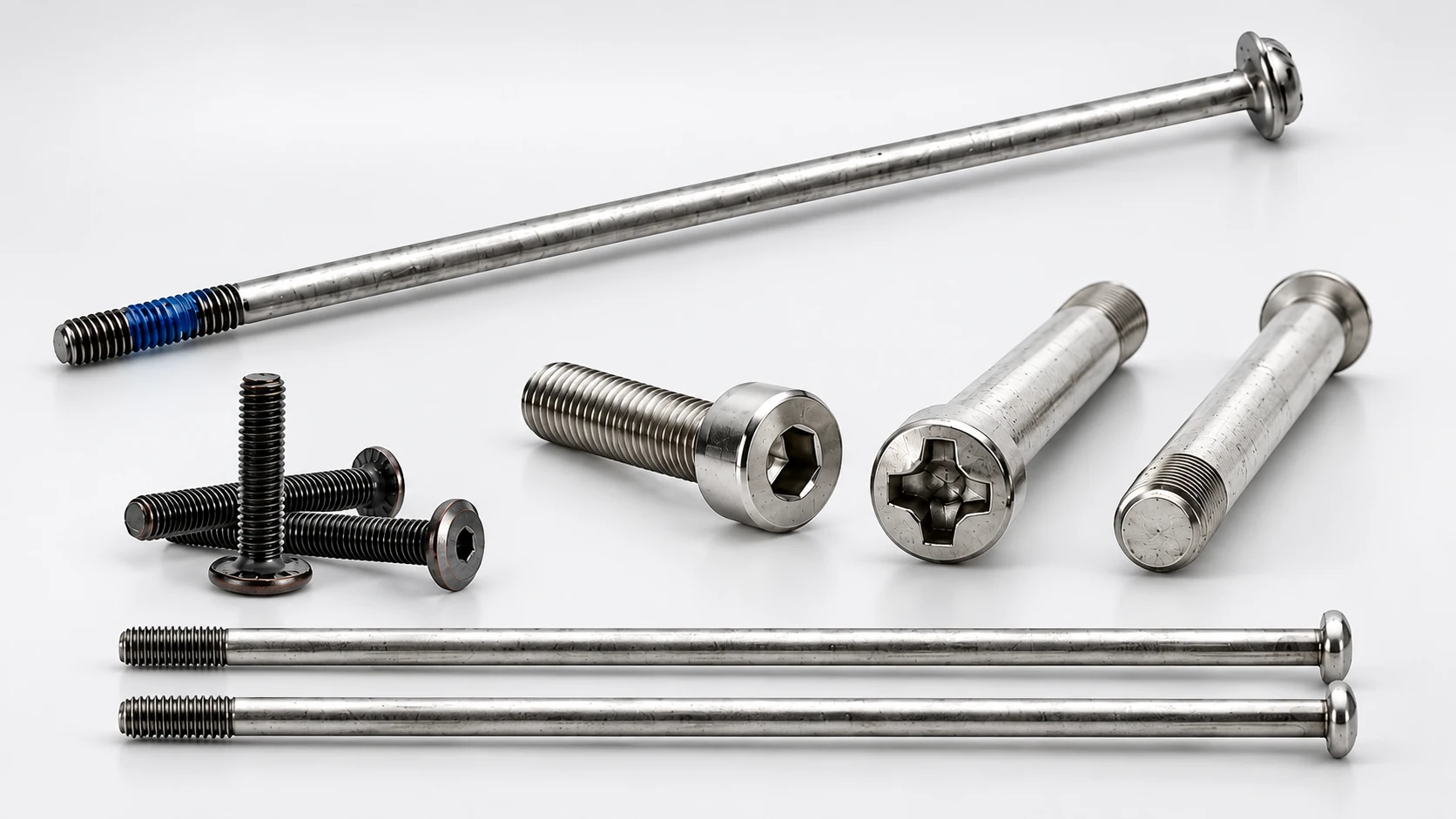
Long Machine Screws Built Around the Complete Joint
A long machine screw uses a defined machine thread to engage a tapped component, threaded insert or mating nut across an extended assembly distance. Length alone does not define a workable screw. The nominal diameter, pitch or threads per inch, thread fit, head, drive, threaded zone, unthreaded shank, material, finish and inspection references must work together in the final joint.
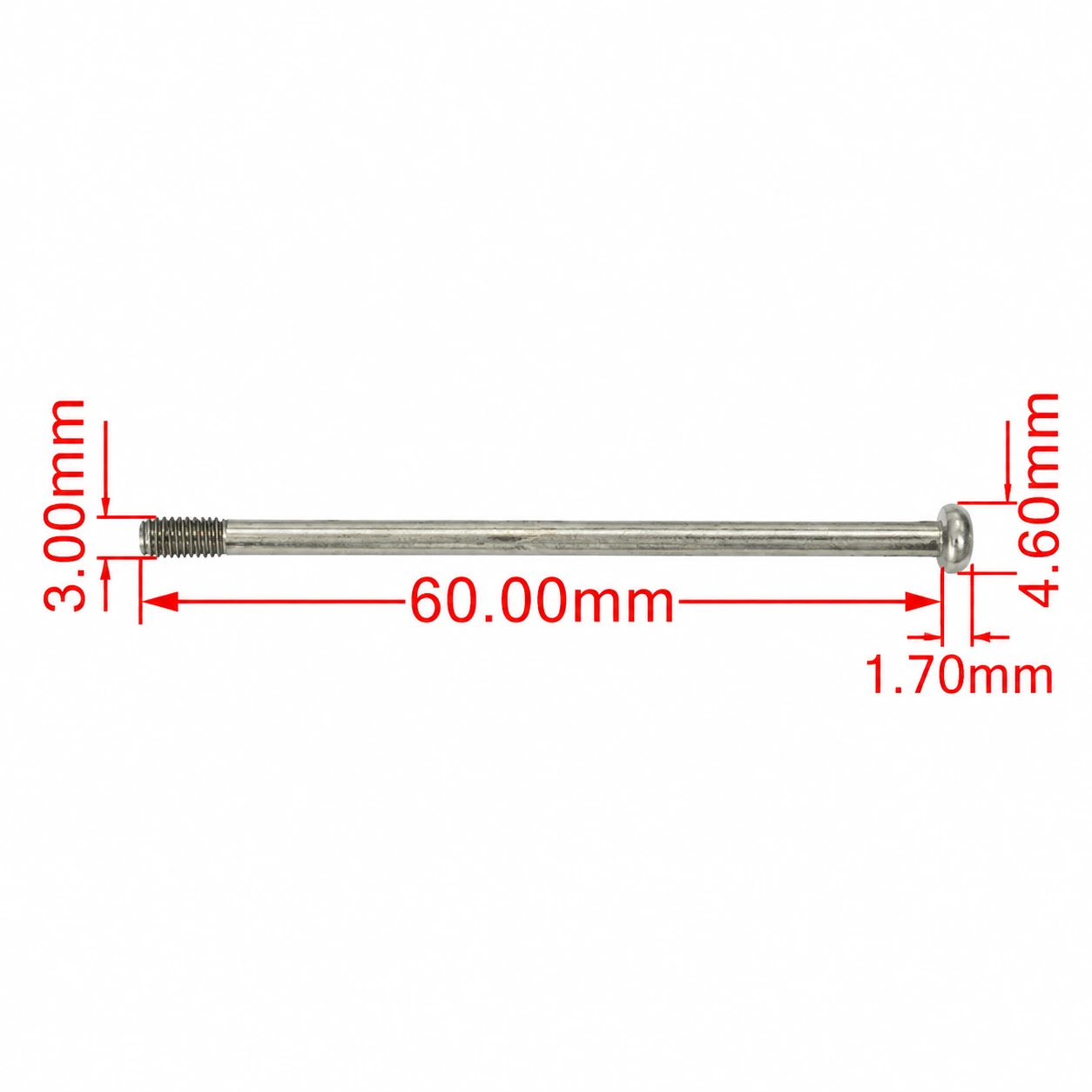
Evaluation Scope
Swipe to view| Field | Current Evaluation Scope |
|---|---|
| Nominal diameter | M1.4–M12, subject to the complete design |
| Overall length | 2–2000 mm evaluation range; not every diameter, material and geometry is feasible at every length |
| Thread system | Metric or inch machine threads |
| Thread coverage | Full thread, partial thread, long unthreaded shank or drawing-defined thread zones |
| Head and drive | Pan, flat or countersunk, socket, external hex and drawing-specific configurations |
| Materials | Carbon and alloy steel, stainless steel, titanium, copper or brass, and aluminum, subject to grade and process review |
| Manufacturing route | Cold heading, multi-station forming, selected open-die forming, thread rolling and CNC secondary machining are evaluated according to the geometry |
| Inspection | Dimensions, thread fit, pitch, depth, angle, concentricity, hardness, torque or other drawing-defined characteristics as applicable |
The values above define an evaluation envelope, not a universal stock range. Final manufacturability is confirmed from the drawing, mating components, material condition, quantity and acceptance requirements.
Long Machine Screw Configurations
Start with the head, drive and shank structure that best matches the assembly. Each configuration is manufactured to an approved drawing rather than treated as a universal stocked part.
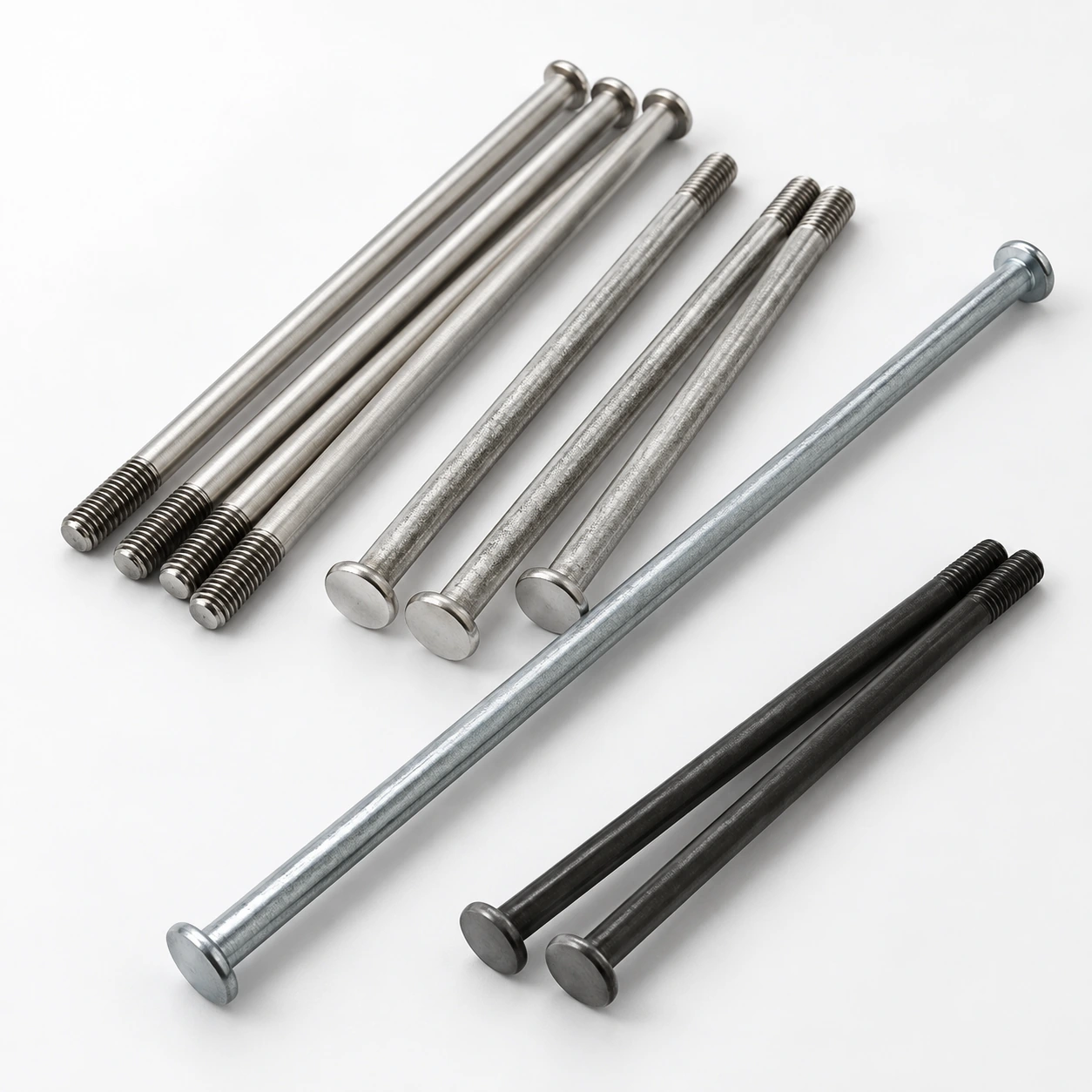
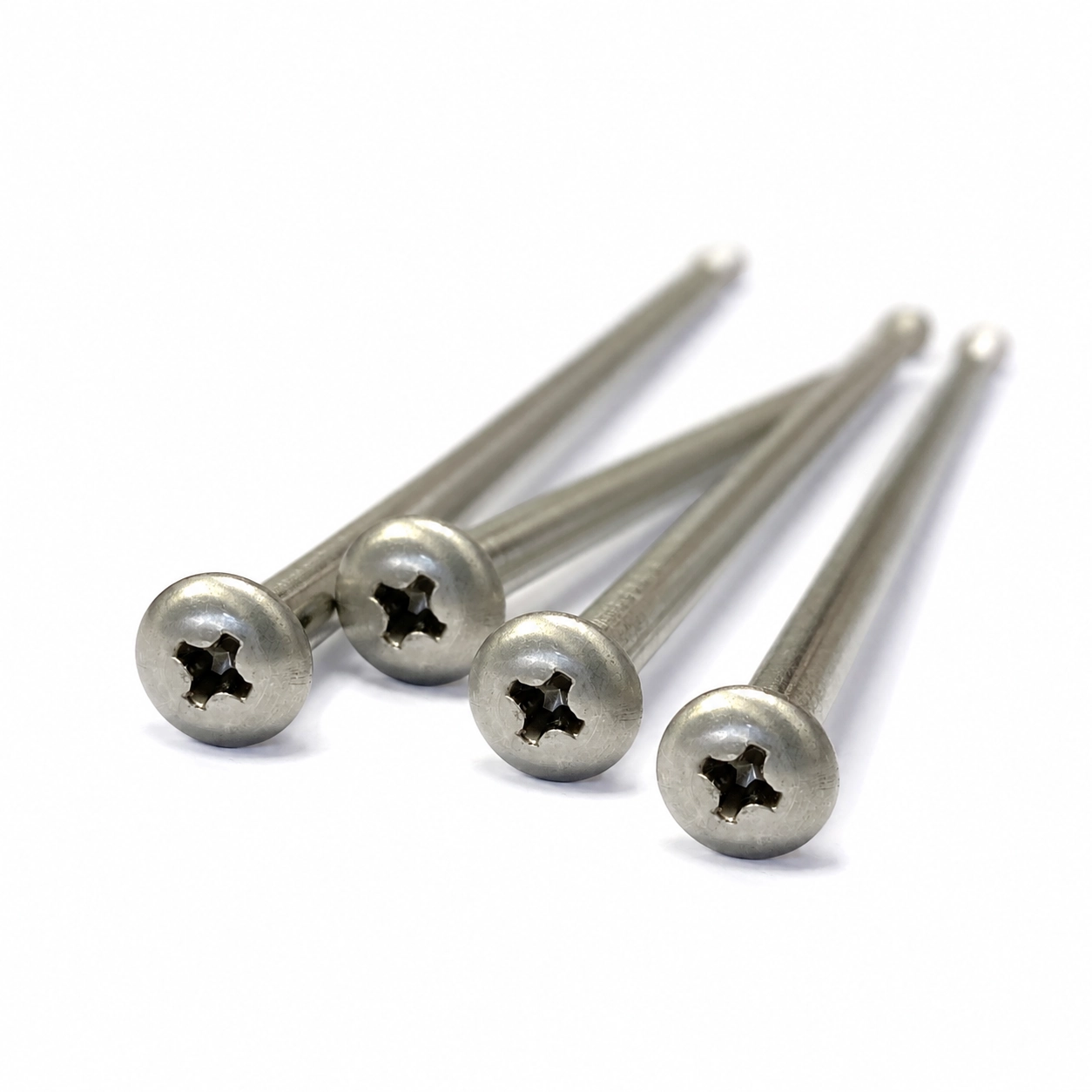
Pan Head Long Machine Screws
A pan head provides a broad bearing surface without requiring a countersunk mounting hole. Phillips, slotted, combination and selected drawing-specific drives can be evaluated with full or partial thread.
Select by head diameter, head height, drive geometry, threaded length and bearing-surface requirements.
Flat Head Long Machine Screws
A flat or countersunk head supports a flush installation when the mating hole, countersink angle and length reference are defined together. The head must seat without projecting above the assembly surface.
Select by countersink angle, head diameter, drive, mounting-hole geometry and the applicable length-measurement reference.
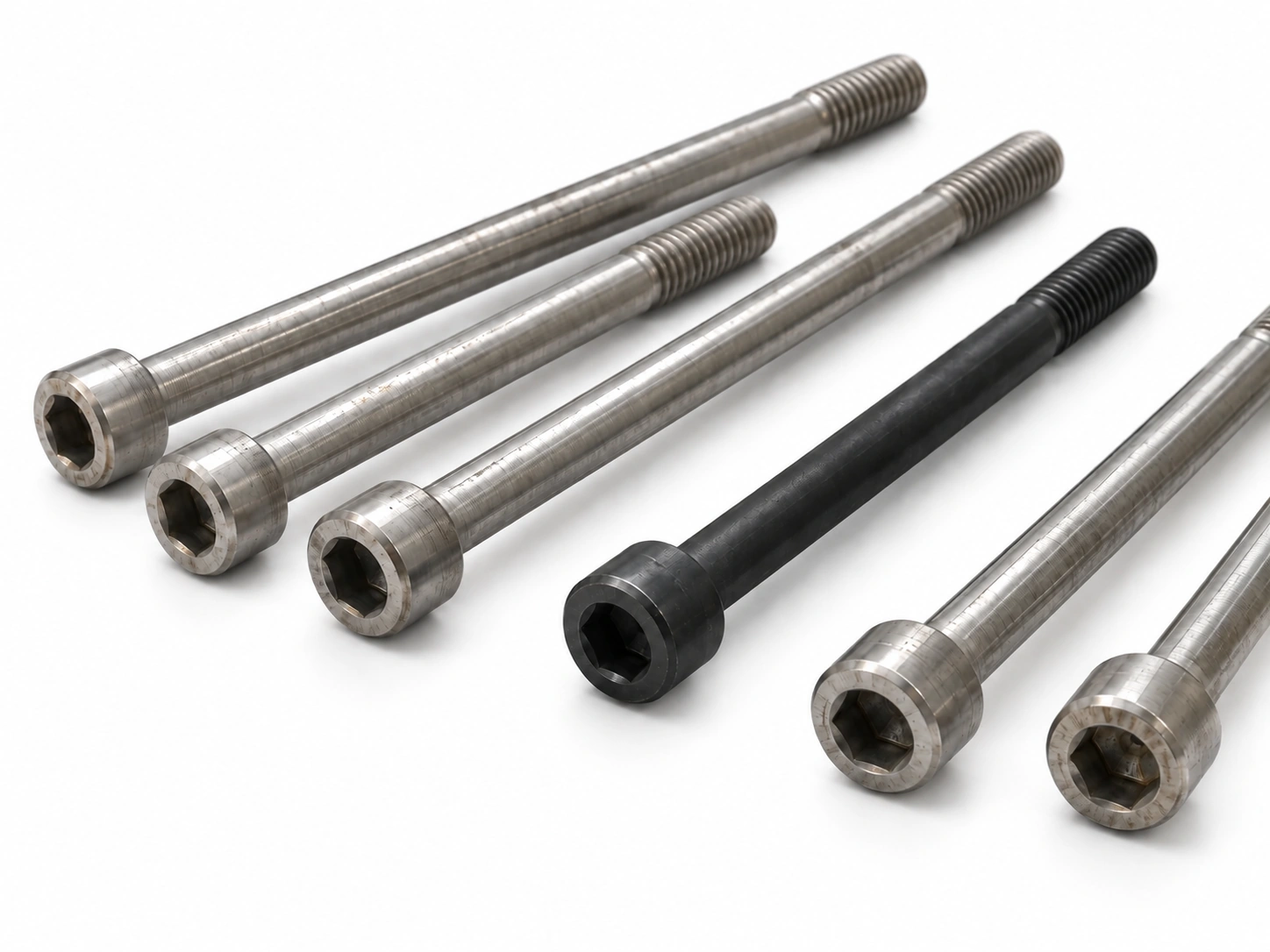
Hex Socket Long Machine Screws
An internal hex drive supports compact tool access where an external wrench cannot reach the head. Recess size, recess depth, head geometry and installation torque must be reviewed as one system.
Select by socket size and depth, head profile, tool clearance, torque requirement and clamping zone.
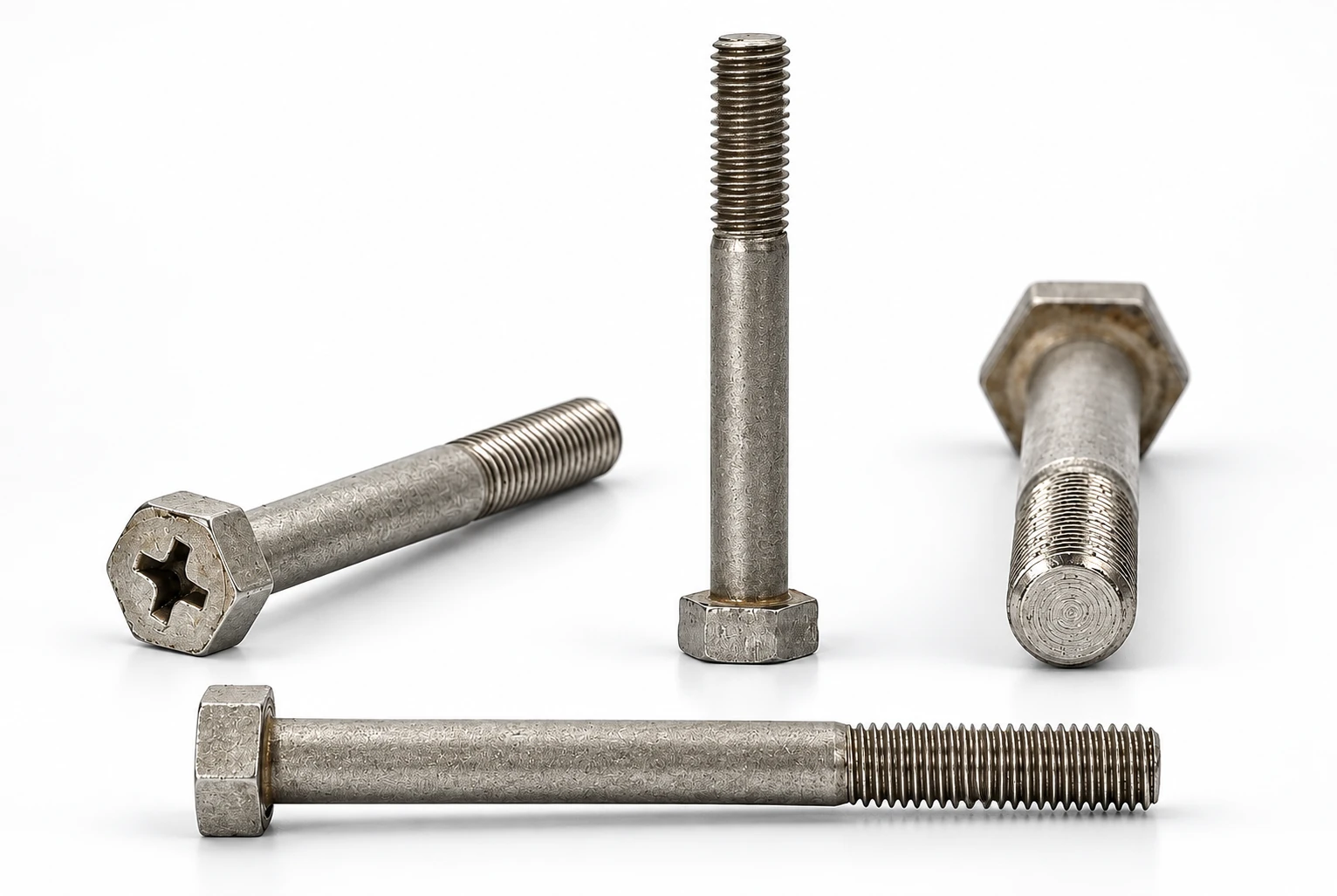
External Hex Long Machine Screws
An external hex head provides wrench engagement and a defined bearing face for assemblies with sufficient external tool clearance. Across-flats dimensions, head height and corner form must be specified by the drawing or applicable standard.
Select by wrench clearance, across-flats dimension, bearing area, head height and required thread engagement.
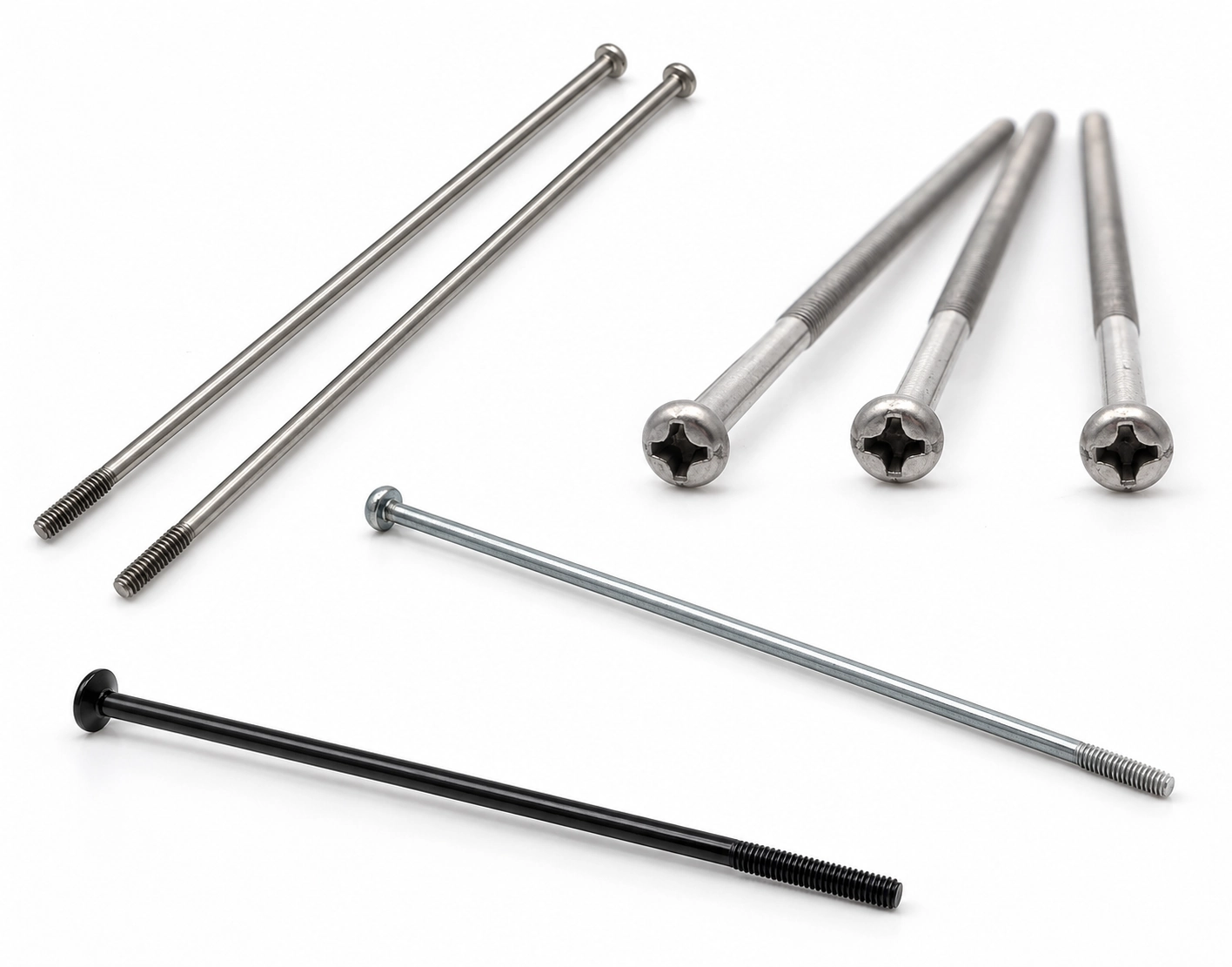
Small-Diameter Extra-Long Machine Screws
Small-diameter designs create a high length-to-diameter ratio that changes forming stability, handling, thread production and measurement setup. Shi Shi Tong evaluates M1.4–M3 long machine screw projects together with the complete geometry and inspection references.
Select by nominal diameter, overall length, thread coverage, shank condition, handling requirements and inspection method.
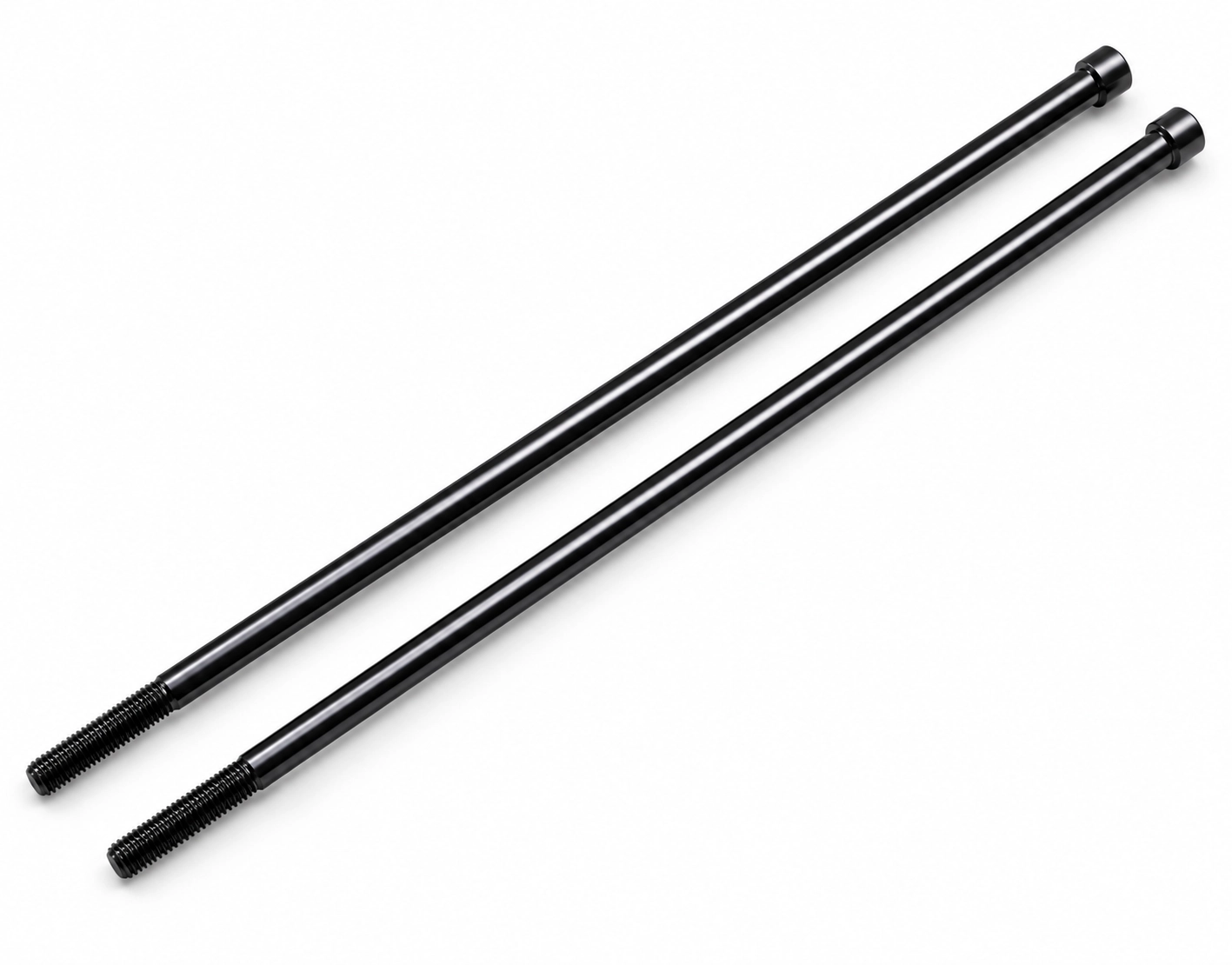
Custom Shank & Thread-Zone Long Machine Screws
A drawing-defined shank can provide location, clearance, bearing, clamping or controlled engagement that a fully threaded catalog screw cannot provide. Full thread, partial thread, long unthreaded shanks, reduced sections, steps and multiple functional zones can be evaluated.
Define every diameter, transition, functional length, thread zone and datum rather than relying on a product photograph alone.
Where Long Machine Screw Projects Commonly Go Wrong
Long parts magnify specification gaps that may be less visible on a short catalog screw. The drawing should connect the fastening function to a practical manufacturing and inspection plan.
Swipe left/right to view full table
| Project Risk | What It Can Change | Specification Response |
|---|---|---|
| Length is defined without the complete thread and shank geometry. | The screw may reach the assembly but provide the wrong engagement, clearance or clamping zone. | Define overall or under-head length, effective thread length, unthreaded shank and every stepped section. |
| A full thread is selected automatically. | Unnecessary thread length may add production difficulty without improving the joint. | Base thread coverage on required engagement, adjustment, location and clamping function. |
| Material or finish is chosen by appearance alone. | Strength, thread fit, corrosion behavior and compatibility with mating materials may change. | State the environment, base material, strength requirement, coating system and test or acceptance method. |
| Critical dimensions have no agreed datums or inspection method. | Supplier and buyer may measure the same feature differently. | Identify functional datums, gauges, measurement locations, sampling and required reports before production. |
Choose the Head and Drive Around the Installation
The correct head is determined by the bearing surface, tool path, available height and required seating condition. Drive choice must also account for tool engagement, recess depth and installation torque.
Swipe left/right to view full table
| Assembly Need | Configuration Direction | Confirm Before Production |
|---|---|---|
| Broad bearing surface without a countersink | Pan head | Head diameter, head height, drive and bearing-face condition |
| Flush seating in the mating part | Flat or countersunk head | Countersink angle, hole geometry, drive and length reference |
| Limited external wrench clearance | Hex socket head | Socket size, recess depth, head profile and tool access |
| External wrench installation | External hex head | Across-flats size, head height, corner form and wrench clearance |
| Restricted access, removal control or special appearance | Drawing-specific head or drive | Matching tool, torque transfer, tooling feasibility and applicable rights |
Choose the Threaded Zone by Function
Full Thread
Use a full thread when extended adjustment or engagement is required across most of the available length. Confirm that the additional thread provides functional value rather than unnecessary processing.
Partial Thread
Use a partial thread when the joint requires both a defined engagement zone and an unthreaded section for clearance, location, bearing or clamping.
Long Unthreaded Shank
Use a controlled shank when the screw must pass through components, support alignment or maintain a specific clamping distance before the thread engages.
Multiple or Stepped Zones
Use drawing-defined steps, reduced sections or multiple thread zones when different parts of the assembly require different diameters or functions. Each transition and datum must be dimensioned.
As threaded length, diameter and overall length change, the practical thread-production route may also change. Confirm the effective thread requirement before extending the thread across the complete part.
Define Diameter, Thread and Length Before Quotation
A usable long machine screw specification needs more than a nominal diameter and overall length. It must identify the mating thread, fit, measurement reference and functional zones.
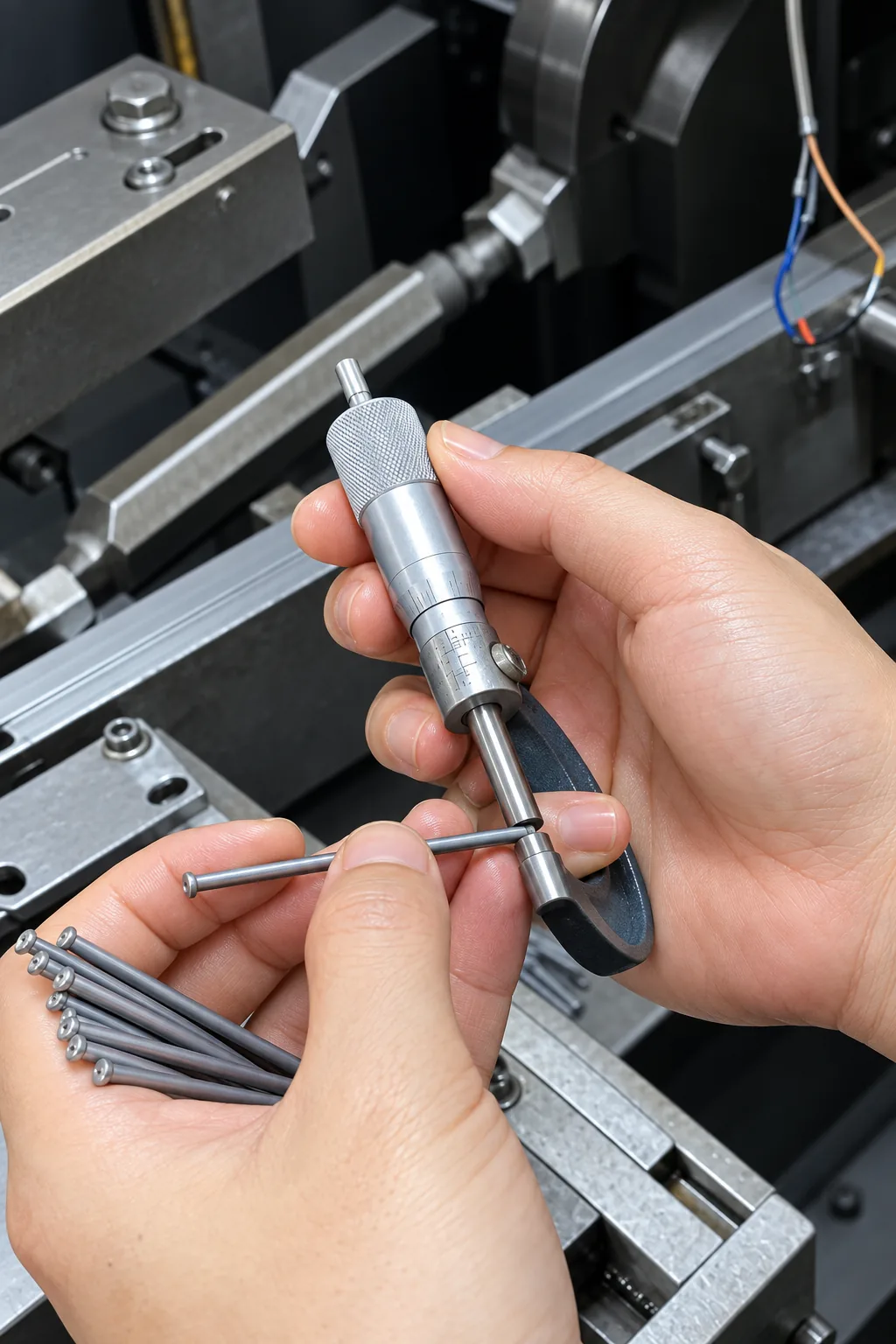
Measure machine screw diameter across the outermost thread crests to identify the major diameter. Use a thread-pitch gauge or verified mating gauge to confirm pitch or TPI. A ruler alone cannot identify the complete thread specification.
Swipe left/right to view full table
| Specification Field | What to Define |
|---|---|
| Nominal diameter | Metric diameter or inch screw size, confirmed from the thread major diameter and applicable specification |
| Pitch or TPI | Metric pitch or threads per inch; diameter alone does not identify the complete thread |
| Thread class or fit | External-thread tolerance and the mating tapped hole, insert or nut |
| Length reference | Under-head length for most non-countersunk heads; overall length for countersunk designs where required by the applicable standard or drawing |
| Effective thread length | The threaded portion that performs the required engagement or adjustment |
| Head and drive | Head diameter, height, seating face, drive type, drive size and recess depth |
| Shank and steps | Every diameter, length, transition, radius, undercut or reduced section |
| Material and strength | Exact grade or property requirement together with any heat-treatment or verification condition |
| Surface requirement | Finish system, thickness or test method where required, plus thread-fit implications |
| Inspection | Critical characteristics, datums, gauges, sampling and required records |
Select Material and Strength by Service Conditions
No material or property class is automatically best for every long machine screw. The joint load, corrosion exposure, mating materials, manufacturing route, thread fit and verification method must be considered together.
Swipe left/right to view full table
| Material Direction | Useful Selection Factors | Review Boundary |
|---|---|---|
| Carbon or alloy steel | Strength-class options, heat-treatment routes and coating compatibility | High-strength coated parts require thread-fit and hydrogen-embrittlement review where applicable |
| Stainless steel | Corrosion resistance, cleanliness and application-specific strength | Confirm the exact grade, forming route, chloride exposure and mating-material compatibility |
| Titanium | Low weight and corrosion resistance for selected applications | Confirm grade, geometry, thread behavior, forming or machining route and galvanic conditions |
| Copper or brass | Conductivity, formability, machinability or appearance | Confirm alloy, strength, thread design and finish requirements |
| Aluminum | Low mass and selected anodizing directions | Confirm alloy, temper, thread strength, mating material and installation conditions |
Outdoor & Coastal Conditions
For outdoor, coastal or chloride-bearing conditions, define whether exposure is atmospheric, splash or immersion; also state temperature, cleaning chemicals, mating materials, crevice conditions, target service life and the applicable corrosion test. Stainless steel, titanium or a coated steel system may be evaluated, but the complete assembly determines the final choice.
Heavy-Load Assemblies
A long machine screw is not suitable for a heavy-load joint merely because it has a larger head or higher property-class label. Review joint load, material, property class, thread engagement, bearing area, installation torque, heat treatment, coating, mating parts and the required mechanical verification.
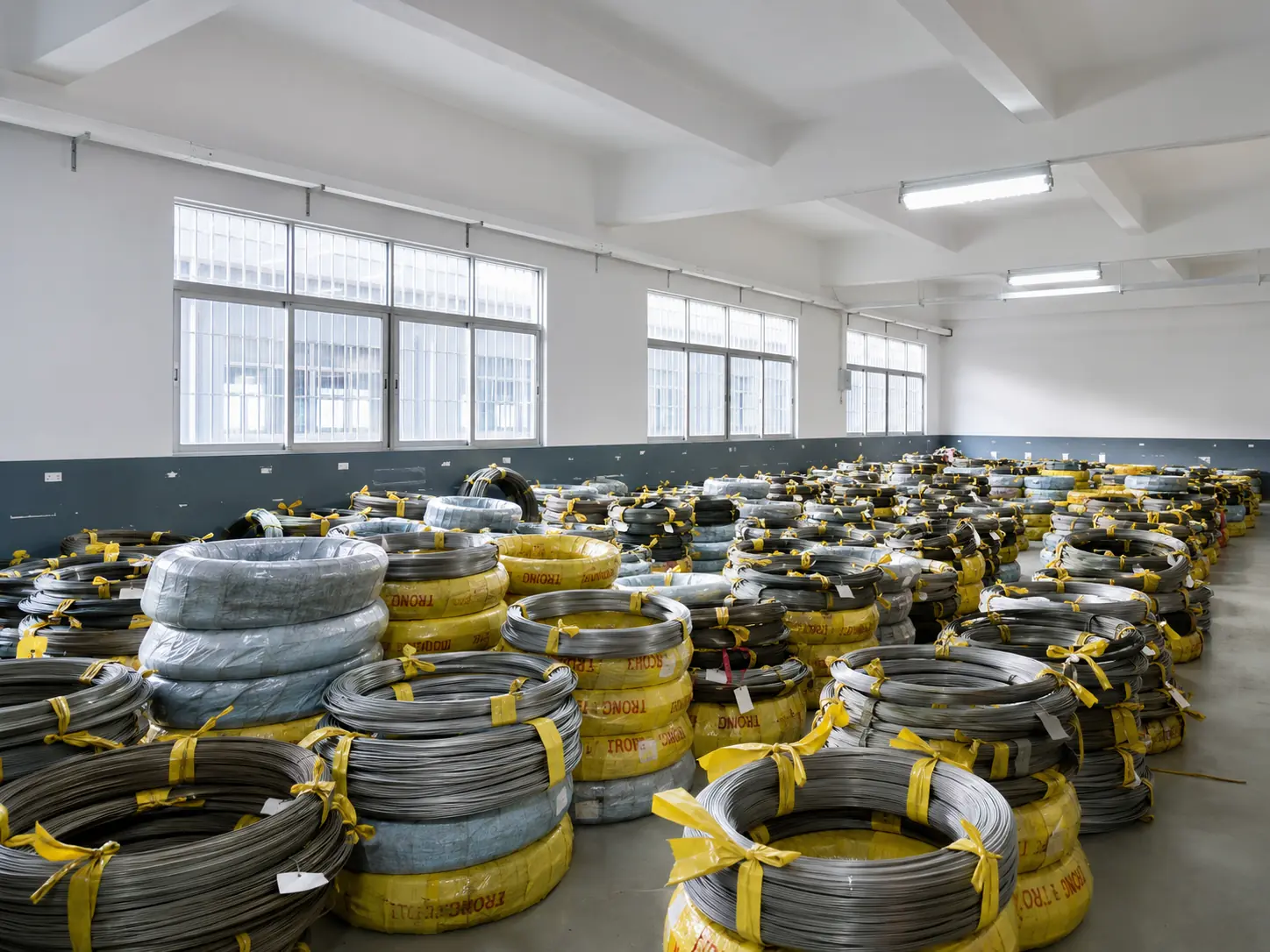
From Drawing Review to Repeatable Production
Long machine screw projects are reviewed as connected geometry, material, process and inspection decisions. The approved drawing becomes the shared reference for tooling, sampling, production and final acceptance.
-
1
Drawing and Assembly Review
Review the mating components, fastening function, geometry, material, quantity and operating conditions.
-
2
Manufacturing Route Evaluation
Evaluate cold heading, multi-station forming, selected open-die forming, thread rolling and CNC secondary machining according to the part.
-
3
Tooling and Sample Planning
Confirm dedicated tooling, sample scope and the characteristics that must be checked before production approval.
-
4
Sample or First-Article Validation
Compare the physical part with the approved drawing and agreed inspection method.
-
5
Controlled Production
Manufacture to the approved specification and keep material, process and drawing requirements aligned.
-
6
Final Inspection and Records
Verify the agreed dimensions, thread, material, hardness, finish or project-specific requirements before release.
A Practical Long-Length Evaluation Envelope
Projects can be evaluated from M1.4 to M12 and up to 2000 mm in length, giving engineering teams a starting range for thin, partially threaded, stepped and extra-long designs. Every combination remains subject to manufacturability review.
Process Selection Follows the Geometry
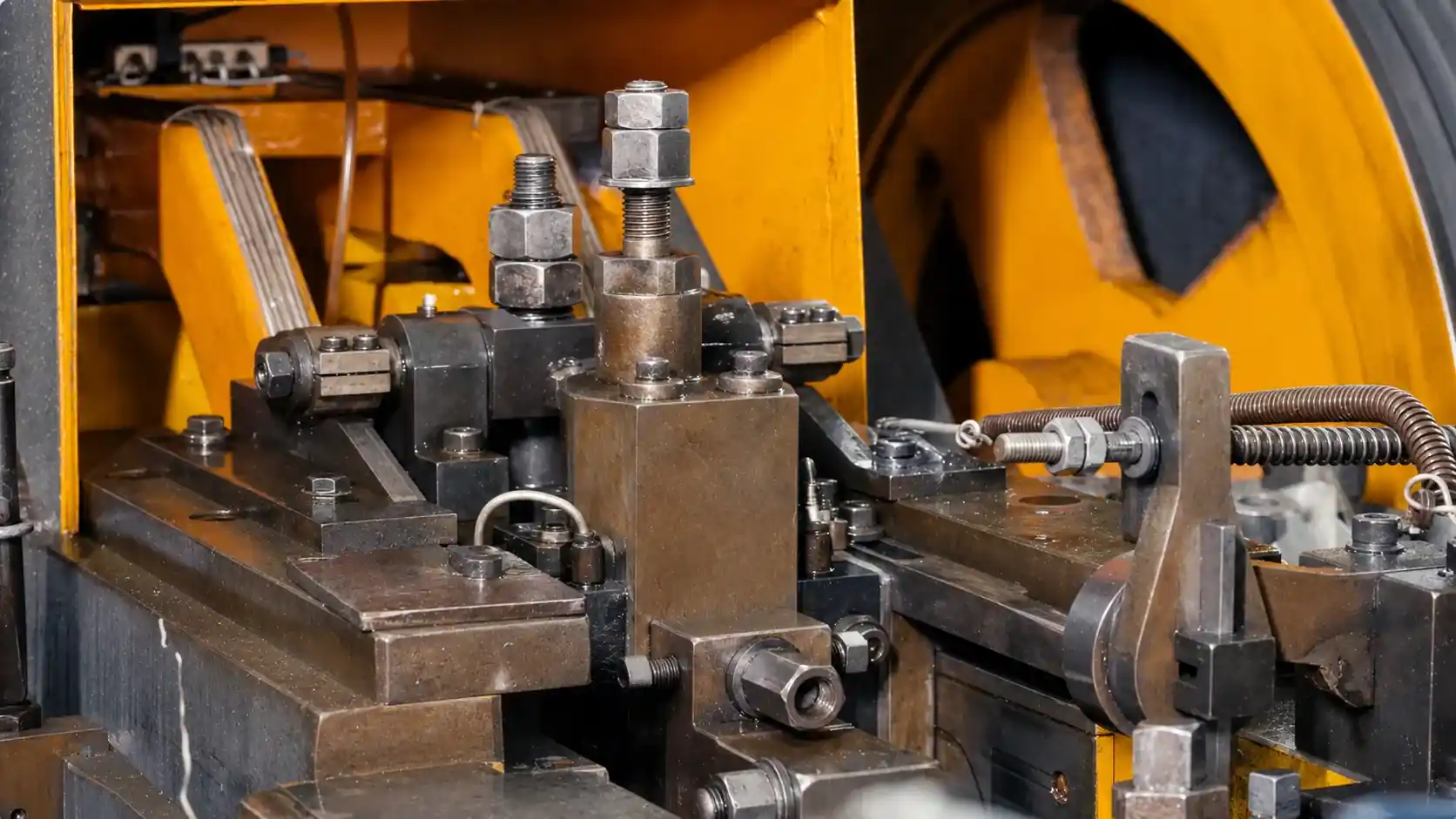
Shi Shi Tong does not present one manufacturing route as suitable for every long screw. Head volume, material, shank structure, thread zone, length-to-diameter ratio and tolerance determine the process plan.
Inspection Follows Functional Dimensions
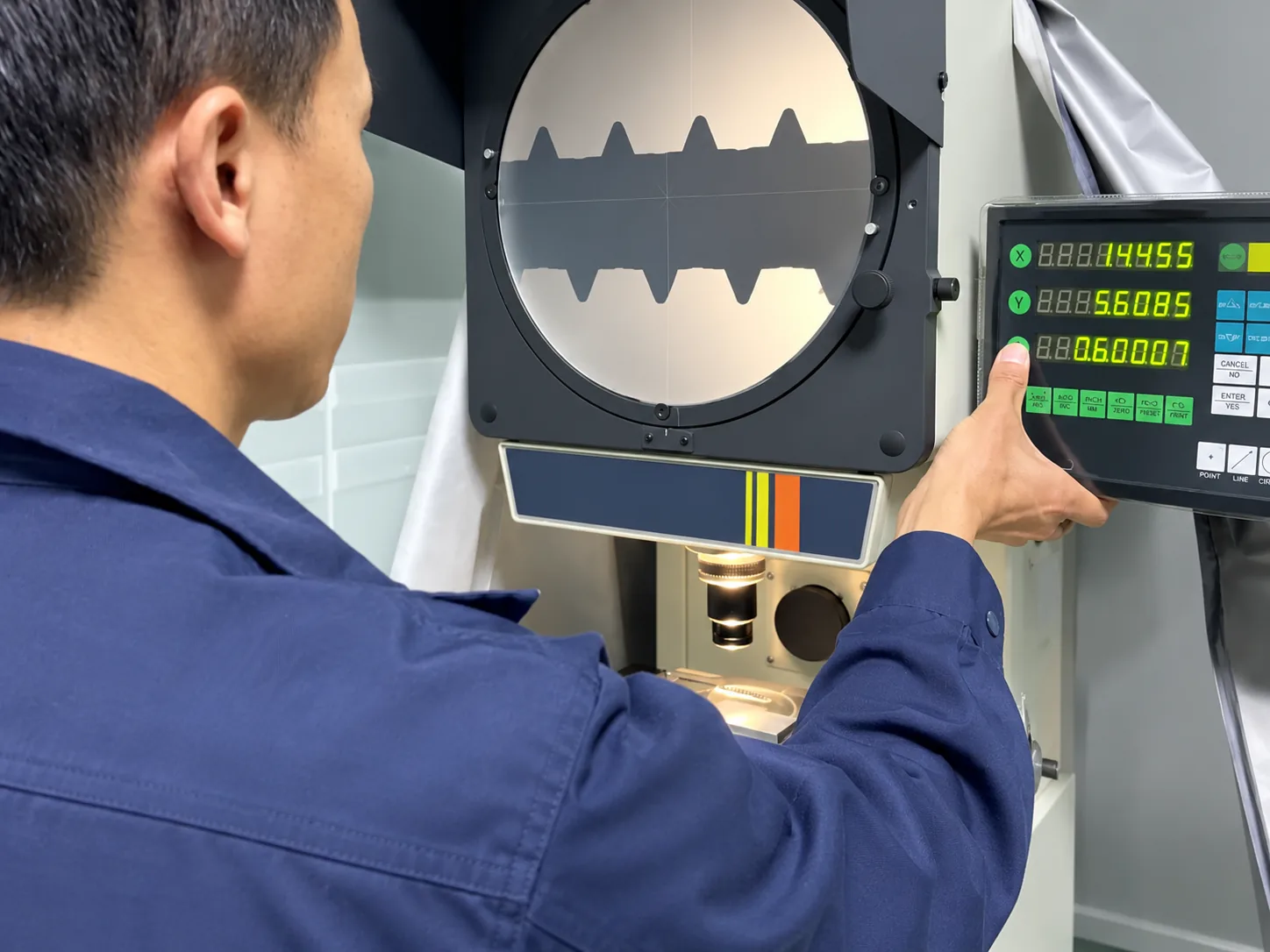
Thread fit, pitch, head and recess geometry, effective thread length, shank diameters, angles, concentricity, hardness, torque and other critical characteristics can be linked to agreed datums and project requirements.

Where Custom Long Machine Screws Add Value
- Deep housings and extended fastening distances in industrial equipment
- Long through-connections that require a controlled shank and thread zone
- Narrow assemblies that require a small-diameter, high length-to-diameter fastener
- Frames, fixtures, covers and equipment components with restricted tool access
- Assemblies that require a drawing-defined head, drive, step or reduced section
- Repeat-production projects where one approved specification must control purchasing, production and inspection

Manufacturing & Inspection in Shenzhen
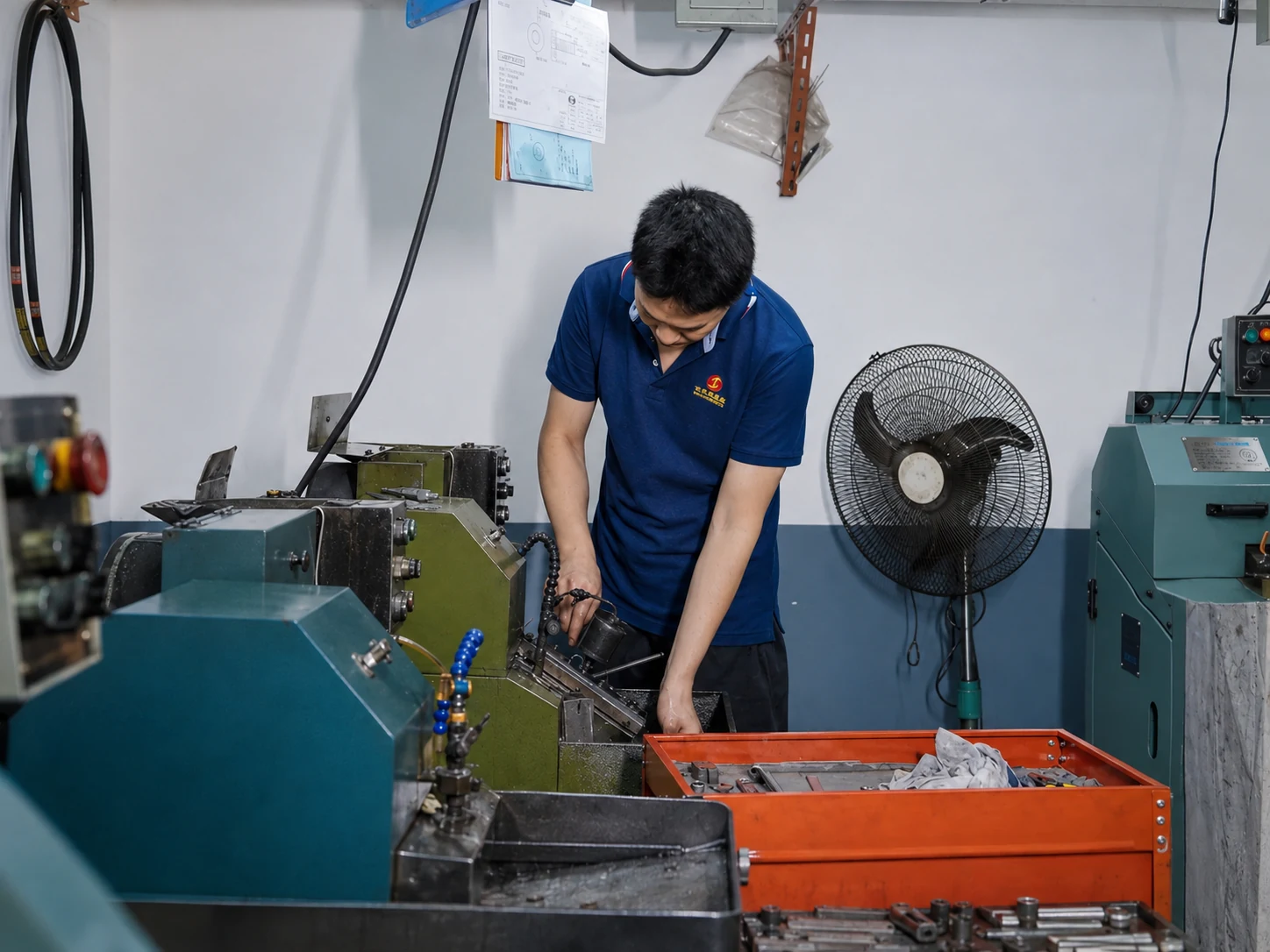
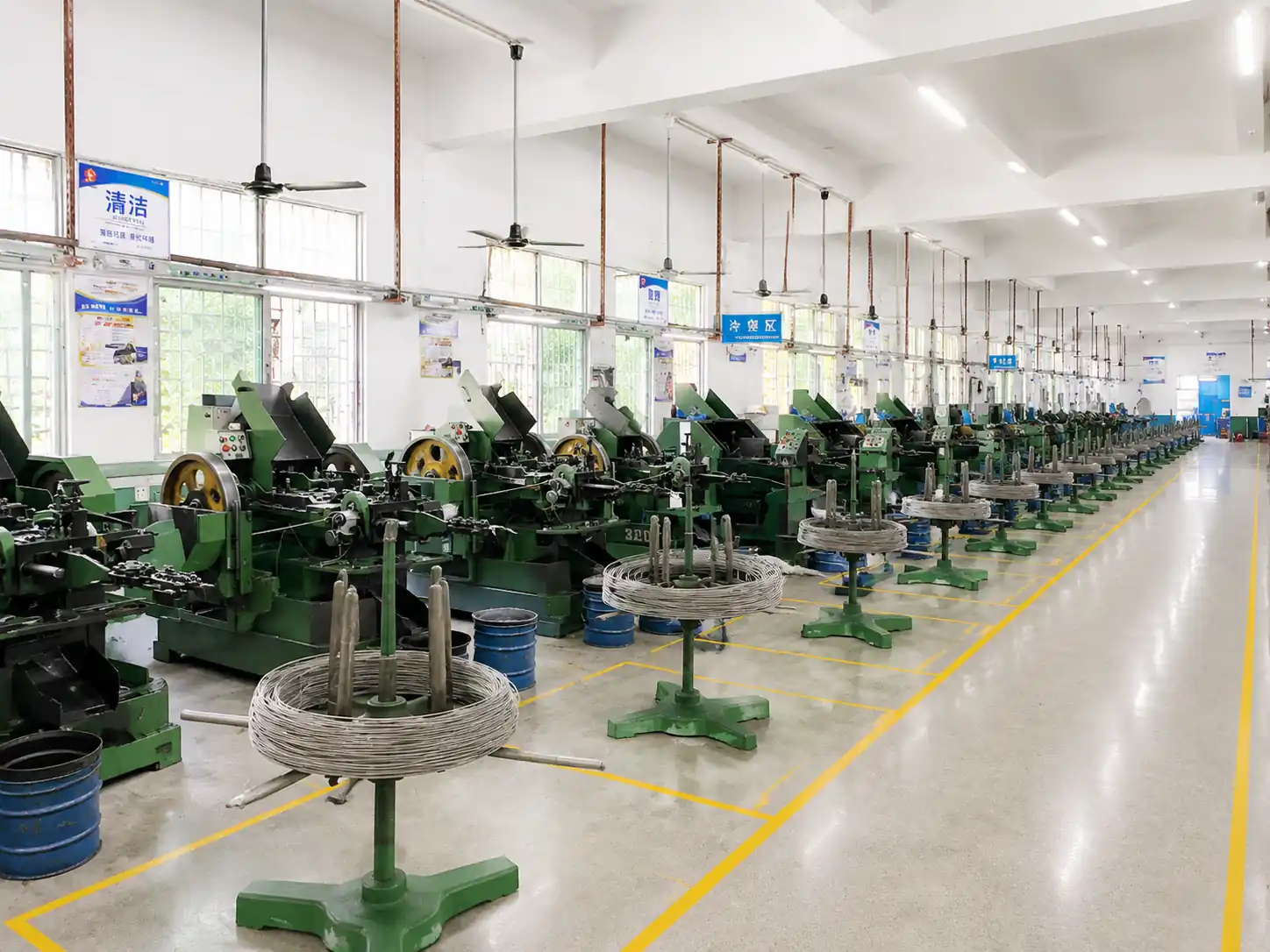
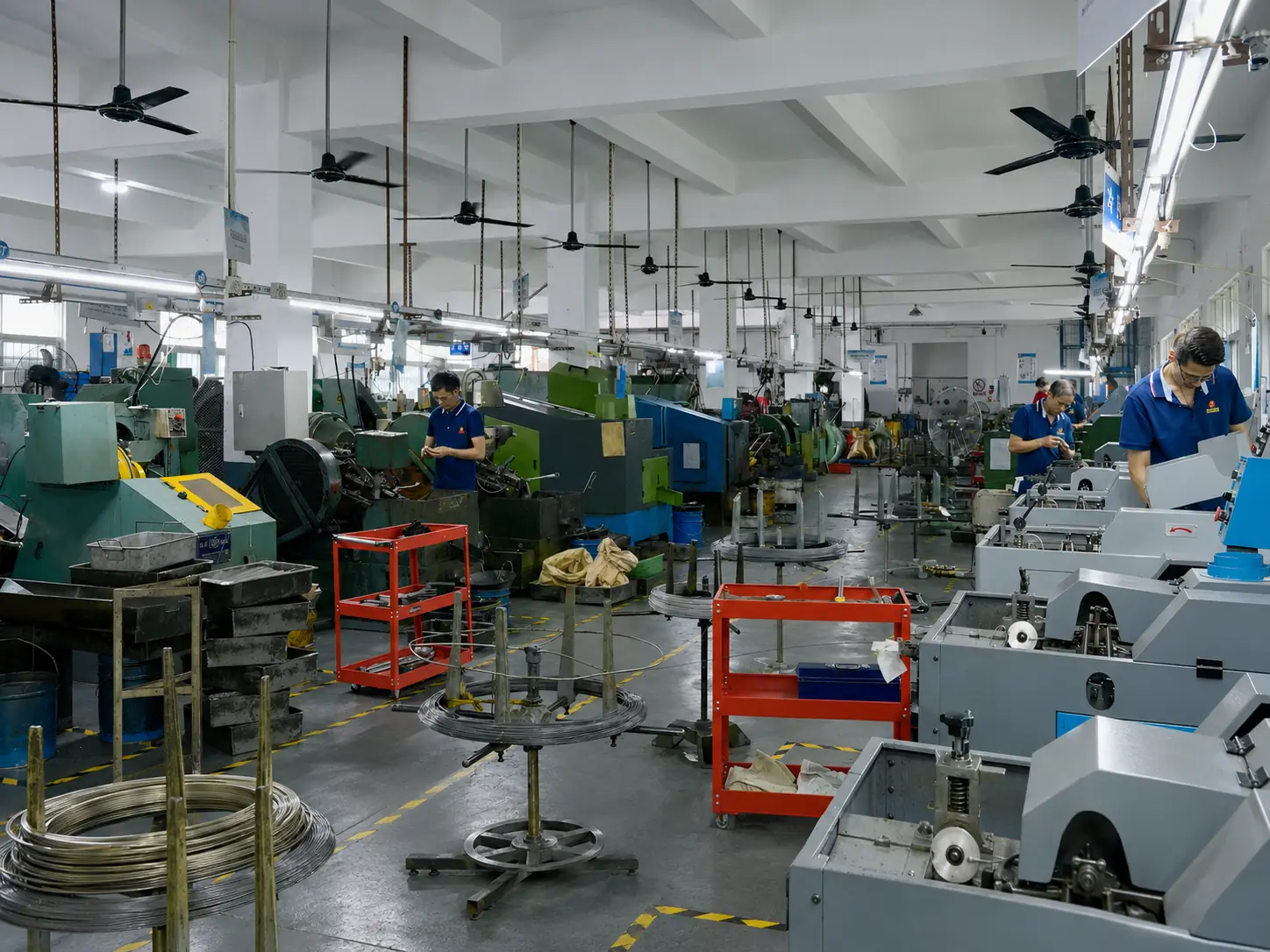
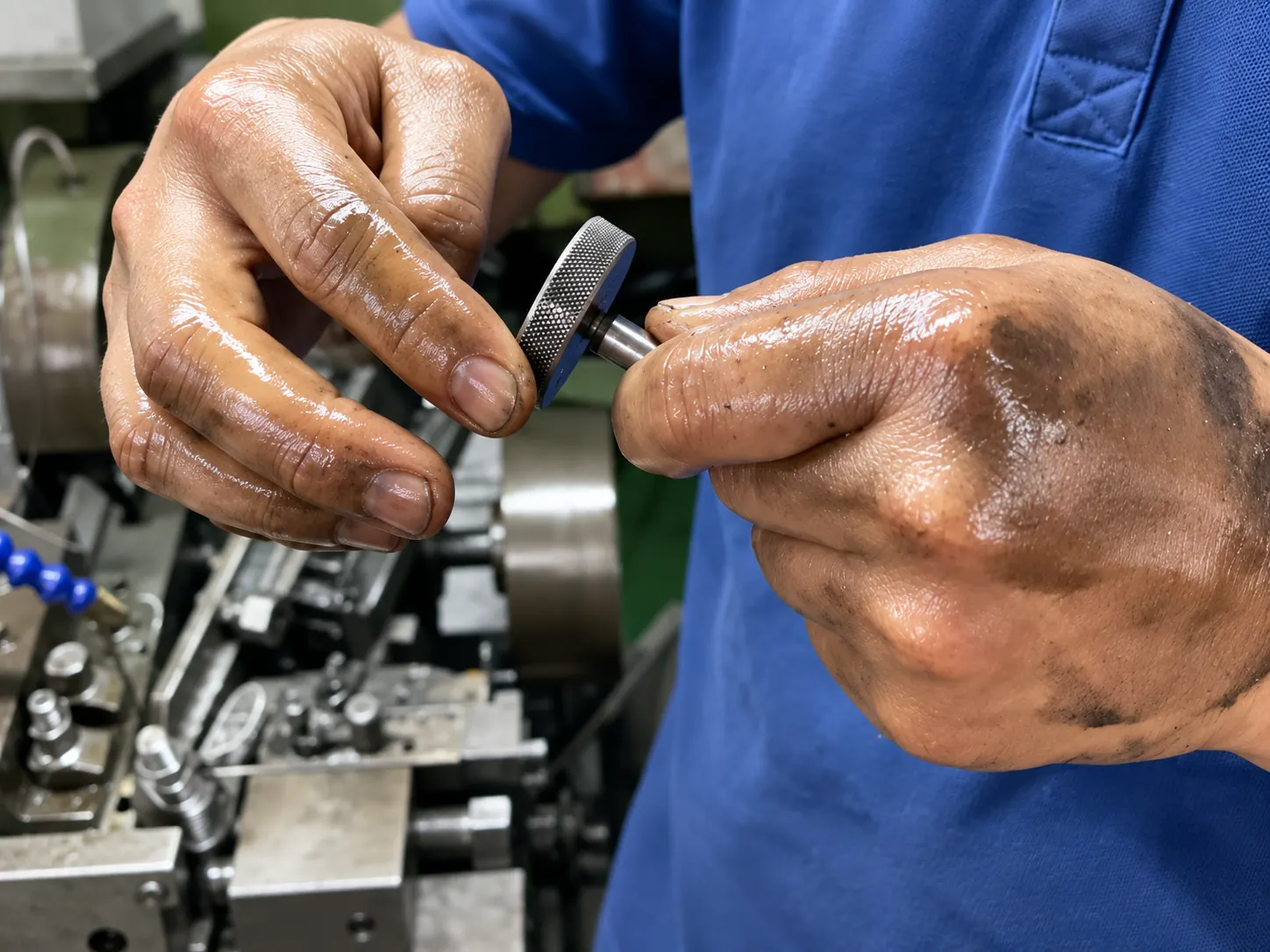
Shi Shi Tong has focused on custom screw manufacturing since 1998. With a 48,000㎡ production base and over 50 main production machines, we develop long machine screw projects around your exact drawings, samples, and repeat-production requirements.
ISO 9001 supports our quality-management framework, ensuring 14 strict quality inspection steps are applied from raw material to final global delivery.
Long Machine Screw Selection and Sourcing Guide
What lengths are standard for machine screws?
Standard catalog lengths vary by thread size, head style, material and supplier. There is no single standard maximum length for every machine screw. When the required length falls outside practical catalog combinations, the part should be treated as a custom specification and reviewed together with its diameter, head, thread coverage, material and quantity.
Shi Shi Tong evaluates drawing-based long machine screw projects from M1.4 to M12 and from 2 to 2000 mm in overall length. This is a manufacturing evaluation range, not an industry definition of standard length and not a promise that every combination is feasible.
What sizes and thread types are available for custom long machine screws?
Metric and inch machine threads can be evaluated. A complete thread specification should state nominal diameter, pitch or threads per inch, external-thread tolerance class, mating thread and required engagement length.
The product can be reviewed with full thread, partial thread, a long unthreaded shank or drawing-defined thread zones. Head geometry, material, quantity and manufacturing route remain part of the feasibility review.
| System | Required Identification |
|---|---|
| Metric | Nominal diameter, pitch and tolerance class |
| Inch | Screw size or diameter, TPI and thread class |
How do I measure long machine screw diameter?
Measure across the outside of the external thread crests to identify the major diameter. Use a caliper for the diameter and a thread-pitch gauge, verified mating gauge or applicable specification to identify pitch or TPI.
Do not identify the screw from diameter alone. Similar measured diameters can use different thread systems or pitches, and coating can also affect the final thread fit.
How should I choose a long machine screw for a heavy-load assembly?
Start with the joint load and failure mode, then review material, property class, thread engagement, bearing area, installation torque, heat treatment, coating and mating components. A higher strength designation does not correct insufficient engagement, an unsuitable bearing surface or an incompatible mating thread.
Define the applicable standard and required verification method before treating a strength class as an accepted product requirement.
What material should be used for an outdoor long machine screw?
There is no universal best material for every outdoor environment. Atmospheric exposure, saltwater splash, immersion, chloride level, temperature, cleaning chemicals, galvanic contact, crevices, target service life and inspection method can lead to different material-and-finish decisions.
Stainless steel, titanium or a coated carbon or alloy steel system may be evaluated after the complete assembly conditions are known. Material grade and surface treatment must remain compatible with the geometry, thread fit and required strength.
Where can I buy long machine screws online?
For a standard replacement in small quantities, use a distributor that publishes the exact diameter, pitch, length, head, material and stock status. For a drawing-defined length, thread zone, head, shank, material or repeat-production quantity, request a custom manufacturer review rather than selecting a visually similar catalog part.
Shi Shi Tong supplies custom long machine screw projects after reviewing the drawing, sample or technical specification. The company is not presented as a US-stock retailer or an instant online checkout source.
How should a US buyer evaluate a long machine screw manufacturer?
Confirm the manufacturer’s actual location, manufacturing scope, drawing-control process, sample approval method, inspection capability, material and finish documentation, packaging plan and repeat-production controls. Compare suppliers against the same approved specification rather than relying on general claims such as high quality or heavy duty.
Shi Shi Tong manufactures in Shenzhen, China and supports qualified overseas custom and repeat-production projects. Commercial terms, production quantity and delivery are confirmed during quotation for the actual specification.
Related Products and Engineering Resources
Discuss Your Long Machine Screw Specification
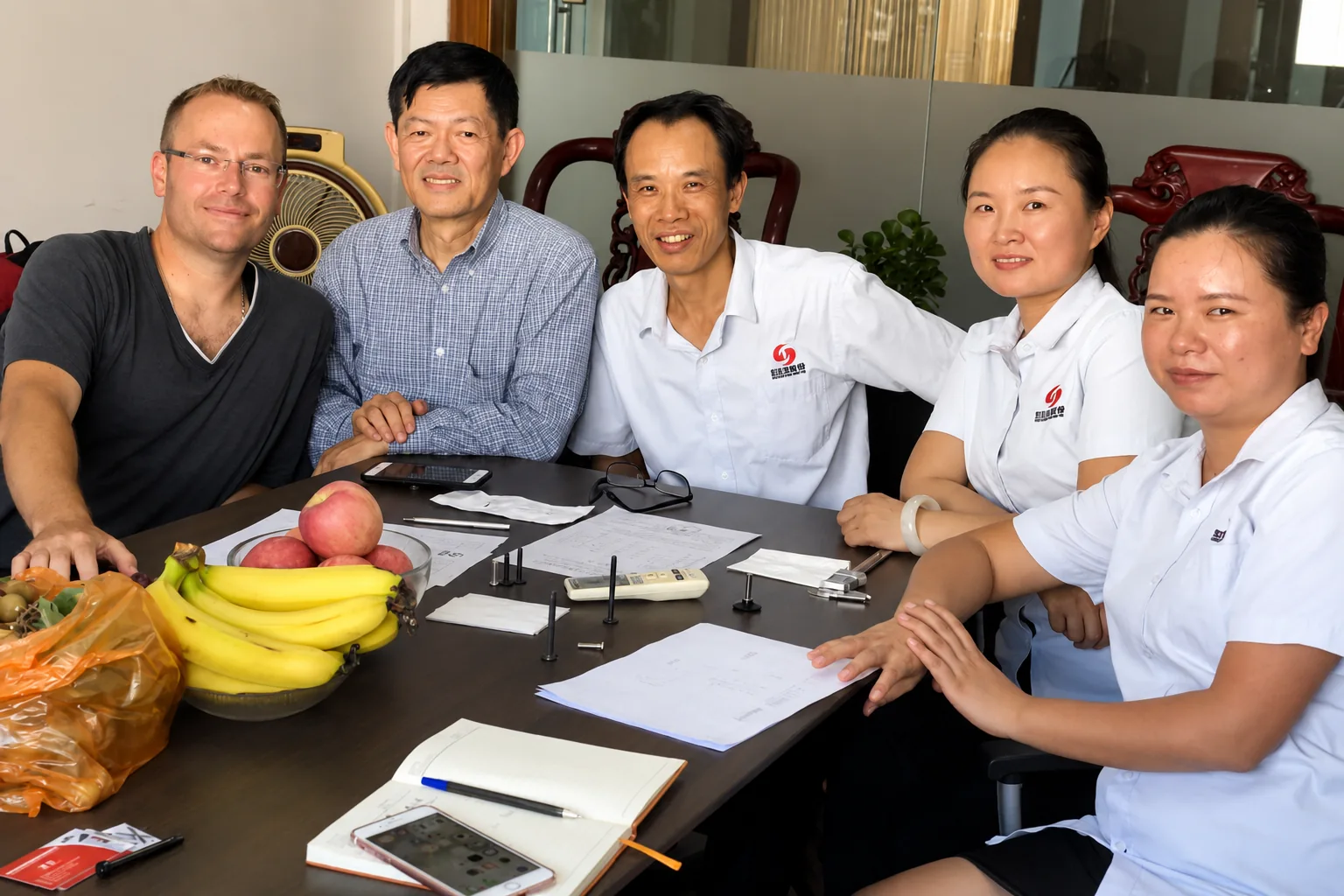
Share the drawing, sample, or current specification so the complete geometry and production requirements can be reviewed together.
Useful project information
- 2D or 3D drawing, or a representative sample
- Metric or inch thread specification
- Total length, threaded length and shank geometry
- Material, strength and surface treatment
- Order quantity and estimated annual demand
Email: info@fastenbydesign.com
Phone: 13143444311
Address: Building 9, Tantou First Industrial Zone, Songgang Street, Bao’an District, Shenzhen, Guangdong, China