Custom Titanium Screws Manufacturer for Production-Ready Fasteners
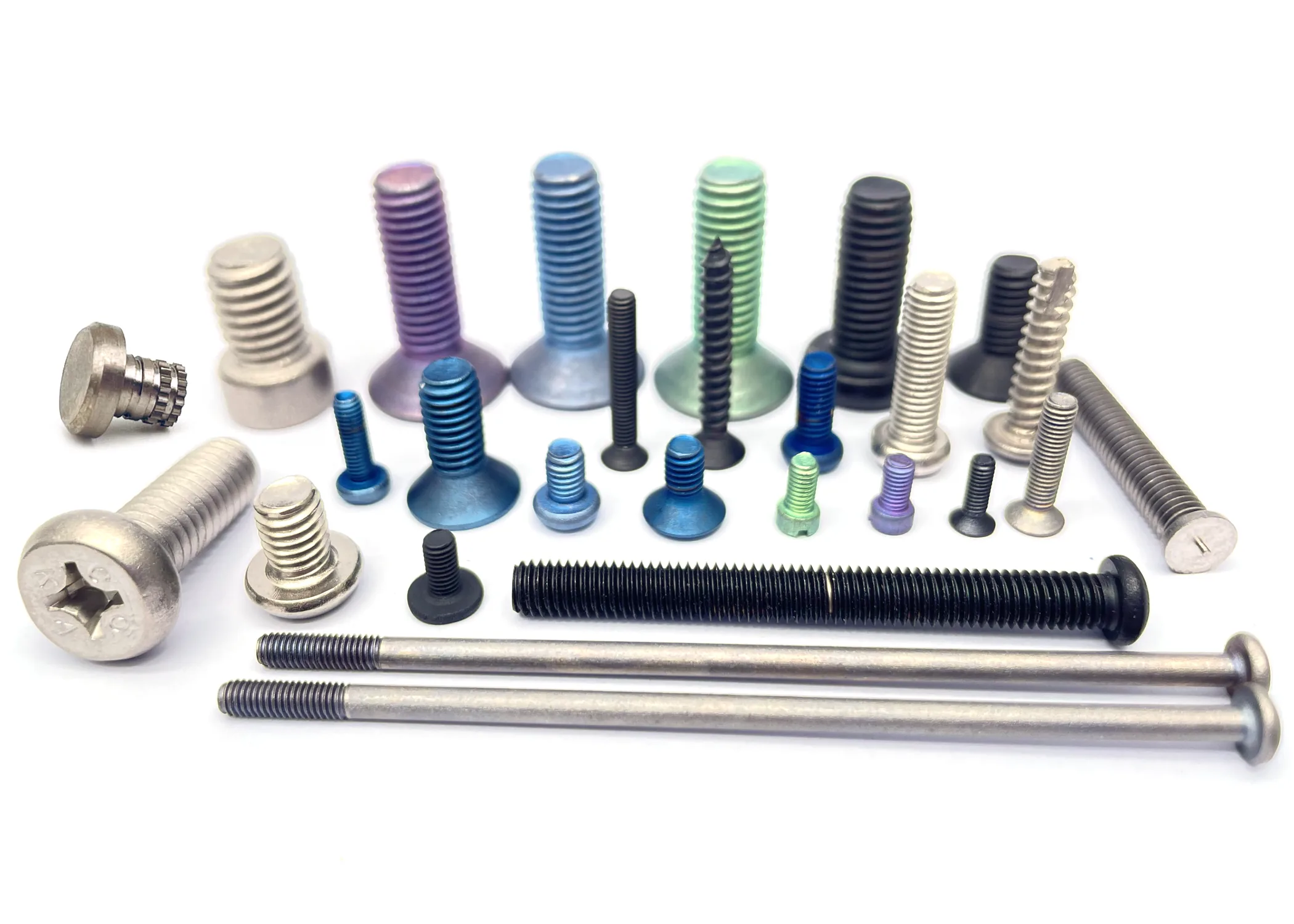
Shi Shi Tong manufactures custom titanium screws, bolts and threaded components from your drawing or sample. We evaluate Grade 1, Grade 2 and Grade 5 material routes together with head geometry, drive, thread, tolerance, surface finish, inspection and production quantity.
Send the drawing, titanium grade, quantity and application conditions for an engineering review.
Titanium Screws Built Around the Drawing—not a Stock Assumption
A titanium screw is not defined by material alone. The selected grade, screw geometry, thread engagement, mating material, tightening method, finish and service environment work together. A design that performs well in one assembly may create unnecessary cost, manufacturing difficulty or galling risk in another.
Shi Shi Tong supports project-based titanium screw development rather than assuming that every catalog size, grade or finish is interchangeable. We review the drawing, application and inspection requirements before confirming the material and manufacturing route.
- Best fit: OEM and industrial projects with drawings, samples or defined assembly requirements.
- Project review: exact material standard, certificate requirement, dimensions, tolerances and quantity.
- Not a retail catalog: stock, small-pack replacement parts and instant unit pricing are not presented on this page.
Titanium Screw Types We Can Evaluate for Your Project
Use these product groups to identify the closest starting point. Final manufacturability is confirmed against the drawing, titanium grade, quantity and acceptance requirements.
Pure Titanium Screws
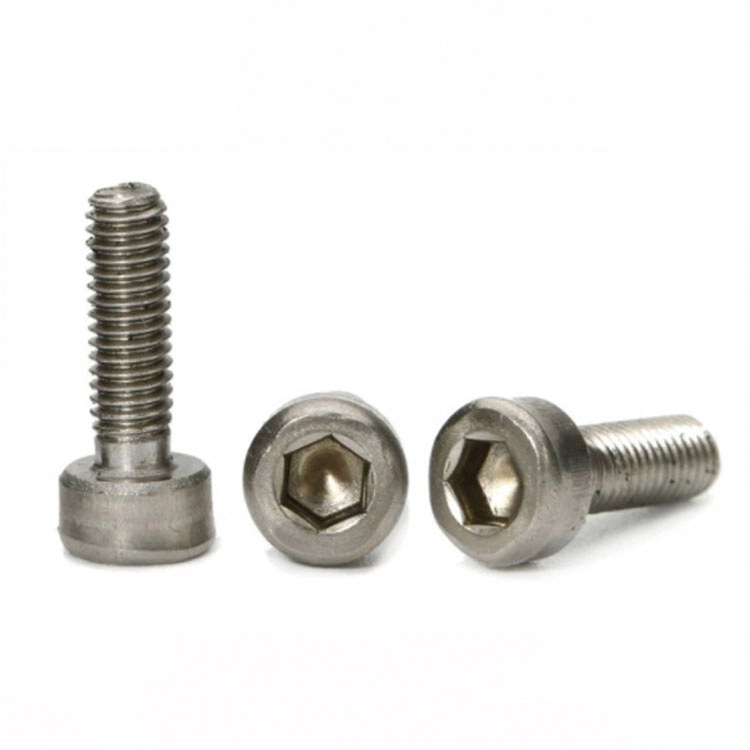
Grade 1 and Grade 2 commercially pure titanium routes can be evaluated where corrosion exposure, material condition and forming requirements must be reviewed together.
Select by the exact material standard, certificate requirement, geometry, environment and finish.
Grade 5 Titanium Alloy Screws
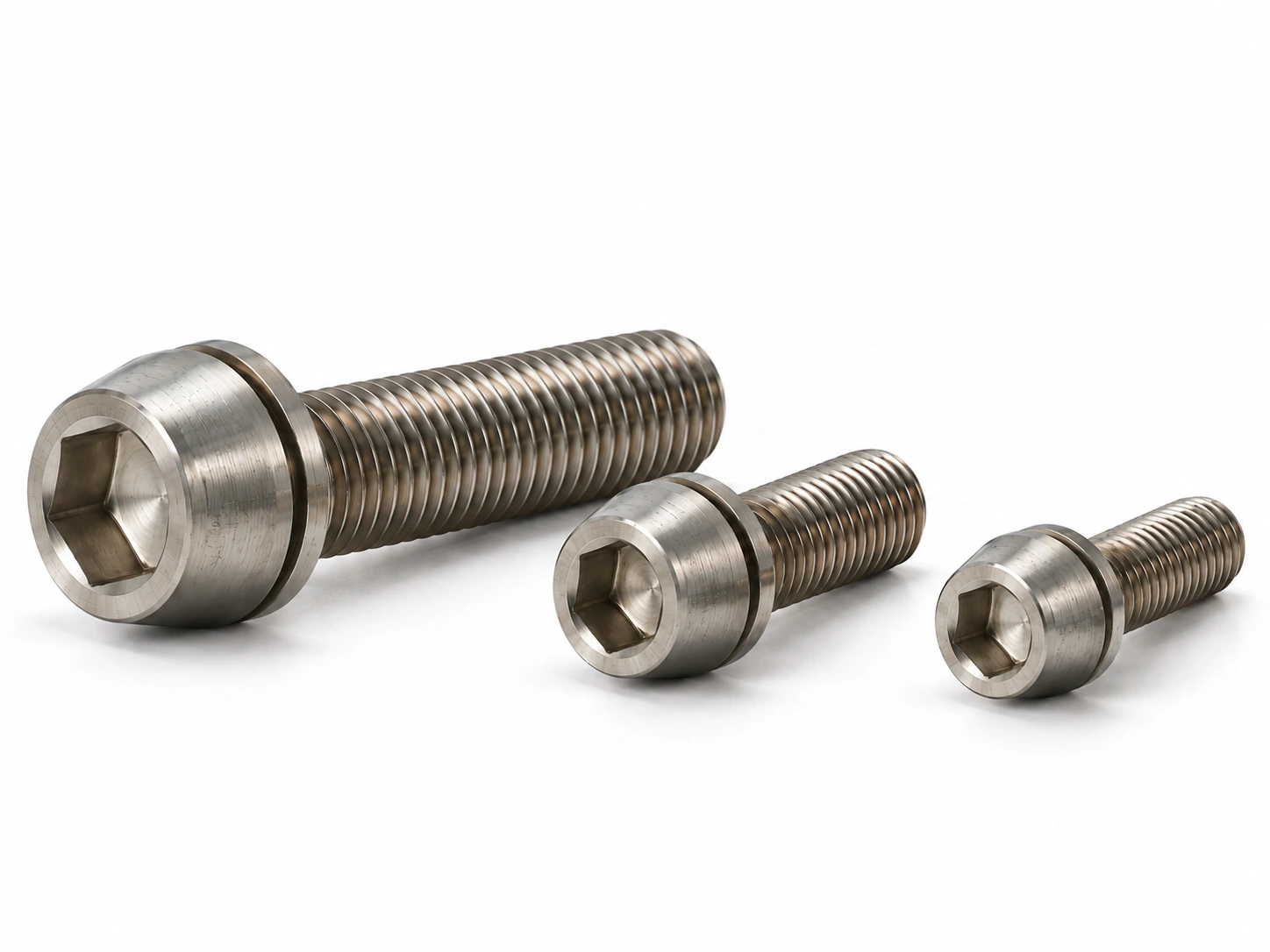
Grade 5 titanium alloy screws can be evaluated for designs that require a higher-strength material route. Geometry, tolerance and quantity determine whether forming, CNC turning or secondary machining is appropriate.
Select by load, finished-part requirements, dimensions, machining features, thread and inspection plan.
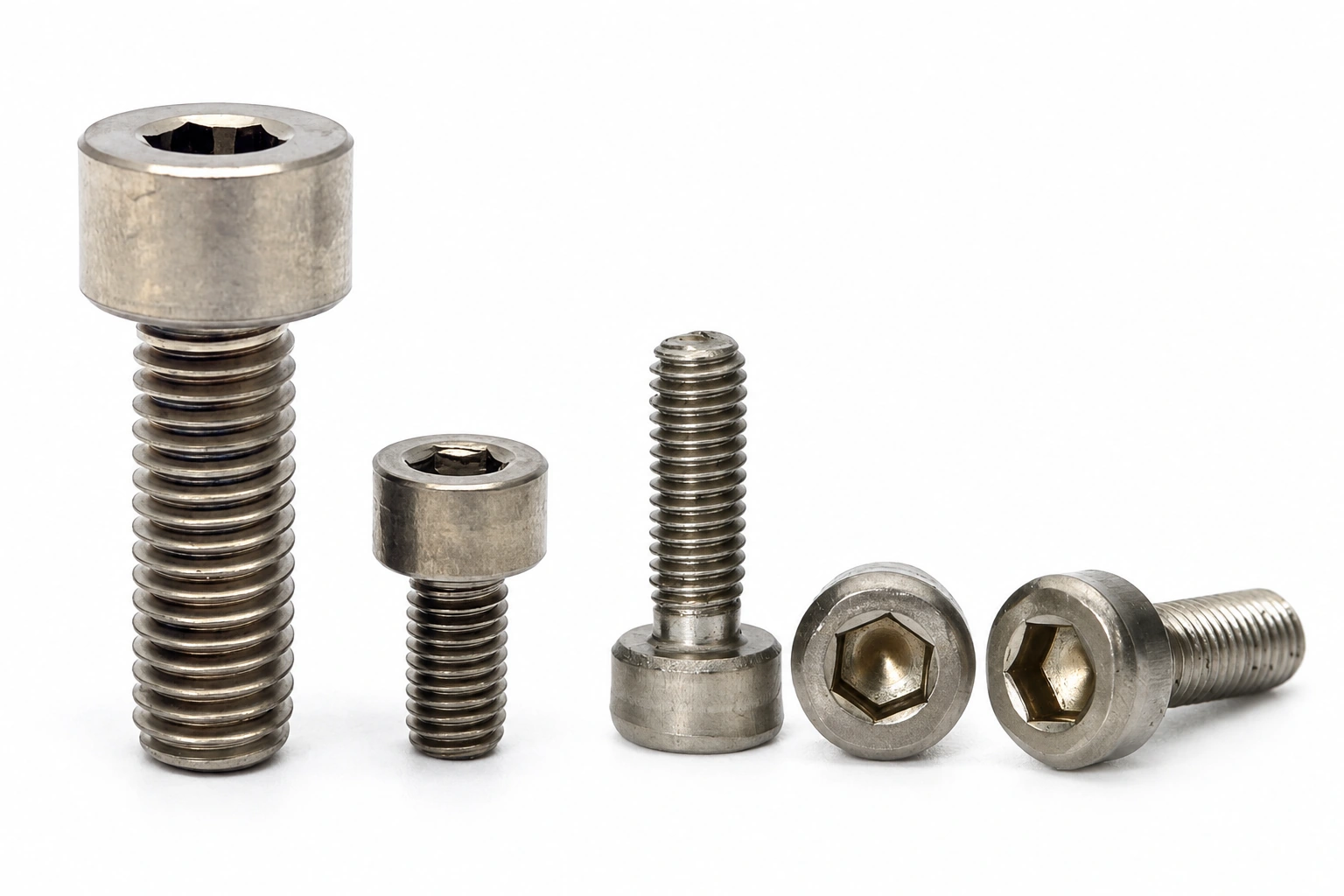
Titanium Socket Head Screws
Custom socket cap, button head and flat or countersunk socket screws can be developed around tool access, head clearance and installation requirements.
Select by head profile, socket size and depth, thread, engagement and tightening conditions.
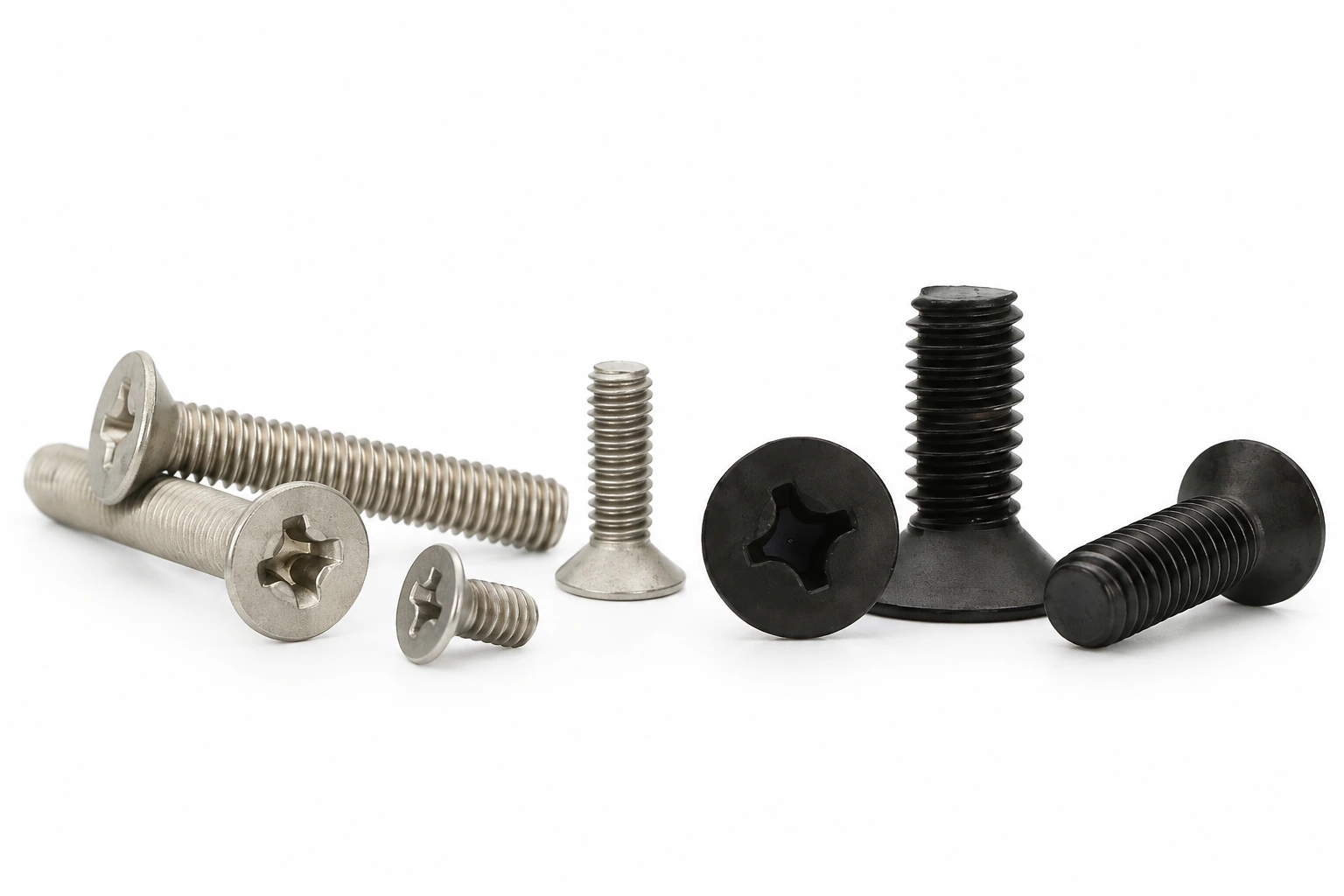
Titanium Machine Screws
Made-to-print machine screws with configurable pan, flat, button, low-profile, hex and special heads can be matched to the required drive and machine thread.
Select by head, drive, metric or inch thread, mating component and assembly clearance.
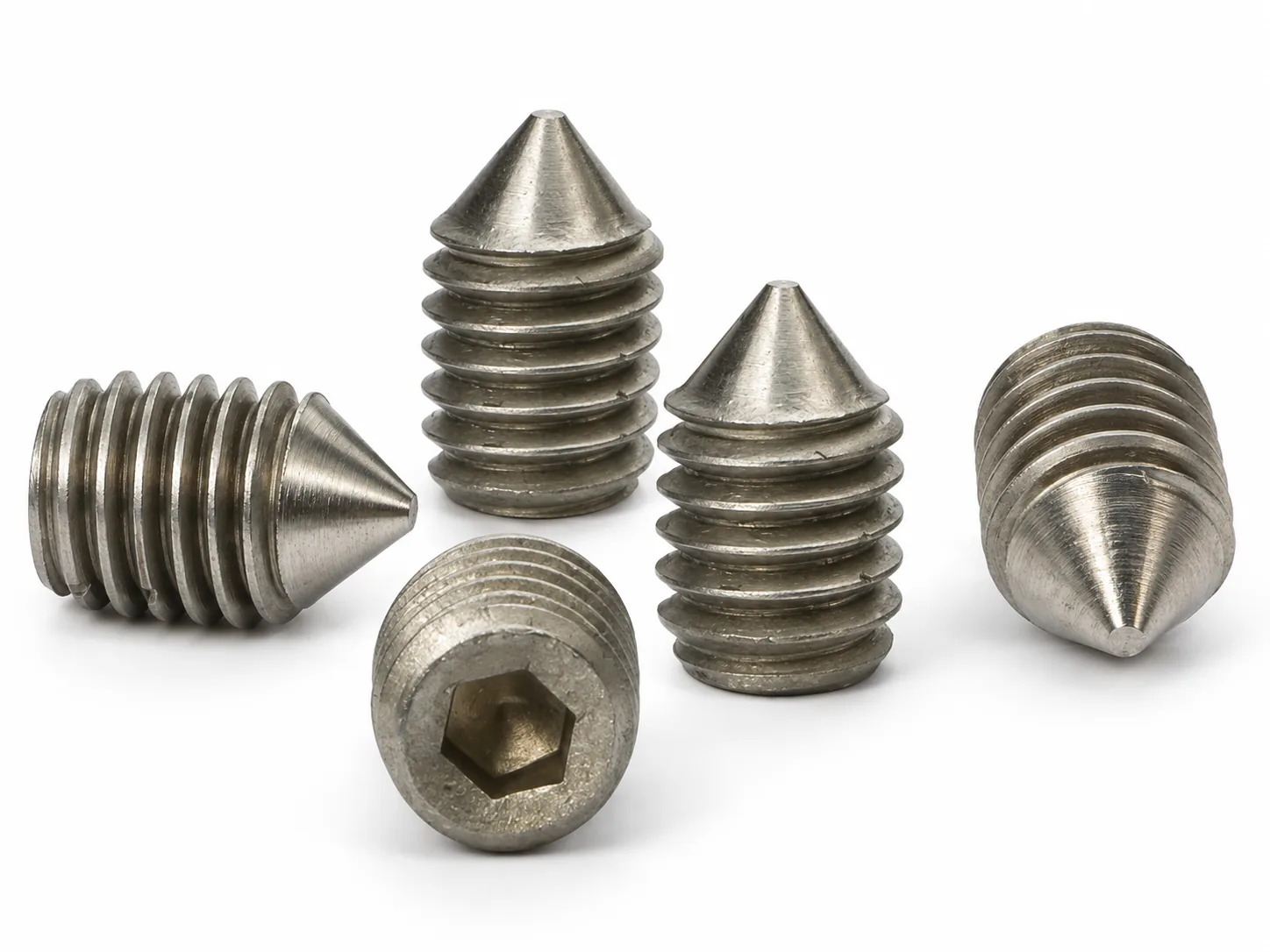
Titanium Set & Grub Screws
Headless titanium set and grub screw configurations can be evaluated for positioning, locking or adjustment where installation space is limited.
Select by point style, drive, thread fit, mating surface, locking method and installation torque requirement.
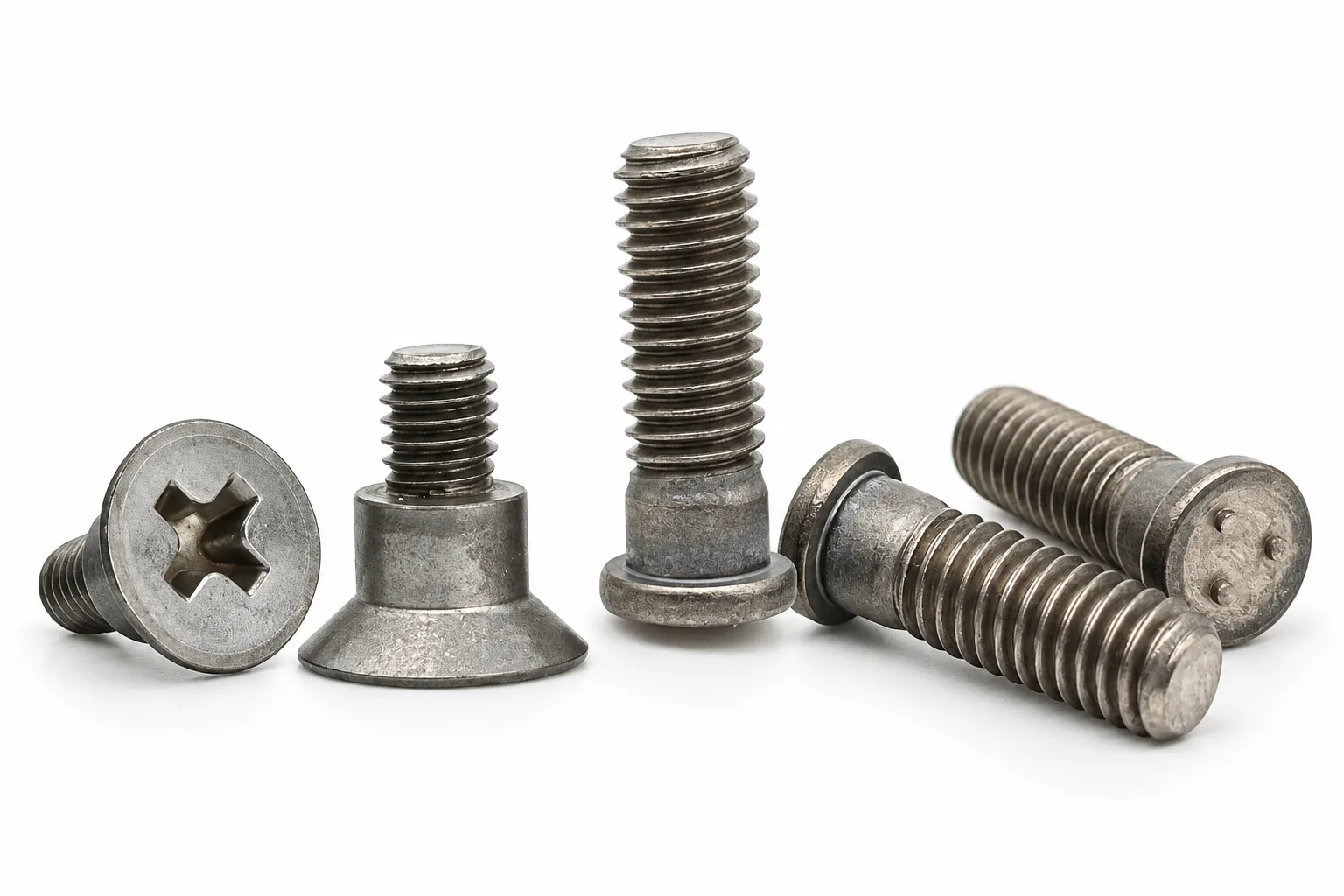
Titanium Shoulder & Stepped Screws
Custom shoulder and stepped screws use one or more controlled shank diameters for positioning, spacing, support, alignment or movement in a mating assembly.
Select by shoulder diameter, shoulder length, step geometry, transition radius, concentricity and fit.
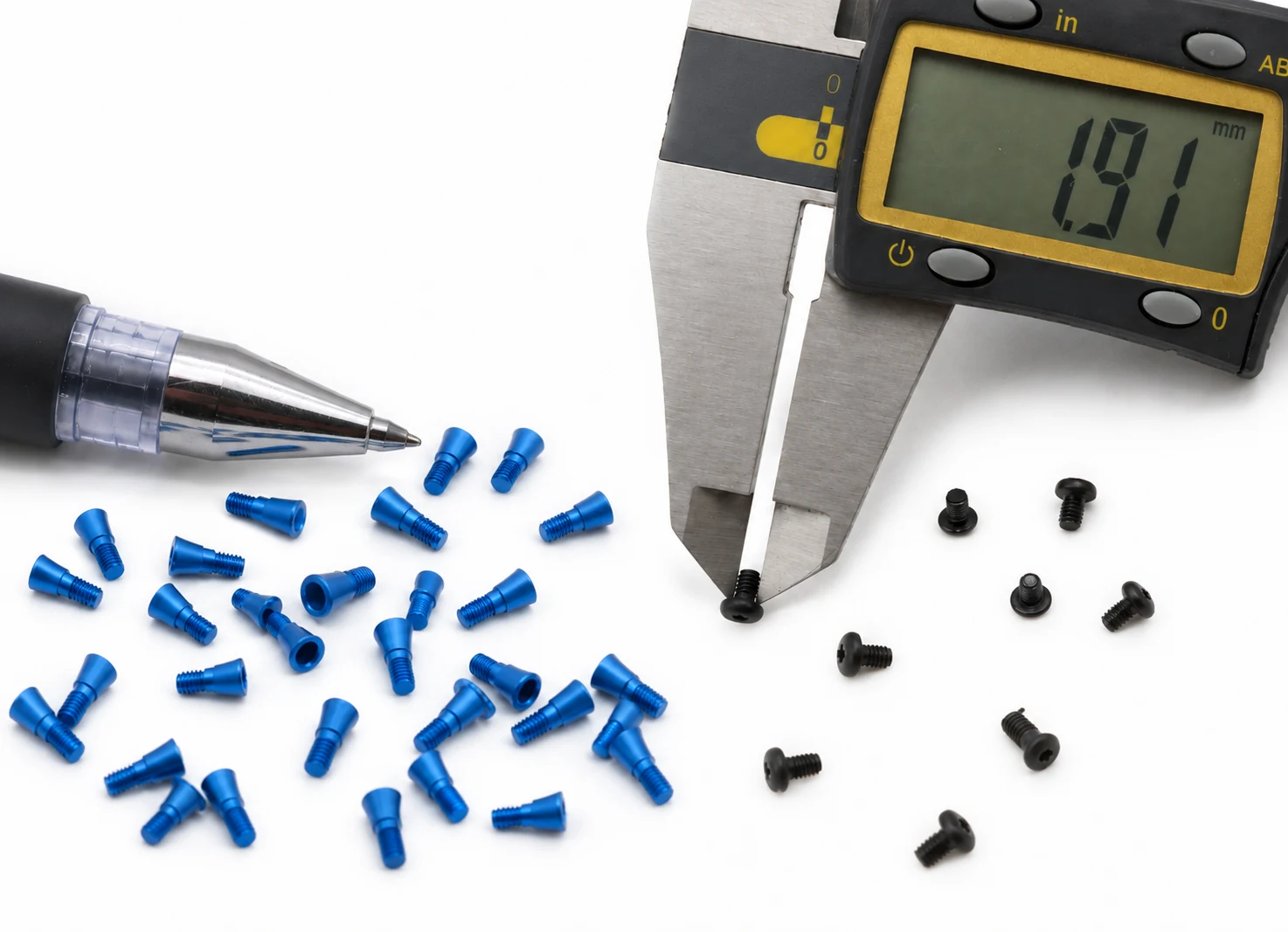
Micro & Precision Titanium Screws
Small-diameter, low-head and precision titanium screw designs are evaluated for tool access, drive integrity, minimum feature size, tolerance and inspection feasibility.
The general reference range for micro, shoulder, low-head and precision custom work is mainly M0.8–M16; titanium feasibility remains project-specific.
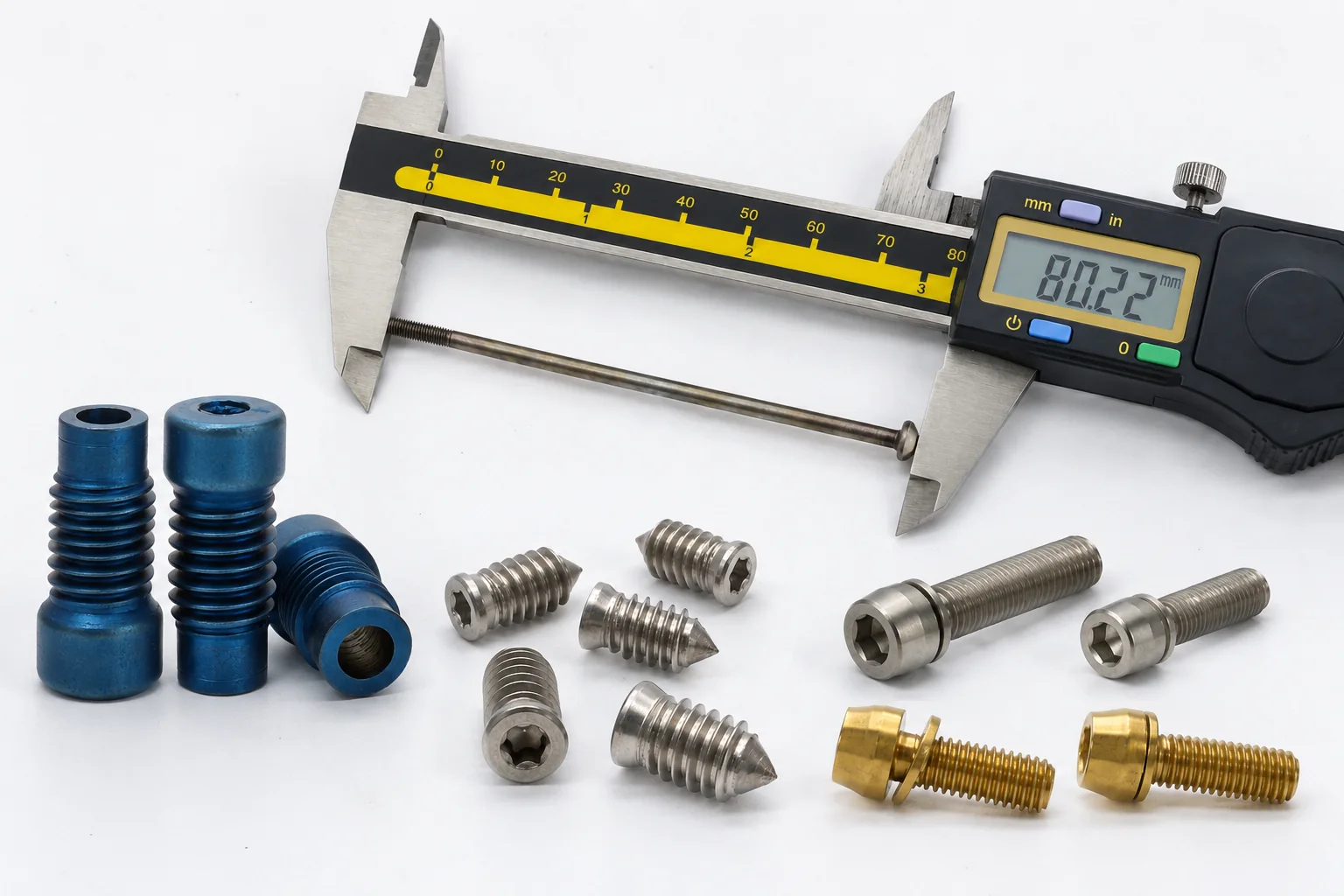
Long & Custom-Geometry Titanium Screws
Long-shank, partially threaded and special-geometry titanium screws can be developed for unusual length-to-diameter ratios, custom head forms, stepped shanks, grooves, holes or special ends.
Select by total length, straightness, shank profile, thread length, special features, grade and inspection method.
Do not see your configuration? Send the drawing. Special heads, drives, shanks, threads, points, holes and functional features can be reviewed as a custom titanium screw project.
Grade 1, Grade 2 or Grade 5 Titanium?
Choose the titanium grade from the applicable engineering standard—not from a generic material label. The grade affects corrosion behavior, strength, formability, machining, availability, documentation and cost.
| Material Route | General Selection Direction | Manufacturing Review | What the Buyer Must Specify |
|---|---|---|---|
| Grade 1 / GR1 / TA1 | Commercially pure titanium route considered where corrosion resistance and formability are important. | Review head deformation, wire or stock condition, thread formation, finish and critical dimensions. | Applicable standard, certificate requirement, service medium, dimensions and quantity. |
| Grade 2 / GR2 / TA2 | Commercially pure titanium route offering a different balance of strength, corrosion resistance and manufacturability from Grade 1. | Confirm the exact material condition and validate the selected process against the drawing. | Load, corrosion exposure, operating temperature, mating material and acceptance tests. |
| Grade 5 / GR5 / TC4 | Titanium alloy route considered where higher strength is required. | Higher forming difficulty may favor turning or CNC secondary machining for certain geometries. Do not assume every cold-headed design transfers directly. | Finished-part mechanical requirements, dimensions, tolerance, machining features and inspection plan. |
| Another Titanium Grade | Inquiry only; no default availability claim. | Engineering and sourcing review required before quotation. | Full material designation, governing standard, condition, certificate and annual demand. |
Grade names separated by slashes are project reference designations, not a declaration that different national standards are automatically equivalent. Exact chemistry, condition, certificate and availability must be confirmed before ordering.
A Lower-Density Fastener Option
Titanium density is typically approximately 4.43–4.51 g/cm³. For screws with the same geometry and dimensions, titanium is approximately 56%–58% of the weight of carbon steel. Weight is only one selection factor; strength, corrosion exposure, temperature, assembly behavior, manufacturability and cost must also be reviewed.
Configure the Features That Control Fit and Function
The quotation should be based on a controlled specification. Provide dimensions and tolerances for the features that affect assembly rather than relying on a product name alone.
Head Styles
Pan, flat or countersunk, button, socket cap, hex, flange, washer and custom-shaped heads.
Drive Types
Phillips, slotted, hex socket, six-lobe, Pozidriv, security-pin and reviewed custom drives.
Machine Threads
Metric, UNC, UNF and project-specified thread forms; provide pitch or TPI, tolerance class and gauging requirement.
Set-Screw Points
Flat, cup, cone, dog and other project-specified point forms are subject to material, size and process review.
Shank Geometry
Full or partial thread, reduced shank, shoulder, stepped diameter, long shank and local grooves.
Custom Features
Special tips, captive retention, washer assembly, locking concepts, sealing geometry, axial holes, cross holes and vent paths by review.
Critical Controls
Head height, recess depth, shoulder fit, transition radius, straightness, runout, concentricity, thread engagement and surface condition.
Do not specify “standard tolerance” for a functional feature. Identify the datum, tolerance, inspection method and assembly consequence so the manufacturing and control plan can be aligned.
Common Titanium Screw Risks—and How We Review Them
Material Name Without a Governing Standard
Galling or Thread Damage During Assembly
Color or Finish Specified by Appearance Alone
Tight Tolerances Assigned to Every Dimension
Manufacturing Route Selected for the Titanium Screw Design
Not every titanium screw follows the same sequence. The route is selected from geometry, material behavior, quantity, tolerance, surface requirements and the approved inspection plan.
Drawing & Application Review
Review the 2D/3D drawing or sample, assembly conditions, load, service environment, quantity and documentation requirements.
Material & DFM Evaluation
Confirm the titanium grade and standard, then evaluate forming ratio, head geometry, shank features, threads, tolerances and inspection access.
Process & Tooling Plan
Select single-die cold heading, multi-station forming, thread rolling, CNC secondary machining or a reviewed combination. Open-die forming is considered only for applicable long-screw projects.
Sample Development
Produce samples to the controlled drawing and record the dimensions or functional results agreed for approval.
Surface Treatment Coordination
Confirm substrate preparation, finish, color range, thickness, masking, thread fit and any required test before batch treatment.
Controlled Production & Inspection
Manufacture to the approved revision with incoming, in-process and final controls defined for the project.
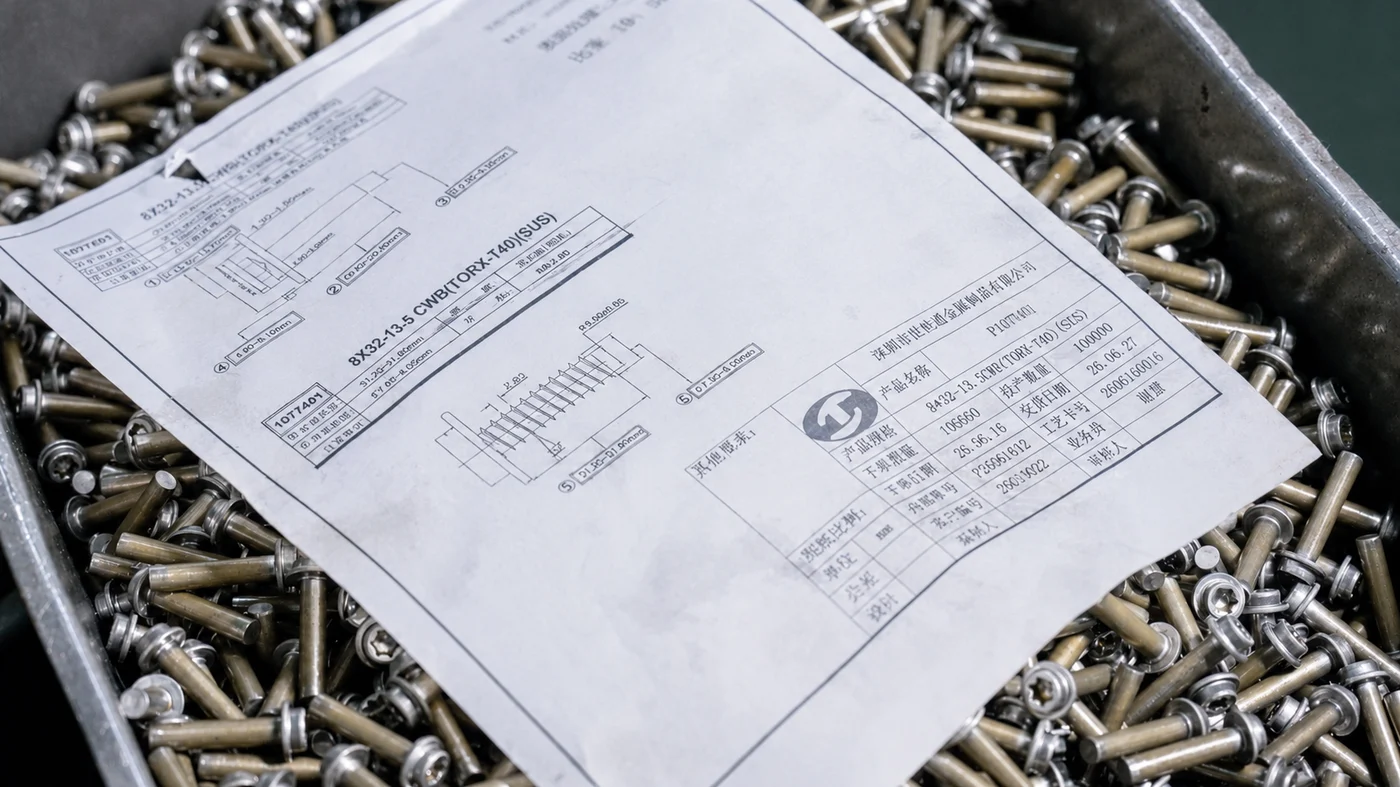
Engineering Decisions Before Tooling
A producible titanium screw starts with the relationship between material, geometry and quantity. The engineering review identifies which features can be formed, which require secondary machining and which acceptance points must be measured on the finished part.
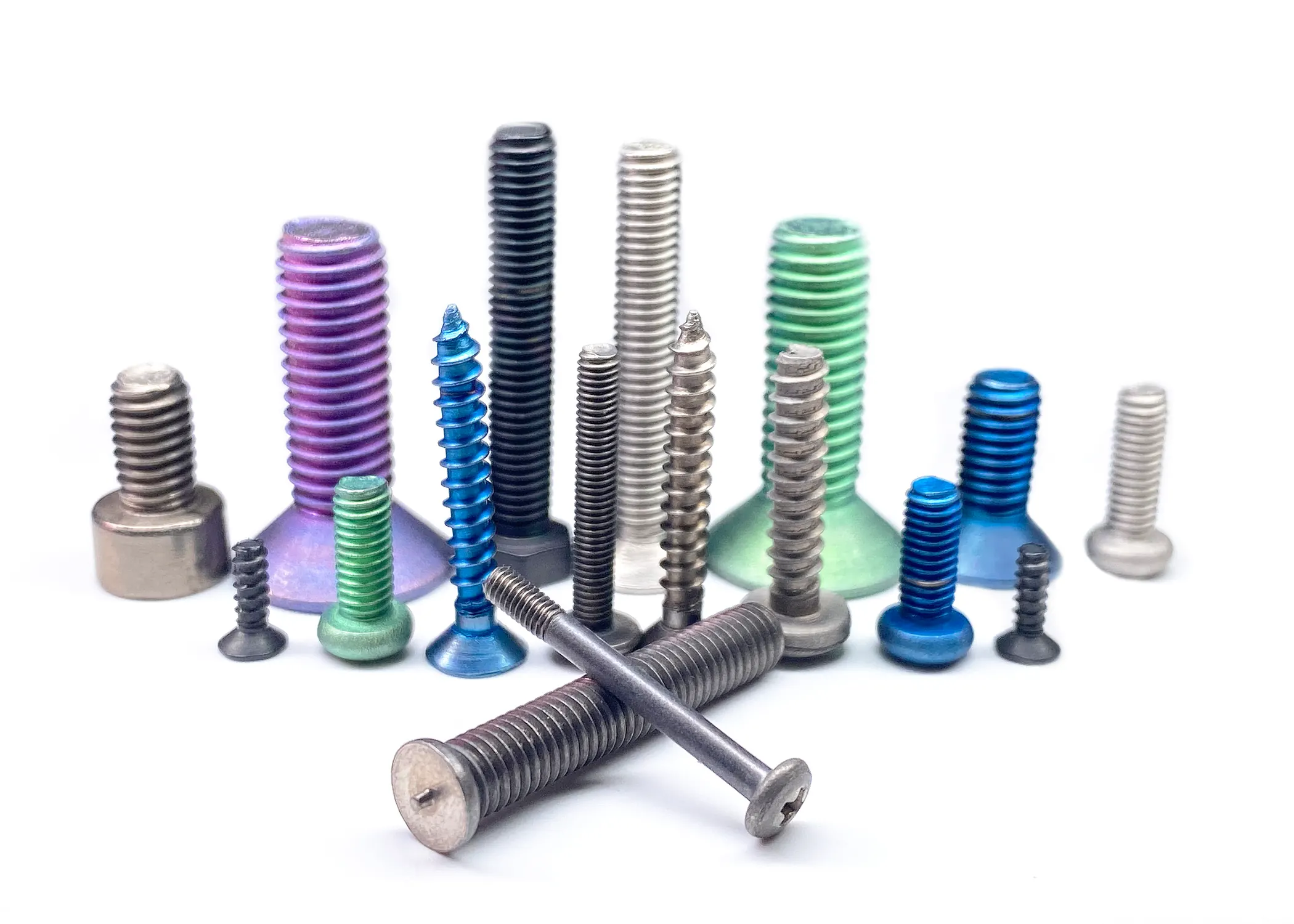
Titanium Surface Finish Options—Confirmed by Sample and Specification
Surface treatment must be selected for the exact titanium grade, geometry and assembly. Availability does not mean that every color, thickness or performance target is achievable on every screw.
-
Passivation
Reviewed for the specified titanium grade, surface condition and cleanliness requirement.
-
Anodizing
Used for controlled appearance options; color feasibility and acceptable variation must be agreed from a sample or approved range.
-
Micro-Arc Oxidation
Evaluated where this treatment is specified; thickness, appearance, fit and validation requirements must be defined.
-
Gold Plating
Available for reviewed projects with a defined underlayer, thickness, functional purpose and acceptance method.
-
Electrophoresis
Evaluated against adhesion, coverage, color, thread fit and service conditions.
Shi Shi Tong does not promise an exact arbitrary color from a color card without process and sample validation. PVD and sandblasting are not presented as default titanium recommendations on this page.
Titanium Screws vs. Stainless Steel: Select by the Actual Environment
Titanium is not automatically the better choice for every marine, outdoor or construction assembly. Compare the exact titanium and stainless grades together with the load, exposure, mating materials, installation method, maintenance and budget.
| Decision Factor | Titanium Review | Stainless Steel Review |
|---|---|---|
| Weight | Lower density; useful where fastener mass contributes to the assembly target. | Higher density, often with broader standard-product availability. |
| Corrosion Environment | Can be attractive for demanding corrosive conditions, but the exact grade, medium, temperature and galvanic couple still matter. | Performance varies significantly by stainless grade, finish, chloride exposure and crevice conditions. |
| Strength Route | Depends on titanium grade and finished-part requirements; Grade 5 is not interchangeable with commercially pure titanium. | Depends on stainless grade, condition and applicable fastener property class. |
| Manufacturing | Material behavior, forming difficulty, machining and tooling require early review. | Often easier to source in common grades and standard forms, but non-standard geometry still requires DFM. |
| Assembly & Cost | Review galling, thread pairing, tightening method, availability and lifecycle value. | Review galling, corrosion, preload and total installed cost; lower purchase price does not settle the engineering choice. |
For marine or construction exposure, provide the exact medium, temperature, wet/dry cycle, mating material, required service life, load and maintenance conditions. A material comparison without these inputs is incomplete.
Project Environments We Can Review
Corrosion-Exposed Equipment
Review the titanium grade, medium, temperature, galvanic contact, surface condition and required acceptance testing.
Weight-Sensitive Assemblies
Evaluate titanium against the total load, stiffness, fatigue, joining method, manufacturing route and cost target.
Precision Instruments & Automation
Review compact heads, shoulders, micro features, tool access, movement, alignment and inspection requirements.
Vacuum or Sealed Assemblies
Vented or sealing geometries may be evaluated from the drawing. No cleanroom, vacuum rating or low-outgassing claim is made without project evidence.
Aerospace-Related Projects
Inquiry only. Provide the drawing, governing specification, approved material and process requirements, traceability, testing and supplier-qualification criteria. This page does not claim aerospace certification.
Medical, Dental and Implant Requests
This page presents industrial custom titanium screw manufacturing. It does not claim that Shi Shi Tong supplies implantable medical devices, surgical bone screws or dental implant components. Any regulated medical inquiry requires a separate review of device classification, material standard, quality-system requirements, validation, traceability and legal responsibilities before it can be accepted.
How to Evaluate a Titanium Screw Manufacturer
A useful supplier review goes beyond asking whether titanium is available. Ask how the supplier controls the exact grade, converts the drawing into a manufacturing route, validates the finish and inspects the functional features.
- Can the supplier confirm the exact material standard, condition and certificate requirement?
- Will the quotation identify the proposed forming, thread-rolling and machining route?
- Are functional dimensions connected to a practical inspection method?
- Will surface treatment be approved by specification or sample rather than a generic color name?
- Can the supplier control drawing revision, sample approval, batch records and packaging labels?
- Are galling, mating material and tightening conditions reviewed before a torque recommendation is made?
- For regulated industries, can the supplier show the exact required approvals instead of making a general industry claim?
For a production titanium screw project, shortlist manufacturers that can review the drawing, verify the grade and documentation, explain the process route, define finished-part inspection and state capability limits clearly. A long catalog or a low unit price does not replace project evidence.

Inspection Planned Around the Approved Titanium Screw Requirements
Inspection points are selected from the drawing and the function of the part. Available project controls include dimensional measurement, thread GO/NO-GO inspection, pitch, depth, radius, angle, straightness, concentricity, optical measurement, hardness, torque, material verification and other agreed tests.
Material certificates, inspection records and third-party reports are supplied only where they apply to the selected material or project. Quality-system certificates are presented only after their current validity and scope have been verified.
Company-level operating figures from current Shi Shi Tong materials; individual project results depend on the approved specification and control plan.
The Team and Workshop Behind Your Titanium Screw Project
A drawing is only the starting point. Our team reviews the material grade, geometry, manufacturing route and inspection requirements, then carries the approved specification through sample review and production. See the people and working environment behind that process.
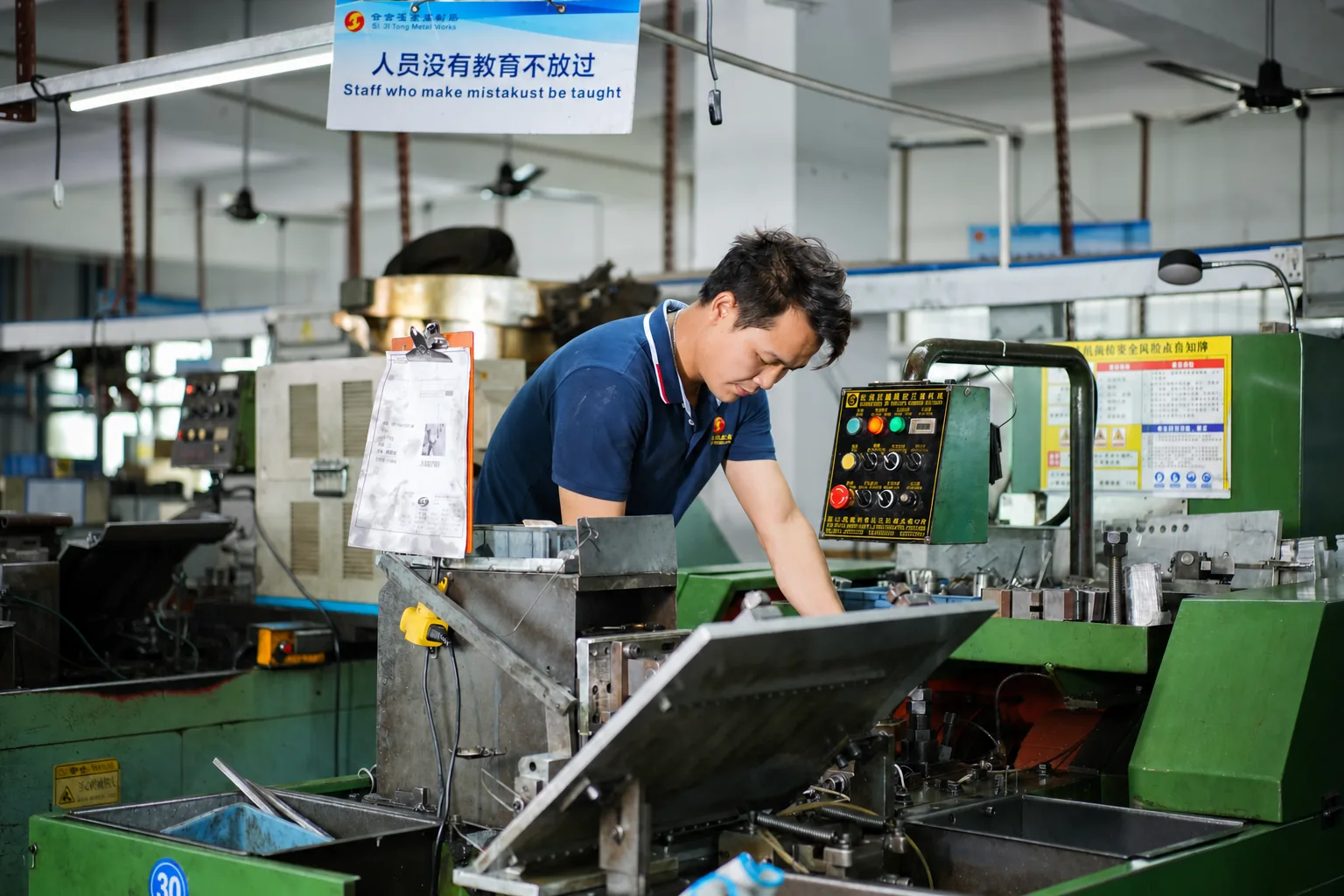
Manufacturing in Shenzhen
Our production floor is where approved screw designs are translated into practical forming and manufacturing steps. The route for a titanium project is selected against its geometry, material condition, quantity and critical dimensions.
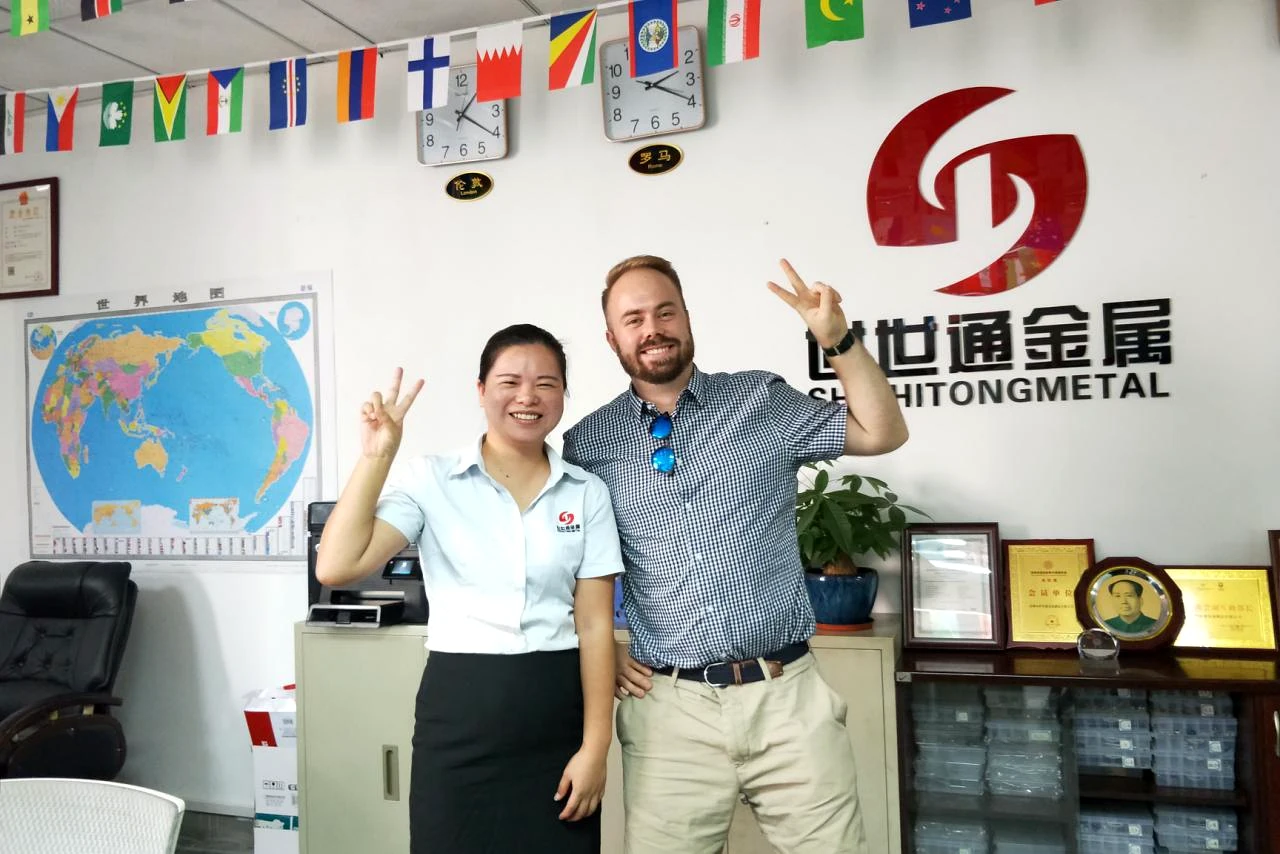
Discuss the Project With Our Team
Engineering and purchasing questions can be reviewed around the same controlled specification: the drawing revision, titanium grade, finish, critical features, inspection method and order quantity.
Project Records Matched to the Actual Order
The approved drawing, sample decision, inspection criteria, batch identification and packaging requirements are recorded for the project. Material certificates and third-party reports are supplied when they apply to the specified material and order—not used as blanket claims for every titanium screw.
Titanium Screw Questions from Engineers and Buyers
What titanium grades can Shi Shi Tong evaluate for custom screws?
What is the difference between Grade 2 and Grade 5 titanium screws?
Can you manufacture custom titanium screws from a drawing?
What sizes of titanium screws can you manufacture?
Can you manufacture titanium socket head and machine screws?
Can you manufacture titanium set and grub screws?
Can you manufacture titanium shoulder and stepped screws?
What finishes are available for titanium screws?
Are titanium screws better than stainless steel in marine environments?
How do titanium screws compare with stainless steel in construction?
How should galling and tightening torque be handled?
Can Shi Shi Tong supply aerospace titanium screws?
Do you manufacture titanium screws for medical or dental implants?
Do you sell small packs of titanium machine screws online?
What determines the price of a custom titanium screw?
What are the MOQ and lead time?
Upload Your Drawing for Material and Manufacturing Evaluation
Share the drawing or sample, titanium grade, application conditions, critical dimensions, finish, inspection requirements and expected quantity. Our team will review manufacturability, tooling, material availability and the proposed control plan before quotation.