Manufacturing Capabilities for Custom Screws
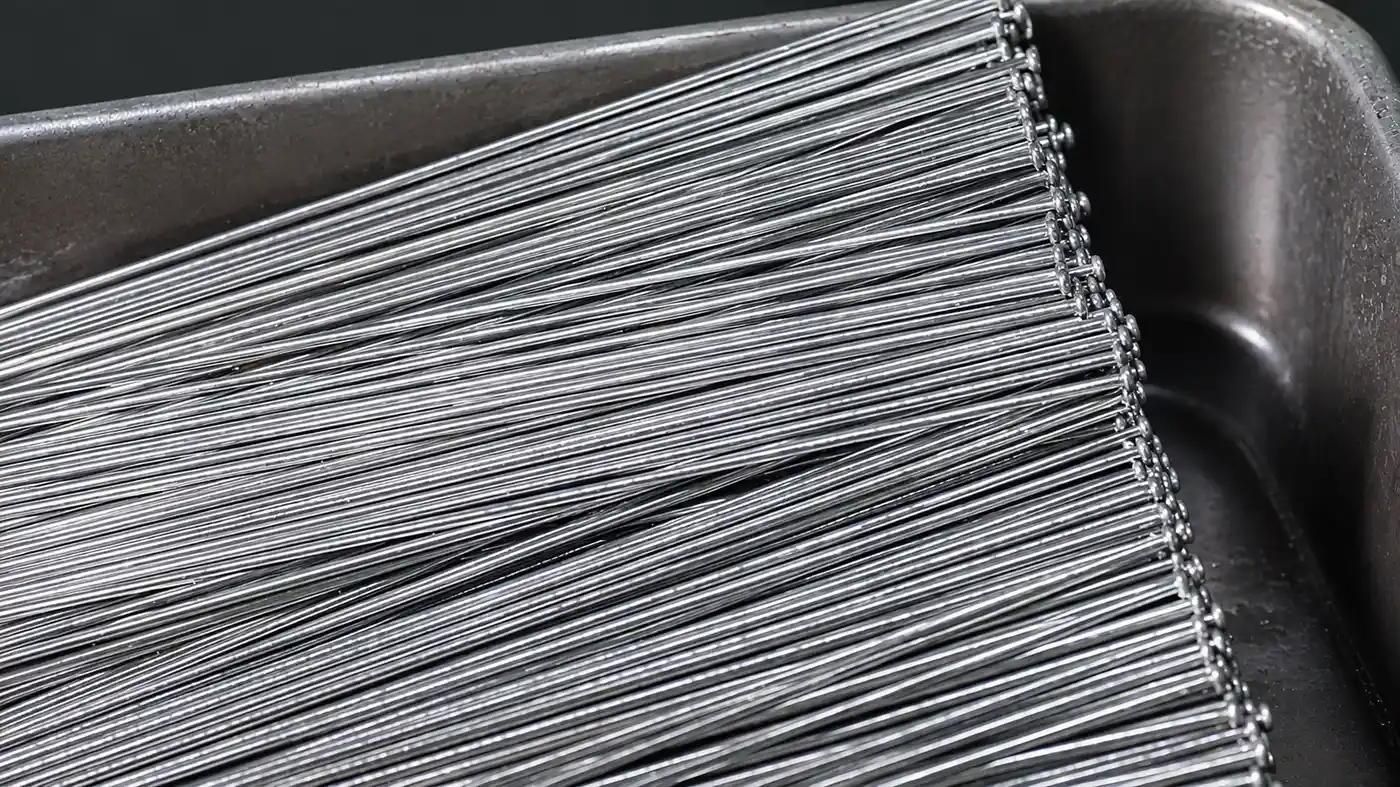
Shi Shi Tong manufactures custom screws from drawings, samples and assembly requirements. Depending on the part structure, the manufacturing route may combine cold heading, multi-station forming, thread rolling and CNC secondary machining, with project-specific inspection planned for repeatable production.
We focus on complex, non-standard and production-ready fasteners, not low-cost standard screw trading.
Built for Complex and Production-Ready Fasteners
Shi Shi Tong focuses on complex, made-to-drawing fasteners. Core products include extra-long screws, shoulder screws, custom screws, titanium screws, stainless steel screws, high-strength screws, micro screws, security screws, captive screws and other non-standard fasteners evaluated against the application requirements.
- Custom manufacturing based on 2D drawings, 3D files, samples, or assembly requirements
- Support for structural manufacturability analysis
- Evaluation of material, process, surface treatment, and inspection plans
- Focused on complex structures, special materials, long or small dimensions, stepped geometry and screws requiring CNC secondary machining
Core Manufacturing Processes
From cold heading strategy to secondary machining, thread rolling and surface finishing, we select the manufacturing route based on part geometry, tolerance and cost targets.
Single-Die Cold Heading
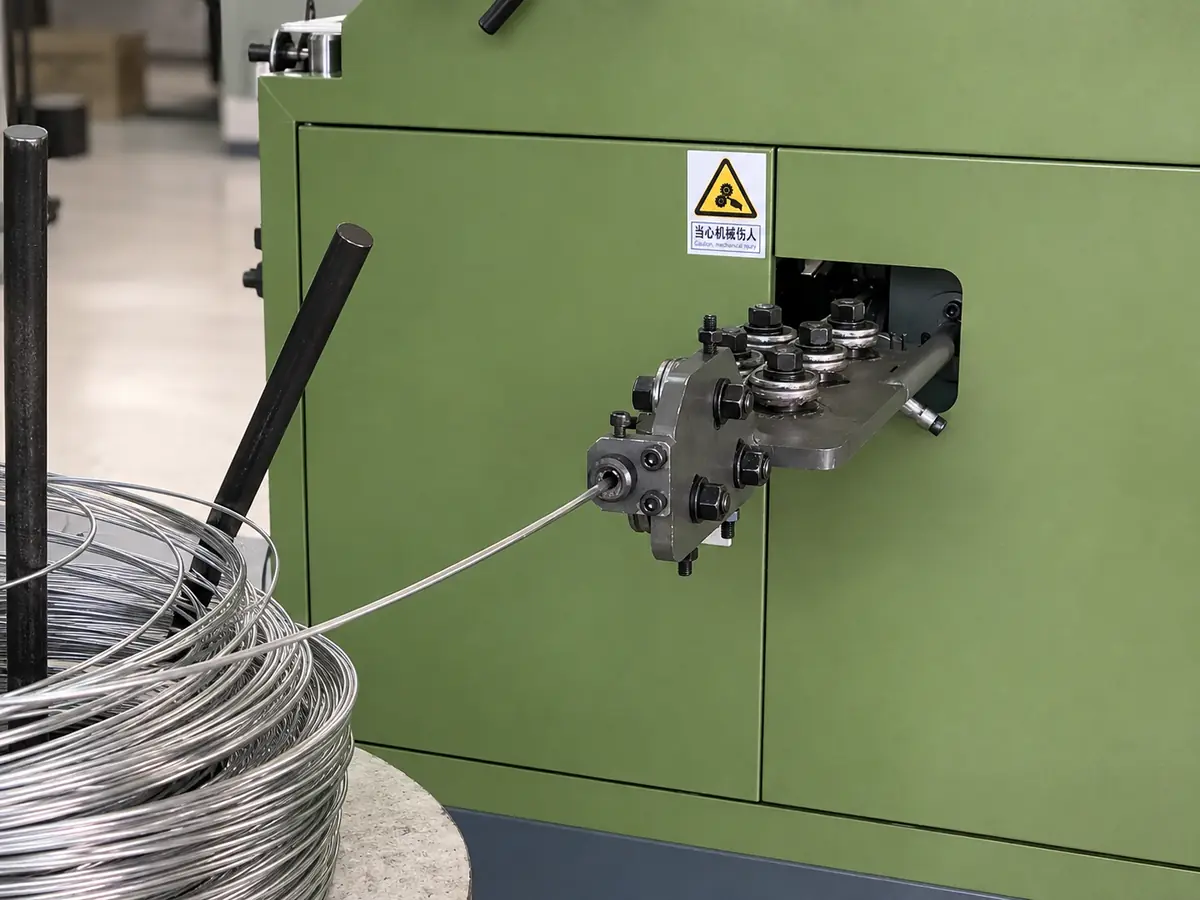
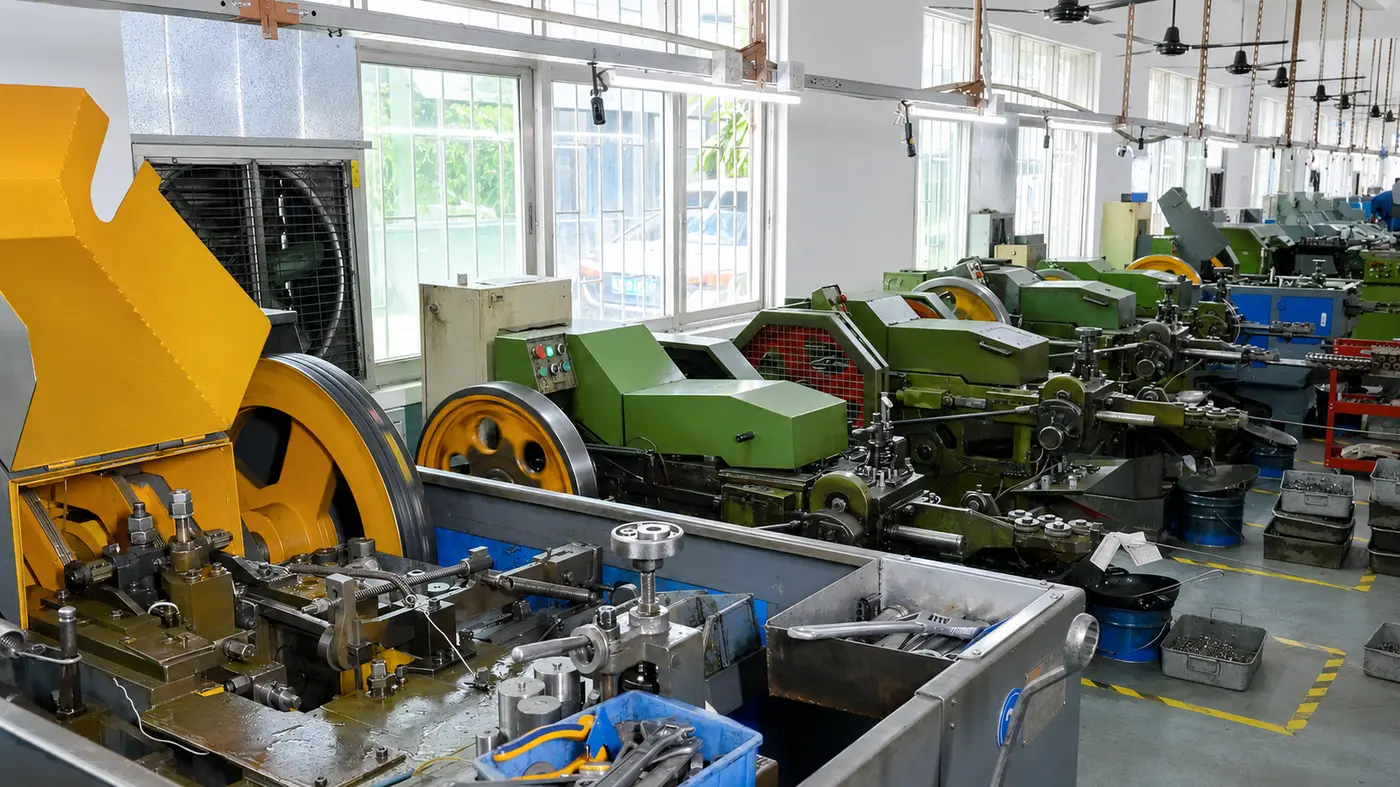
Single-die cold heading is evaluated for screws with relatively small head deformation and simple, standard geometries. It is primarily used for standard or near-standard screws. Following engineering evaluation, some suitable stepped screws can also be produced using single-die forming to help reduce production costs, though this depends entirely on the specific part structure.
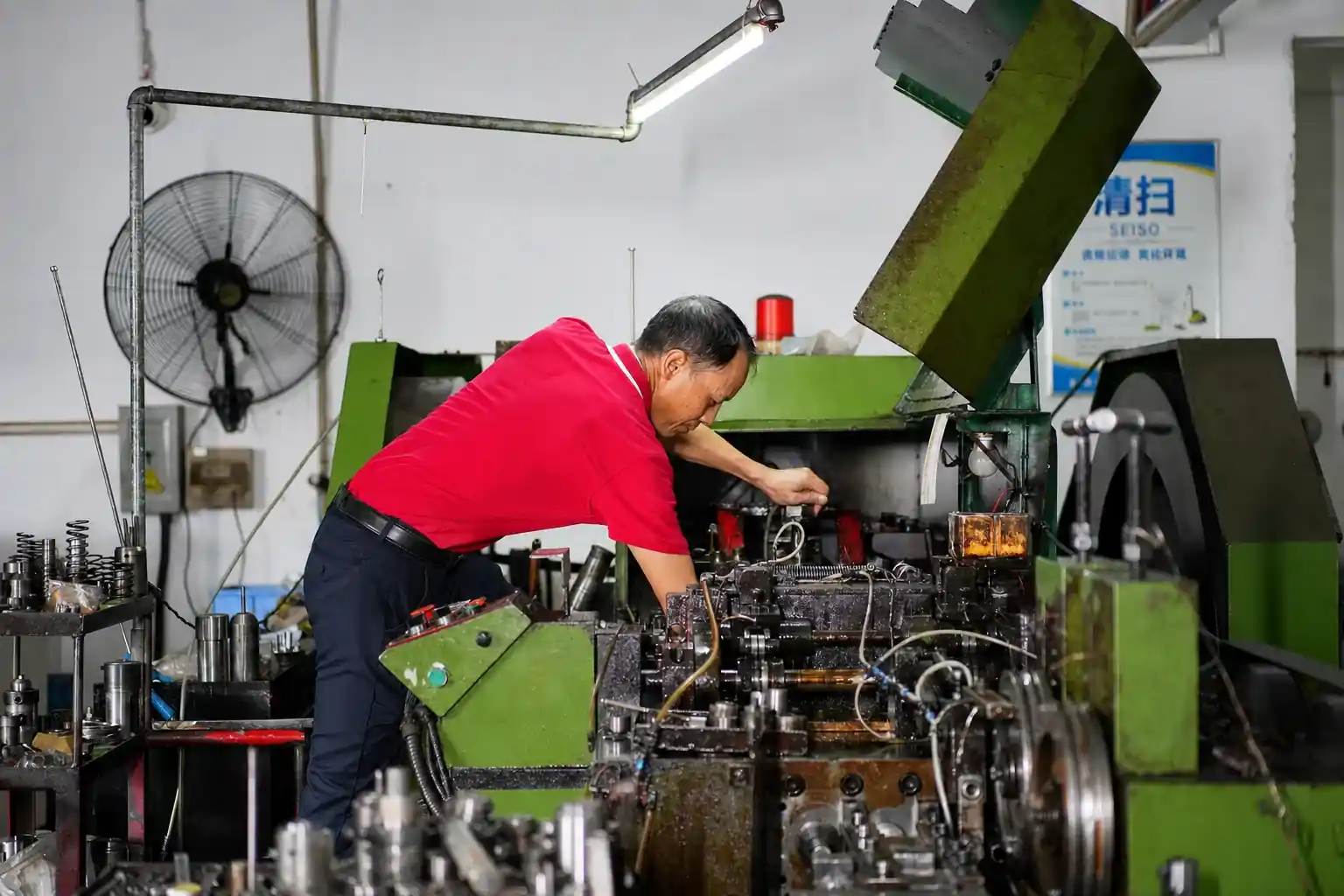
Multi-Station Cold Forming
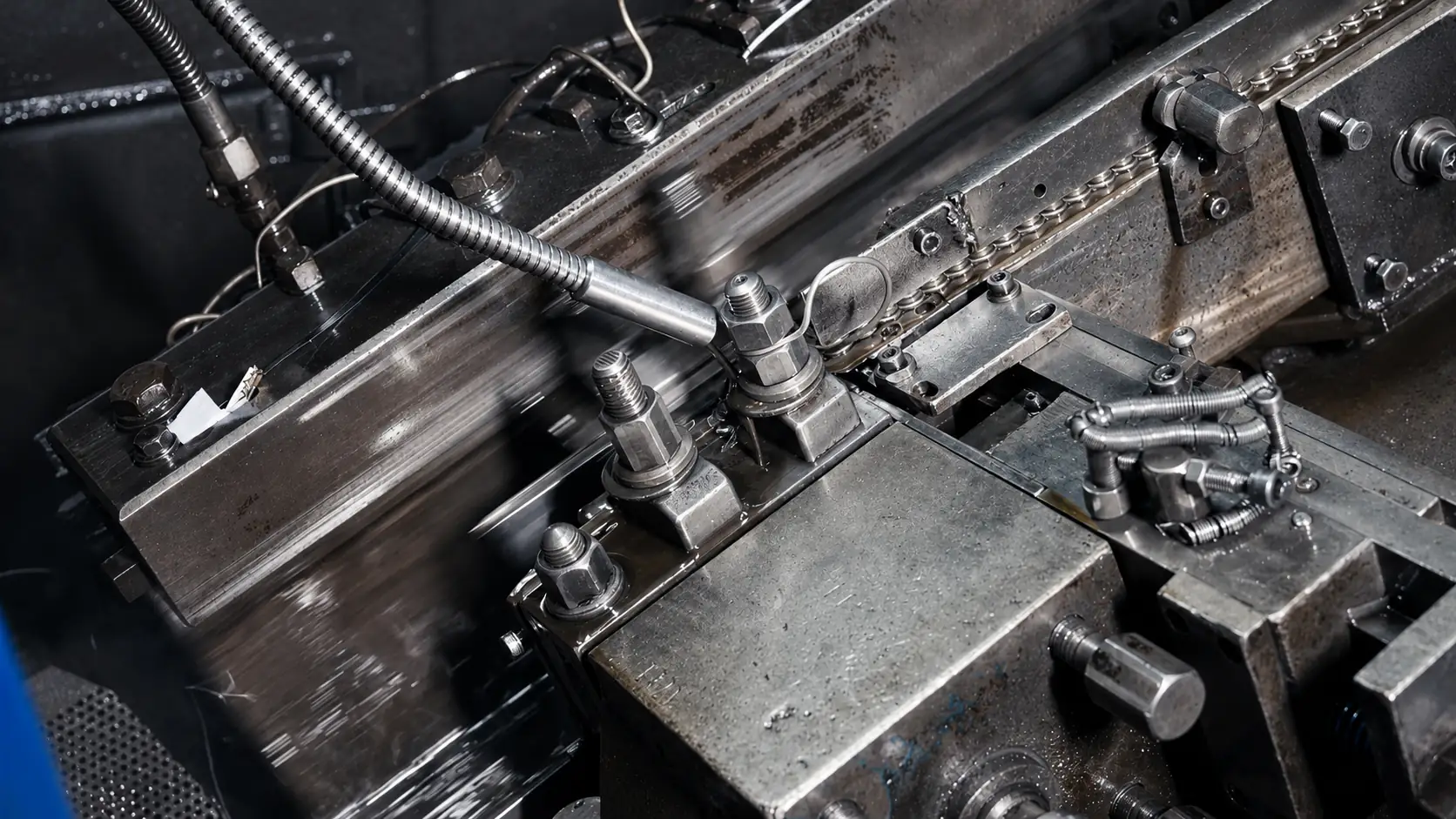
Multi-station cold forming is designed for products with significant head deformation—including structures requiring substantially greater head deformation, such as 2×, 3×, 4× or even 5× forming conditions depending on the part geometry. It is ideal for complex stepped screws, shoulder screws, multi-level forming structures, and fasteners with recesses or slots significantly deeper than standard designs. Material deformation is achieved progressively across multiple stations, ensuring precision for requirements that single-die cannot meet.
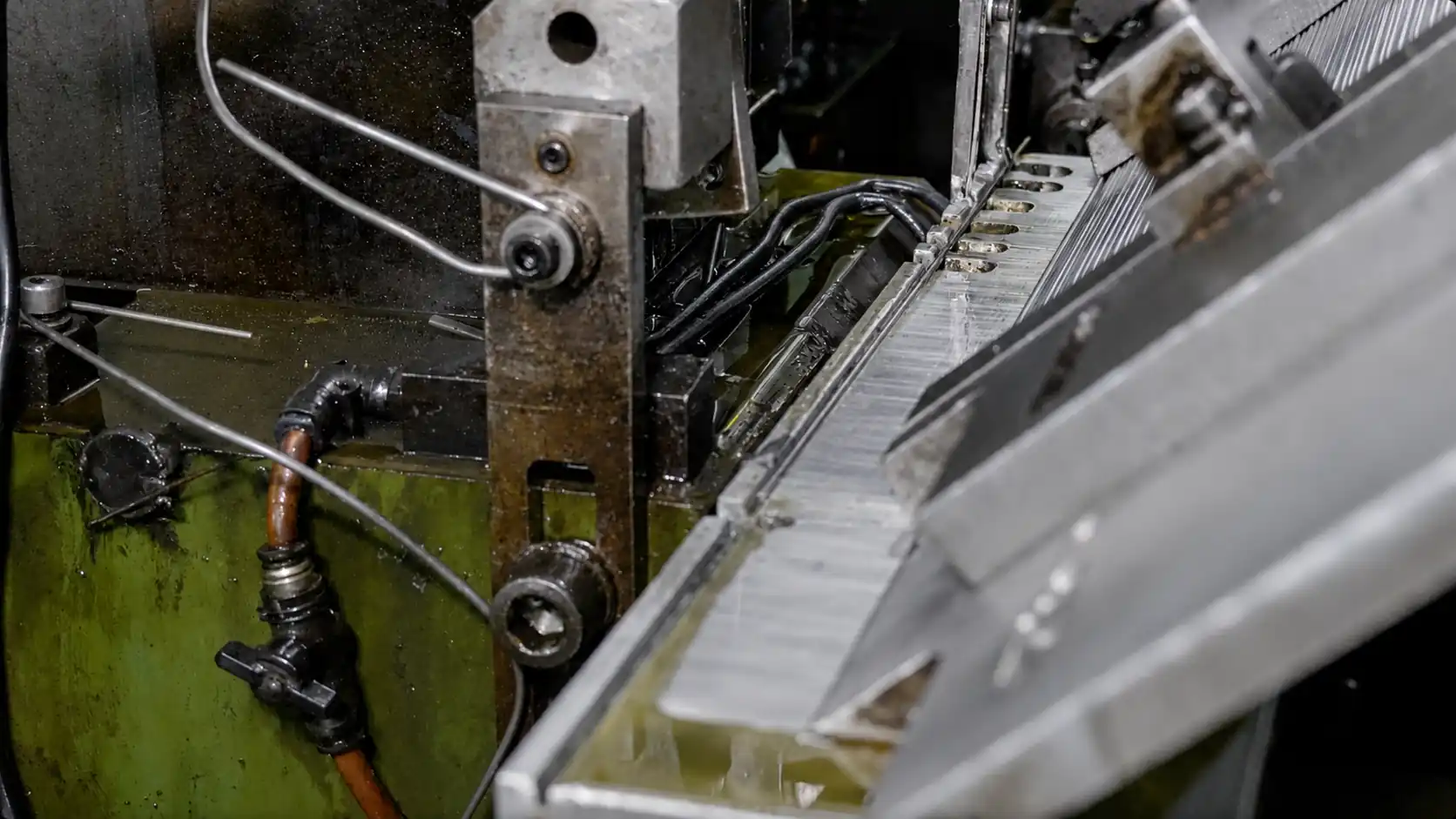
Open-Die Forming
Open-die forming is a specialized production route strictly dedicated to manufacturing extra-long screws that exceed the length capabilities of standard closed-die cold heading equipment. It resolves the manufacturing challenges of extra-long shanks, ensuring feasibility for length-specific projects. It is not intended for standard or general complex fasteners.
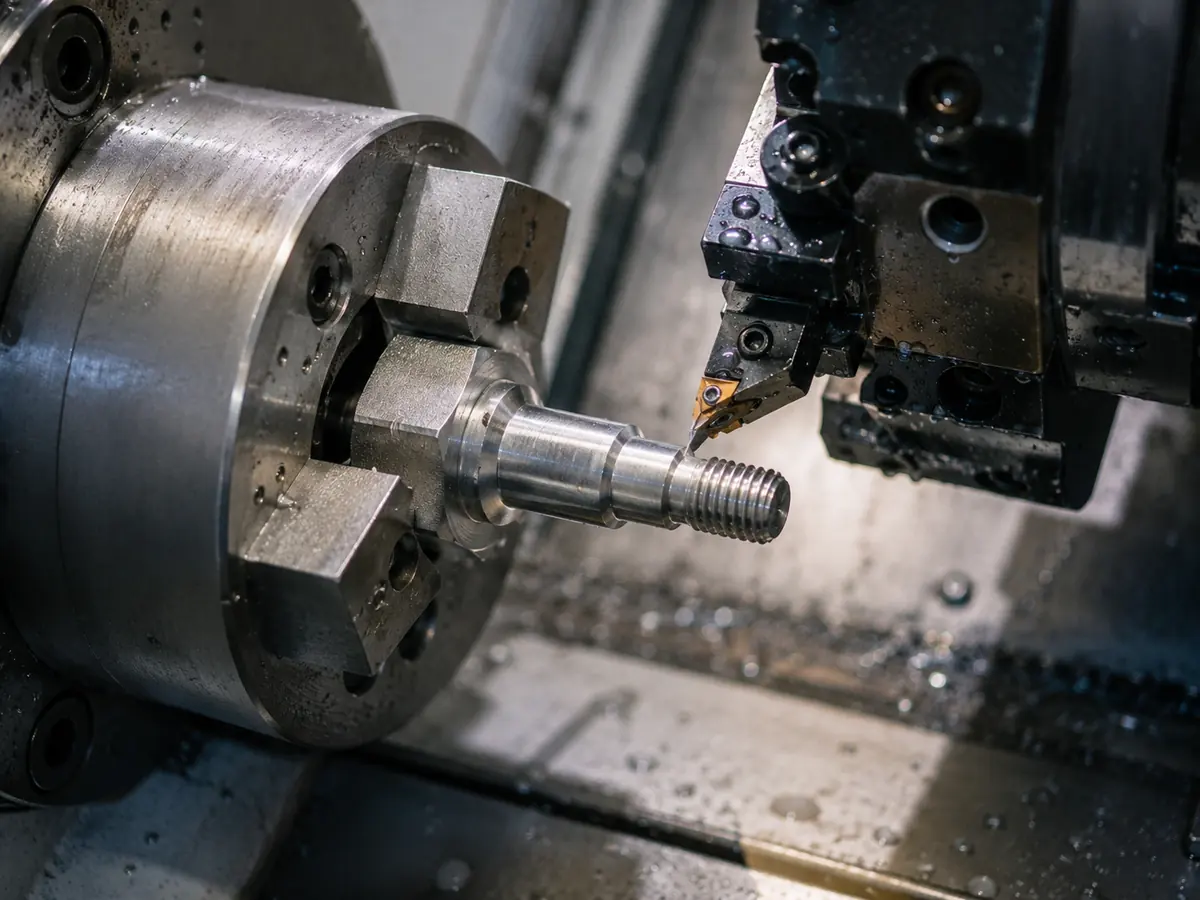
CNC Secondary Machining
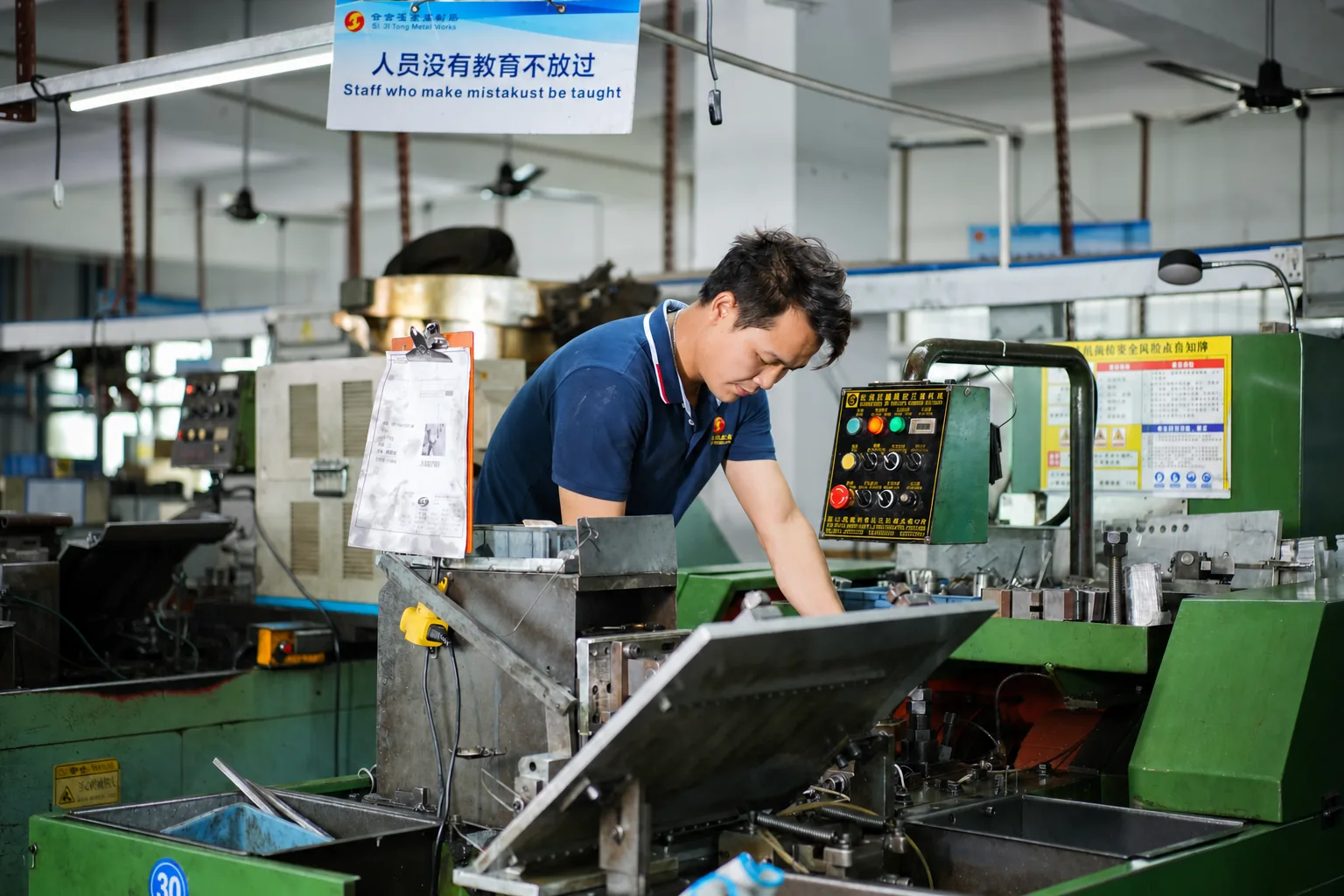
While some special screws were traditionally fully CNC machined, we prioritize cold heading for blanks and head structures to reduce CNC volume and overall costs. Secondary CNC machining is then applied only for finishing touches, local geometry, and strict tolerance control—such as head turning, outside-diameter turning, shank turning, and chamfering.
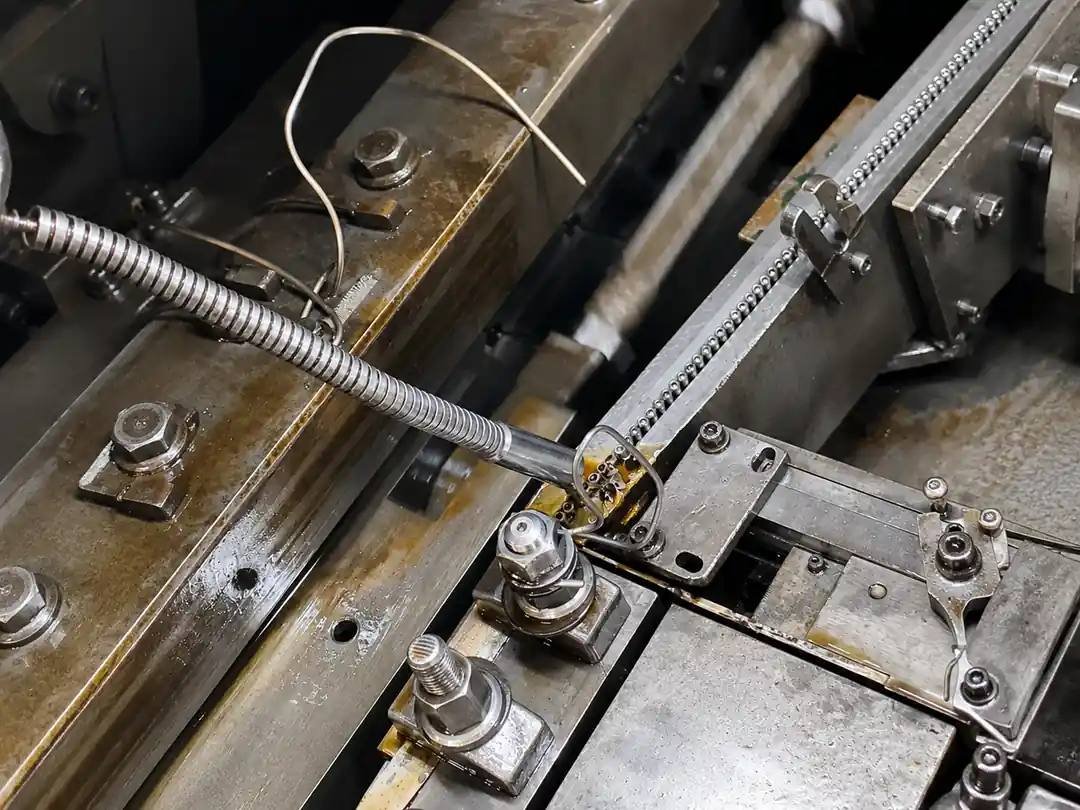
Thread Rolling
Executed after cold heading and necessary secondary machining, thread rolling forms external threads precisely to the customer's drawing. This critical process ensures the correct pitch, thread profile, effective thread length, fit, and batch consistency. It covers machine threads, self-tapping threads, and special threads based on confirmed engineering requirements.
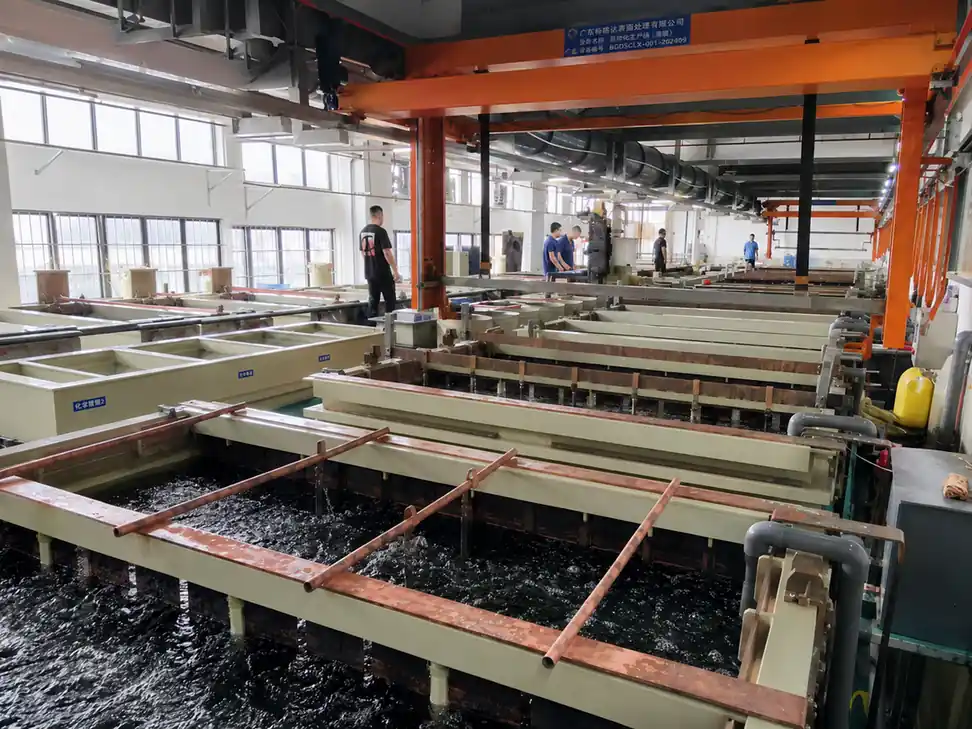
Surface Treatment
Positioned at the end of the manufacturing process, surface treatment is carefully selected based on the base material, corrosion resistance needs, appearance requirements, dimensional tolerances, and the final application environment. The ultimate solution is confirmed through engineering review and sample validation to ensure optimal performance.
Size, Structure and Thread Capabilities
| Capability Item | Shi Shi Tong Capability |
|---|---|
| Precision Custom Screws | Mainly M0.8–M16 |
| Extra-Long Screws | Mainly M1.4–M12 |
| Length Capability | Approx. 2–2000 mm, depending on structure and process |
| Custom Structures | Head type, drive type, thread, shoulder, stepped geometry, groove, plain shaft, through hole, vent hole and tail structure |
| Materials | Titanium, stainless steel, copper, aluminum, carbon steel |
| Thread Options | Machine thread, self-tapping thread, special thread profiles according to drawings |
| Tolerance Control | Reviewed according to drawing, material, structure and production process |
| Surface Finish | Confirmed by material, corrosion requirement, appearance and application environment |
All ranges should be confirmed by drawings, material, tolerance, quantity and application requirements. For complex screws, manufacturability review is recommended before quotation.
Equipment and Process Capability
| Equipment / Process | Capability | Suitable Products | Production Value |
|---|---|---|---|
| Single-Die Cold Heading | Blank, head and suitable basic geometry forming | Custom, long and non-standard screws within the confirmed forming range | Repeatable production after project review |
| Multi-Station Forming | Complex heads, shoulders, stepped geometry and deeper drive features | Shoulder screws and complex custom fasteners | Controlled multi-stage geometry |
| Thread Rolling Equipment | External thread forming to the approved drawing | Machine screws, self-tapping screws, long screws | Stable thread profile |
| CNC Secondary Machining | Post-forming head, outside-diameter, shank, chamfer, groove, slot and hole machining | Formed screws requiring secondary features or precision control | Completes features that forming alone cannot achieve |
| Open-Die Forming | Length-specific forming route evaluated for suitable designs | Extra-long screws only | Supports selected extra-long screw programs |
| Secondary Precision Processes | Grinding evaluated only where the design and tolerance require it | Selected shoulder screws, non-standard screws and strict-tolerance projects | Project-specific dimensional refinement |
| 10+ Dedicated Inspection Equipment | Dimensional, appearance, thread and batch checks | Custom screws and fasteners | Supports stable production quality |
From Drawing Review to Controlled Production
Shi Shi Tong supports drawing review, sample development, tooling, trial production and batch manufacturing. MOQ and lead time depend on screw size, material, structure, tooling, surface treatment and order quantity.
| Project Type | MOQ and Schedule Review Basis |
|---|---|
| Standard-type screws with existing tooling | Confirmed from the drawing, available tooling, material, finish, quantity and production schedule |
| Non-standard screws requiring tooling | Evaluated from geometry, tooling development, sample validation, material, finish and required quantity |
| Long screws | Confirmed after length, diameter, material, forming route, tooling and order quantity review |
| Extra-long screws | Confirmed by drawing and production conditions |
| Parts requiring CNC secondary machining | Confirmed after machining features, tolerances, inspection plan, material and production quantity review |
| Samples | Sample quantity and schedule are confirmed after the drawing, tooling, material and inspection requirements are reviewed |
No fixed MOQ or lead time is promised on this page. Final quantity requirements and schedules are confirmed after reviewing the drawing, geometry, material, tooling status, surface treatment, inspection needs and production schedule.
Engineering Support Before Production
Drawing Review
Review 2D drawings, 3D files, tolerances, threads, head type, drive type and critical dimensions before quotation.
Sample Evaluation
Evaluate samples when drawings are incomplete, including structure, material, thread, finish and assembly function.
Manufacturability Analysis
Evaluate whether the design is suitable for single-die cold heading, multi-station or open-die forming, thread rolling, CNC secondary machining or a combined route. Grinding is considered only for selected strict-tolerance projects.
Material Recommendation
Recommend titanium, stainless steel, copper, aluminum or carbon steel based on strength, corrosion, weight, conductivity and cost requirements.
Surface Treatment Advice
Suggest suitable finish options based on corrosion resistance, appearance, wear, conductivity and application environment.
Batch Production Planning
Plan tooling, trial production, process route, inspection points and delivery schedule for repeat orders.
Manufacturing Workflow
Drawing & Requirement Review
Review drawings, samples, assembly conditions, material, quantity, tolerances, surface treatment and functional requirements.
Manufacturability Evaluation
Evaluate geometry, critical tolerances, material, assembly risks and inspection feasibility, then define a suitable forming, thread rolling and CNC secondary machining route.
Material Preparation
Prepare titanium, stainless steel, copper, aluminum, carbon steel or specified materials.
Tooling / Setup
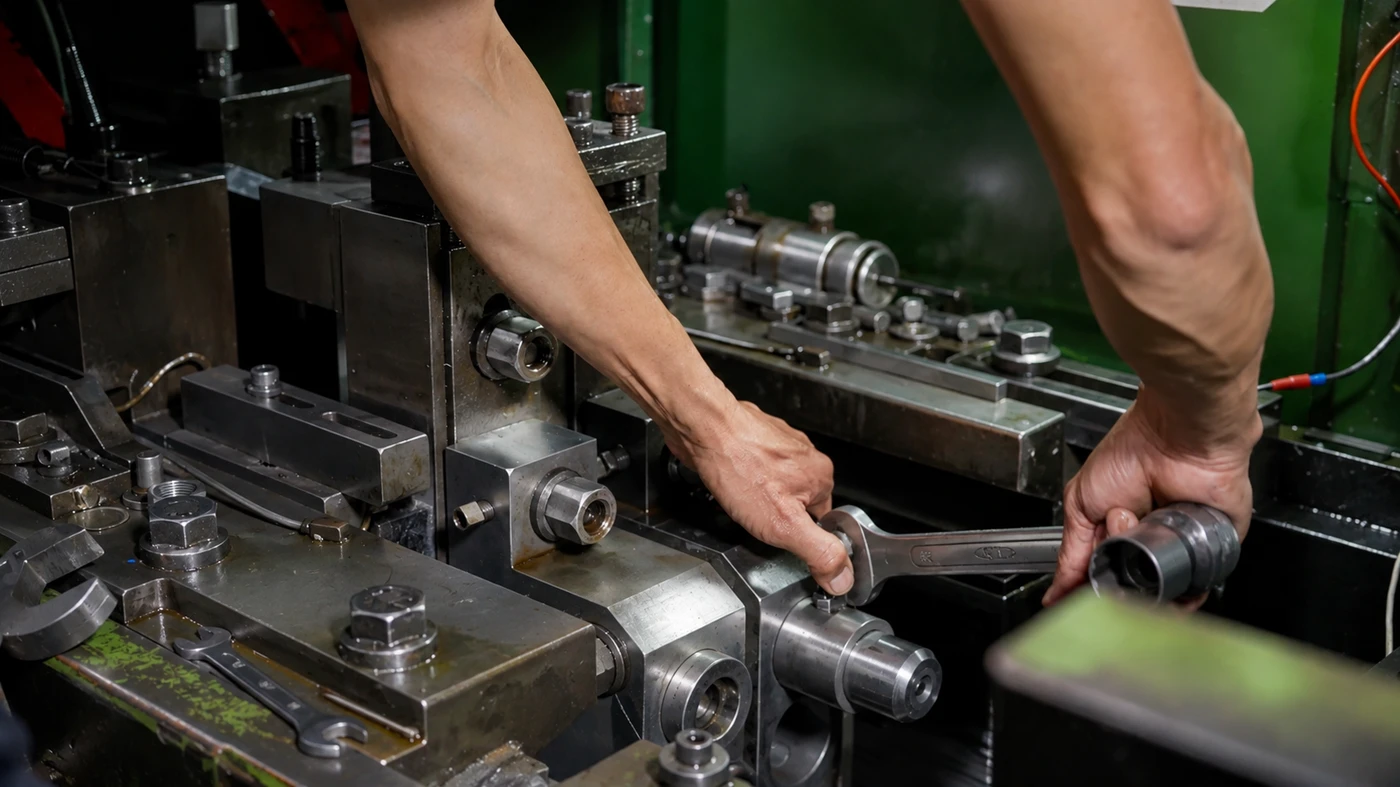
Prepare tooling, dies, fixtures or machine setup according to product structure.
Forming / Machining
Complete the approved route using single-die cold heading, multi-station or open-die forming and CNC secondary machining where required.
Thread Processing
Form and verify external threads according to the approved drawing and inspection plan.
Surface Treatment
Arrange plating, passivation, anodizing, black oxide or other treatments according to project needs.
Inspection
Check dimensions, thread, appearance, structure and batch consistency.
Packing and Shipment
Pack according to product size, surface protection, export needs and customer requirements.
Manufacturing Support for Demanding Applications
Many of these applications require special materials, corrosion resistance, long or small-diameter structures, anti-loosening performance, non-magnetic properties, precision threads or stable repeat production.
Production Capability Must Be Measurable
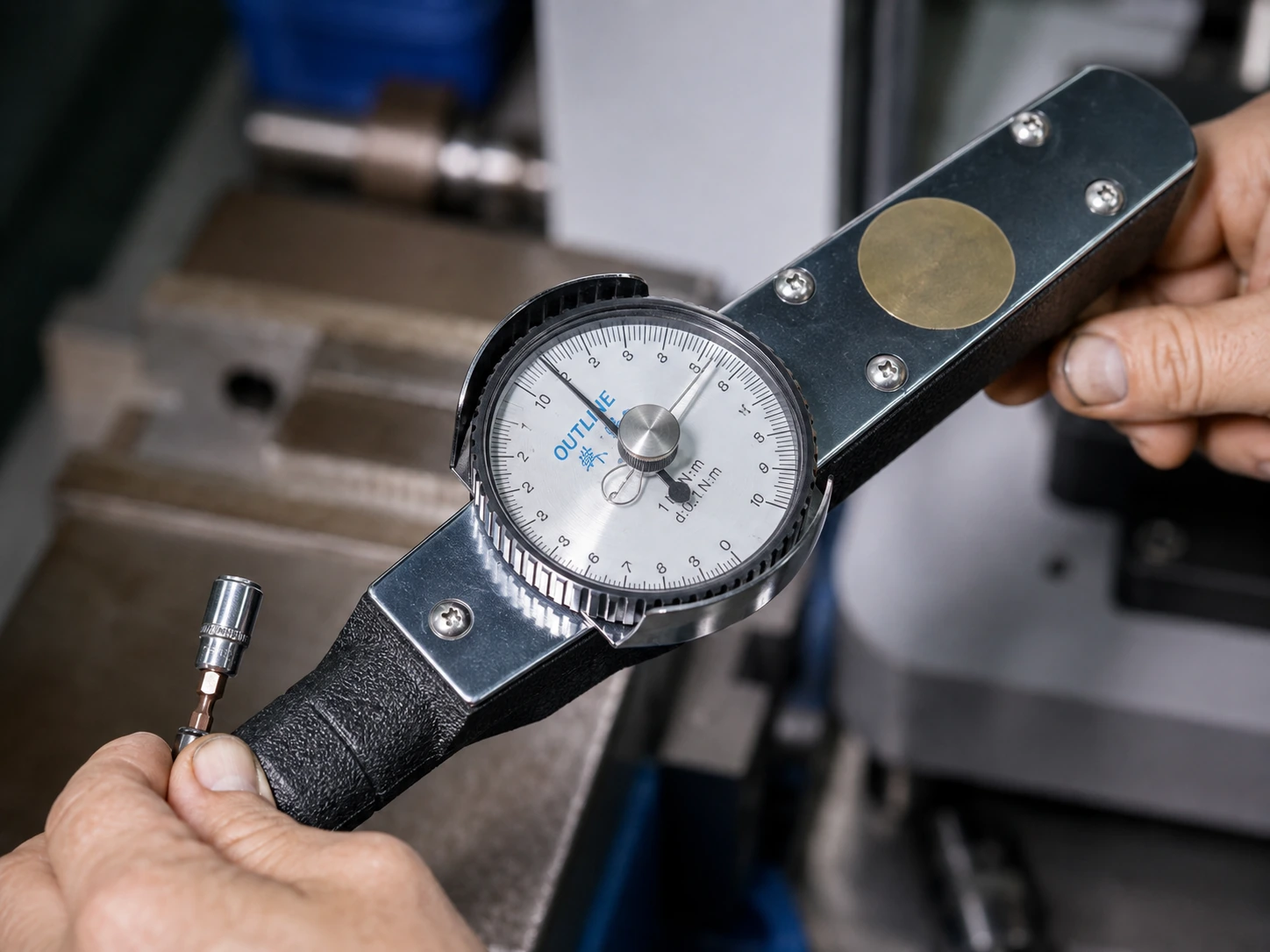
For custom screws, manufacturing capability is not only about making the shape. Key dimensions, thread fit, appearance, material batch, critical geometry and surface treatment must be checked during production to reduce variation between batches.
- First article confirmation
- Dimensional inspection
- Thread checking
- Appearance inspection
- Material and batch control
- Surface finish checking
- Final packing confirmation
Explore Related Capabilities
Custom Screws
For screws made from drawings, samples or assembly requirements.
Quality Control
See how custom screws are inspected before shipment.
Materials
Compare titanium, stainless steel, copper, aluminum and carbon steel.
Surface Finishes
Choose finishes for corrosion resistance, appearance and function.
Need a Custom Screw Manufacturing Review?
Send us your 2D drawing, 3D file, sample photos, material requirement, estimated quantity, tolerance, finish and application details. Our team will review the structure, manufacturing route, inspection needs, applicable quantity requirements, schedule and production feasibility before quotation.
Helpful files: 2D drawings, 3D files, samples, material grade, annual quantity, surface treatment, tolerance and application environment.