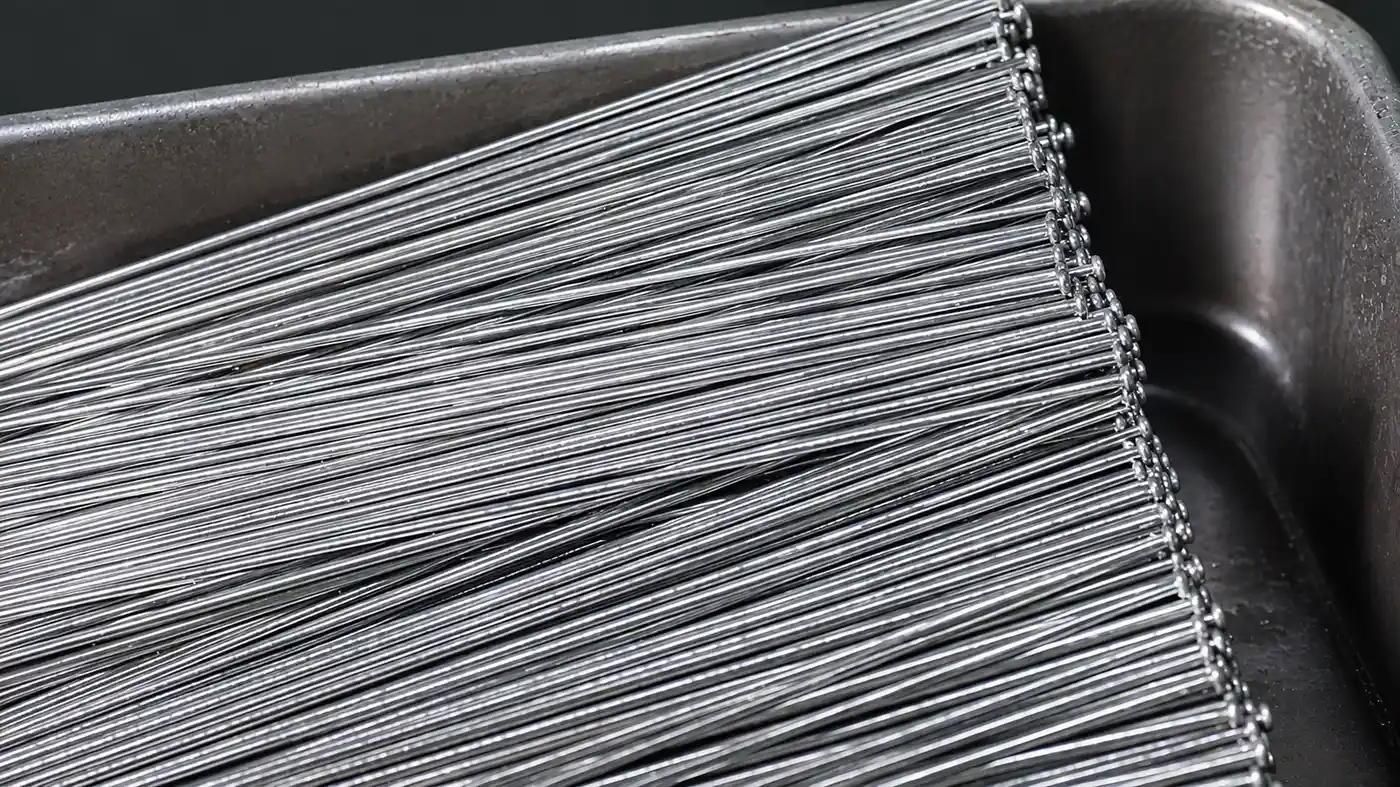

Custom Screws for Industry-Specific Applications
From motion-control assemblies and compact electronics to energy and corrosion-sensitive equipment, Shi Shi Tong develops custom screws around the drawing, mating parts, material, finish and inspection requirements of each project.
Extra-long, shoulder, custom, titanium, stainless steel, high-strength and miniature screw options are evaluated for the function of the finished assembly.
Industries and Equipment Applications
An industry name is only the starting point. Screw selection still depends on the required movement, load, available space, mating components, material environment, surface condition and inspection criteria.
Industrial Automation & Motion Control
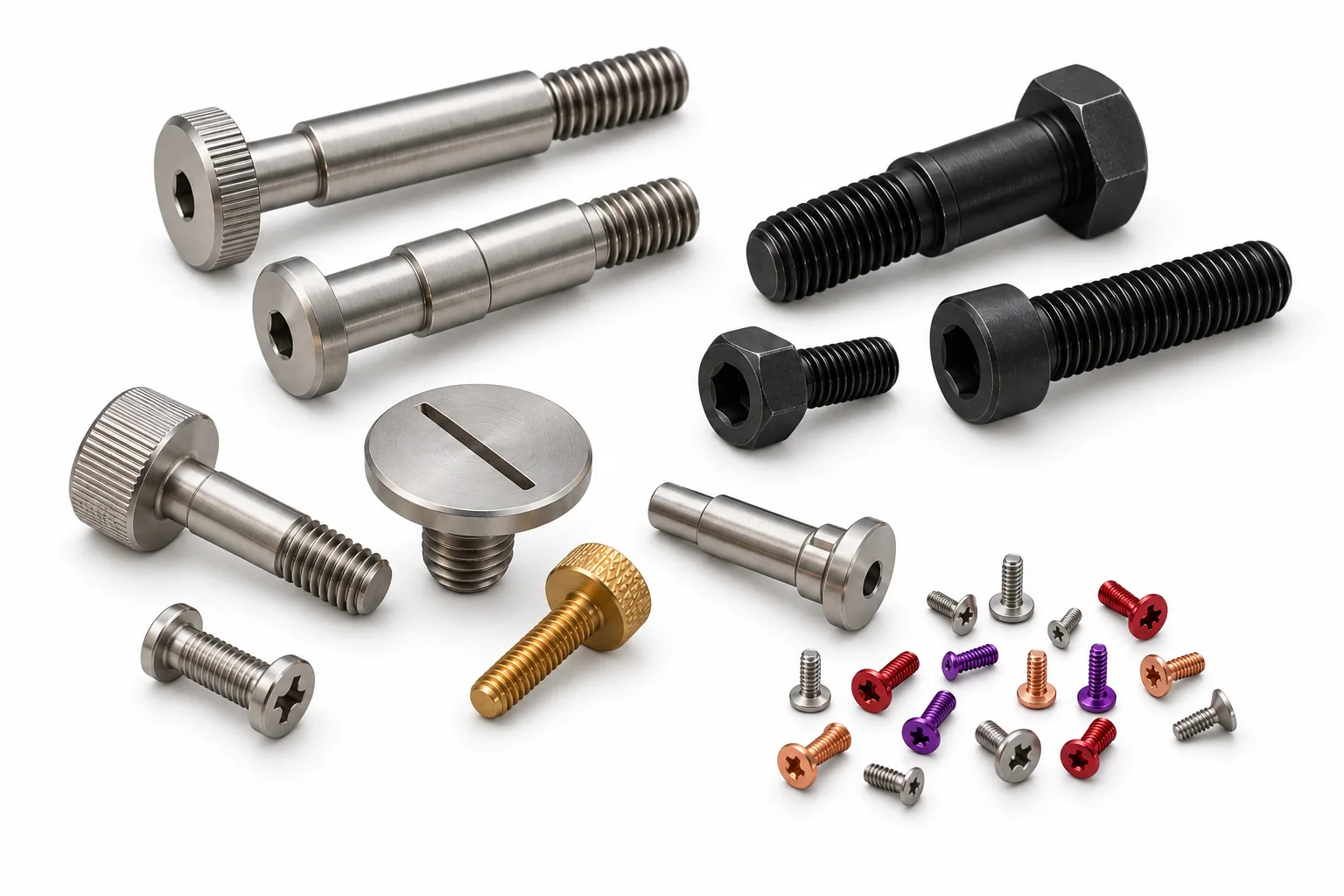
For motors, motion assemblies, hydraulic controls, robotics, self-service equipment and factory automation. Shoulder geometry, stepped shanks, retention features and repeatable thread fit are common selection considerations.
Energy Storage, Hydrogen & Power Systems
For battery modules, energy-storage equipment, inverters, photovoltaic systems, UPS equipment, fuel-cell systems and electrochemical assemblies. Material compatibility, strength, corrosion conditions and installation depth should be reviewed together.
Electronics, Communications & Precision Instruments
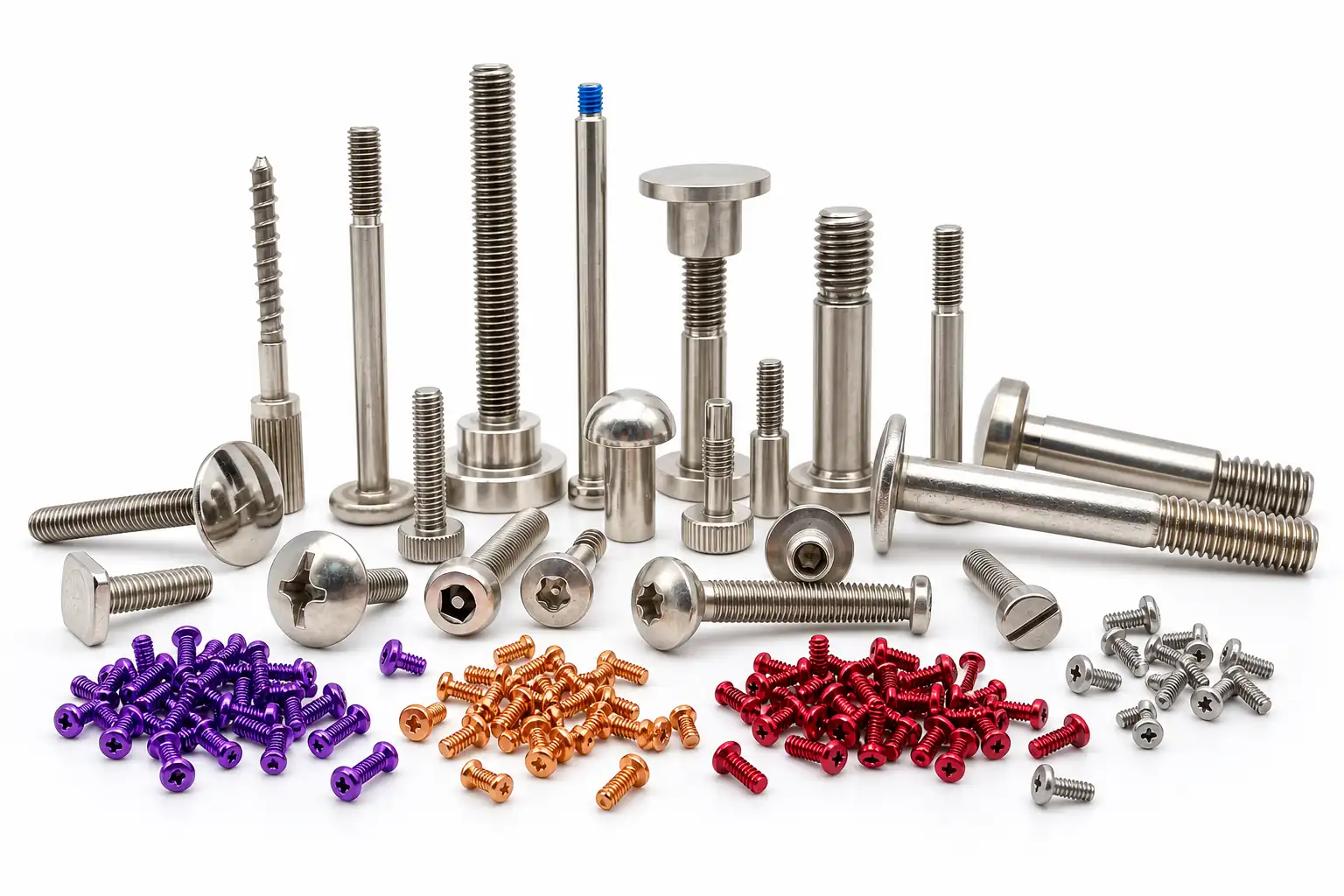
For electronic measuring instruments, sensors, test platforms, communication modules, compact housings and precision electronic assemblies. Head size, drive geometry, thread engagement and inspection access are often as important as nominal diameter.
Security & Smart Monitoring Equipment
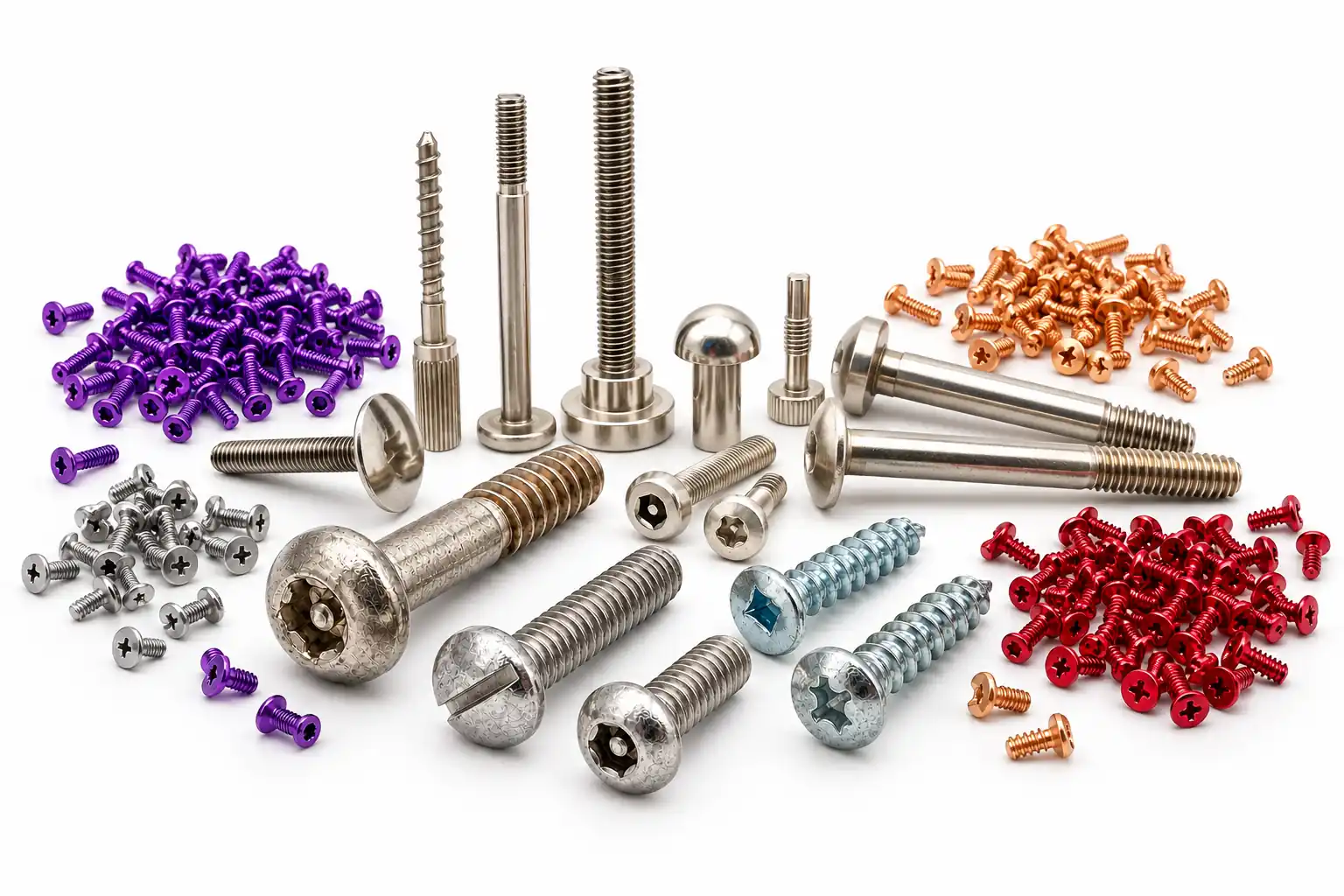
For alarm systems, video monitoring equipment, fire and life-safety assemblies, water-leak detection and environmental monitoring devices. Compact geometry, controlled access, corrosion requirements and appearance can be reviewed as part of the same project.
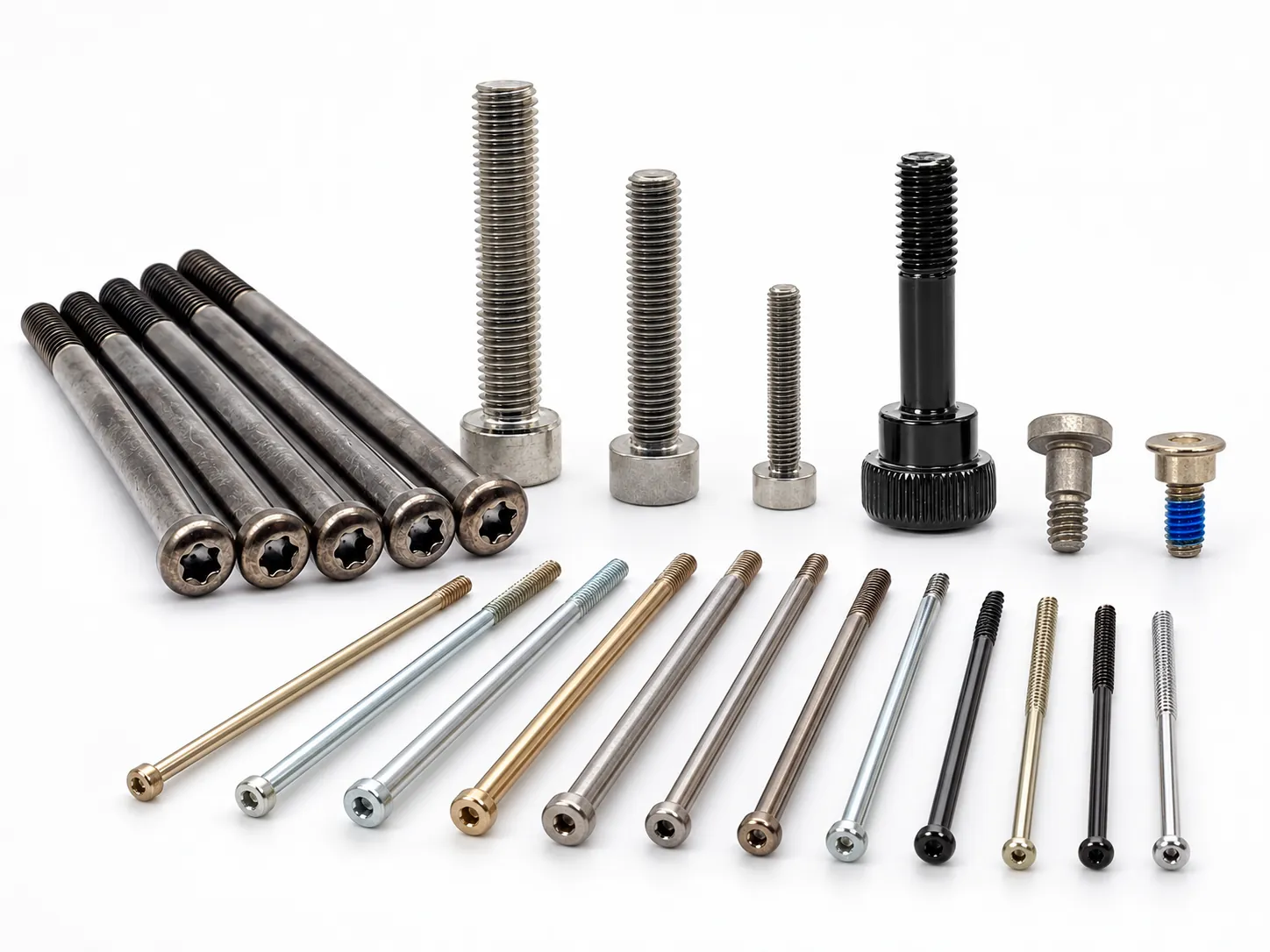
Automotive Equipment & Mobility
For diagnostic tools, repair equipment, electric mobility products, mounting systems and related mechanical assemblies. Load, vibration, movement, material and surface-treatment requirements should be defined from the actual application.
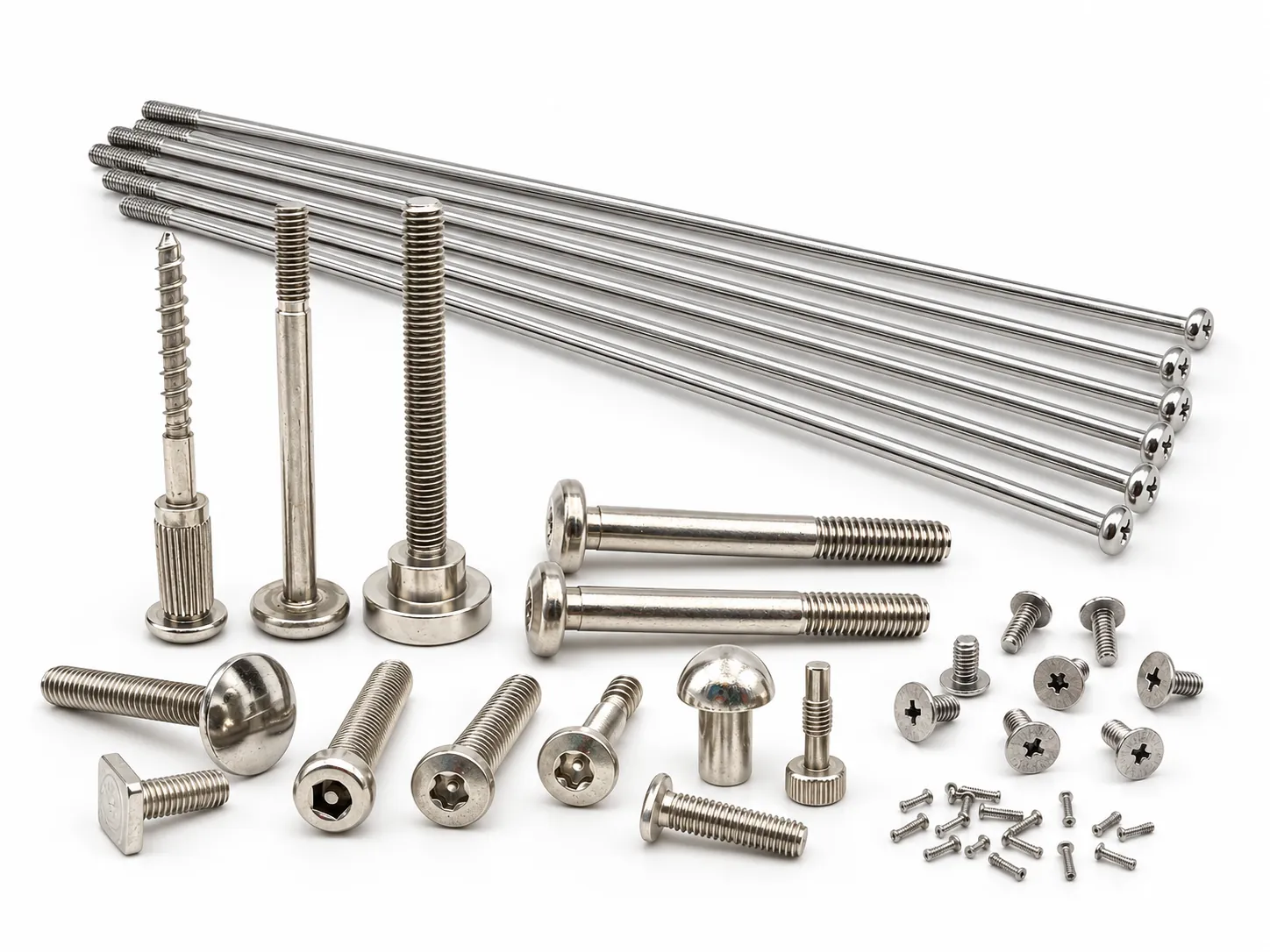
Lighting, Imaging & Optical Equipment
For industrial lighting, road and facility lighting, LED backlight assemblies, camera accessories, positioning mounts and optical equipment housings. Long reach, compact heads, controlled shoulders and appearance requirements may need to be considered together.
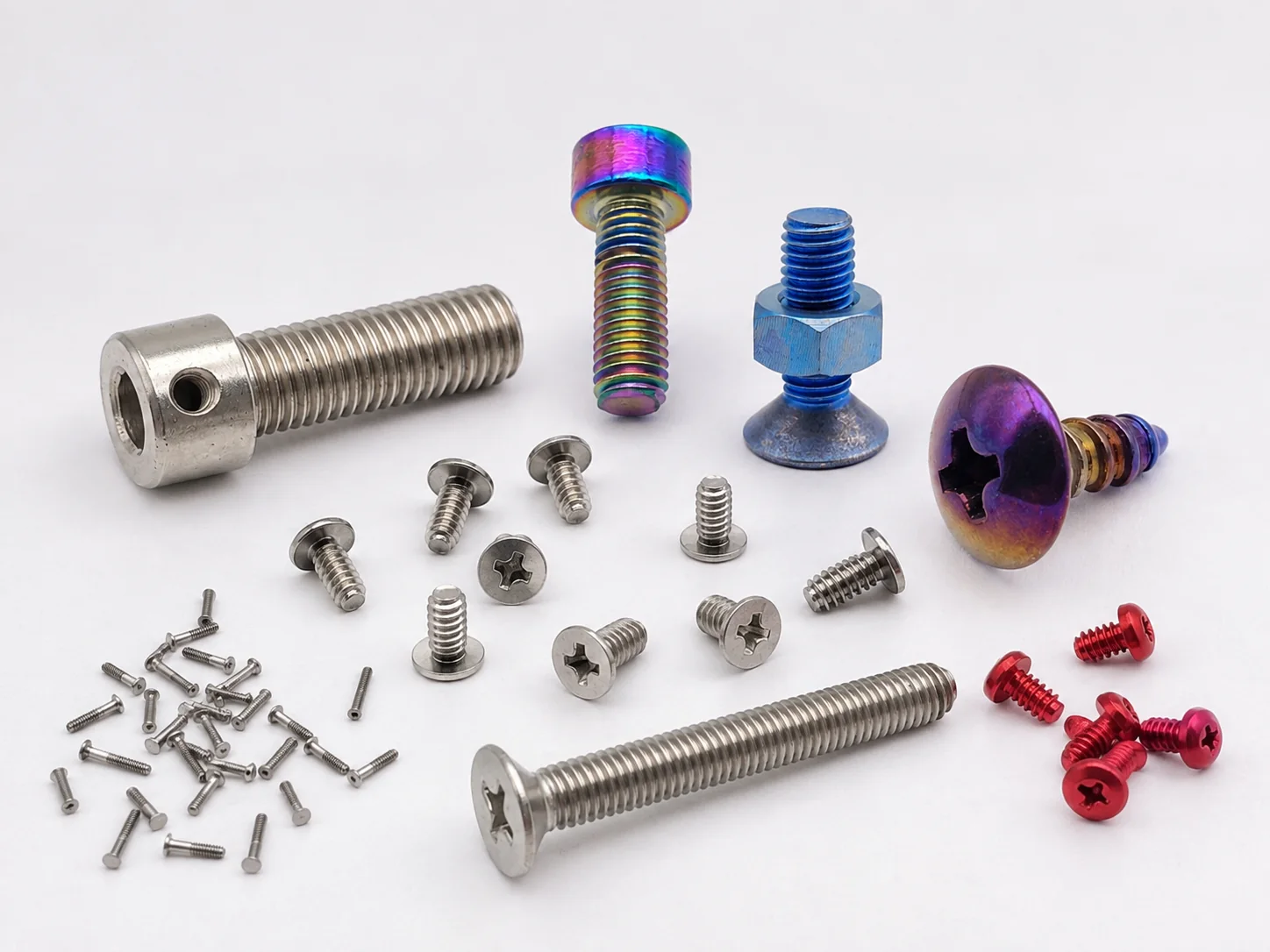
Laboratory, Analytical & Diagnostic Equipment
For laboratory instruments, gas-generation and calibration equipment, analytical systems, imaging equipment and selected diagnostic-device assemblies. Compact geometry, material selection, surface condition and documented inspection are reviewed by project.
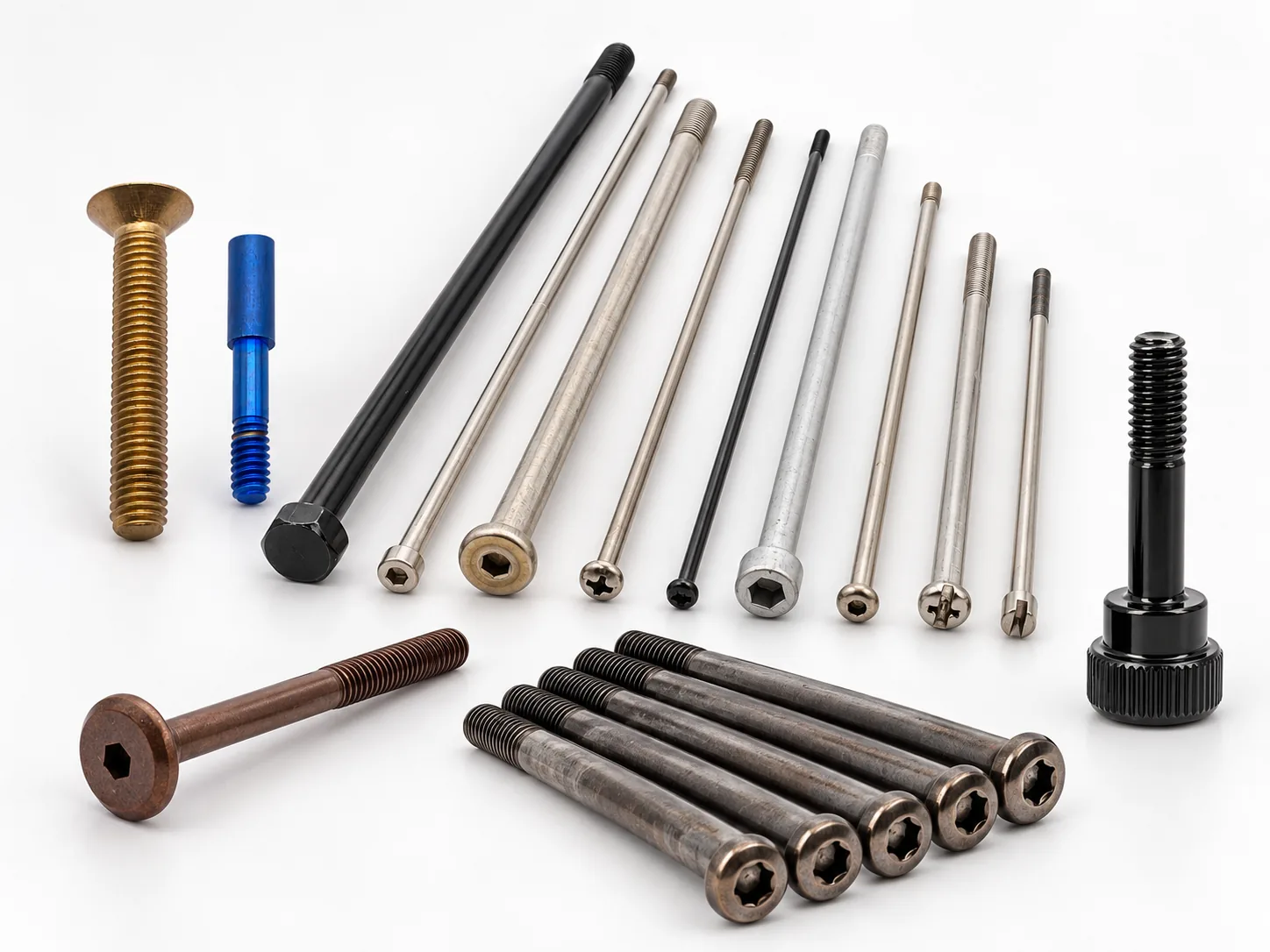
Environmental, Water & Fluid Equipment
For filtration systems, pumps, valves, hydraulic equipment, water-treatment assemblies, electrochemical equipment, heat exchangers and related fluid-handling systems. Material, corrosion environment, sealing interfaces and maintenance access should guide screw selection.
Start With the Assembly Function
The same screw type can appear in several industries. Begin with the function of the connection, then define the geometry, material, finish and validation method.
| Assembly Requirement | Suitable Starting Point | Main Review Items |
|---|---|---|
| Long reach or deep installation | Extra-Long Screws | Diameter, overall length, unsupported length, thread length, straightness-related requirements and packaging |
| Positioning, rotation or controlled spacing | Shoulder Screws | Shoulder diameter and length, mating hole, runout or concentricity requirement, thread fit and bearing surface |
| A geometry not covered by a standard screw | Custom & Non-Standard Screws | Head, drive, thread, shank, steps, holes, tail geometry and manufacturing route |
| Low weight or corrosion-sensitive service | Titanium, Aluminum or Stainless Steel Screws | Exact grade, environment, mating materials, galvanic compatibility, surface condition and strength |
| Higher load or hardness requirements | High-Strength Screws | Material, strength class, heat-treatment route, surface treatment, hydrogen-embrittlement review and test method |
| Compact or space-constrained assembly | Micro & Miniature Screws | Head size, recess depth, thread engagement, handling, installation tool and inspection method |
Where Industry Projects Commonly Go Wrong
The Screw Is Chosen by Name Alone
A product name does not define the mating hole, movement, load path, installation access or retention requirement. Reviewing the drawing and assembly conditions helps determine whether the project needs a shoulder, stepped shank, special head, non-standard drive or another custom feature.
Material and Finish Are Decided Too Late
Material and surface treatment can affect formability, hardness, corrosion behavior, appearance, thread fit and critical diameters. These decisions should be connected to the operating environment and dimensional requirements before the process route is finalized.
Acceptance Criteria Are Not Connected to Inspection
A tight tolerance is useful only when the datum, measurement location, instrument and acceptance method are understood by both sides. Dimensional checks, thread gauges, optical measurement, hardness, torque, material verification or salt-spray testing should be selected according to the actual requirement.
Built Around the Drawing and the Assembly
Shi Shi Tong evaluates custom screw projects as a connected set of product and process decisions rather than isolated dimensions.
Custom Structure
Head style, drive, thread, shank, shoulder, stepped geometry, holes, tail features and retention details can be reviewed against the mating components.
Material Selection
Available material directions include stainless steels, carbon and alloy steels, free-machining steel, copper alloys, titanium, aluminum and selected high-performance alloys. Exact grade, condition and manufacturing route remain project-specific.
Manufacturing Route
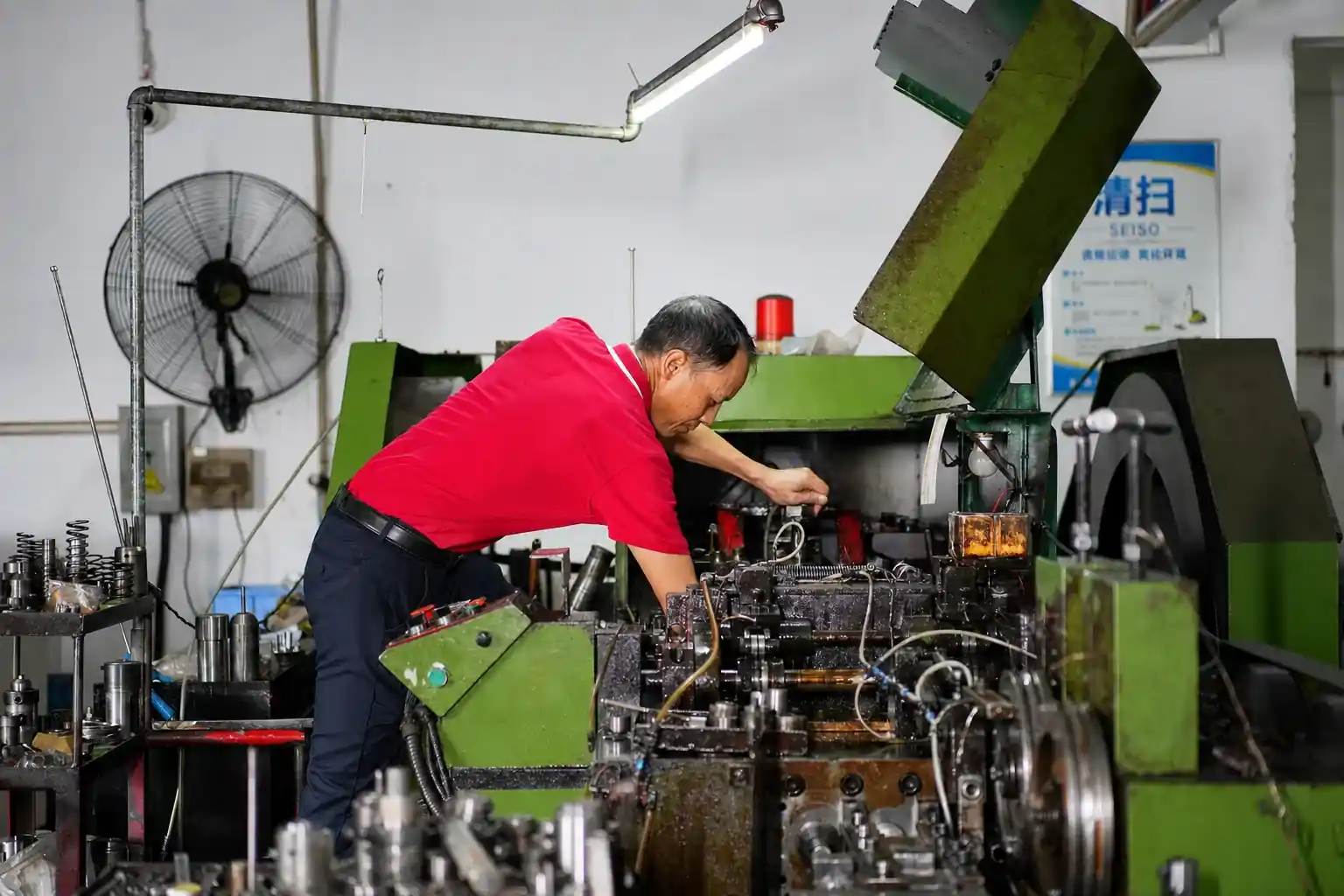
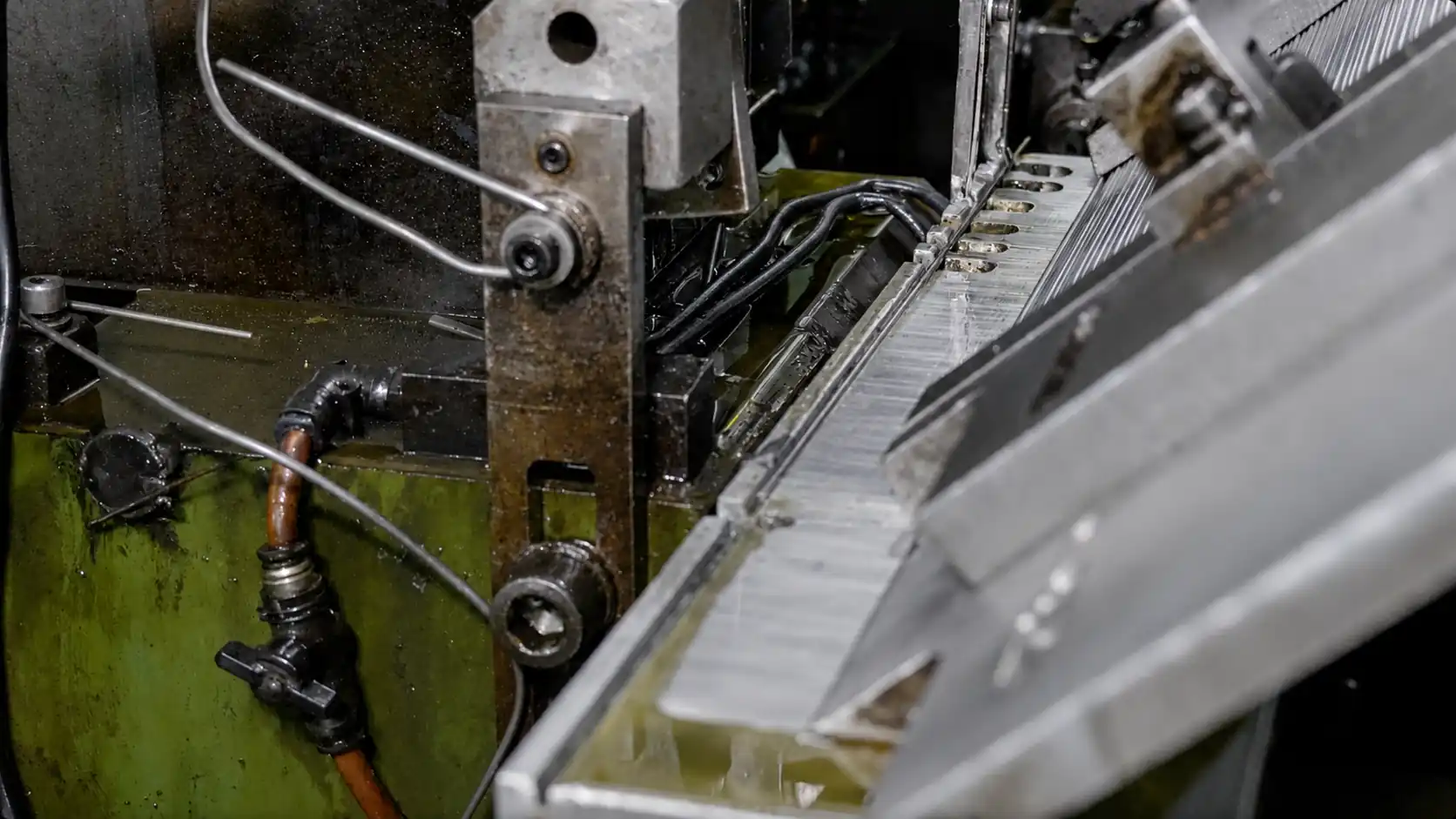
The route may combine single-die cold heading, multi-station forming, open-die forming for extra-long screws, thread rolling and selected CNC secondary machining, depending on the geometry and requirements.
Inspection Planning
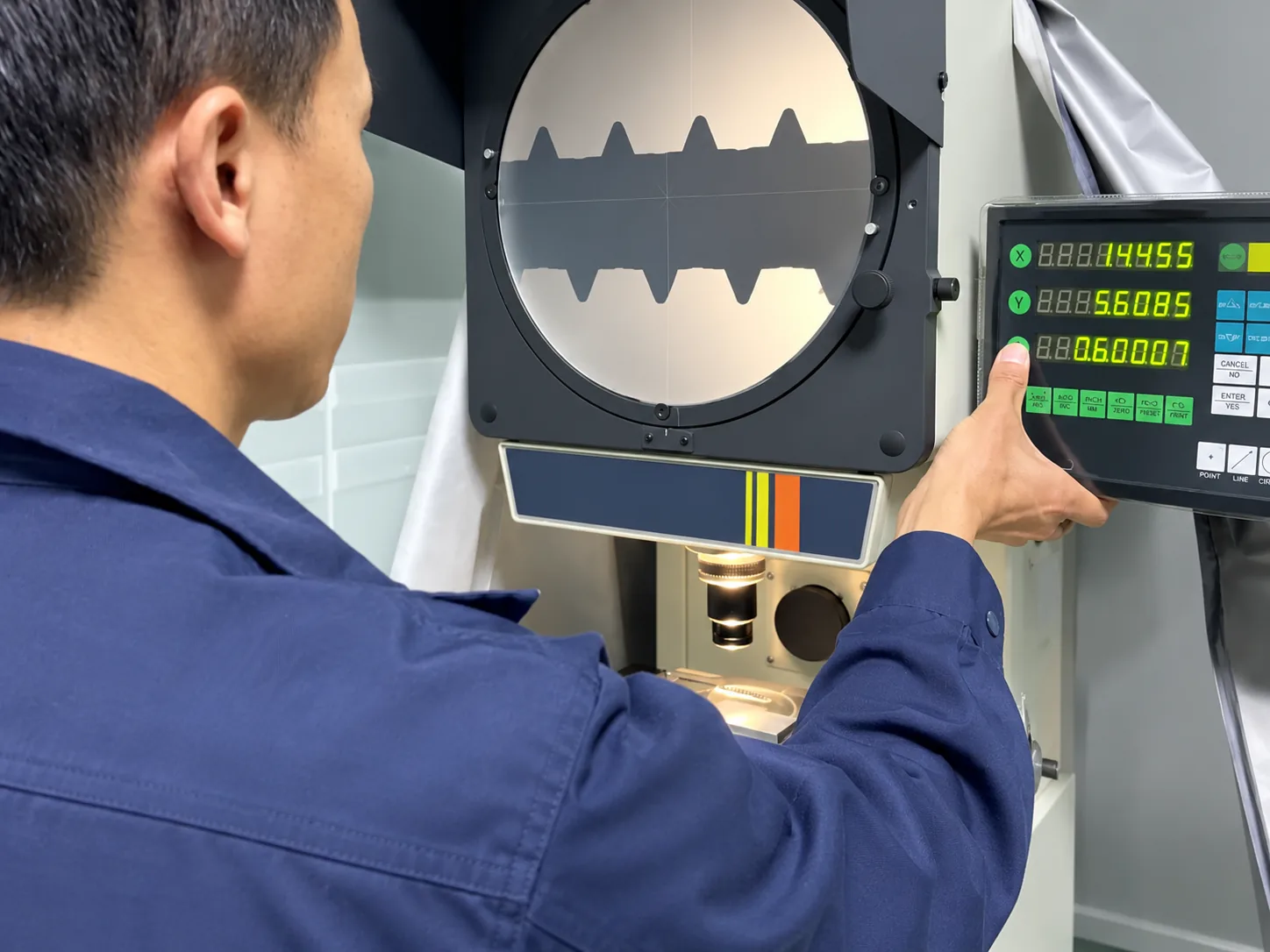
Inspection can address dimensions, thread fit, pitch, depth, radius, angle, concentricity, optical profile, hardness, torque, material verification, salt spray and other agreed project characteristics.
Manufacturing and Inspection in One Project Workflow
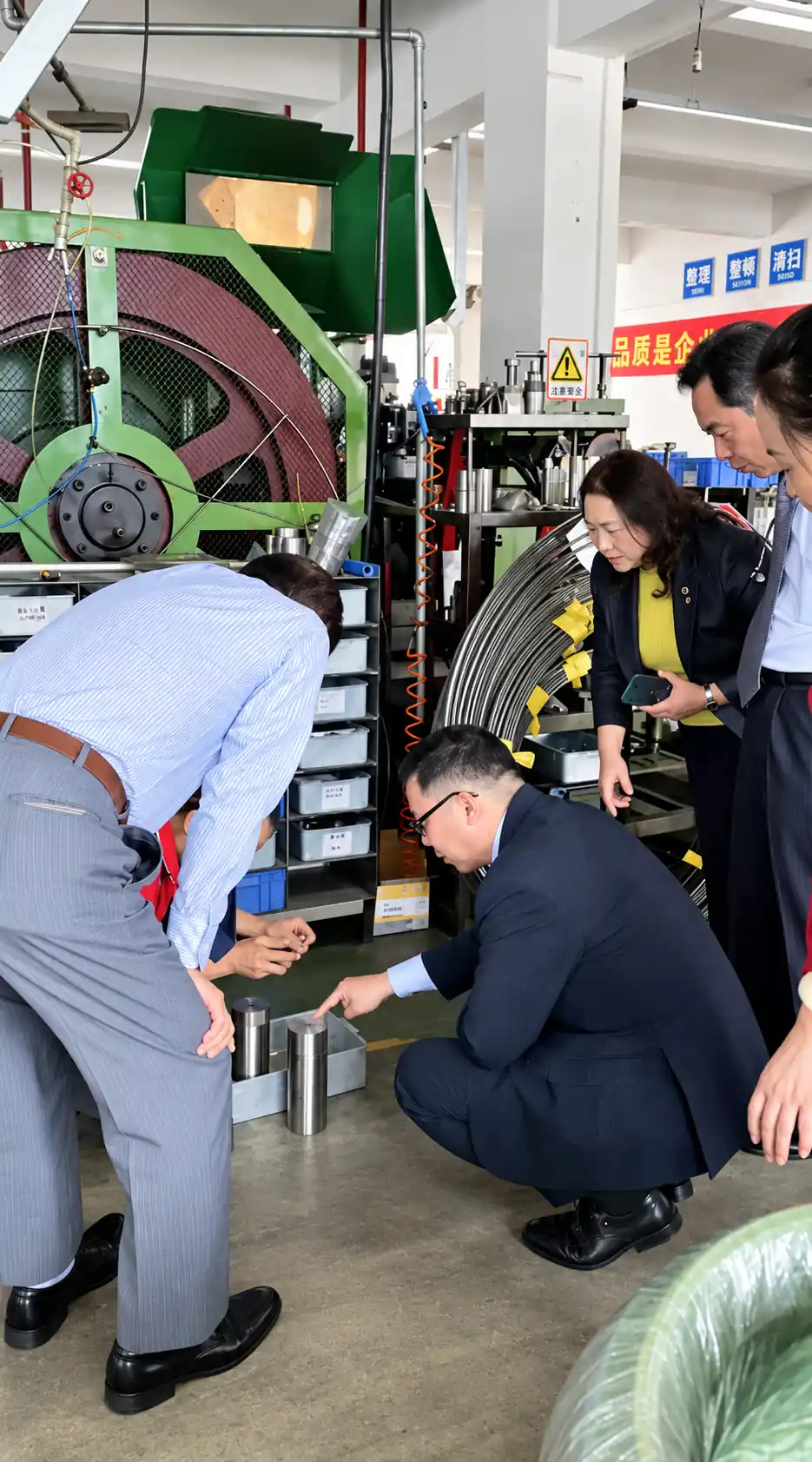
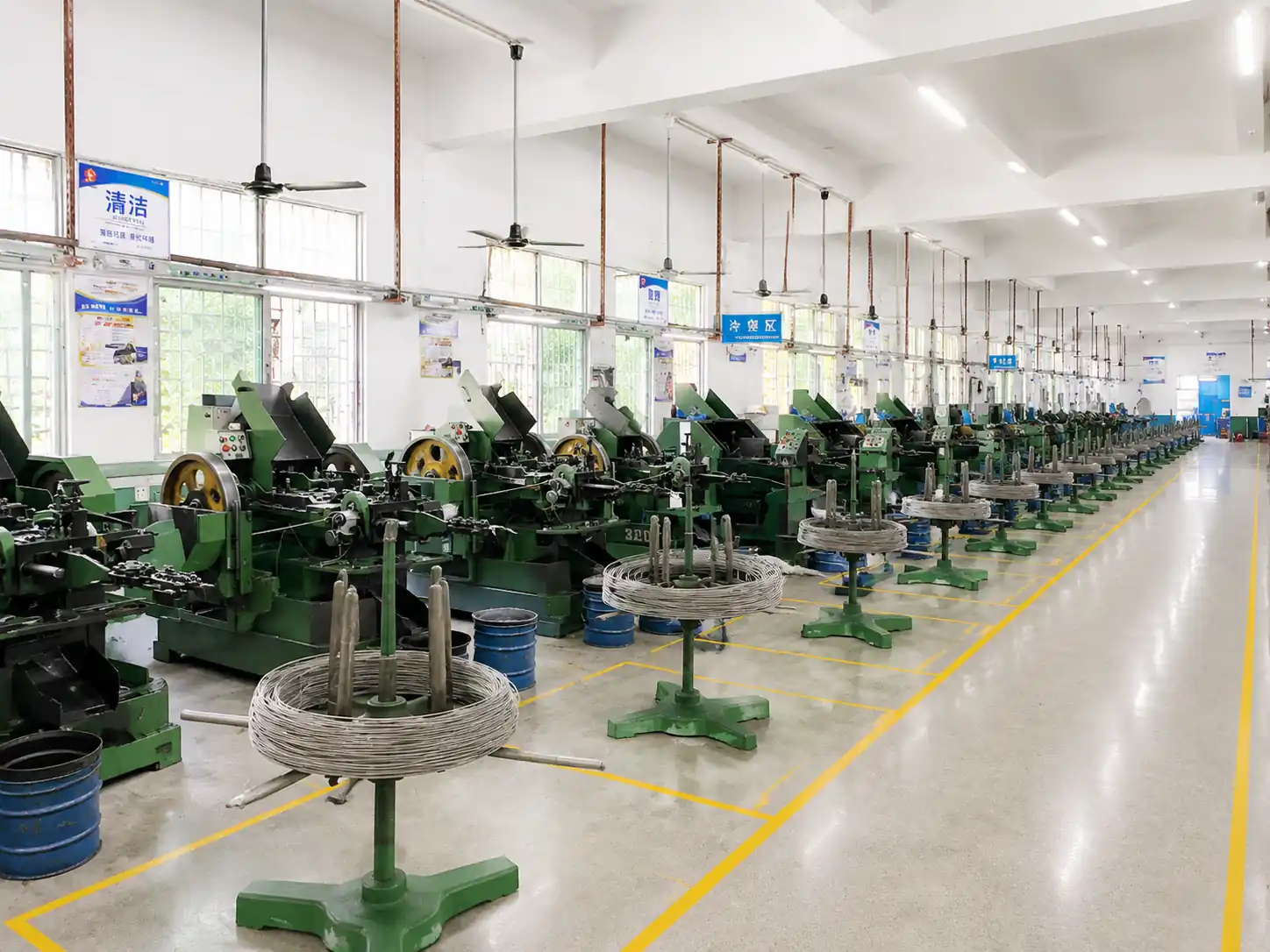
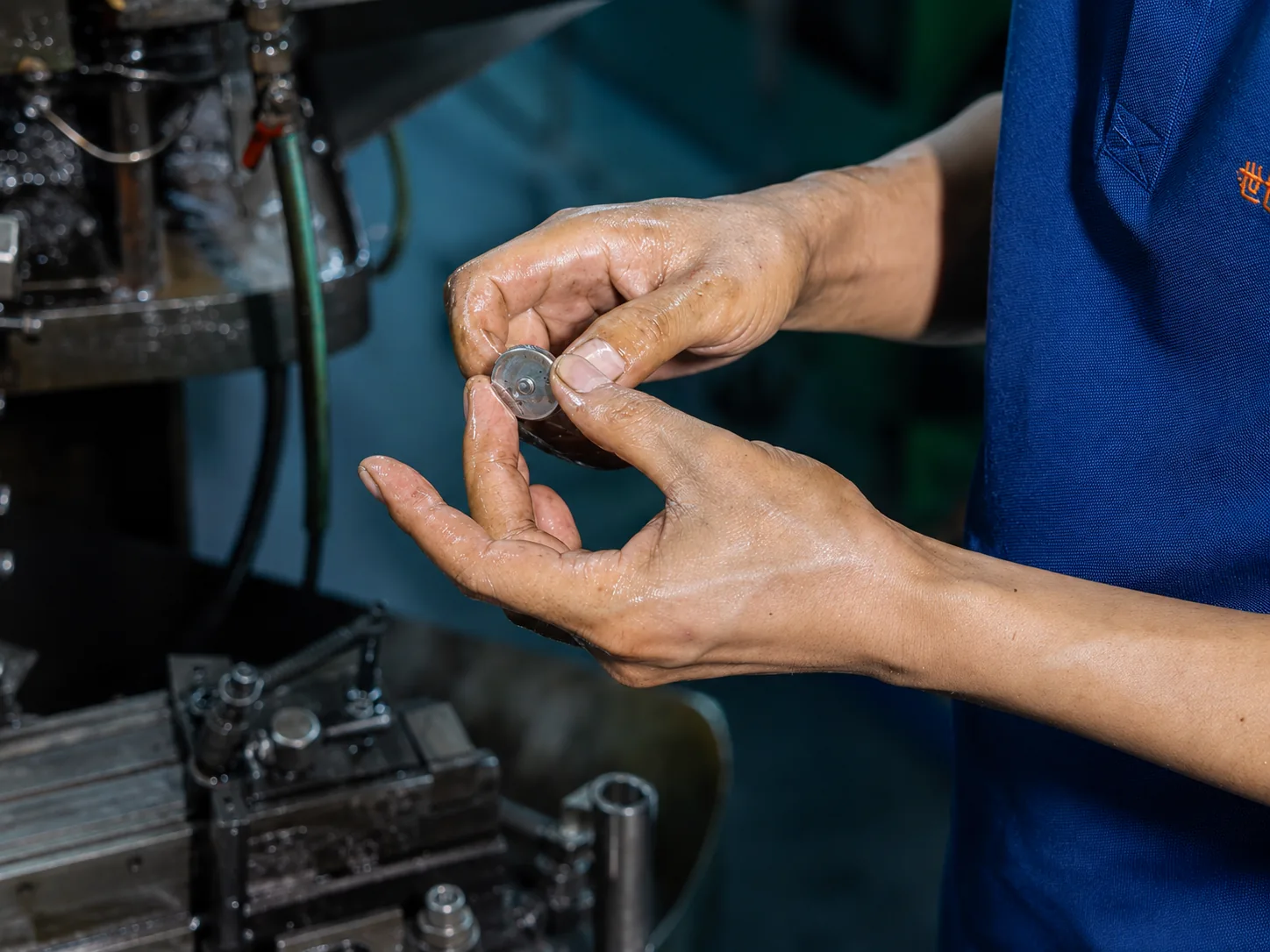
Shi Shi Tong has manufactured screws since 1998. Current capabilities combine forming, thread rolling, selected secondary machining, coordinated surface treatment and project-specific inspection for custom fastener programs.
- ISO 9001 quality management system
- 50+ own production machines
- Extra-long screws from M1.4 to M12 and 2 to 2000 mm in length, subject to project review
- Precision, shoulder, low-head and miniature custom projects mainly from M0.8 to M16
- Material, surface, tolerance and inspection requirements reviewed together
From Application Requirement to Production Review
Define the Assembly
Identify the mating parts, function, load, movement, installation method and operating environment.
Review the Screw Specification
Confirm the drawing, dimensions, datums, thread, material, strength, finish and critical characteristics.
Evaluate the Manufacturing Route
Review forming feasibility, tooling, thread rolling, secondary machining, surface treatment and dimensional allowances.
Agree on Validation
Define sample or first-article requirements, inspection methods, acceptance criteria, documentation and production checks.
Industry Application Questions
What if my product fits more than one industry?
Can one custom screw design be used across different applications?
How should material and surface finish be selected?
Are tolerance and salt-spray requirements fixed by industry?
What information is useful for an initial review?
Explore Products and Engineering Resources
Discuss Your Application and Screw Requirements
Share the drawing, sample or assembly conditions available for your project. We can review the screw structure, material direction, manufacturing route, surface requirements and proposed inspection points before quotation.
Useful Information for Review:
- 2D or 3D drawing, or a physical sample
- Mating components and assembly function
- Dimensions, thread and critical tolerances
- Material, strength and surface requirements
- Inspection or test expectations
- Sample quantity, order quantity and production plan
info@fastenbydesign.com
13143444311