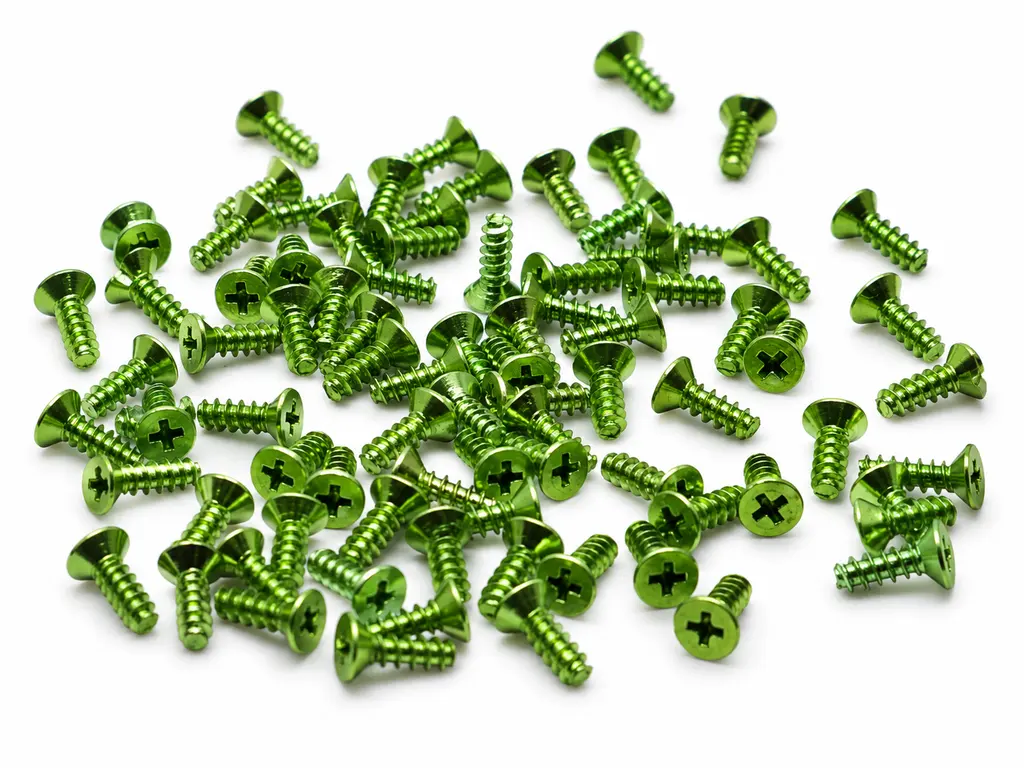
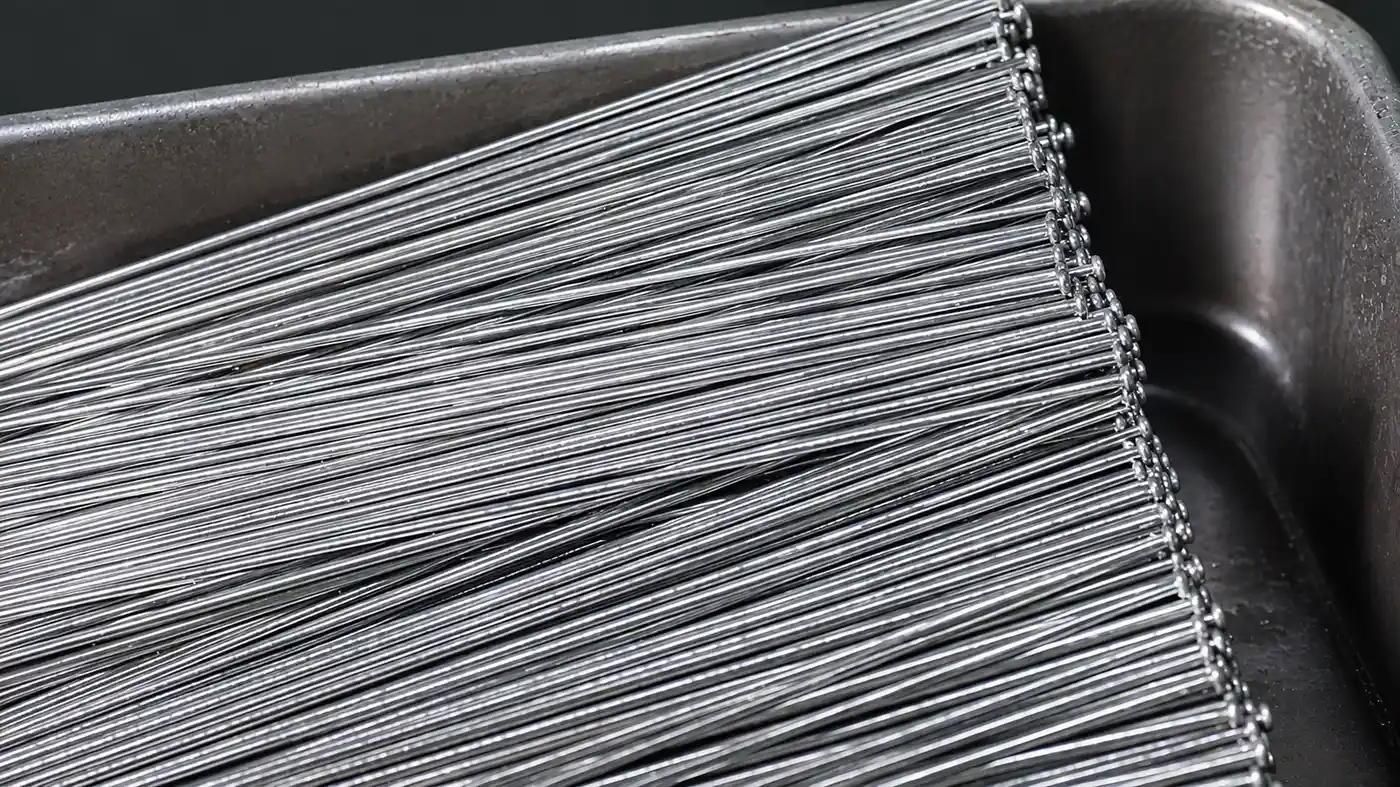
Various custom micro screws

Custom Micro Screws Manufacturer for Precision Assemblies

Shi Shi Tong manufactures made-to-drawing micro screws for compact equipment. Machine-threaded, self-tapping, low-profile and eyeglass designs are reviewed against the mating part, available head space, installation tool, material and critical dimensions.

Micro Screw Designs for Different Joints

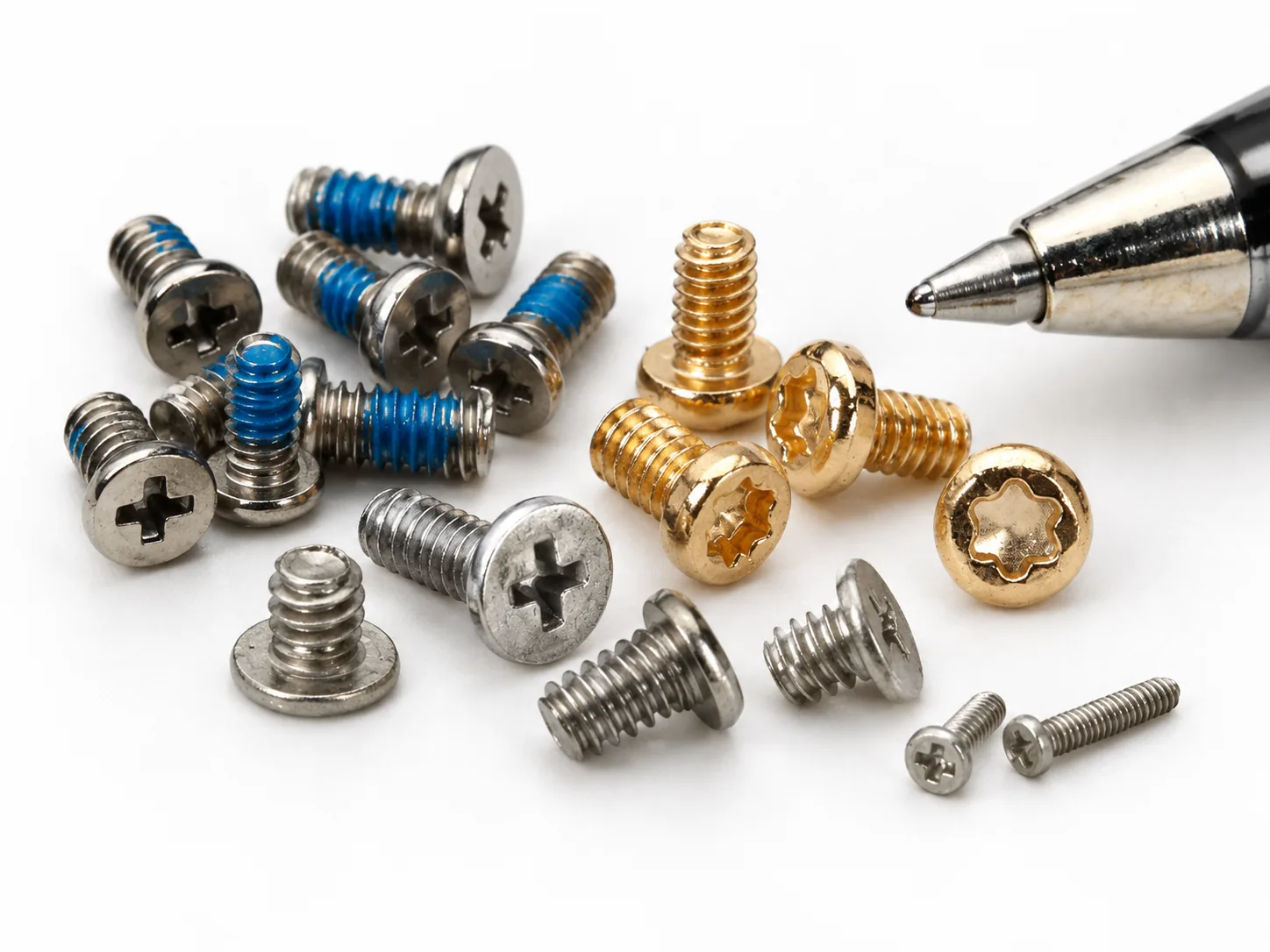
Small stainless steel cross-recess screws

Micro Machine Screws

For a tapped component, threaded insert or matching nut. Specify the thread, head, drive and engagement length around the mating part rather than choosing by diameter alone. Cataloged stainless steel miniature screws illustrate the custom design scope.

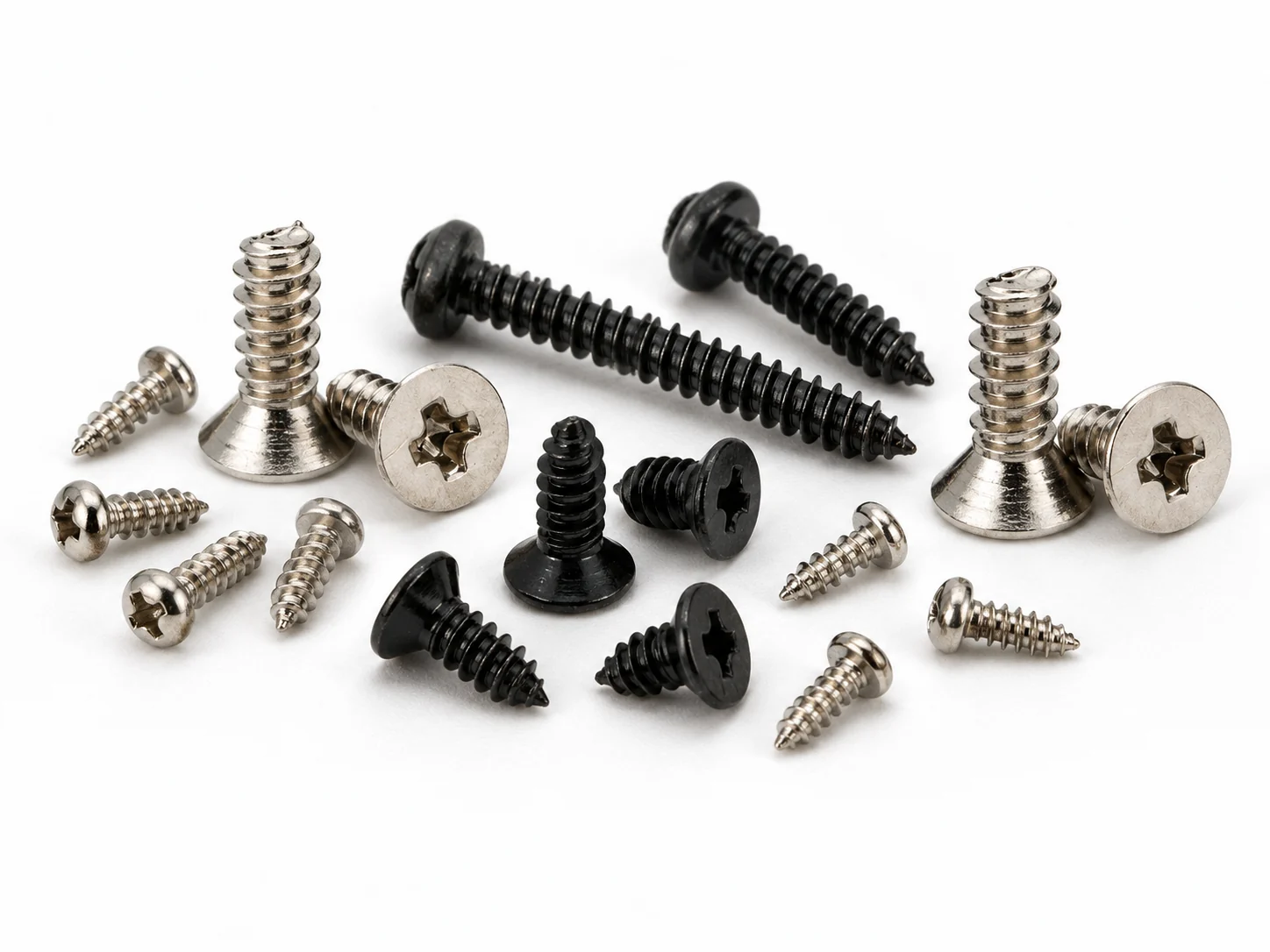
Black PT-thread miniature screws

Micro Self-Tapping Screws

For direct fastening into a suitable untapped joint. The thread profile and point must be assessed with the mating material, pilot hole and installation conditions. A special ST2 PT-thread screw is one documented example.

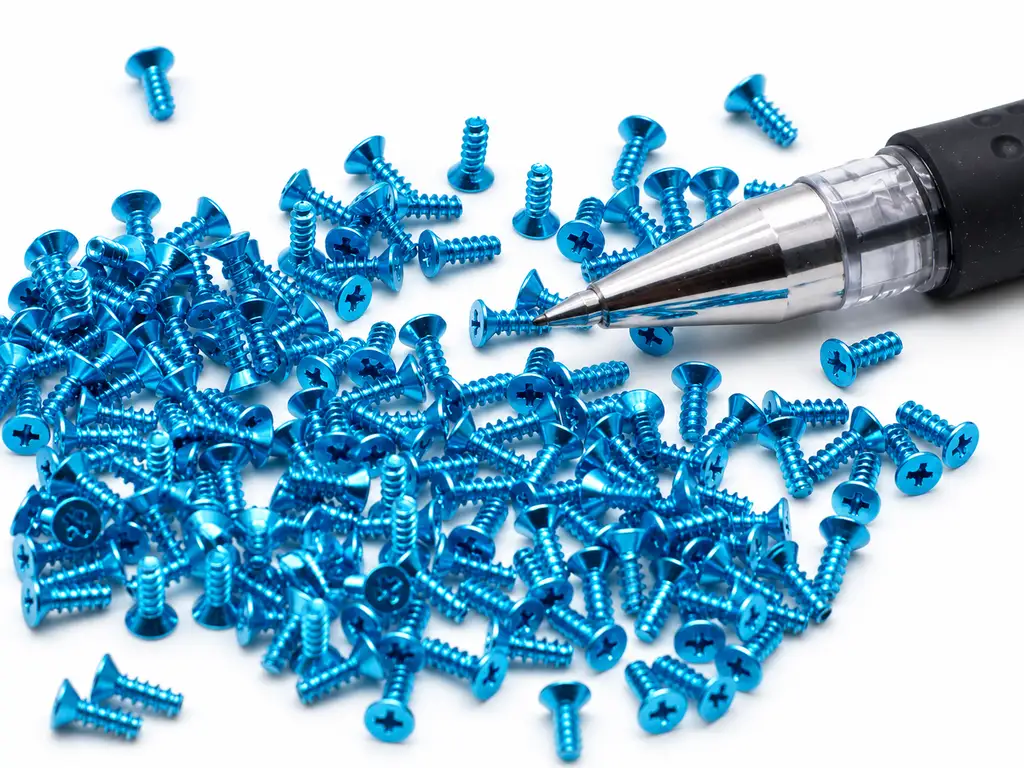
Thin-head copper miniature screws

Low-Profile & Special-Head

For assemblies where head height, bearing area or tool clearance limits a conventional head. A cataloged M1.6 × 1.5 mm copper screw with a broad, thin head illustrates the design approach; the final dimensions are drawing-specific.

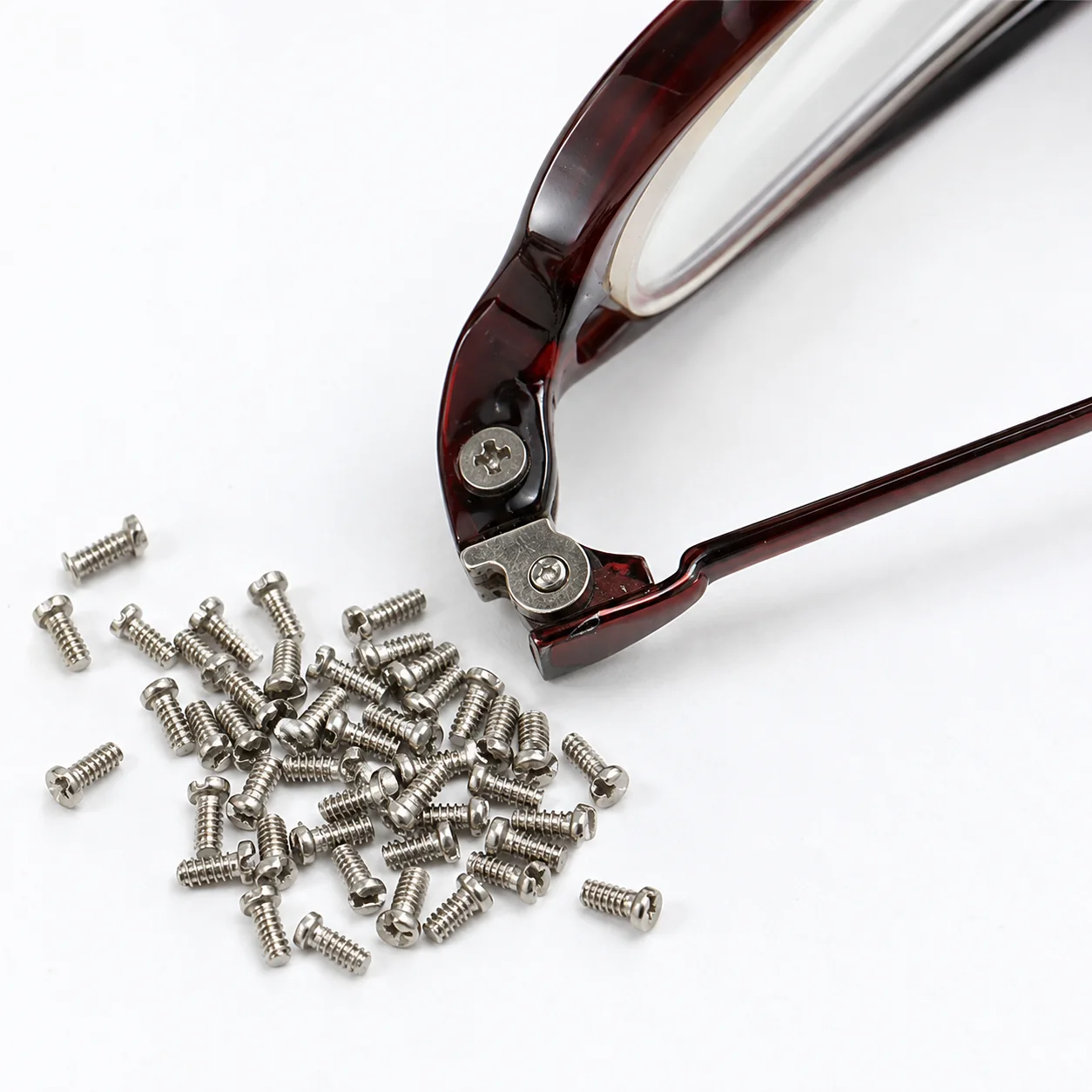
Small special-head screws for eyewear

Eyeglass Micro Screws

Small screws for eyewear components where the frame hole, head shape, finish and installation access must work together. Cataloged stainless steel examples include special-shaped heads for eyewear production.

Close-up of micro screw head and thread details

Small Dimensions Leave Little Room for a Mismatch

The drive must fit the installation tool.

A very small or shallow recess can be damaged if bit engagement and available head height are considered separately. We review the head and drive against the planned assembly method.

The thread must fit the mating part.

A machine screw for a tapped hole is not a substitute for a direct-fastening thread in an untapped boss. Mating material, hole preparation and thread engagement guide the choice.

The finished part must still fit.

A coating or decorative finish can affect a closely controlled head, recess or thread. Critical finished-part dimensions and their inspection method should be defined on the drawing.

Specify the Joint, Not Just the Diameter

Selection point Practical decision
Nominal diameter and length Match the available hole, wall thickness and required engagement. Shi Shi Tong’s main precision-custom reference starts around M0.8; feasibility still depends on geometry, material, length and tolerance.
Thread type Use a machine thread with a matching tapped feature or insert. Evaluate a self-tapping profile against the actual untapped material and pilot hole.
Head and drive Check head diameter, head height, seating surface, recess depth and bit access together. A low head still needs a usable drive.
Material and finish Choose for the operating environment, weight, appearance and manufacturing route. Review finish thickness where dimensions are tight.
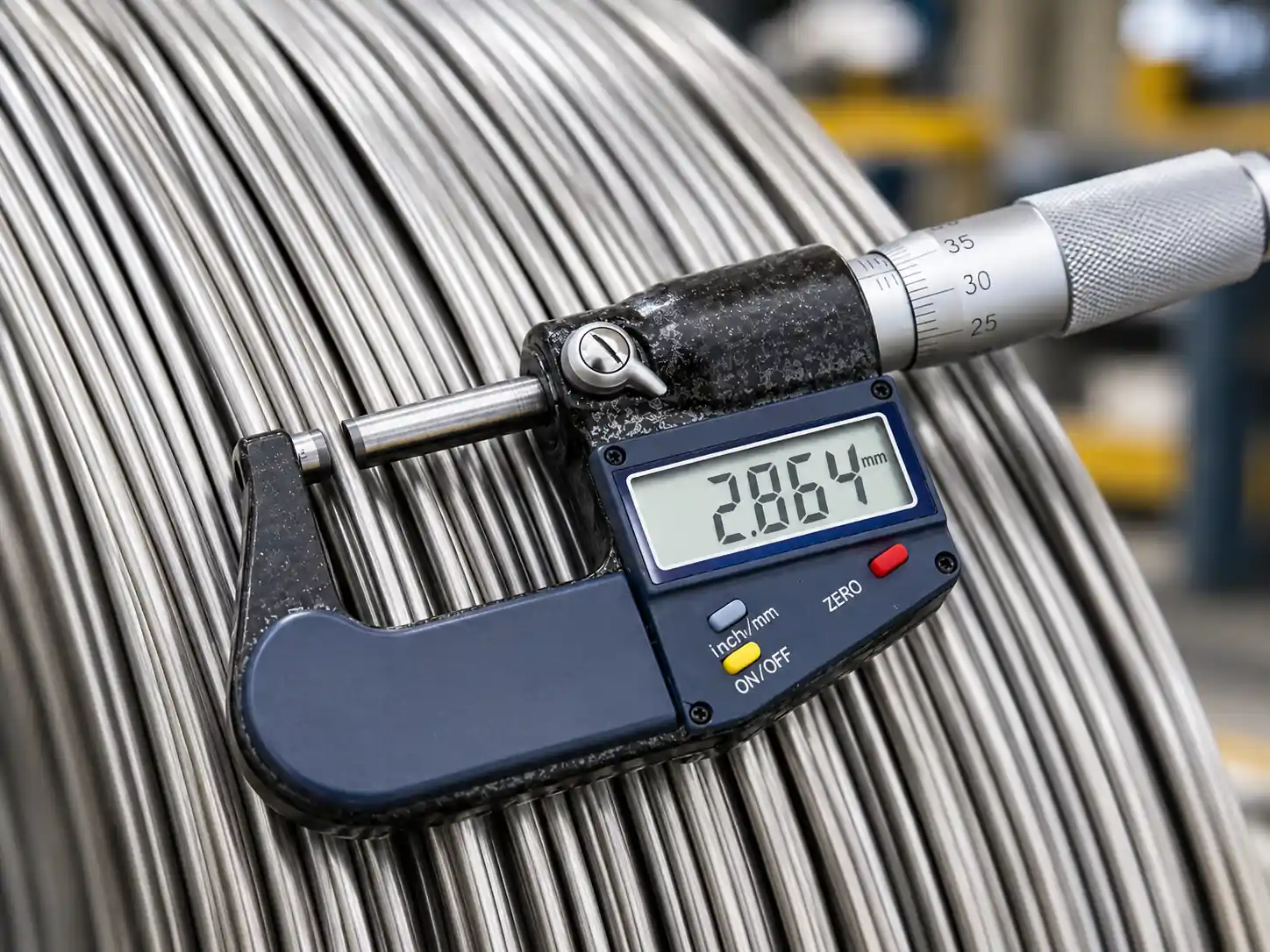
Critical inspection Identify the dimensions and features that control assembly, such as thread fit, head height, recess geometry and burr condition. Agree on the applicable measurement method for the project.

An M0.6 CNC-turned stainless steel screw appears among our documented sample configurations. It is not a blanket minimum size or a stock specification; designs below the main M0.8 reference need individual feasibility review.

Material Choices for Miniature Parts

Material direction When to consider it Review before production
Stainless steel Corrosion exposure, appearance or a specified stainless grade. A cataloged M1.4 screw uses 316 stainless steel. Exact grade, forming or machining route, finish and required inspection.
Carbon steel A project with defined mechanical and finishing requirements. Material condition, heat treatment where applicable, coating and finished-part properties.
Copper or brass Electrical, decorative or special assembly requirements. A thin-head copper sample is documented. Alloy, head geometry, surface finish and dimensional fit.
Aluminum Lower mass or an anodized appearance. An M2 anodized aluminum sample is documented. Grade, temper, thread strength, finish thickness and assembly method.
Titanium A lower-density material option for a drawing-specific design. Exact grade, geometry, manufacturing feasibility and inspection requirements.

Cold heading and thread rolling can be evaluated for suitable small-screw geometries. Selected features may require CNC secondary machining; an ultra-small turned sample does not mean every micro screw follows the same process route.

Assorted materials for micro screws

Where Small Screw Details Matter

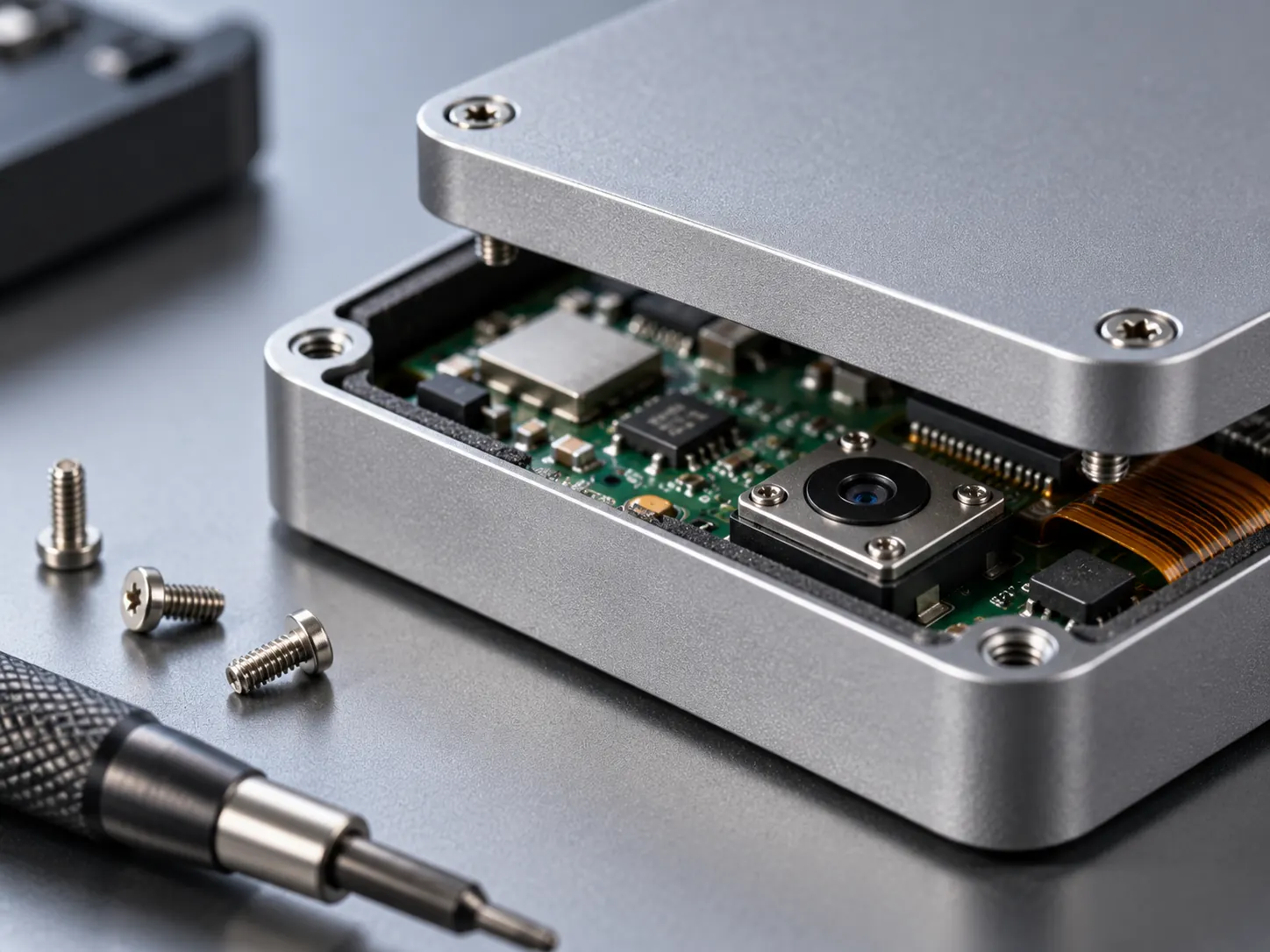
Micro screw in electronic housing

Electronics and compact housings

For electronic instruments, sensors and small enclosures, the mating material, boss design, head clearance and assembly bit can matter as much as nominal screw size. Machine-threaded and direct-fastening designs answer different joint requirements.

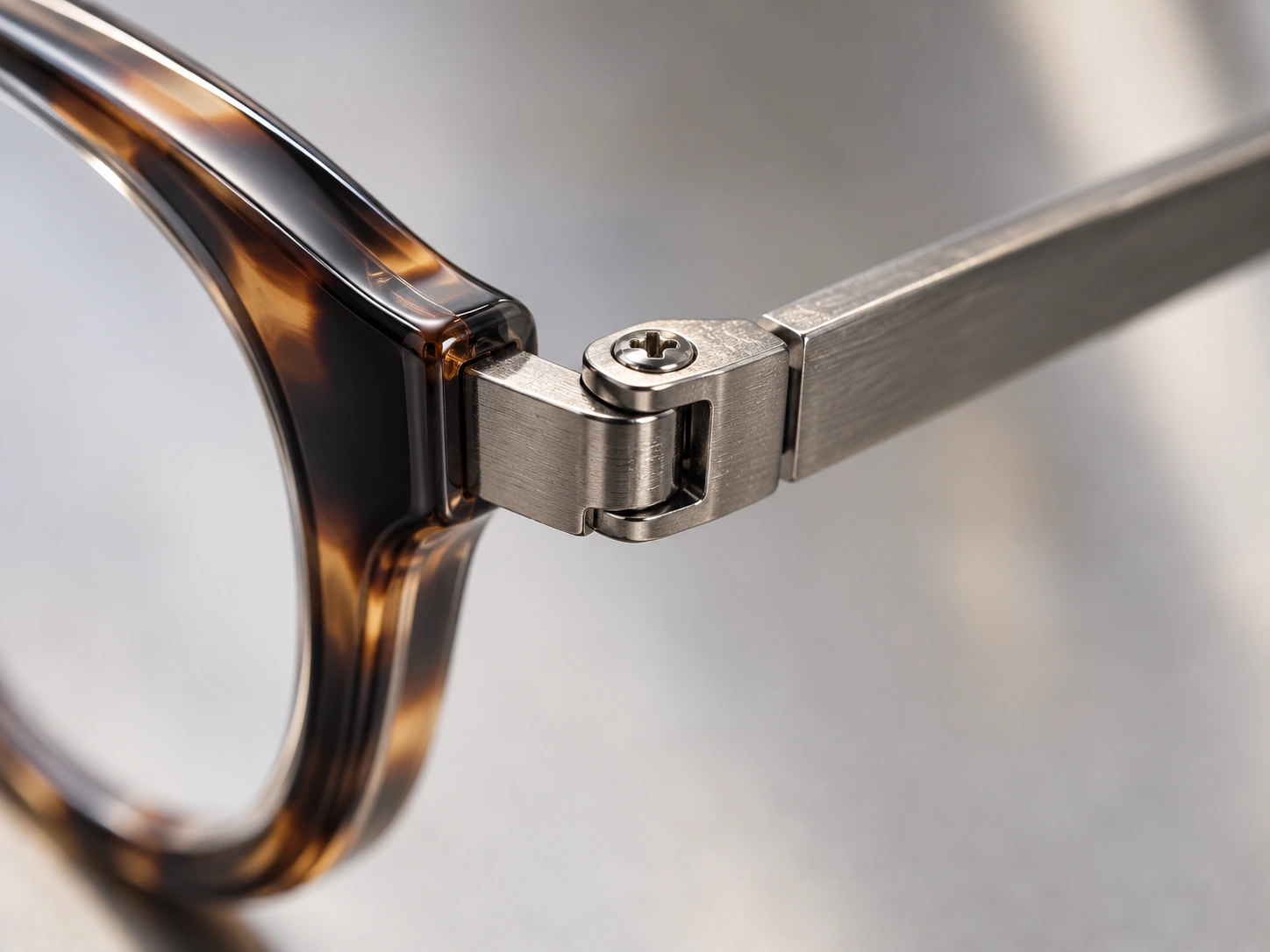
Micro screw in eyewear hinge

Eyewear and small visible components

In eyewear, the screw must fit the frame feature while the head remains accessible and visually appropriate. Special head forms and finishes are assessed from the actual component drawing, not selected from appearance alone.

Micro screw in precision instrument

Precision instruments

A small fastener may locate or secure a component in limited space. Define which dimensions control fit, how the tool reaches the drive and which features need inspection after finishing.

Made to the Assembly Drawing

Shi Shi Tong reviews the head, drive, thread, shank, material and finish as one part specification. This is useful when a catalog screw is close to the required size but cannot meet the available space or mating geometry.

The manufacturing route is selected for the design. Suitable projects may use cold heading and thread rolling, with CNC secondary machining for features that require a different approach. Critical dimensions and inspection points are agreed against the drawing rather than applied as one tolerance to every micro screw.

Custom micro screw close-up
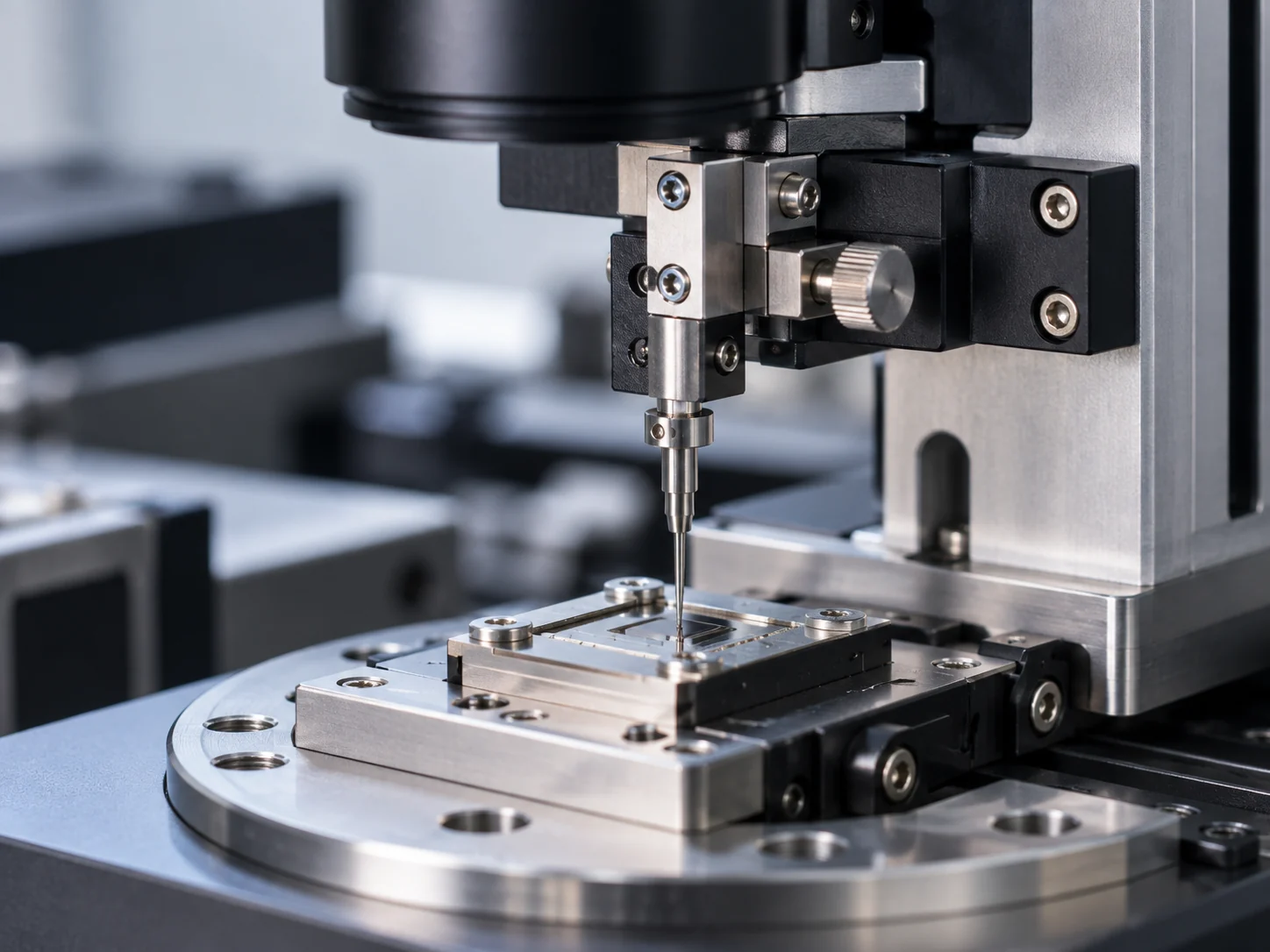
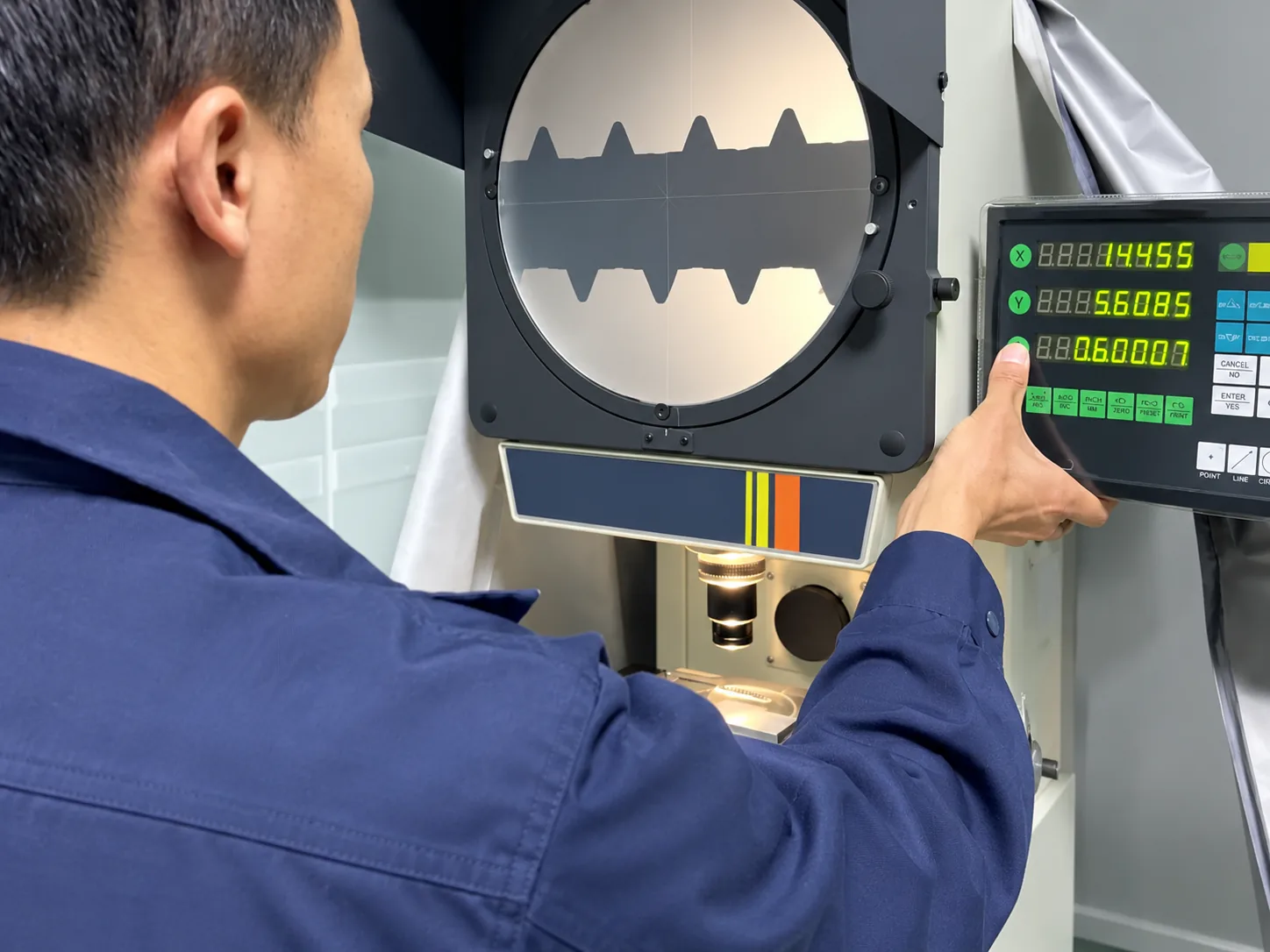
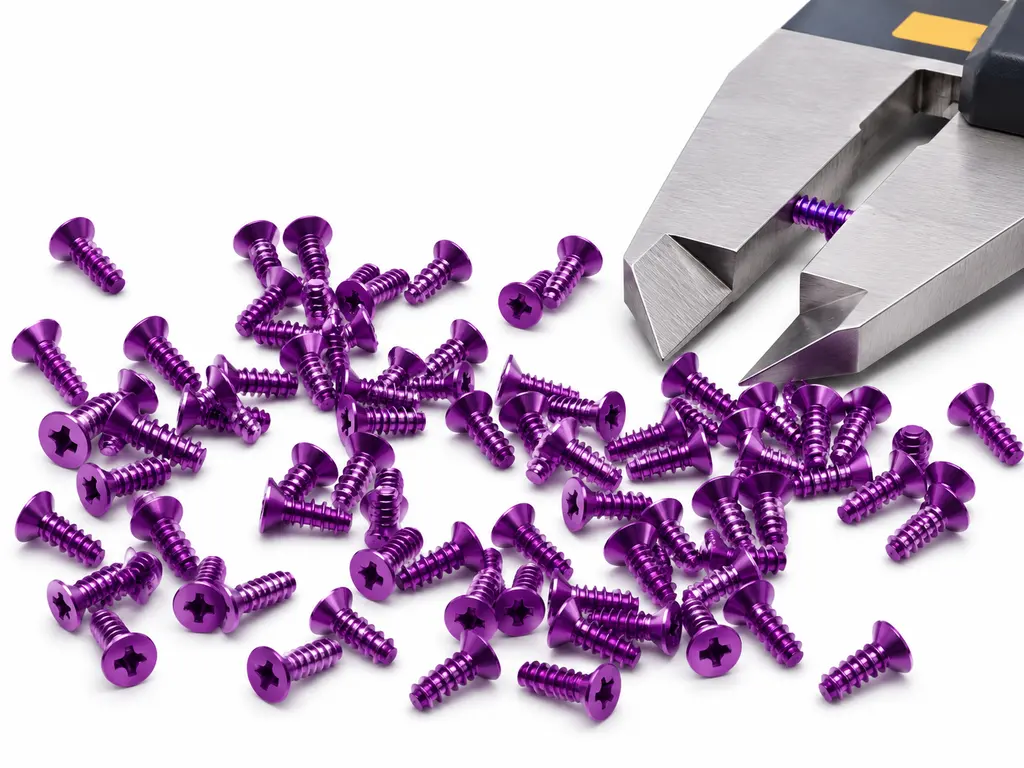
Optical profile measurement equipment Verified micro screw sample

Manufacturing and Inspection Built Around the Drawing

Shi Shi Tong’s screw manufacturing experience dates to 1998. For a miniature design, the review covers manufacturability, material, forming or machining route and the features that determine assembly fit.

Depending on the approved drawing, inspection can address dimensions, thread fit, drive recess geometry and optical profile. Dimensional records and material or test documents are discussed according to the agreed project scope; no single test plan applies to every screw shown here.

Micro Screw Buyer Guide

What size is considered a micro screw?

There is no single universal cutoff. In many compact assemblies, screws below M3 are discussed as micro or miniature screws, but the useful specification is the actual thread diameter, pitch, length, head and mating feature. For Shi Shi Tong’s precision custom work, M0.8 is a main reference starting point; smaller documented examples are reviewed individually rather than treated as a standard range.

How should I choose a micro screw for electronics assembly?

Start with the joint. A tapped metal part or insert normally calls for a matching machine thread, while direct fastening into an untapped feature requires a thread and pilot-hole design suited to that material. Then check head clearance, bit access, handling during assembly, the operating environment and the dimensions that must remain controlled after finishing. The “best” screw is the one that fits and can be installed consistently in the actual assembly.

Are machine and self-tapping micro threads interchangeable?

No. A machine thread relies on a matching internal thread. A self-tapping or thread-forming design develops its mating thread during installation in a suitable material. Hole preparation, installation conditions and the need for later disassembly affect the choice. The special ST2 PT-thread sample illustrates one direct-fastening configuration, not a universal replacement for a machine screw.

What should be checked for an eyeglass micro screw?

Match the screw to the frame hole and the tool used during assembly. Head form, seating, thread engagement, finish and visible appearance all matter in a very small component. Shi Shi Tong has documented stainless steel eyewear screws with special-shaped heads; the production design is evaluated from the frame drawing or sample.

How can I evaluate a custom micro screw supplier?

Ask how the supplier reviews the mating part, process route and critical finished-part dimensions. For a drawing-specific screw, useful checkpoints include thread fit, head and recess geometry, burrs, material identification and an inspection method appropriate to the feature. A catalog photograph alone cannot establish the tolerance or performance of a new design.

Are these stocked repair screw sets?

The products shown here represent drawing-based manufacturing paths and documented examples, not a guaranteed retail assortment. For a new production requirement, the drawing or sample, mating-part details, material direction, critical dimensions and estimated quantity allow the manufacturing route and commercial terms to be evaluated.

Request a Micro Screw Review

Share the drawing, a clear sample reference or the dimensions you already know. The mating material, installation method, critical features and estimated quantity will help us review a suitable design and manufacturing route.

Include diameter and length, mating material, head and drive, material or finish, critical dimensions and estimated quantity where available.

Supported formats: PDF, JPG, PNG, STEP, IGES, STL, DWG (Max 20MB)