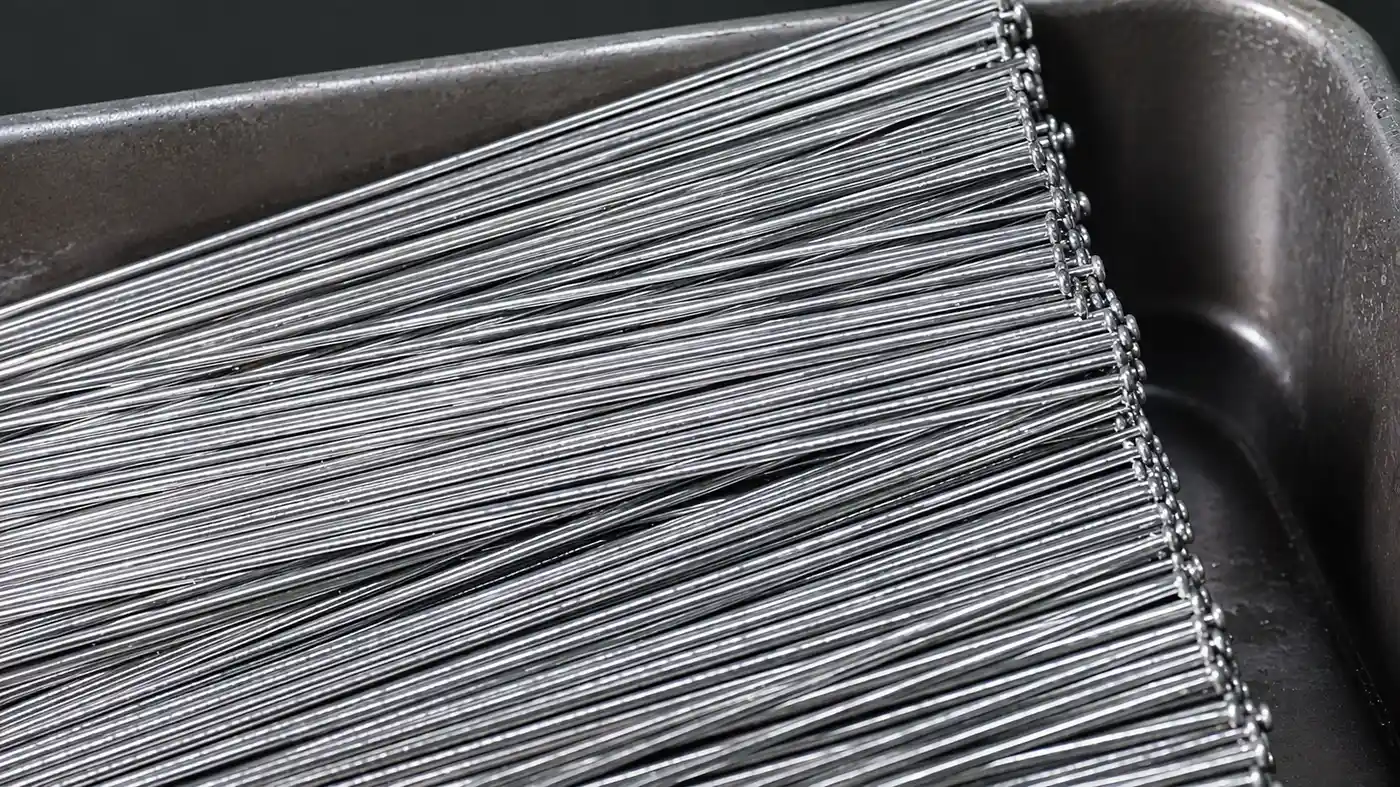
Titanium bolts can provide high strength at relatively low weight, but their load capacity depends on the grade and the finished fastener. A Grade 5 alloy bolt and a commercially pure Grade 2 bolt are different engineering choices. Neither the word “titanium” nor the color of the head establishes how much load a joint can carry.
For a production assembly, specify the required strength, geometry, mating thread, and tightening method together. The joint may fail at the internal thread or bearing surface before the bolt reaches its own tensile limit.
Start With the Titanium Grade
Commercially pure Grade 2 is often considered where corrosion behavior and formability matter. Grade 5, Ti-6Al-4V, is a higher-strength alloy route used when mechanical performance is more demanding. The ASTM titanium bar specification identifies these as different material grades; a generic titanium label does not distinguish them.
| Material direction | What it can offer | What the buyer should specify |
|---|---|---|
| Commercially pure Grade 1 or Grade 2 | A balance of corrosion resistance, ductility, and formability | Exact grade, condition, environment, finished-part mechanical requirements |
| Grade 5 Ti-6Al-4V | Higher tensile and yield strength than commercially pure Grade 2 in comparable specified conditions | Governing standard, condition, geometry, tests, acceptance limits |
| Another titanium alloy | Properties tailored to a different service requirement | Full designation and a separate availability and manufacturing review |
The strength printed on a stock datasheet is useful for material selection. Finished bolt performance also depends on head geometry, thread section, manufacturing condition, and the acceptance tests applicable to that part. Request the required finished-part evidence rather than treating a raw bar certificate as a complete bolt test report.
Which Kind of Strength Matters?
Tensile strength concerns pulling the bolt along its axis. Yield strength concerns the onset of specified permanent deformation. Shear strength concerns transverse loading. Fatigue performance concerns repeated loading over time. A high value in one category does not settle the others.
A bolted assembly adds further checks: preload, load sharing, thread engagement, bearing pressure, and simultaneous tension and shear. NASA’s Fastener Design Manual addresses these as distinct design questions. For a shoulder screw, the location of the shoulder and thread relative to the shear plane can also matter.
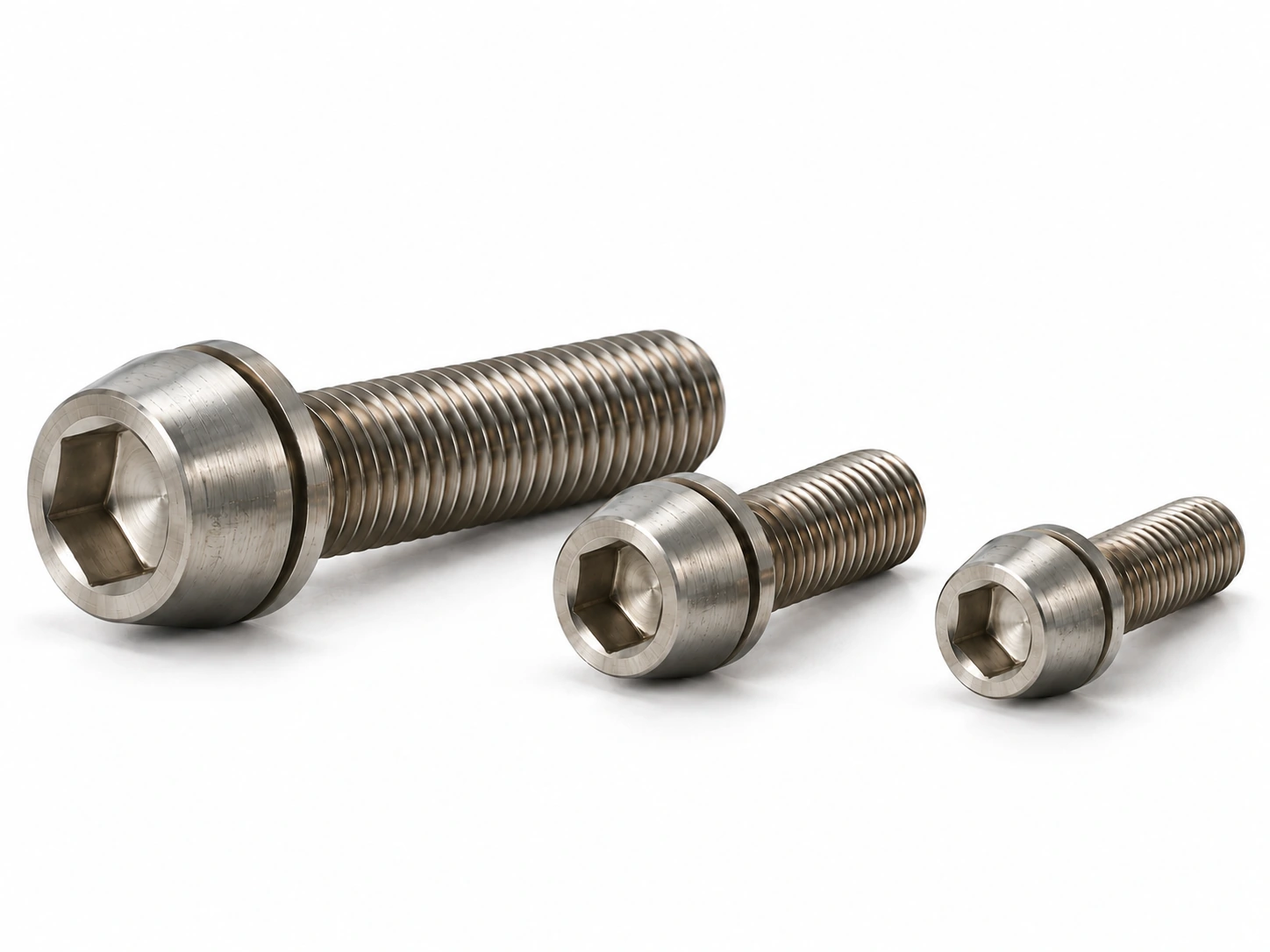
Why Can Titanium Bolts Fail?
Titanium is not immune to fracture or assembly damage. A failure needs to be understood from the joint and the part, not attributed to the material name alone.
| Failure or symptom | Factors to investigate | Design or procurement response |
|---|---|---|
| Bolt breaks under axial load | Grade, finished strength, stress area, actual load, tightening history | Review load capacity and the specified mechanical acceptance |
| Internal thread strips | Mating material, fit, effective engagement, damage | Review the complete threaded connection |
| Crack develops under repeated loading | Load cycles, joint movement, transition geometry, thread surface, preload | Evaluate fatigue at the actual geometry and service conditions |
| Threads seize during installation | Mating materials, surface condition, lubrication, alignment | Validate the thread pairing and tightening procedure |
| Drive recess rounds or head damages | Tool fit, recess dimensions, torque, bearing geometry | Control the drive and head alongside the shank |
Stop using a damaged fastener in a loaded joint. Raising torque to overcome seized threads can produce damage without the intended clamp load.
Turn “Strong Enough” Into an Order Specification
Tell the supplier the axial and transverse loads, duty cycle, temperature, corrosion exposure, mating materials, and required service life. The engineer should define the grade, dimensions, engagement, tightening method, and tests that make the joint acceptable. A material substitution requires that review even when the replacement has the same nominal diameter.
At Shi Shi Tong, we evaluate custom titanium bolts and screws around the drawing, grade, and inspection requirements. Send your drawing and mechanical requirements so we can assess the manufacturing route and the finished-part controls your order needs.