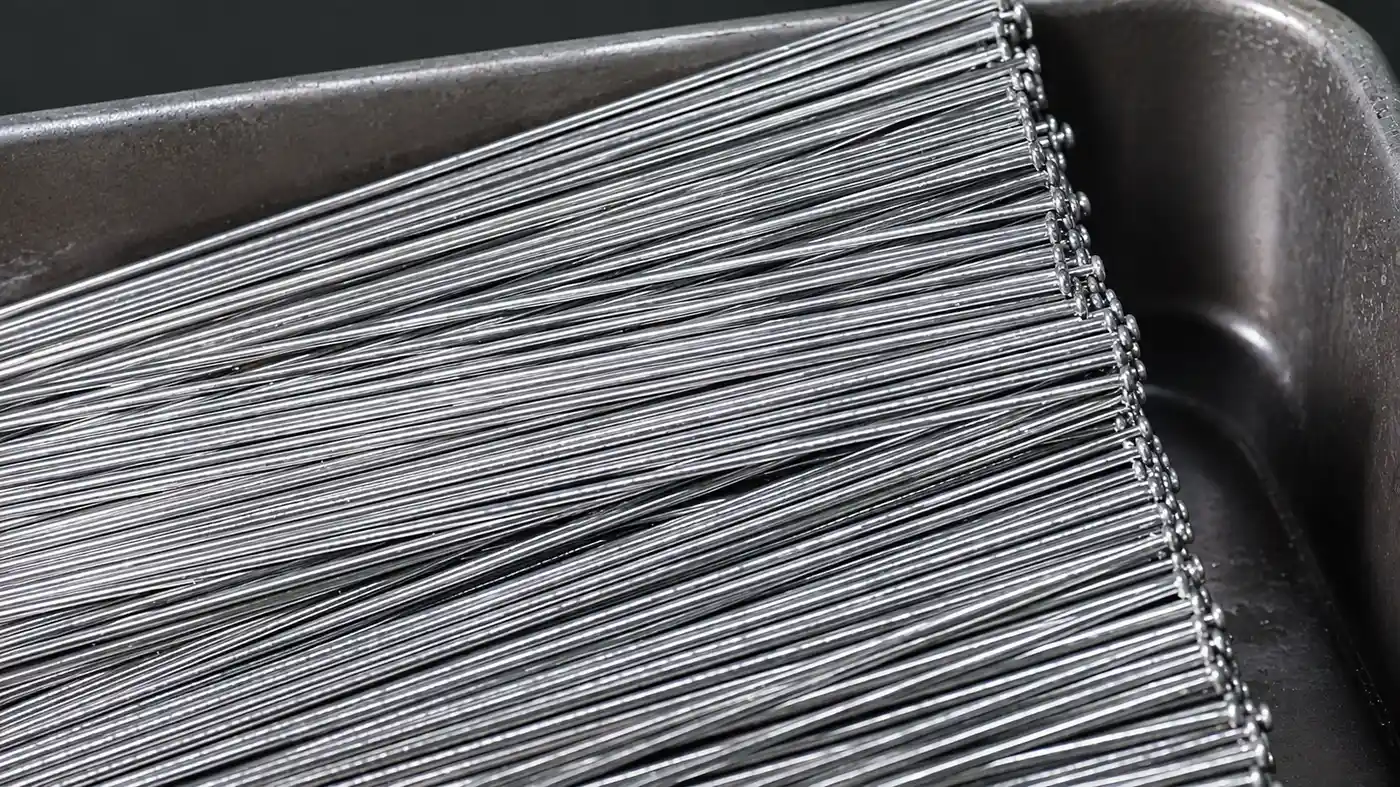
Choose titanium when reducing fastener mass or meeting a suitable corrosion requirement justifies a different material and manufacturing route. Choose carbon or alloy steel when its specified strength, availability, and cost fit the joint. Choose stainless steel when the selected stainless grade meets the exposure and mechanical requirements at a practical purchase cost.
Titanium is not stronger than every steel bolt. The comparison must name the titanium grade, steel material or property class, and stainless grade or condition before “stronger” has a useful meaning.
Compare Defined Materials
A Grade 2 titanium screw, a Grade 5 titanium alloy screw, a heat-treated alloy steel bolt, and a cold-worked stainless fastener can have very different strength levels. “Steel” and “stainless” each cover many materials. Austenitic stainless grades should also be distinguished from precipitation-hardening stainless alloys.
| Factor | Titanium | Carbon or alloy steel | Stainless steel |
|---|---|---|---|
| Weight at equal geometry | Lower density | Heavier than common titanium grades | Heavier than common titanium grades |
| Strength | Depends on grade and condition; Grade 5 differs substantially from Grade 2 | Depends on material, heat treatment, and fastener specification | Depends on alloy, condition, and fastener specification |
| Corrosion strategy | Grade and medium compatibility remain important | Often needs a suitable coating or other protection | Grade selection, chlorides, crevices, and surface condition matter |
| Manufacturing | Forming and machining route needs grade-specific review | Broad established forming and heat-treatment routes | Forming, work hardening, and machining depend on grade |
| Assembly | Review galling, friction, thread pairing, and preload | Review finish, friction, preload, and coating requirements | Review galling, friction, thread pairing, and preload |
| Purchase decision | Often justified by a measurable mass or environmental need | Often economical when weight and exposure permit | Often practical for a suitable corrosion-resistant standard or custom part |
A meaningful quotation comparison uses the same drawing, quantity, acceptance requirements, and delivery terms. Different inspection or finish requirements can change the apparent material price advantage.
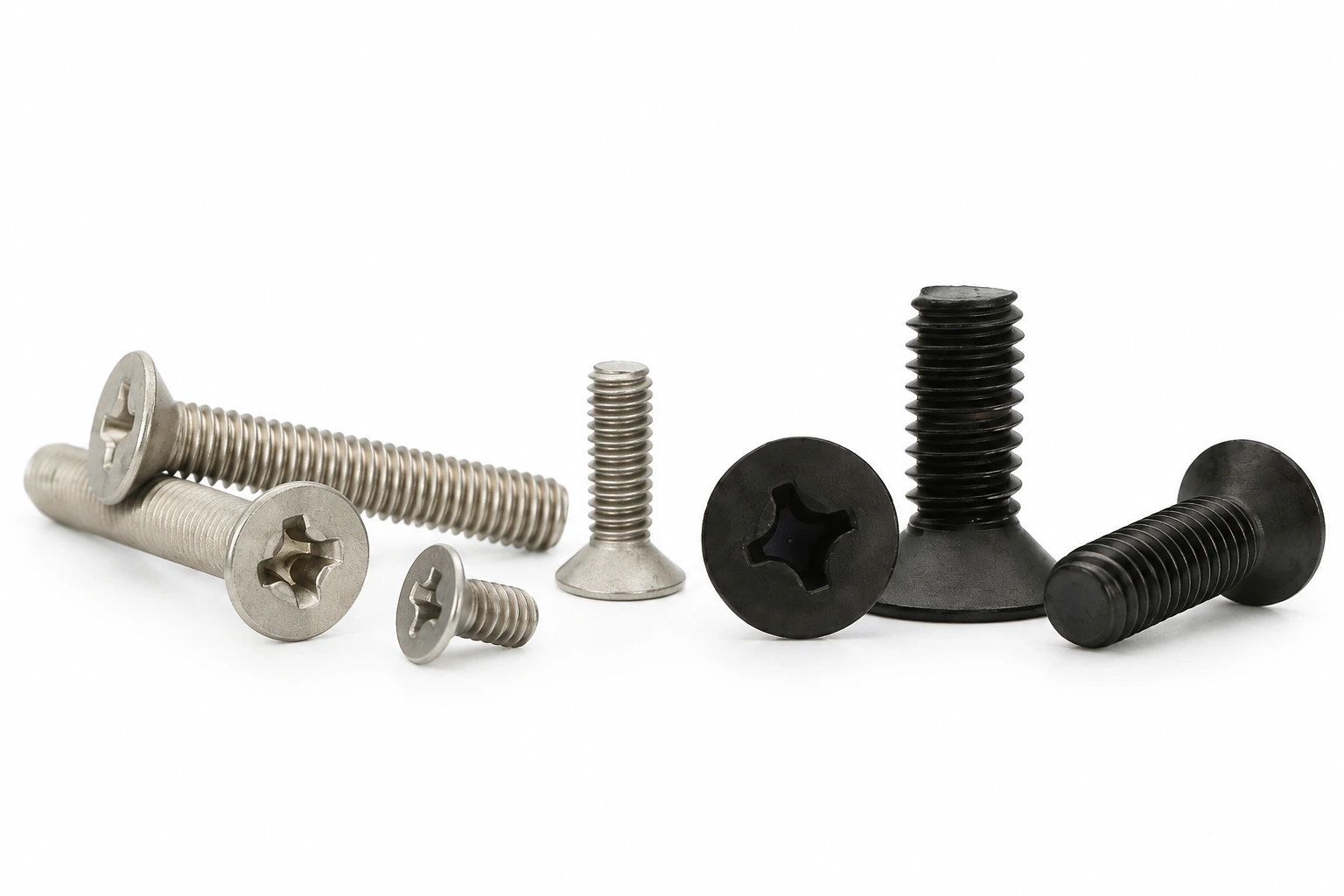
Strength and Strength-to-Weight Ratio Answer Different Questions
At the same geometry, bolt capacity depends on the specified material strength and the relevant cross section. A high-strength alloy steel fastener may meet a higher absolute strength requirement than a particular titanium bolt. Grade 5 titanium may offer an advantage over a particular common stainless fastener, but that statement cannot be extended to every stainless alloy or condition.
At the same mass, titanium’s lower density gives a different comparison. ATI lists 4.43 g/cm³ for Ti-6Al-4V, while common carbon steels are substantially denser. That makes titanium attractive when the assembly has a mass target. It does not make an equal-size substitution acceptable without reviewing the joint.
Also distinguish strength from stiffness and ductility. Titanium and steel do not deform identically under the same elastic load. In NASA tests of Ti-6Al-4V and A286 aerospace fasteners, fasteners of comparable tensile strength showed different ductility. Those results illustrate why a strength number alone is an incomplete selection basis.
Compare the Environment and the Mating Parts
For corrosion-exposed equipment, identify the medium, concentration, temperature, wet and dry cycles, and trapped-fluid areas. Include the nut, washer, insert, and clamped materials in the review. A corrosion-resistant bolt can still form an unfavorable galvanic couple with another metal.
A protective coating on steel and the passive surface of titanium or stainless steel solve different problems. Compare the complete material and finish system, including installation damage, inspection access, and replacement policy. A generic “marine grade” label is insufficient for a custom joint.
Make the Choice From the Assembly Requirements
Keep steel on the shortlist where mass is not controlling and a suitable steel specification meets the loads and exposure. Consider stainless where an appropriate grade gives the needed corrosion and mechanical performance. Consider titanium where a calculated mass reduction or validated environmental benefit addresses a real design objective.
At Shi Shi Tong, we review material options against the same controlled drawing and production requirements. Send the drawing, load case, exposure, and order quantity to compare a custom titanium route with suitable steel or stainless alternatives.