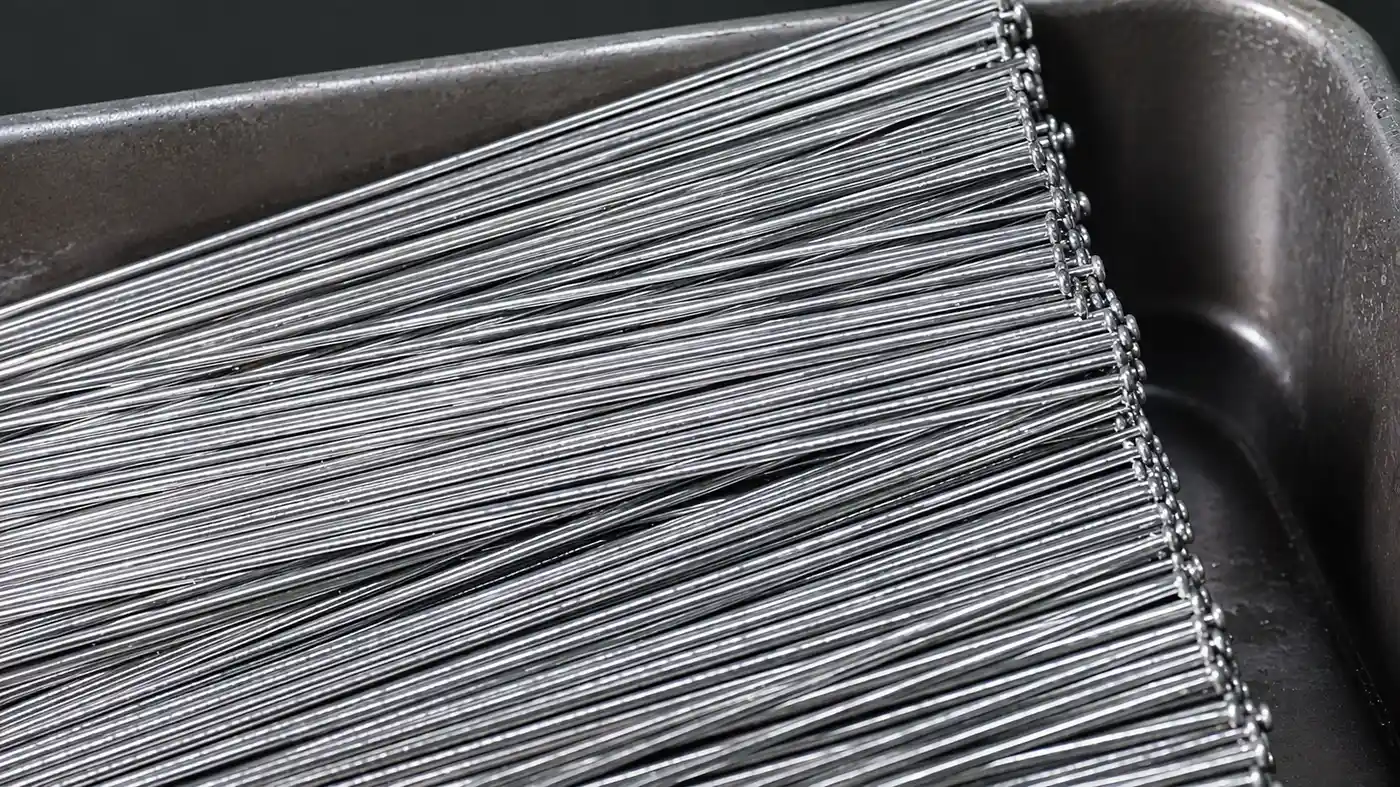
Titanium bolts do not rust like carbon steel. Their resistance comes from a thin passive oxide surface. That makes titanium useful in many wet and corrosive environments, but it does not make every titanium grade suitable for every chemical, temperature, or joint.
An orange stain on a titanium fastener may come from iron contamination or another corroding component. Before replacing the bolt, inspect the whole assembly and identify whether the stain is a deposit, a damaged finish, or actual attack on the part.
What Protects the Titanium Surface?
Titanium forms a protective oxide layer under suitable conditions. The stability of that layer depends on the environment. TIMET’s corrosion guidance explains the importance of the medium, temperature, and grade, and identifies environments such as hydrofluoric acid that can attack titanium.
For an industrial bolted joint, give the supplier the chemical or fluid composition, concentration, temperature range, cleaning agents, and wet or dry cycles. Include trapped-fluid areas beneath heads, inside tapped holes, and between mating components. An exposed head and a concealed crevice may experience different conditions.
Review the Joint, Not Only the Bolt
A titanium bolt can remain visibly sound while another metal in the assembly corrodes. Electrical contact between dissimilar metals in an electrolyte can create a galvanic couple. The materials, exposed areas, moisture path, and any isolation measures must be reviewed together.
| Condition | What to check | Practical next step |
|---|---|---|
| Orange or brown deposit | Nearby steel corrosion, handling contamination, damaged adjacent coating | Identify and remove the source using a finish-compatible cleaning method |
| Chemical exposure | Exact medium, concentration, temperature, titanium grade | Check material compatibility for the service conditions |
| Wet crevice or trapped liquid | Drainage, geometry, cleaning access, temperature | Review the joint design and inspect concealed contact areas |
| Contact with another metal | Material pairing, electrolyte, area relationship | Review galvanic compatibility and any specified isolation |
| Seized thread | Thread damage, surface condition, mating material, tightening history | Stop forcing it and assess the assembly procedure |
Do not select Grade 5 solely because it is stronger when the controlling requirement is chemical compatibility. Grade choice should satisfy both the environment and the mechanical design.
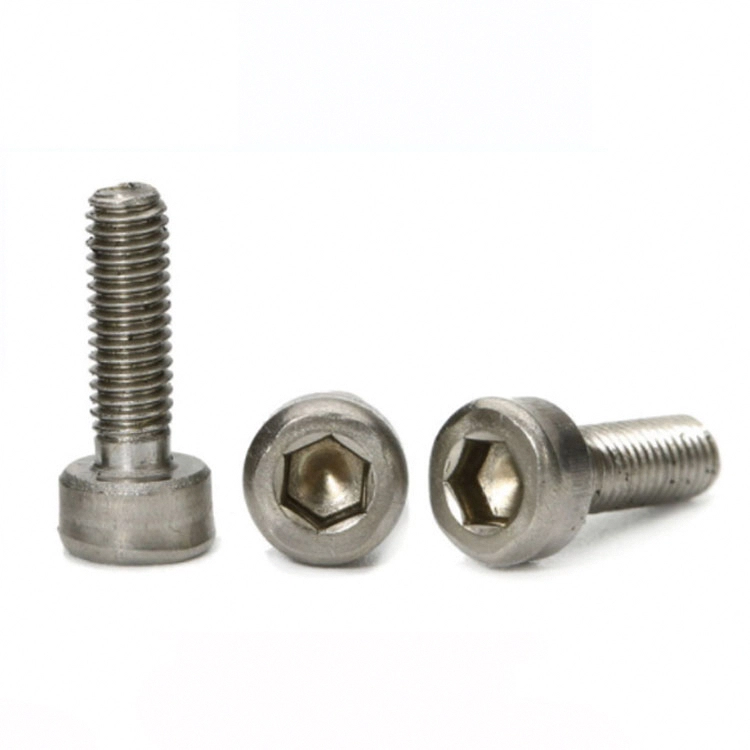
How to Clean Titanium Bolts
For routine surface dirt, use the cleaning method approved for the equipment and the screw finish. Where compatible, a mild detergent, clean water, and a soft nonmetallic brush can remove deposits without aggressively abrading the surface. Rinse away residues and dry accessible areas.
Avoid transferring iron particles with a steel wire brush or shared abrasive. Do not choose an acid cleaner simply because it removes a stain; titanium compatibility depends on its chemistry, and fluoride-containing or aggressive products need a specific review. An anodized appearance or other coating can have different cleaning limits from untreated titanium.
Clean installed hardware only within the equipment’s maintenance procedure. Removing a loaded bolt, disturbing a seal, or washing chemicals into a blind hole can change the joint. After removal, inspect the thread and bearing surfaces, and follow the approved replacement or reuse policy. Do not add a lubricant during cleaning without considering its effect on the next tightening operation.
Specify Corrosion Performance Before Ordering
Define the required service life and the first unacceptable condition: staining, coating damage, pitting, section loss, or loss of joint function. If testing is required, agree on the specimen, exposure, method, and acceptance criterion. A laboratory result should support the relevant requirement rather than be converted into an assumed number of field years.
At Shi Shi Tong, we review the titanium grade and surface condition with the screw drawing and application. Send your exposure and maintenance requirements to discuss a custom titanium fastener for the actual joint.