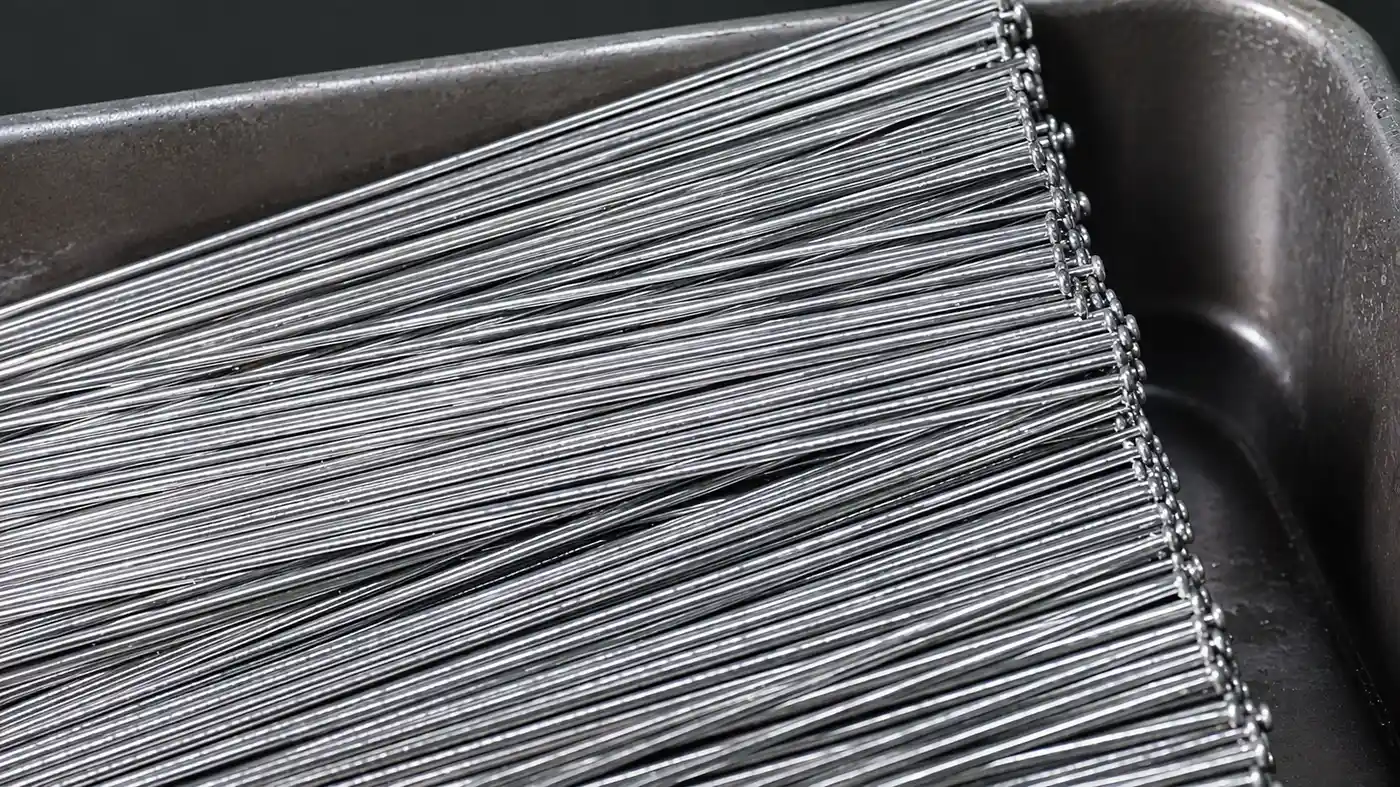
For a custom titanium bolt or screw, start with a supplier that can review the complete drawing, identify the titanium material, and agree on the finished-part acceptance requirements. A seller offering the right nominal diameter is not necessarily equipped to control a shoulder fit, a special thread zone, or the documentation needed for repeat production.
At Shi Shi Tong, we review custom titanium fasteners from drawings, samples, and defined assembly requirements. The quotation needs to describe the finished part your factory will accept, not just a titanium blank.
Decide Whether You Need a Stock Item or Custom Manufacture
A stocked industrial distributor can be practical for an exact standard replacement in a small quantity. A custom manufacturer becomes more useful when the part needs unusual head dimensions, a controlled shoulder, special drive access, defined thread placement, holes, grooves, or repeatable batch controls.
| Requirement | Suitable starting point | Main purchasing check |
|---|---|---|
| Exact standard replacement | Stock distributor | Full callout, grade, availability, documentation |
| New drawing-defined screw | Custom manufacturer | Manufacturing route and sample approval |
| Precision shoulder or stepped part | Supplier able to control the functional diameters and datums | Fit, geometry, inspection access |
| Recurring production order | Manufacturer with drawing revision and lot control | Repeatability, records, packaging, change notification |
Ask about the exact grade and geometry together. A supplier’s successful Grade 2 part does not automatically establish a route for a different Grade 5 head or shoulder design.
Send a Complete RFQ
Include the controlled drawing revision and the mating part or assembly section where available. State:
- Titanium grade, governing standard, stock condition, and certificate requirements.
- Diameter, pitch or TPI, thread class, threaded length, and thread start.
- Head and drive dimensions, shank sections, shoulder fit, tip, and special features.
- Finish, color range, masked areas, cleanliness, and post-finish inspection.
- Mechanical requirements, service exposure, critical tolerances, and required tests.
- Sample quantity, production quantity, annual demand, and delivery destination.
Do not specify only “TA2/Grade 2” or “TC4/Grade 5” and leave the acceptance standard unstated. If more than one national specification appears in the request, resolve the actual chemistry, condition, and acceptance requirements before the supplier purchases stock.
Verify the Material and the Certificate
Ask for the material certificate tied to the supplied heat or lot, then agree how that identification will follow the stock through manufacturing and shipment. Check that the grade, material form, condition, chemistry, and required mechanical results correspond to the order.
Appearance, anodized color, low weight, or a magnet test cannot establish the complete titanium grade. An agreed chemical analysis can help identify material, but the method must measure the elements needed by the specification. XRF instrument guidance explains limitations for elements such as oxygen and nitrogen. An alloy identification result also does not establish heat-treatment condition or finished-bolt strength.
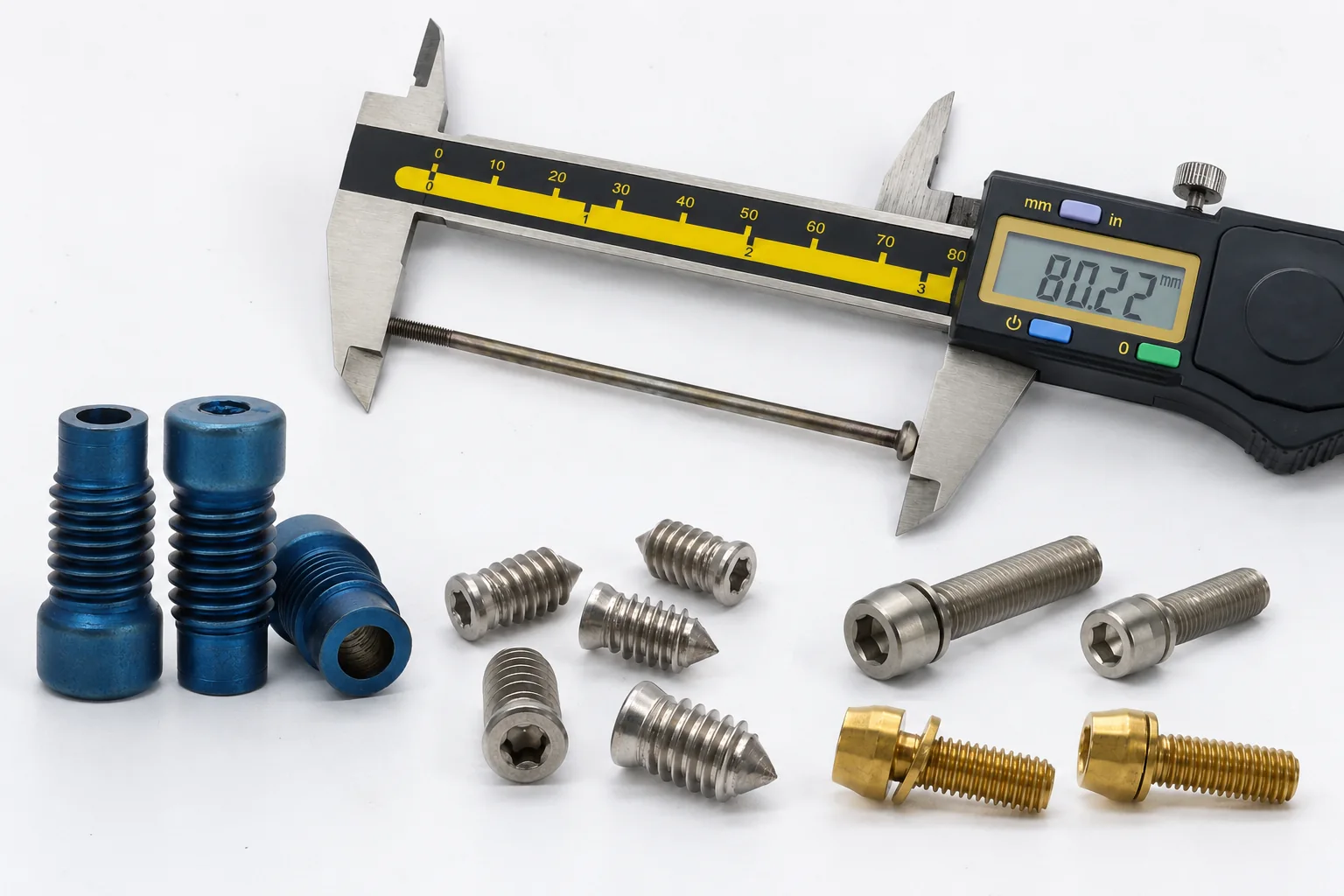
Evaluate the Supplier’s Engineering Response
A useful response discusses your drawing: which features will be formed or machined, how the grade affects the route, which tolerances need review, and how the finished thread will be accepted. Request a sample plan and the inspection method for the characteristics that control fit and function.
A broad certificate or factory photo does not replace that review. Confirm the manufacturing location, subcontracted processes, applicable qualification requirements, and which documents will accompany this order. Judge a supplier in China or any other country by that evidence and the approved samples, rather than by a country-wide assumption.
Watch for quotations that silently change material, pitch, finish, or tolerance. Resolve proposed alternatives in a controlled drawing revision. Approve the sample and acceptance criteria before releasing repeat production, and agree on notification if the material or process changes.
Prepare the Order for Repeat Supply
Put the approved revision, grade, finish, inspection criteria, packaging, and documentation into the purchase specification. Confirm tooling terms, MOQ, lead time, and delivery terms for that design and quantity. Protect slender or precision features during transport, and plan incoming checks around the same acceptance criteria used by the manufacturer.
Send your titanium screw drawing and RFQ requirements to Shi Shi Tong for a manufacturing, sample, and quotation review.