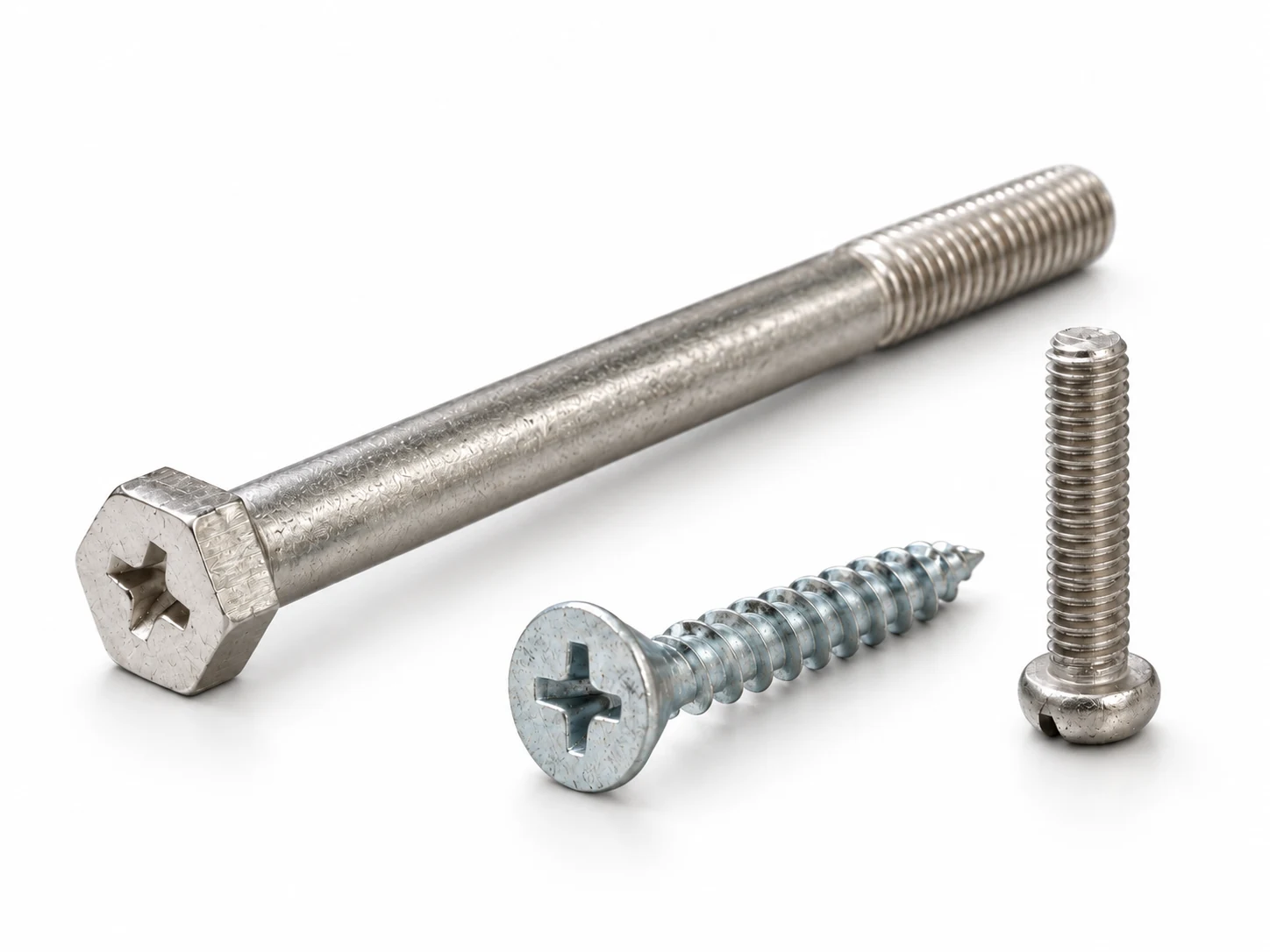
A longer machine screw does not carry more load simply because it is longer. If the original screw engages too little sound thread, added length can improve the joint by increasing effective engagement. Once the joint has sufficient engagement, extra length does not increase the screw’s diameter, material strength, or head bearing area. It may instead bottom in a hole or interfere with nearby parts.
The load limit depends on where the joint fails first: the screw, the internal thread, the clamped components, the bearing surface, or the installed preload.
Separate Screw Strength From Joint Strength
A screw’s nominal diameter, threaded stress area, material, property class, and condition govern its own tensile and shear behavior. Extending an otherwise identical screw does not change those properties. NASA’s Fastener Design Manual treats screw strength, grip length, tapped-hole pullout, and combined loads as separate design checks.
The mating thread can be the weak point. A short screw that engages only a few complete threads may strip the tapped component before the screw reaches its own strength limit. A longer screw can help if more full threads are available and the tip still has clearance. The required engagement depends on the female thread material and the desired joint strength; Bossard’s guidance excludes incomplete threads and chamfers from effective engagement.
When Can Extra Length Help?
| Existing condition | Effect of more length | Check before changing the screw |
|---|---|---|
| Too little full thread engages a sound tapped hole | May reduce the risk of stripping the internal thread | Required engagement, female material, usable tap depth |
| The screw does not reach a nut through the full stack | Allows the designed connection to be assembled | Stack tolerances, nut engagement, permitted protrusion |
| The joint already has adequate engagement | Does not automatically increase load capacity | Screw strength, preload, bearing area, joint slip |
| The longer tip reaches the bottom of a blind hole | Prevents full clamping and may damage the hole | Worst-case depth and tip clearance |
| A longer section remains unsupported | May add bending and alignment concerns | Support, transverse load, shank design |
More thread is not always a proportional gain. Engaged threads do not share load equally, so a joint calculation should set the effective engagement rather than an arbitrary thread count. Also distinguish screw length from grip length: changing the thickness of the clamped stack can change joint stiffness and tightening behavior. Atlas Copco’s tightening guide explains why the actual joint matters when setting the tightening method.
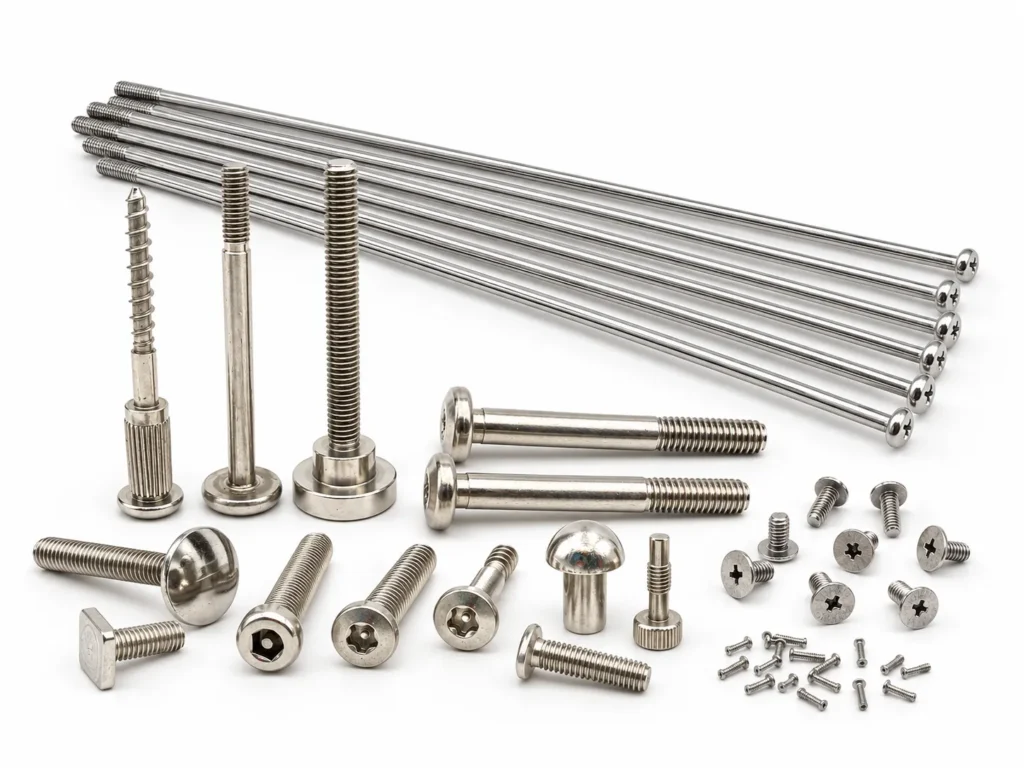
Specify the Joint for the Required Load
Give the design engineer the tensile and transverse loads, duty cycle, clamped thickness, mating material, hole form, head bearing area, and installation method. Then select diameter, material or property class, thread fit, effective engagement, and tightening method together. For a blind hole, test the minimum engagement and maximum insertion depth across the full tolerance range.
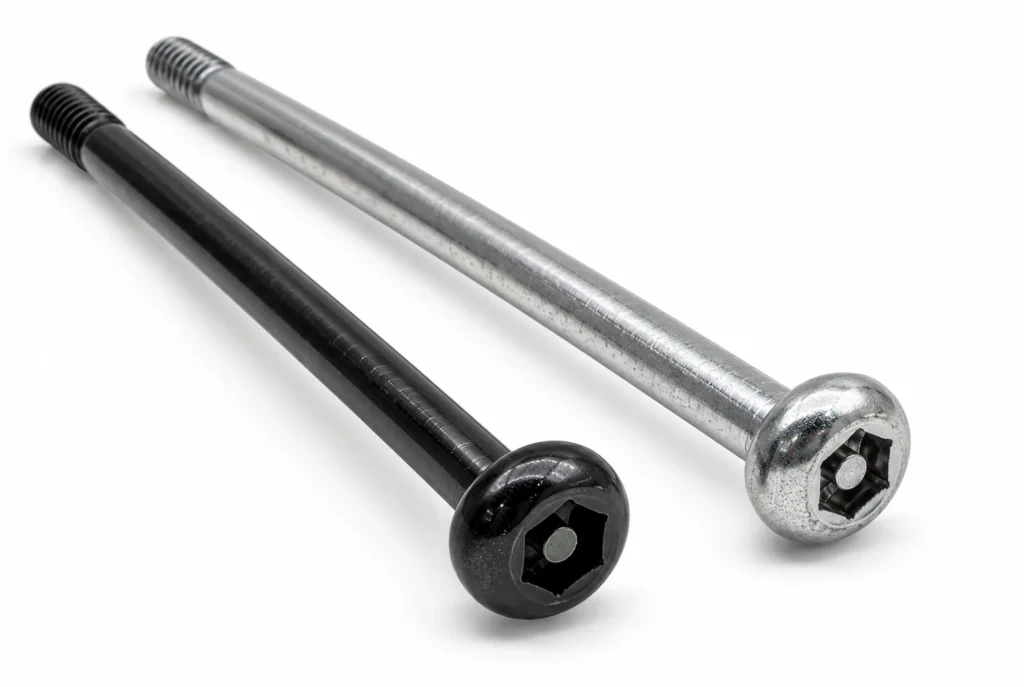
For a long, slender screw, add straightness, unsupported length, and assembly alignment requirements. At Shi Shi Tong, we can review a custom long machine screw with a controlled shank and thread zone rather than simply extending the threaded length. Send us the joint section view and load requirements for a drawing-based review.